26 Whiskey Lounge at Home Ideas That Don’t Require a Mansion or a Second Mortgage
My husband wanted a whiskey lounge for about three years before we actually built one, and the whole time he was picturing something out of a hunting lodge catalog — leather chesterfield sofas, a full wet bar, a fireplace.
We have a 1,950 square foot house and a budget that was nowhere near “hunting lodge.”
What we actually ended up with is a converted corner of our living room, about 90 square feet, with a bar cart, two chairs, and some lighting changes, and it’s genuinely one of the best-used corners of our whole house now.
This list is built around that reality — most people building a whiskey lounge at home are working with a corner, a closet-sized den, a basement nook, or a converted dining room they never used anyway, not a dedicated 400-square-foot room.
I’ve grouped these by space type so you can find ideas that actually match what you’ve got, plus the details (lighting, glassware storage, seating) that make a small space feel intentional instead of like a card table with some bottles on it.
Small Corner and Nook Ideas
1. The Bar Cart Corner With Two Chairs
This is almost exactly what we built. A good bar cart (brass or black metal frame, two tiers) in a corner, flanked by two leather or leather-look armchairs angled slightly toward each other instead of straight at a TV. That angle matters more than you’d think — it signals “this is for conversation,” not “this is where I watch football.”
Pro tip: Skip a coffee table in a tight corner setup. A small side table between the two chairs, sized just for glasses and a small dish, keeps the footprint tight without making the space feel cramped.
2. Built-In Floating Shelves Above a Narrow Console
If you don’t have room for a full bar cart, a narrow console table (even 12-14 inches deep works) with floating shelves above it for bottle display turns an unused wall into a whiskey station without eating any floor space.
3. Window Nook Conversion With a Single Statement Chair
A window seat or reading nook that’s gone unused can become a one-person whiskey corner with a single great chair, a small side table, and task lighting — this is the move if you’re the only one in the house who actually drinks whiskey and don’t need seating for two.
4. Closet-to-Bar Conversion
A coat closet or linen closet, emptied out and fitted with shelving, a small countertop insert, and interior lighting, becomes a surprisingly functional bar that closes up completely when you’re not using it — genuinely great if you want the lounge feel without a permanent visual footprint.
| Space Type | Minimum Footprint | Best For |
|---|---|---|
| Corner with bar cart | 60-90 sq ft | Two-person conversation setups |
| Floating shelf console | 20-30 sq ft (wall only) | Bottle display in a tight space |
| Closet conversion | 15-25 sq ft | Hiding the whole setup when not in use |
| Window nook | 30-50 sq ft | Solo reading-and-sipping corner |
Basement and Den Ideas
5. Dark Paint With Warm Brass Accents
Basements lend themselves to the moody, low-light whiskey lounge aesthetic naturally, since you’re often not fighting a ton of natural light anyway. A deep charcoal or forest green wall paired with brass or aged-gold hardware and fixtures gets you there fast.
6. Built-In Bookshelf With a Bottle Section
If your basement den already has built-in shelving for books, dedicating one section (even just two shelves) to a curated bottle and glassware display integrates the lounge into a room that already has a purpose, instead of carving out a whole separate zone.
7. Leather Sectional With a Low Bar Table
A basement with more square footage to work with can support a low-slung leather sectional facing a short bar-height table instead of a coffee table — it keeps the “lounge” feeling even though you’re sitting lower than a standard bar setup.
8. Exposed Brick or Shiplap Accent Wall Behind the Bar
A single accent wall — exposed brick if your basement has it, or a faux shiplap or brick panel if it doesn’t — behind the bar area gives the whole setup a backdrop that reads as intentional rather than an afterthought in the corner.
Pro tip: If you’re adding a faux brick or stone panel in a basement, check it’s rated for below-grade moisture exposure. We learned this one secondhand from a friend whose panels started warping within a year because the product wasn’t meant for basement humidity levels.
9. Humidor Cabinet Paired With the Bar Setup
If cigars are part of the whiskey lounge vision, a proper humidor cabinet (not just an open box) near the bar keeps things functional, and most basements hold humidity levels more consistently than an upstairs room would anyway.
Dining Room and Living Room Conversions
10. Convert an Underused Formal Dining Room
A lot of houses have a formal dining room that gets used three times a year. Swapping the table for a proper bar setup — a cabinet, seating, a rug that defines the zone — gets way more use out of that square footage than a table collecting mail ever did.
11. Room Divider to Separate the Lounge From the Living Space
In an open living room, a slatted wood room divider or a tall bookshelf used as a half-wall visually separates a whiskey lounge corner from the rest of the room without a full renovation or new walls.
12. Repurpose a China Cabinet as a Bottle and Glass Display
An inherited or secondhand china cabinet, originally meant for dishes, works almost perfectly as whiskey and glassware storage — the glass-front doors do the display work for you, and it’s a piece you likely already own or can find secondhand cheap.
13. Fireplace-Adjacent Seating Arrangement
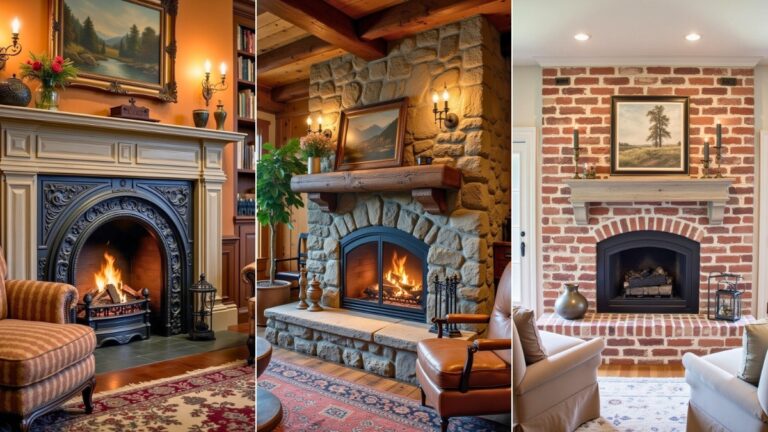
If your living room has a fireplace, positioning your lounge chairs near it instead of facing the TV instantly gets you most of the way to that “hunting lodge” feeling everyone pictures, with zero construction required.
| Room Type | What to Repurpose | Low-Cost Swap |
|---|---|---|
| Formal dining room | Table and chairs | Bar cabinet and lounge seating |
| Open living room | One corner or wall | Room divider or bookshelf half-wall |
| Any room with built-ins | Existing shelving | China cabinet or bookshelf as bottle display |
Lighting That Actually Sets the Mood
14. Warm Dimmable Sconces Flanking the Bar
Wall-mounted sconces with warm (2700K or lower) dimmable bulbs on either side of the bar area do more for the “lounge” feeling than almost any other single change — overhead lighting alone reads as a kitchen, not a lounge.
15. A Single Statement Pendant Over the Bar Cart
One well-chosen pendant light, hung lower than standard ceiling height, over a bar cart or console creates a defined “zone” within a larger room, the same way a pendant over a kitchen island signals where the action is.
Pro tip: Get a pendant on a plug-in cord kit if you’re renting or don’t want to run new electrical — plenty of styles now come designed to hang from an existing outlet or a hook, no rewiring required.
16. Flameless Candles for Ambiance Without the Mess
Real candles are great in theory and a hassle in practice around a bar area where you’re handling bottles and pouring. Good-quality flameless LED candles get you the same warm flicker without the wax or the fire risk near alcohol.
17. Under-Shelf LED Strip Lighting for Bottle Display
A thin LED strip under each floating shelf, angled down onto the bottles below, makes a bottle collection look genuinely curated instead of just stored — it’s a cheap addition that photographs and shows off far better than ambient room light alone.
Seating and Layout Details
18. Two Chairs, Angled, Not Facing a TV
Worth repeating from idea #1 because it matters this much: angle your seating toward each other or toward the bar, not toward a television. A whiskey lounge that’s secretly just a second TV room misses the entire point of the space.
19. A Single Great Leather Chair if You’re Solo
If this is a one-person retreat, don’t buy two chairs out of some obligation to “complete the look.” One genuinely excellent leather or leather-look chair with good lumbar support, positioned near good light and your bottle shelf, is enough.
20. Ottoman as Flexible Extra Seating
A low leather ottoman that can double as a footrest or pull up as extra seating when you have company over is one of the most practical pieces for a small lounge that still needs to flex for different group sizes.
21. Rug to Visually Define the Zone
In an open floor plan, a rug under just the lounge seating area (not the whole room) is one of the simplest, cheapest ways to visually separate “whiskey lounge” from “rest of the living room” without any construction.
Bar Setup and Glassware
22. A Proper Glencairn Glass Set, Not Just Rocks Glasses
If whiskey tasting (versus just whiskey drinking) is part of the goal, actual Glencairn-shaped glasses concentrate aroma in a way a standard rocks glass doesn’t — a set of these on display does double duty as function and decor.
23. A Dedicated Water Pitcher and Dropper for Tasting
Serious tasting setups include a small water pitcher or dropper specifically for opening up a pour, which is a detail a lot of casual setups skip but genuinely changes the tasting experience and looks intentional on a bar cart.
24. Decanters for Everyday Pours
Decanting your regular rotation bottles (not the rare stuff) into a couple of good glass decanters makes the whole bar area look more cohesive than a row of mismatched labels, and it’s genuinely easier to grab-and-pour from.
25. A Small Ice Program: Good Tray, Insulated Bucket
An oversized ice cube tray (the 2-inch cube kind that melts slower) and a proper insulated ice bucket, kept right on the cart, is a small detail that elevates the whole setup without costing much.
Pro tip: Large-format ice cubes matter more for whiskey than almost any other drink — they melt slower, which means less dilution over a long pour, and they just look better in a rocks glass under warm lounge lighting.
Budget-Friendly Build-Out Plan
26. Phased Approach So You’re Not Doing This All at Once
- Phase 1 ($100-$300): A good bar cart or repurposed console, basic glassware, a couple of bottles you actually like.
- Phase 2 ($200-$600): Seating — one or two chairs, secondhand or new, plus a rug to define the space.
- Phase 3 ($100-$400): Lighting upgrades — sconces, a pendant, or under-shelf LED strips.
- Phase 4 (optional, $200-$1,000+): Accent wall, built-in shelving, humidor cabinet, decanter and tasting glass sets.
Pro tip: Buy seating secondhand first and reupholster or just live with it for a year before committing to new furniture. We found both of our lounge chairs on a local marketplace app for a combined $140, and reupholstering them later cost less than buying new ones would have.
What I’d Do Differently
If I were starting over, I’d do the lighting before anything else. We spent our first few months with just overhead lighting and a bar cart, and it genuinely didn’t feel like a “lounge” until we added the sconces and swapped a few bulbs to warmer tones. The furniture and bottles matter, but the light is what actually changes how a space feels the second you walk into it.
Frequently Asked Questions
How much space do I actually need for a whiskey lounge at home? You can build a functional version in as little as 60-90 square feet — a single corner with a bar cart and two chairs is genuinely enough, as long as the layout and lighting are intentional.
What’s the single most important element for making a space feel like a lounge instead of just a bar in a corner? Lighting, by a wide margin. Warm, dimmable, lower-positioned light sources (sconces, a pendant, under-shelf strips) do more than furniture or decor to create that lounge atmosphere.
Do I need a wet bar with plumbing for a home whiskey lounge? No. Whiskey doesn’t require mixing or ice-heavy cocktail service the way a full cocktail bar does, so a bar cart or dry bar setup with a good ice bucket covers almost everyone’s actual needs.
What furniture should I prioritize if I’m on a tight budget? Seating first, since it’s the piece people actually interact with longest, followed by a bar cart or console for storage and display. Lighting upgrades are the cheapest high-impact addition after that.
Can I build a whiskey lounge in a rental without permanent changes? Yes — plug-in pendant lights, freestanding bar carts, rugs, and removable wall decor get you most of the aesthetic without any drilling or permanent fixtures, and all of it moves with you later.

Hi, I’m Ashley Miller, a wife, a busy mom, and someone who loves to share all the things that make life a little more fun and beautiful.
From easy DIY projects, delicious recipes, and chic hairstyles to nail ideas and home decor tips, I share everything I’ve learned and love.
My goal is to inspire other women to explore their creativity and make their homes even more special.