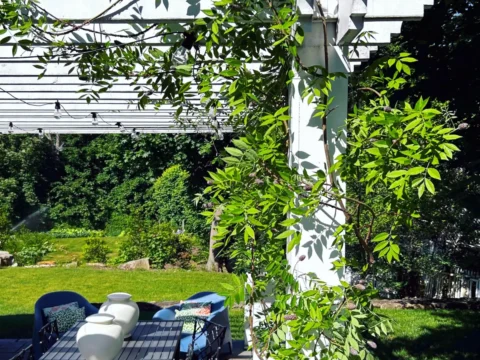
A practical style guide to outdoor rugs, patio decorating, and choosing the right size, material, and pattern.
A patio rug can change the whole feel of your outdoor space
I think a patio starts feeling like an actual room when there’s something underfoot to bring the furniture together. Without it, even a pretty seating set can look a little like it was parked on the concrete.
The right patio rug gives your chairs a visual home, softens hard flooring, and adds color without asking you to repaint a fence or replace every cushion.
The trick is choosing a rug that looks good outside and can handle being outside. Sun, rain, pollen, muddy shoes, and the occasional spilled drink are not gentle on delicate indoor textiles. I
’d start with the size of your seating area, think honestly about how exposed the patio is, and then choose a look you’ll still enjoy after the novelty wears off.
Below are 32 patio rug ideas, from quiet neutrals to bold graphic patterns, plus the practical details that make each style work.
Quick guide: which patio rug should you choose?
| Rug style | Best for | Look and feel | What to consider |
| Flatweave polypropylene | Everyday patios and dining areas | Lightweight, versatile, often easy to rinse | Check UV and water-resistance details |
| Recycled plastic / PET | Covered or exposed patios | Textile-like look with practical cleanup | Can feel less soft than a traditional rug |
| Jute-look synthetic | Natural, relaxed styling | Warm woven texture without natural-fiber upkeep | Confirm it is made for outdoor use |
| Bold geometric | Modern furniture and simple layouts | Crisp lines and a strong focal point | Large patterns can dominate tiny patios |
| Indoor-outdoor washable | Families, pets, and messy entertaining | More textile-like comfort | Follow the maker’s cleaning and drying instructions |
Pro tip: Before ordering, use painter’s tape to mark the rug dimensions on the patio. It is a quick way to see whether chair legs will land on the rug and whether the border leaves enough breathing room around the furniture.
32 gorgeous patio rug ideas to try
Use these looks as starting points rather than strict rules. The best patio rug is the one that fits your actual layout, weather exposure, and how you use the space.
1. A classic black-and-white stripe
A stripe gives a patio structure without introducing a complicated motif. I like it under a simple bistro set or a pair of lounge chairs because it makes even basic outdoor furniture look intentional.
Choose wider stripes for a larger patio and narrower ones for a small balcony. If the rug sits in direct sun, check the care label for UV resistance; strong contrast can show fading unevenly over time.
Pro tip: Run the stripes in the same direction as the longest edge of the patio to make the space feel longer.
2. A soft beige flatweave
When the furniture already has color or texture, a warm beige rug lets those pieces do the talking. It also helps connect wood, wicker, stone, and neutral cushions without making the patio feel overly decorated.
Look for a synthetic flatweave designed for outdoor use rather than assuming a natural jute rug will tolerate rain. Beige is forgiving visually, but pale rugs can still show muddy footprints.
Pro tip: A slightly heathered beige hides dust better than a perfectly solid cream.
3. A blue-and-white coastal pattern
Blue and white brings a breezy feel without needing shells or beach signs everywhere. It works especially well with white furniture, pale timber, navy cushions, and simple greenery.
Try a repeating diamond, medallion, or small-scale motif if you want the coastal look to feel timeless. Very pale blue can look washed out in bright sunlight, so compare samples outdoors if possible.
Pro tip: Repeat the blue once or twice in cushions or planters so the rug feels connected to the rest of the patio.
4. A terracotta rug for warm color
Terracotta adds the warmth of clay pots and brick, which makes a patio feel welcoming even when the furniture is fairly plain. It is a strong choice for spaces with cream walls, timber, rattan, or lots of plants.
A rust or clay-colored outdoor rug is easier to style than a very bright orange. Pair it with muted olive, sand, or charcoal rather than adding several competing warm colors.
Pro tip: If your patio already has red brick, choose a terracotta shade that is noticeably lighter or darker so it does not disappear into the floor.
5. A vintage-inspired medallion rug
A faded medallion pattern gives an outdoor seating area a collected, lived-in look. I’d use it when the patio needs a little personality but the furniture is mostly solid-colored.
Choose a low-contrast print if you want the pattern to read as texture from a distance. Look for outdoor-rated synthetic fibers; a delicate indoor vintage rug is not a substitute.
Pro tip: Keep the cushions simple. The rug already brings plenty of visual detail.
6. A natural-look woven rug
Woven texture can make a hard patio floor feel less stark. It is especially useful beside concrete, tile, or large-format pavers, where a little texture helps soften the overall finish.
For an exposed patio, choose a polypropylene or recycled-plastic version made to mimic natural fibers. Real jute, sisal, and seagrass are generally better suited to dry, protected interiors.
Pro tip: Check the underside as well as the top. A suitable backing and a dryable construction matter outdoors.
7. A bold black geometric rug
A graphic black pattern gives a modern patio a clear anchor. It looks sharp with slim metal furniture, charcoal planters, and architectural greenery.
If the patio is small, use a black pattern with plenty of background space instead of a dense all-over design. Dark rugs can become hot in direct sun, so consider where bare feet will land.
Pro tip: Add one lighter element nearby, such as pale cushions or a light tabletop, to keep the setting balanced.
8. A sage green botanical rug
Sage connects the seating area to the garden without relying on an obvious leaf print. It is a calm option for patios with lots of pots, climbing plants, or a leafy view.
A subtle botanical motif or a muted green solid can work with both modern and cottage-style furniture. Check the green against your actual plants; some yellow-leaning greens clash with cooler foliage.
Pro tip: Use terracotta planters or natural wood to warm up a cool sage palette.
9. A round rug for a bistro corner
A round rug can make a tiny café-style setup feel like its own destination. It is particularly useful when a square rug would crowd a narrow balcony or interfere with a doorway.
Measure the pulled-out chair position, not just the table footprint. If the chairs regularly slide off the rug, go up a size or choose a compact set with smaller chairs.
Pro tip: Center the rug under the table first, then check that the chairs still sit comfortably on it.
10. A striped outdoor runner
A runner is a smart way to define a long, narrow balcony or the path between a back door and an outdoor dining spot. It adds softness without taking over the whole floor.
Choose a low-profile, non-slip option that will not catch on a door threshold. A runner is not ideal beneath chairs that need to move in and out frequently.
Pro tip: Leave a visible strip of floor on both sides so the balcony does not feel even narrower.
11. A colorful Moroccan-inspired print
A lively geometric print can bring the energy of a patterned tile floor to a plain concrete patio. It is a good way to add color when you are renting and cannot change the permanent finishes.
Pick two or three colors from the rug and repeat them in small accents. If every cushion, pot, and accessory introduces a new shade, the patio can quickly feel busy.
Pro tip: Let the rug be the main pattern and use solid cushions in one of its quieter colors.
12. A muted charcoal rug
Charcoal is a practical-looking neutral for contemporary patios, especially where black metal, gray pavers, or dark outdoor kitchens are already part of the design.
A medium charcoal often hides everyday dust better than a very dark black. Make sure the rug is rated for outdoor exposure and can dry thoroughly after rain.
Pro tip: Pair charcoal with warm wood or cream cushions so the space does not become too cold visually.
13. A faded floral rug
A small, softened floral print gives a patio a garden-room feeling. I like this direction for a cottage-style space, a white porch, or a seating area surrounded by flowering pots.
Choose a faded or low-contrast floral if the surrounding garden is already colorful. A large, high-contrast flower motif may compete with real blooms.
Pro tip: Pull one flower color into a single cushion or planter rather than matching everything.
14. A navy outdoor rug
Navy feels classic and grounded, and it pairs naturally with white, tan, teak-look finishes, and striped cushions. It is a dependable option if you want color without going bright.
Look for a pattern or heathered weave that breaks up the solid surface. As with other dark colors, think about heat in full sun and test the location before committing.
Pro tip: Add a little warm brass, rattan, or honey-toned wood to stop navy from feeling too formal.
15. A checkerboard patio rug
Checkerboard is graphic enough to make a simple patio memorable, but the two-color palette keeps it easy to coordinate. It works with modern, retro, and relaxed Mediterranean-inspired spaces.
Large checks make a statement and suit open patios; smaller checks feel more playful in compact spaces. If the patio floor has strong grout lines, consider whether the extra grid will look too busy.
Pro tip: Choose a softened cream-and-charcoal version if stark black and white feels too high contrast.
16. A round natural-look rug beneath a hanging chair
A round rug can visually finish the spot beneath a hanging chair or egg chair. It gives the chair a defined zone and makes an otherwise empty corner feel planned.
Keep the rug clear of the chair’s swing path and check that the chair’s stand does not press awkwardly on the edge. The rug should not interfere with the manufacturer’s required clearance.
Pro tip: Use a rug large enough for a small side table too, so the corner reads as a complete little nook.
17. A muted pink or blush rug
Blush adds a gentle bit of color to a patio with white, cream, pale wood, or light gray furniture. It can feel grown-up when the shade is dusty rather than candy-bright.
Outdoor exposure can change delicate-looking colors, so check the product’s UV guidance. Pair blush with olive, warm beige, or charcoal for contrast.
Pro tip: If you are unsure about pink, use a patterned rug with blush as an accent rather than the dominant color.
18. A Mediterranean-inspired blue motif
A blue motif with a tile-like repeat can make a patio feel like a courtyard, especially alongside terracotta pots, pale walls, and timber furniture.
The pattern does most of the decorating, so keep nearby textiles restrained. For a narrow space, a small repeat usually feels less overwhelming than a large medallion.
Pro tip: A blue-and-sand palette is often easier to live with than a very bright cobalt-and-white combination.
19. A simple ivory rug for a covered patio
Ivory can make a shaded porch or covered patio feel brighter and more like an outdoor living room. It is a lovely backdrop for natural wood, black accents, and green plants.
I would reserve a very pale rug for a protected area where rain and muddy traffic are limited. For an uncovered patio, choose a patterned cream or a darker neutral that is easier to maintain.
Pro tip: Check the rug in the shade at the time you usually use the patio; ivory can look cooler or warmer depending on the light.
20. A multicolor stripe
A multicolor stripe is an easy way to bring several cushion or planter colors together. It is especially useful when you have collected outdoor accessories over time rather than buying a matching set.
Choose a palette with a clear base color and a few accents. Too many equally bright stripes can make the furniture feel visually scattered.
Pro tip: Repeat just one accent color elsewhere, such as in two cushions, rather than trying to match every stripe.
21. A minimalist border rug
A simple border frames the furniture without adding a busy central pattern. It is a good choice when you want the patio to feel finished but prefer a quiet, uncluttered look.
Make sure the border will not be hidden under all the furniture. A border rug looks best when at least part of its outline remains visible.
Pro tip: Use the border color to connect to your outdoor dining chairs or railing.
22. A distressed vintage-style runner
A distressed runner can soften the transition between indoor and outdoor areas, especially on a covered porch or a long veranda. Its worn-in look makes a narrow walkway feel more decorated.
Choose a true outdoor runner with a low pile and a backing suitable for the surface. Avoid placing it where water pools or where it creates a trip edge.
Pro tip: If the runner is near an exterior door, check the clearance with the door fully open.
23. A tropical leaf-print rug
A leaf print can give a plain patio a lush, resort-like mood even if your actual planting is limited to a few pots. It works well with simple teak-look furniture and neutral cushions.
Use a restrained leaf pattern if the patio is already surrounded by dense greenery. Large tropical prints can look overwhelming when layered with patterned cushions.
Pro tip: Keep the rest of the palette natural—green, sand, and wood are usually enough.
24. A warm rust-and-cream rug
Rust and cream bring warmth without making the patio feel overly colorful. This combination suits brick, timber decking, clay planters, and woven furniture.
Look for a pattern that mixes the two shades so dirt does not show as quickly as it might on a solid cream surface. Make sure the rug is designed for outdoor use.
Pro tip: Add a dark brown or charcoal detail to give the warm palette a little definition.
25. A small-scale diamond pattern
A small diamond repeat is one of the easiest patterns to mix with other outdoor textiles. It adds movement while still reading almost like a texture from a few steps away.
This is a strong choice for a small patio where oversized motifs might dominate. If the furniture has stripes or checks already, keep the rug’s contrast low.
Pro tip: Use a rug with a narrow color range when you want to mix patterns without making the patio feel chaotic.
26. A large-scale abstract rug
An abstract pattern can make an outdoor seating area feel more contemporary and less like a standard patio set. It is especially effective with clean-lined furniture and simple planters.
Check the pattern scale against the size of the patio. A dramatic design needs enough floor area to be seen; on a tiny balcony, it may become visual noise.
Pro tip: Pick an abstract rug that includes one color already present in the furniture, then let its other tones add interest.
27. A green-and-cream checker rug
This softer take on checkerboard feels fresh and garden-friendly. It works with white furniture, pale timber, and natural greenery without relying on a traditional floral print.
Choose a muted olive or sage if you want a relaxed look. A bright green can be fun, but it may be harder to coordinate when you change cushions seasonally.
Pro tip: Use a cream outdoor cushion to echo the lighter squares and tie the seating area together.
28. A textured-look solid rug
Sometimes the patio needs texture more than another pattern. A solid rug with a woven or ribbed appearance gives the floor interest while keeping the overall design calm.
Check product photos closely for pile height and construction. A raised texture can trap leaves and grit, so a flatter weave is usually easier to maintain outdoors.
Pro tip: Choose a shade a little deeper than your cushions so the rug anchors rather than blends into the seating.
29. A bold red accent rug
A red rug can give a neutral patio a confident focal point. I would use it when the rest of the space is restrained—think natural wood, black metal, and a few green plants.
Brick red, paprika, and muted berry are easier to style than a very bright primary red. Repeat the tone in one small accessory rather than scattering red everywhere.
Pro tip: If you are nervous about a strong color, choose a patterned rug where red covers less than half the surface.
30. A layered rug look for a covered patio
Layering can add depth when a covered patio feels flat. A larger neutral outdoor rug with a smaller patterned rug on top creates a relaxed, collected look.
Both rugs need to be suitable for the conditions, and the top layer must not slide. Avoid layering where rain can get trapped between rugs or where edges create a trip hazard.
Pro tip: Keep the bottom rug simple and let the smaller top rug carry the pattern.
31. A custom-size rug for an awkward layout
Not every patio is a neat rectangle. A custom-size or made-to-measure outdoor rug can help define an L-shaped seating area, a wide balcony, or a dining zone that standard sizes never quite fit.
Custom sizing can cost more and may have longer lead times, so measure carefully before ordering. Ask how the edges are finished and whether the material is appropriate for full outdoor exposure.
Pro tip: Sketch the patio with door swings, steps, drains, and furniture footprints before requesting a quote.
32. A practical reversible outdoor rug
A reversible rug is useful when one side gets dirty or you want a quick refresh without buying another piece. It can be a smart option for a high-use family patio or a casual entertaining area.
Confirm that both sides are finished for use and that the rug is easy to dry. Reversible does not automatically mean waterproof, mold-proof, or suitable for leaving wet on a deck.
Pro tip: Flip it only when both the rug and the surface underneath are fully dry.
How to choose the right outdoor rug material
Material matters as much as the print. Outdoor rugs are exposed to more than spills: moisture can sit underneath, sunlight can fade color, and grit can work its way into the weave. I would always read the care instructions and check whether the manufacturer specifically rates the rug for outdoor use before choosing it for an uncovered patio.
Polypropylene: A common practical choice for outdoor rugs because it is lightweight and often easy to clean. Check the product’s UV, water, and mildew guidance rather than assuming every polypropylene rug has identical performance.
PET / recycled plastic: Often woven to look like a textile and can be a good fit for patios that need frequent rinsing. Texture and softness vary, so check close-up photos and customer dimensions.
Natural fibers: Jute, sisal, and seagrass bring beautiful texture but are generally more vulnerable to moisture and staining. I would keep them to dry, protected spaces unless the maker explicitly states otherwise.
Cotton blends: Can feel softer and more familiar underfoot, but outdoor suitability depends on the construction and care instructions. A washable label does not necessarily mean it can be left outdoors in rain.
What size patio rug should you buy?
The rug should connect the furniture, not look like a small bath mat floating in the middle of the patio. For a lounge arrangement, a common starting point is to place at least the front legs of the main seating pieces on the rug. If the space allows, getting all the legs on the rug creates a more unified zone. For dining, choose a rug large enough that chairs remain on it when pulled back from the table.
| Patio setup | Starting point | Measure before buying |
| Two-chair balcony | Small round or compact rectangular rug | Chair legs, door swing, and walking clearance |
| Outdoor sofa area | Large rectangle under front legs or all furniture legs | Full seating footprint plus side tables |
| Dining table | Rug extending beyond the chairs | Table width and chairs pulled fully out |
| Long narrow porch | Outdoor runner | Clear walking path and door thresholds |
| Separate lounge and dining zones | One rug per zone if space allows | Enough floor between rugs to keep zones distinct |
How much do patio rugs cost?
Prices vary widely by size, weave, brand, and whether the rug is made for full outdoor exposure. Rather than relying on a single price range that may be outdated where you shop, I would compare rugs by cost per square foot, construction, warranty, and cleaning requirements. A cheap rug that needs replacing after one season may not be the bargain it first appears to be.
Budget-friendly: Look for simple polypropylene flatweaves, smaller sizes, and straightforward patterns. Check edge finishing and UV guidance.
Mid-range: Compare denser weaves, reversible designs, recycled-plastic options, and clearer care or warranty information.
Higher-end: You may be paying for larger dimensions, custom sizing, refined patterns, heavier construction, or a brand with more detailed performance specifications.
How to keep an outdoor rug looking good
Shake or sweep it regularly so leaves, grit, and pollen do not settle into the weave.
Follow the manufacturer’s cleaning instructions; some rugs can be rinsed while others require spot cleaning.
After rain or washing, lift the rug when possible so both the rug and the patio underneath can dry fully.
Use a compatible outdoor rug pad only if the manufacturer recommends one for your surface and conditions.
Store the rug during severe weather or long periods when you will not use the patio, especially if the space is uncovered.
Check the underside occasionally for trapped moisture, dirt, or discoloration on the deck or tile.
Pro tip: The underside is easy to forget. Even a rug made for outdoor use can hold moisture against a deck or patio if it never gets a chance to dry.
Common patio rug mistakes I would avoid
Buying a rug that is too small: A tiny rug can make a full seating set look disconnected. Tape out the dimensions first and include chair movement in your measurements.
Choosing an indoor rug for an exposed patio: A pretty indoor rug may not tolerate repeated wetting, sun, or outdoor dirt. Look for explicit outdoor-use guidance.
Ignoring door clearance: A thick edge can catch under a sliding or swinging door. Check the full door path before ordering.
Leaving a wet rug flat for days: Moisture trapped underneath can affect the rug and the surface below. Lift and dry it when conditions allow.
Using too many competing patterns: If the rug is bold, simplify the cushions and accessories. If the cushions are patterned, choose a quieter rug.
Forgetting how hot a dark rug can get: Dark colors can absorb more sunlight. Think about bare feet, pets, and the hours when the patio gets direct sun.
Frequently asked questions about patio rugs
What is the best material for a patio rug?
For many everyday patios, an outdoor-rated polypropylene or recycled-plastic rug is a practical place to start. The best choice depends on sun, rain, foot traffic, and the manufacturer’s care guidance.
Can I use a regular indoor rug outside?
I would not use a regular indoor rug in an exposed area. Indoor rugs may not be designed for repeated moisture, UV exposure, or outdoor dirt. A covered porch is still subject to humidity and occasional rain, so check the label.
Should a patio rug be bigger than the furniture?
Usually, yes. For a seating area, aim for at least the front legs of the main furniture pieces to sit on the rug. For dining, make sure chairs stay on the rug when pulled out.
Are outdoor rugs waterproof?
Not necessarily. Many are water-resistant or quick-drying rather than fully waterproof. Check the product details and allow the rug to dry thoroughly after rain or cleaning.
Can outdoor rugs get mold or mildew?
They can develop mildew if moisture and organic debris remain trapped in the rug or underneath it. Regular cleaning, airflow, and complete drying help reduce the risk.
Do I need a rug pad under a patio rug?
Only if it is suitable for your rug, flooring, and outdoor conditions. Some pads can trap moisture or react with certain surfaces, so follow the rug and pad manufacturers’ recommendations.
What color patio rug hides dirt best?
Medium tones, heathered neutrals, and multicolor patterns tend to disguise everyday dust better than very pale solid colors. The best choice also depends on whether your patio gets muddy or dusty.
Can I put an outdoor rug on a wooden deck?
Yes, if the rug is designed for outdoor use and you check underneath it regularly. Make sure the deck and rug can dry, and use only a compatible pad if one is recommended.
How often should I clean my patio rug?
Sweep or shake it as needed, especially during pollen season or after windy weather. Deep-cleaning frequency depends on traffic, weather exposure, and the manufacturer’s instructions.
Can I leave my patio rug outside all year?
That depends on the material, climate, and exposure. Even outdoor-rated rugs last longer when cleaned, dried, and stored during harsh weather or long periods of non-use.
The patio rug I would start with
If I were starting from scratch, I would measure the seating area first and choose a flatweave outdoor rug in a pattern that brings together two colors already on the patio. For a covered space, I might go lighter and softer; for an exposed patio, I would put easy cleaning and reliable outdoor specifications ahead of a delicate-looking finish. A rug should make the patio easier to enjoy, not give you another thing to worry about every time the weather changes.
My favorite direction from this list is a muted geometric or vintage-inspired pattern: it gives the space character, hides everyday dust better than a plain pale rug, and leaves plenty of room to change cushions and planters later. Start with the layout, choose a material that suits your weather, and let the pattern do the decorating.

Hi, I’m Ashley Miller, a wife, a busy mom, and someone who loves to share all the things that make life a little more fun and beautiful.
From easy DIY projects, delicious recipes, and chic hairstyles to nail ideas and home decor tips, I share everything I’ve learned and love.
My goal is to inspire other women to explore their creativity and make their homes even more special.