I used to think my front bed was just cursed — everything I planted there turned crispy by July no matter how often I dragged the hose over.
It took a conversation with a woman at my local nursery to realize the bed gets eight-plus hours of direct afternoon sun on a south-facing slope, and I’d been planting shade-loving, water-hungry varieties in what was basically a desert microclimate in my own yard.
Once I switched to plants actually built for that kind of exposure, the same bed that used to stress me out all summer became the one I barely think about anymore.
Full sun and drought tolerance aren’t the same thing, but a lot of the best plants for scorching, exposed spots happen to check both boxes — they’ve evolved to handle intense light and go long stretches without rain.
Once you plant the right varieties in the right spot, you genuinely stop babysitting that bed.
Here are 29 full sun, drought tolerant plants worth considering, organized by type so you can build out a bed with real structure instead of just a random mix.
1. Lavender
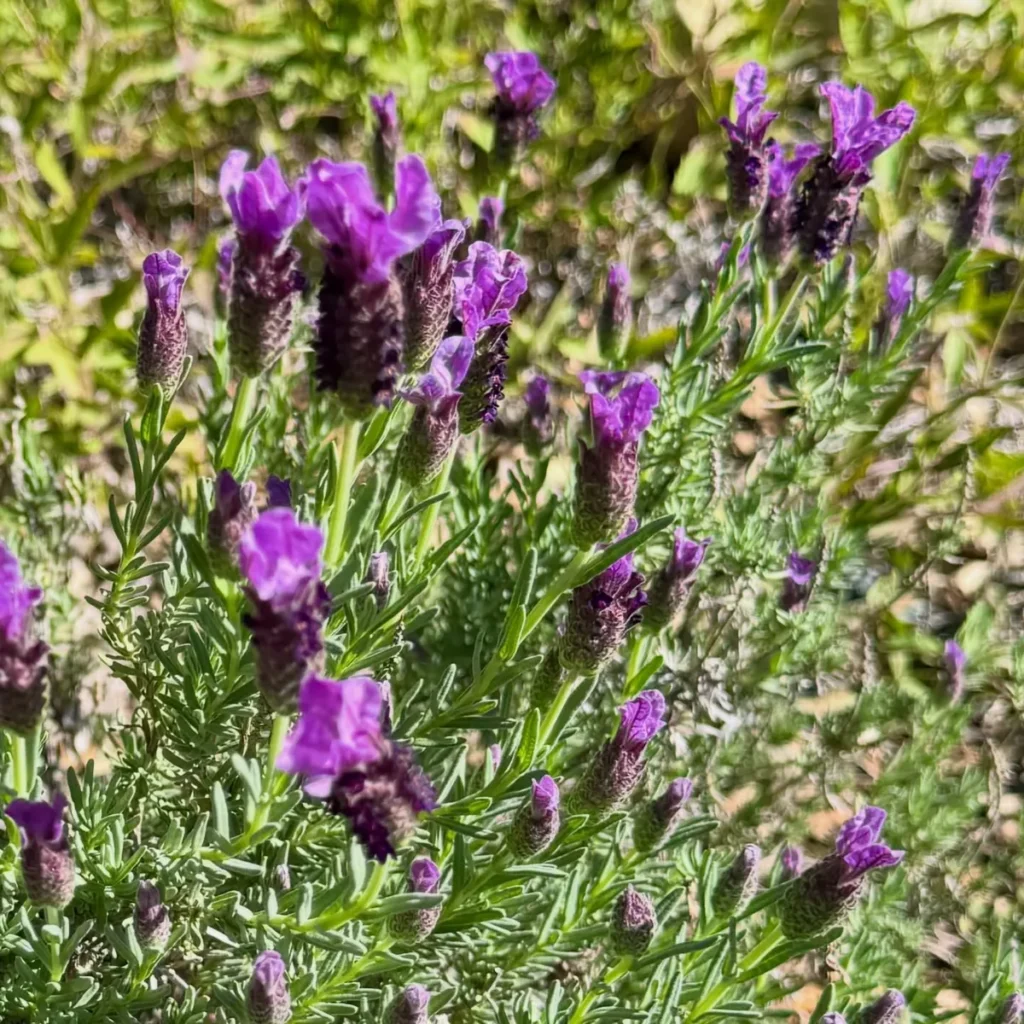
Lavender is the plant I recommend to almost everyone starting a drought-tolerant bed because it does double duty — gorgeous purple blooms and a scent that holds up even after the flowers fade. It genuinely prefers poor, well-draining soil over rich garden dirt.
Pro tip: Resist the urge to amend the soil with compost before planting lavender. Rich, moisture-retentive soil is the most common reason lavender struggles — it actually wants lean, fast-draining conditions.
2. Russian Sage
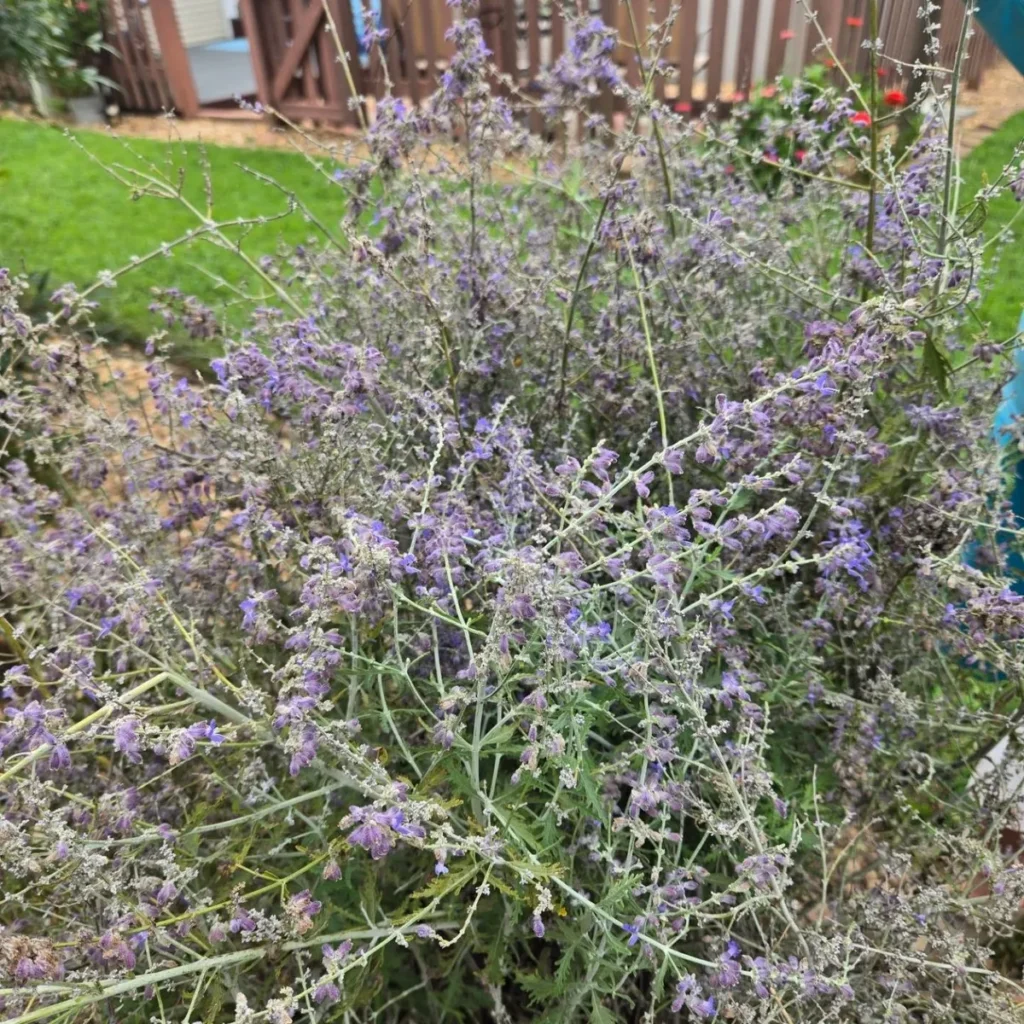
Russian sage brings a tall, airy, silvery-purple presence to a bed and tolerates serious heat and neglect once established, making it a strong backdrop plant for a full-sun layout.
3. Sedum (Stonecrop)
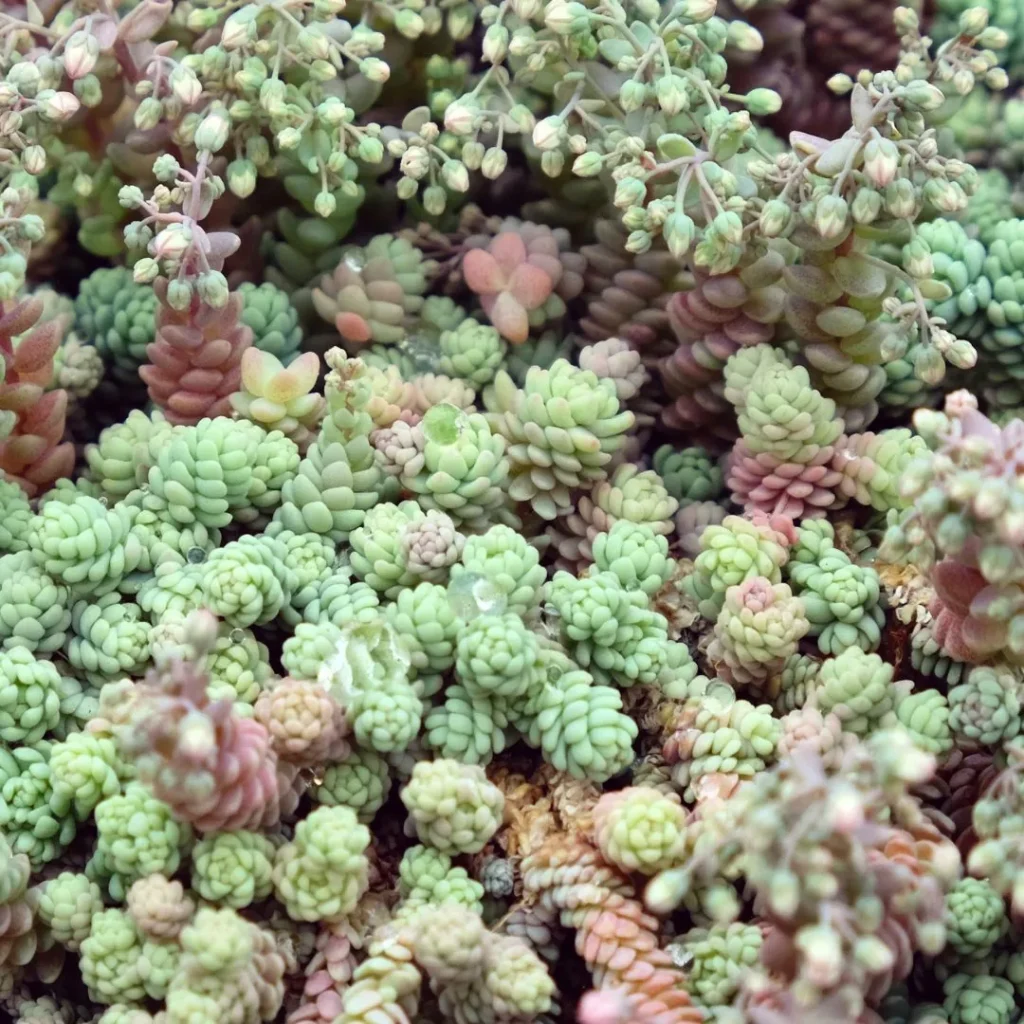
Sedum stores water in its thick, fleshy leaves, which is exactly why it survives extended dry spells without complaint. Varieties range from low groundcover types to taller upright clumps that bloom in late summer.
4. Yarrow
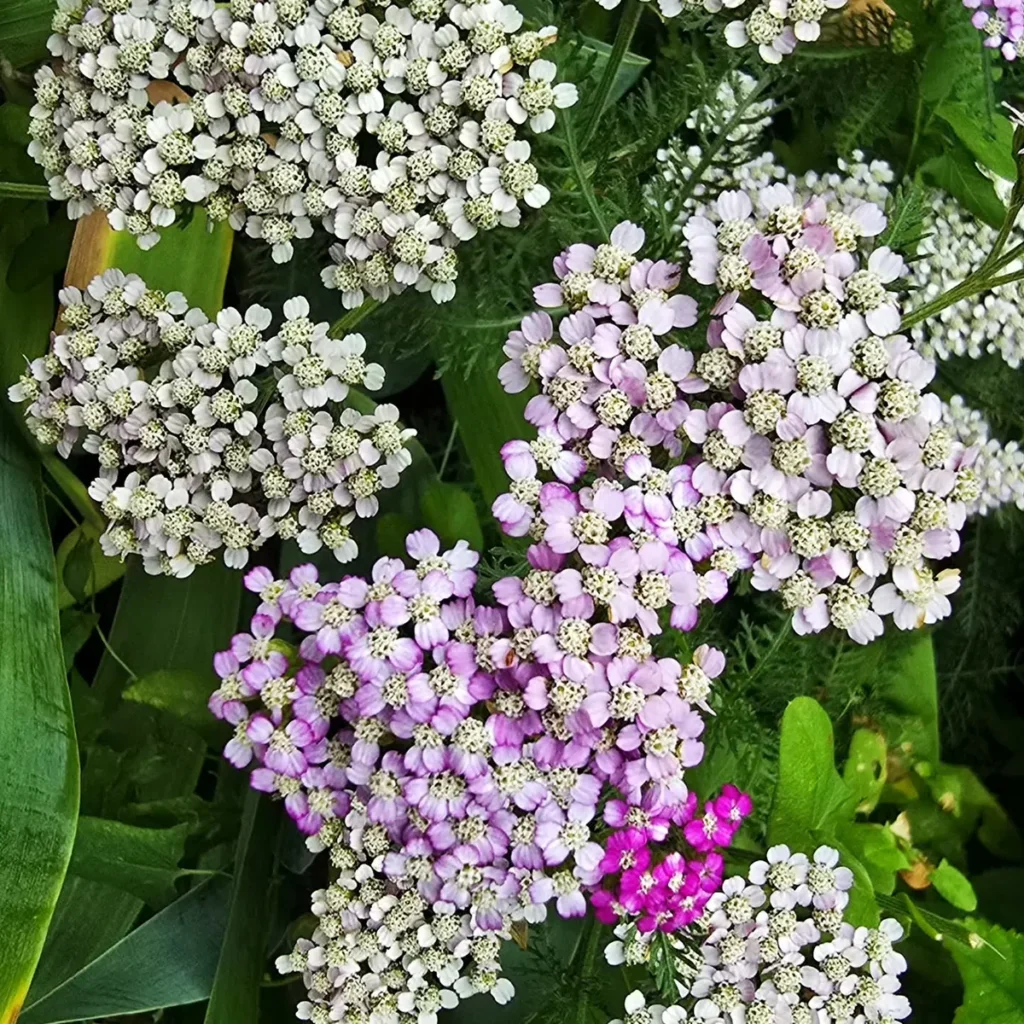
Yarrow’s flat-topped flower clusters come in a wide range of colors and attract pollinators heavily, all while tolerating poor soil and minimal watering once roots are established.
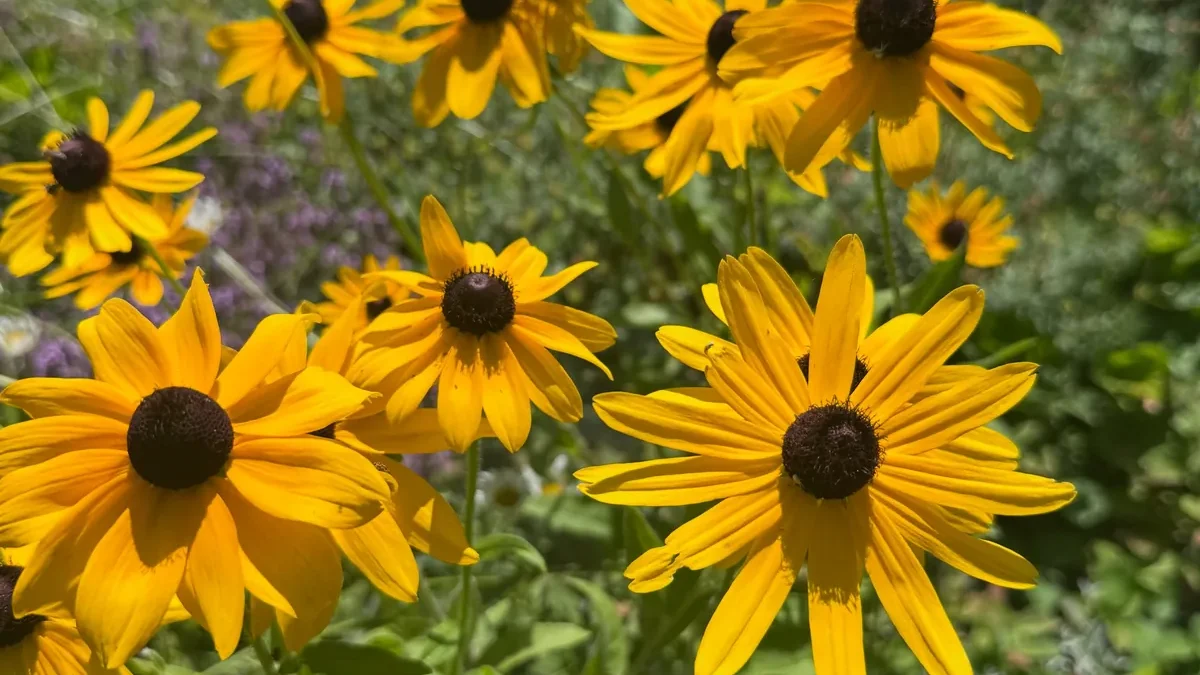
5. Black-Eyed Susan
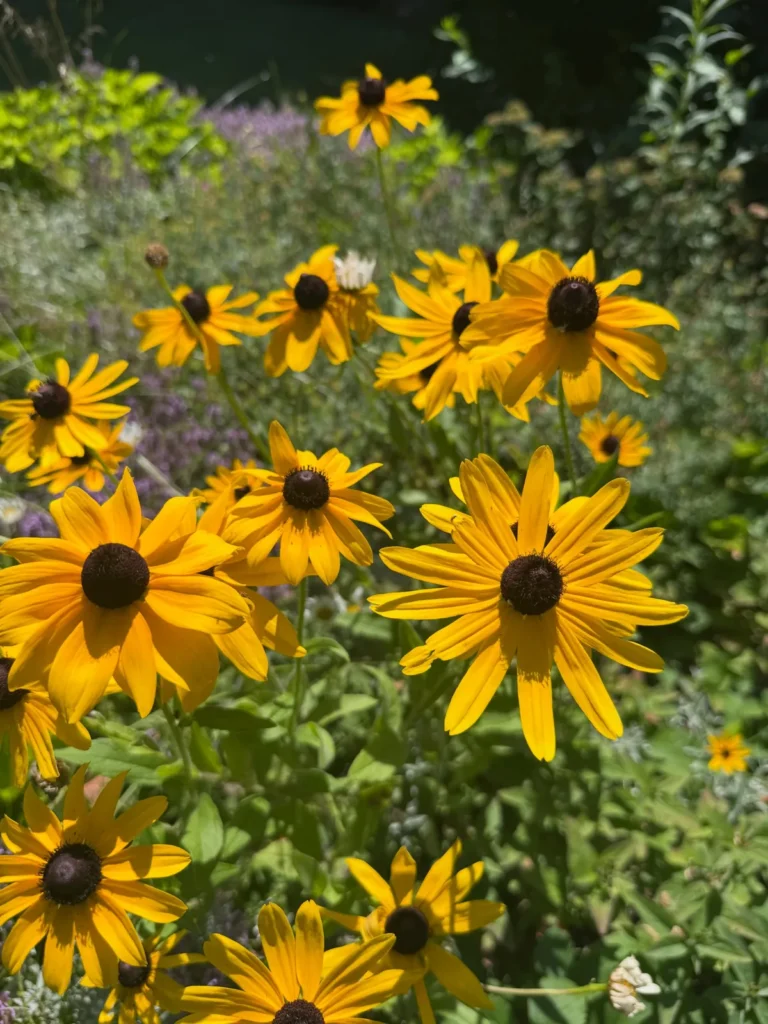
Black-eyed Susans handle full sun and dry spells with ease and bloom reliably from midsummer into fall, making them one of the most dependable long-bloomers for this kind of bed.
| Plant | Mature Height | Bloom Season |
|---|---|---|
| Lavender | 1-3 ft | Late spring-summer |
| Russian Sage | 3-4 ft | Summer-fall |
| Sedum | Varies (6 in-2 ft) | Late summer-fall |
| Black-Eyed Susan | 2-3 ft | Midsummer-fall |
| Yucca | 2-4 ft (plus bloom spike) | Summer |
6. Yucca
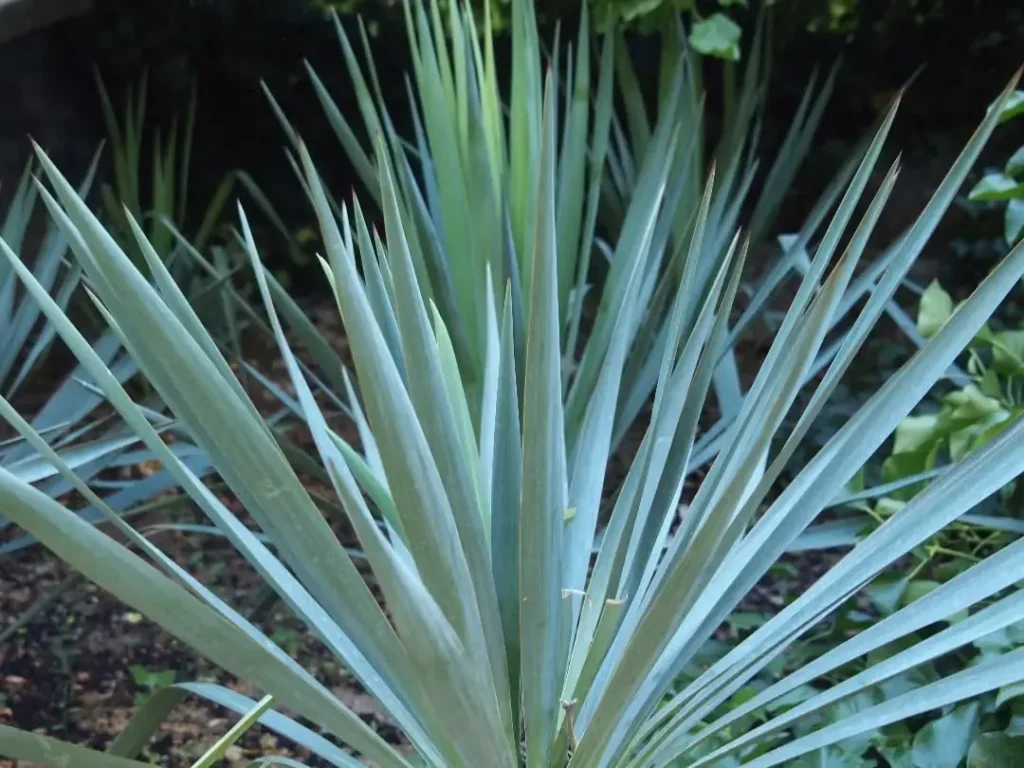
Yucca’s bold, architectural form adds structure to a bed year-round, and its deep taproot means it can access moisture far below the dry surface soil most plants are limited to.
7. Coneflower (Echinacea)
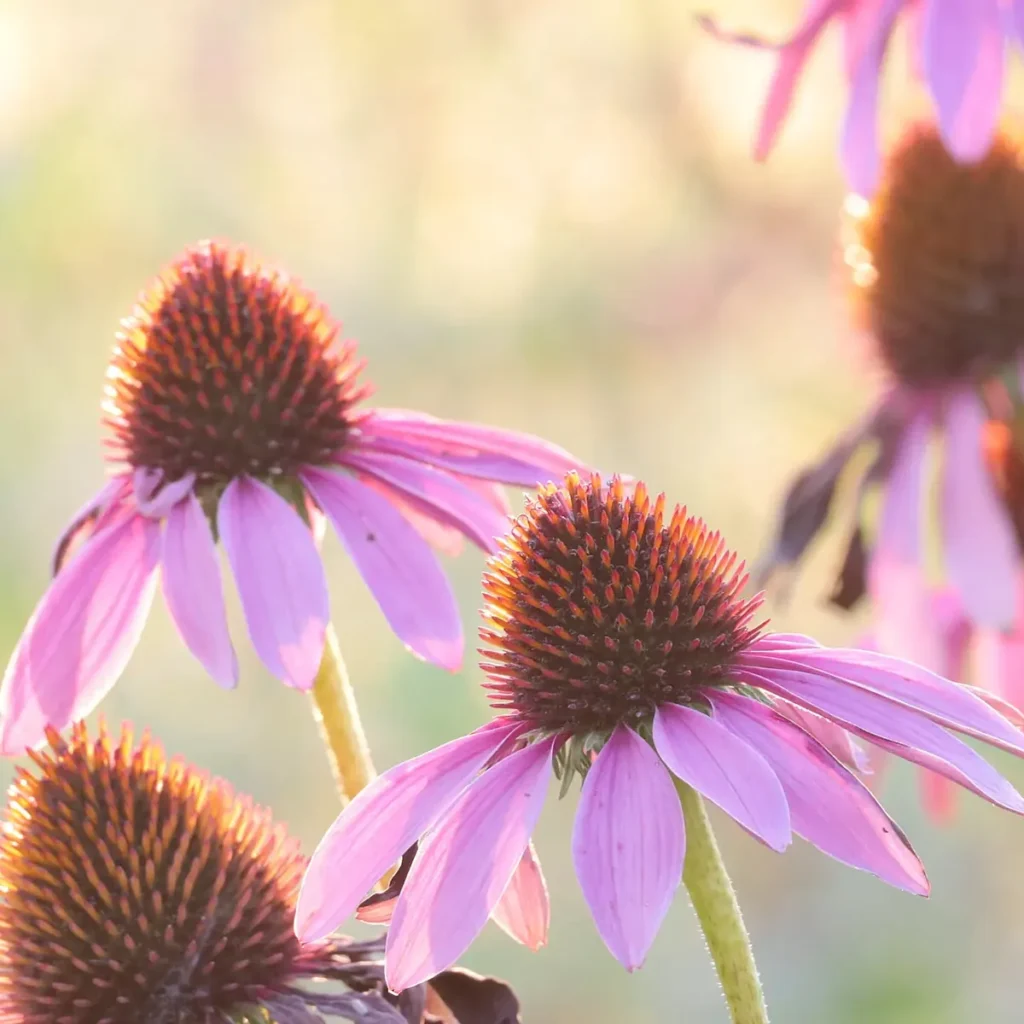
Coneflowers handle heat and drought well once established and their seed heads provide winter interest and food for birds if left standing instead of cut back in fall.
8. Ornamental Grasses (Little Bluestem, Blue Fescue)
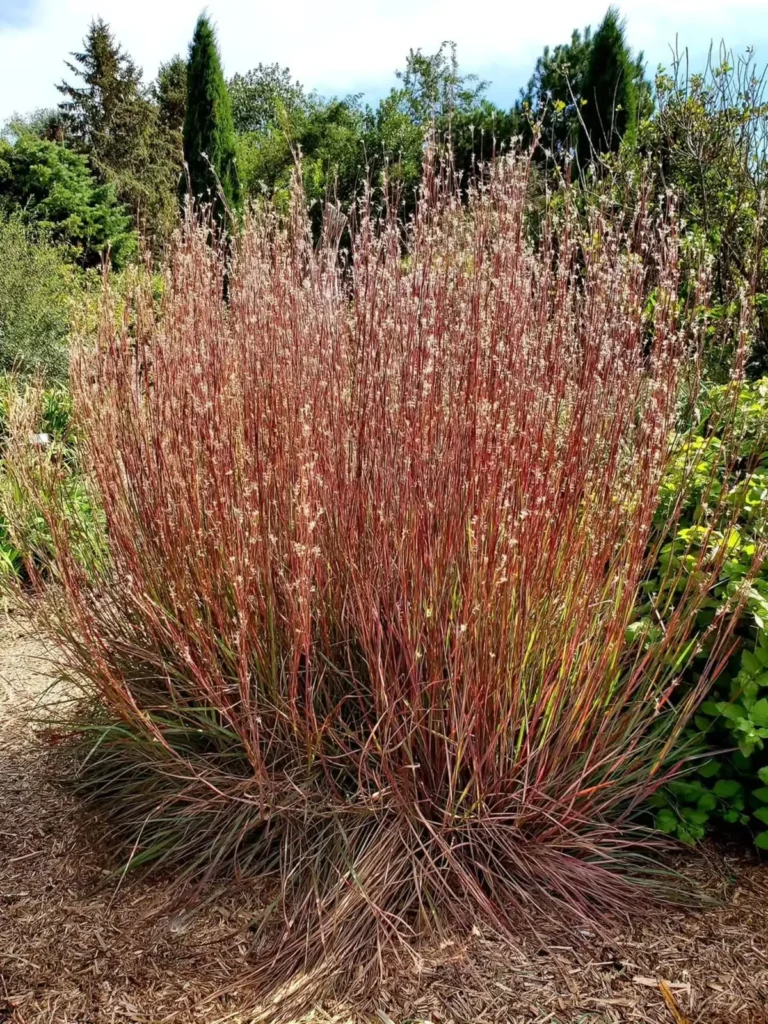
Ornamental grasses add movement and texture, and many native varieties like little bluestem are specifically adapted to tolerate both intense sun and extended dry periods.
9. Gaillardia (Blanket Flower)
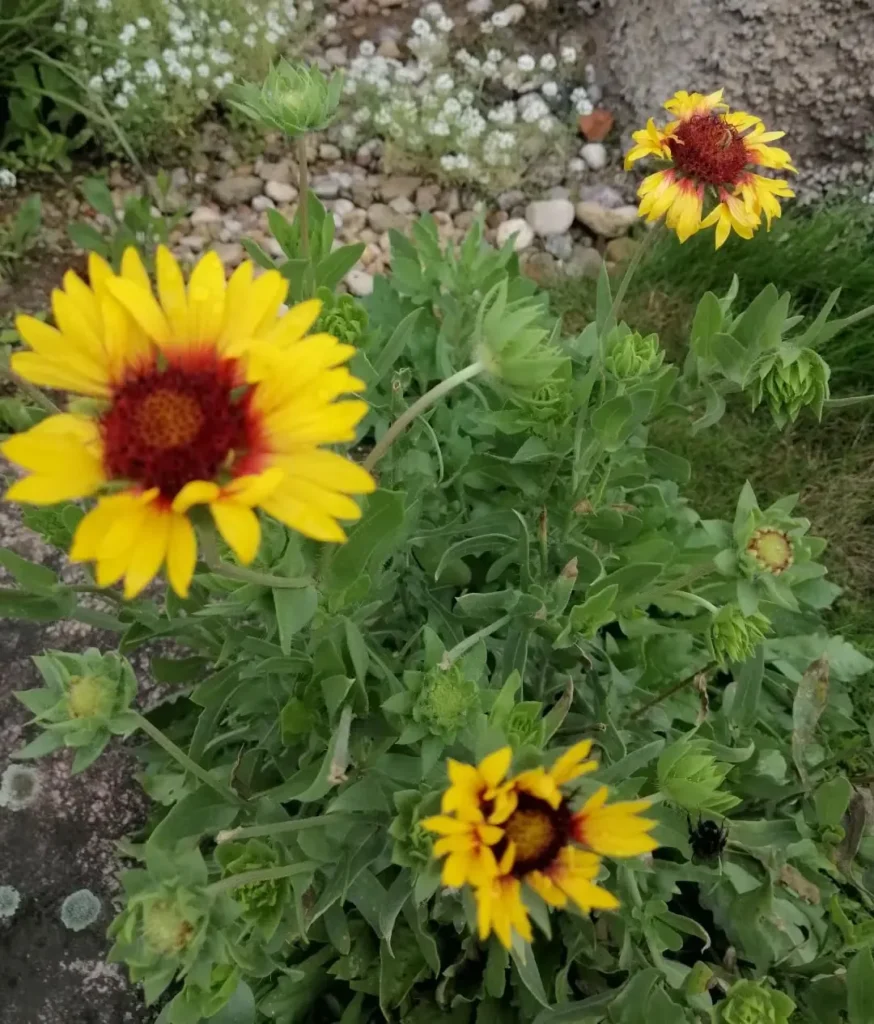
Gaillardia’s warm red-and-yellow blooms thrive in hot, sunny, dry conditions and will often reseed themselves, filling in gaps in the bed over time with no extra effort.
10. Agave
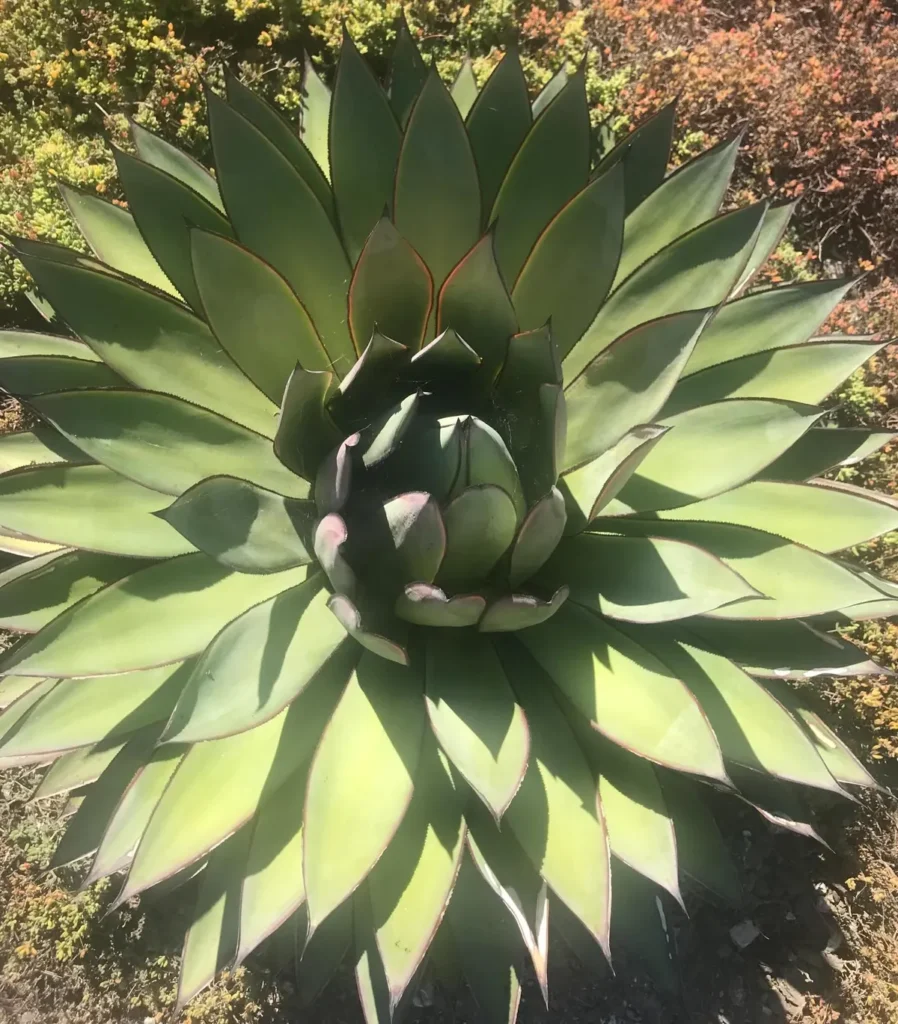
Agave is about as drought-tolerant as plants get, storing significant water in its thick leaves and requiring almost no supplemental watering once settled into well-draining soil.
11. Catmint (Nepeta)
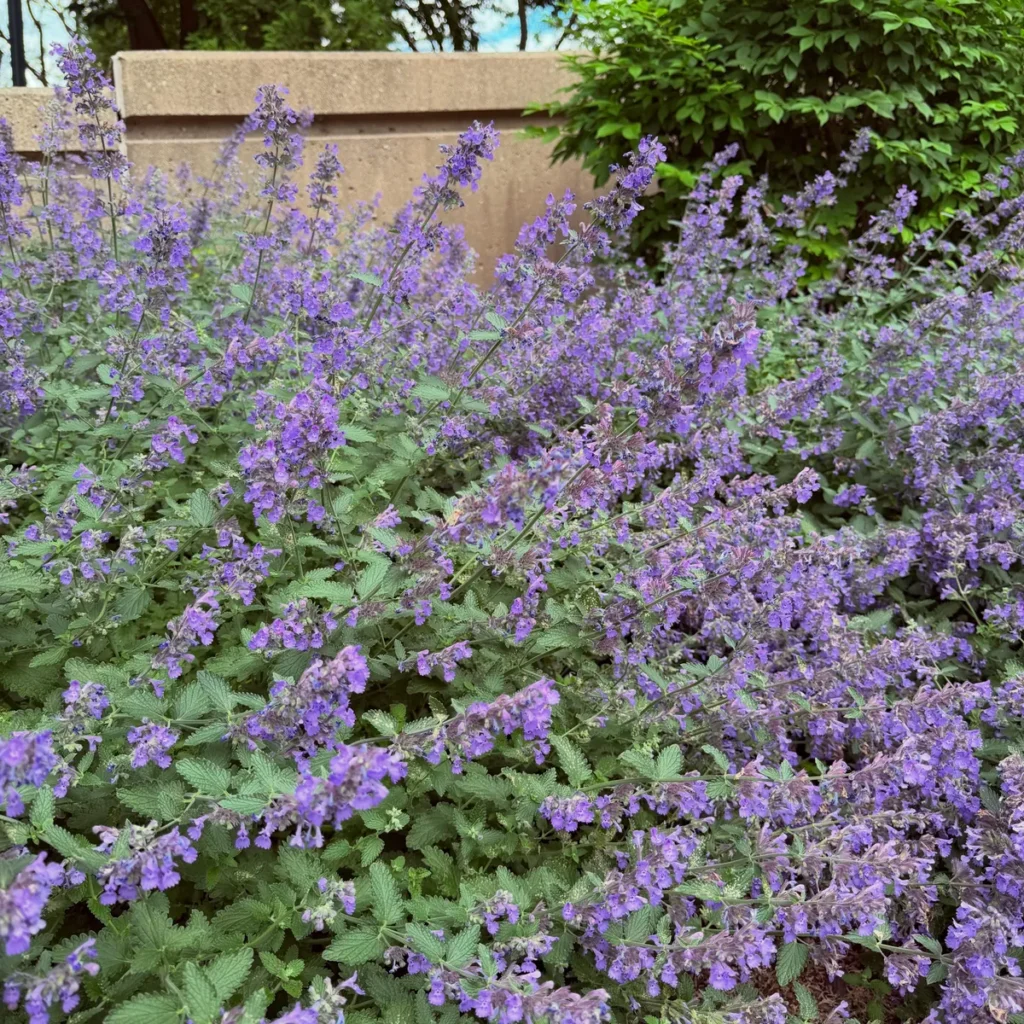
Catmint produces a long bloom season of soft purple flowers and handles neglect remarkably well, often blooming again if cut back partway through summer.
12. Sedum ‘Autumn Joy’
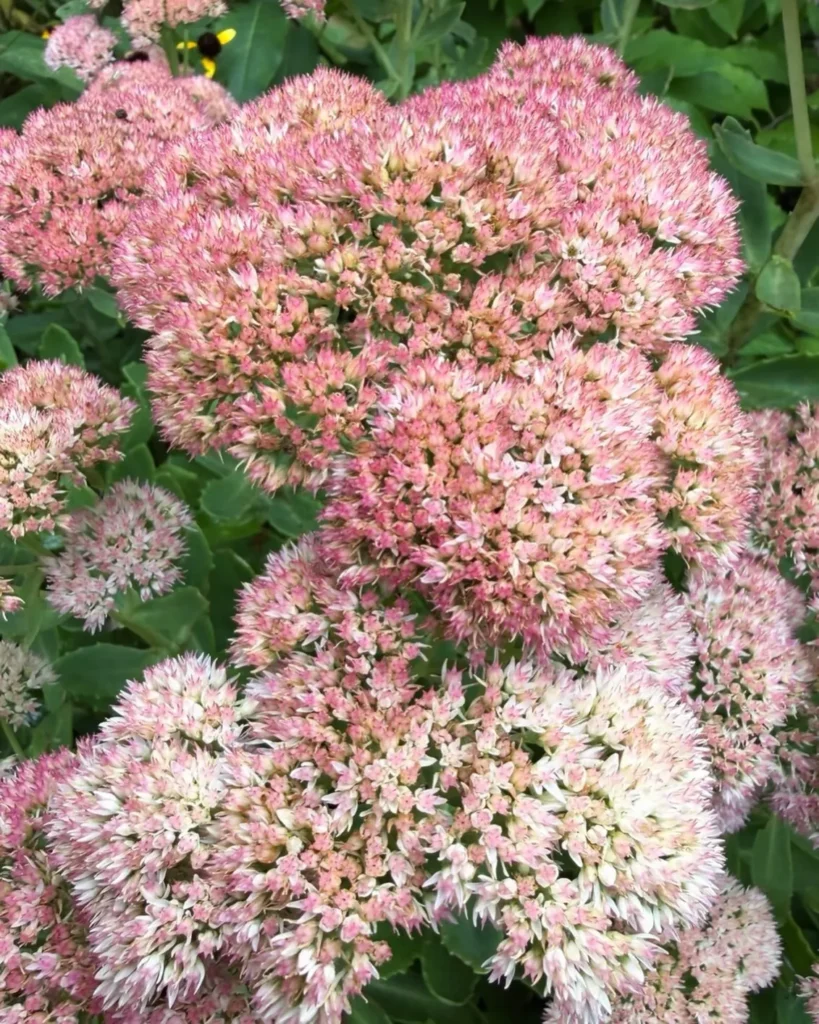
This specific sedum variety is worth calling out separately because its late-season rusty pink blooms provide color exactly when a lot of other drought-tolerant plants are winding down.
13. Red Hot Poker (Kniphofia)
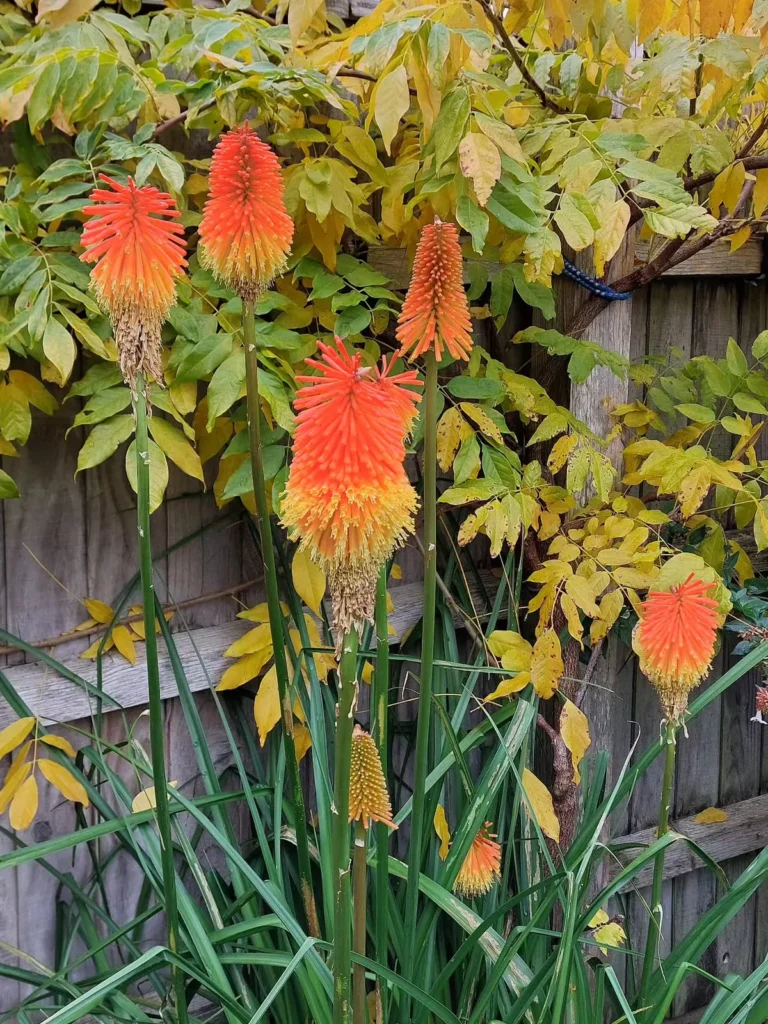
Red hot poker’s dramatic torch-shaped blooms handle full sun and dry soil while adding a bold vertical element and attracting hummingbirds.
14. Butterfly Weed (Asclepias tuberosa)
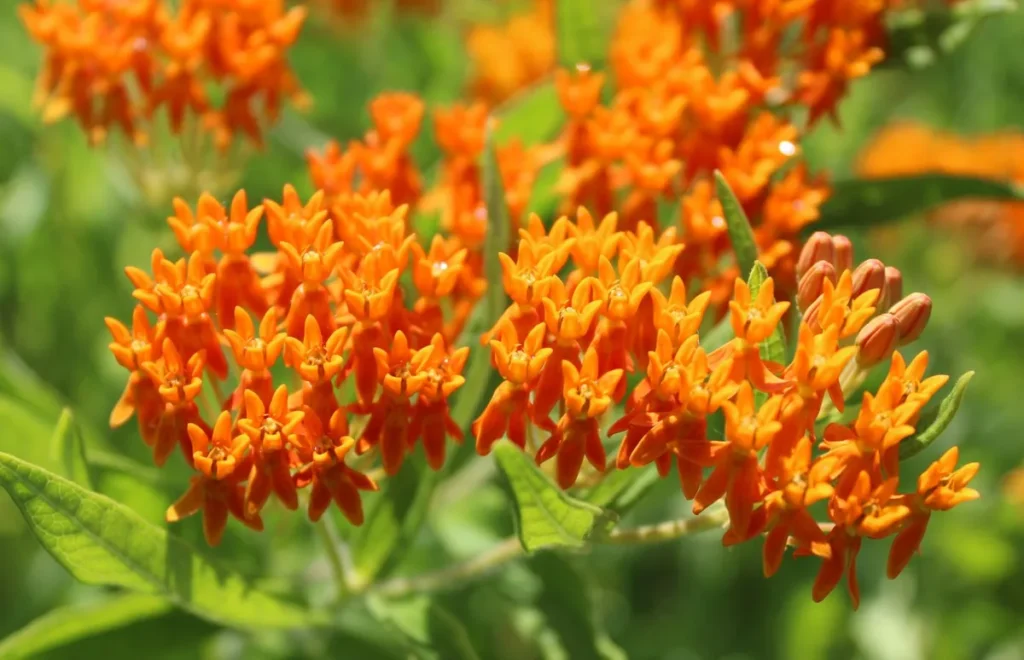
As a type of milkweed, butterfly weed supports monarch caterpillars while tolerating poor, dry soil and intense sun — a genuinely functional choice for a pollinator-focused bed.
15. Sea Holly (Eryngium)
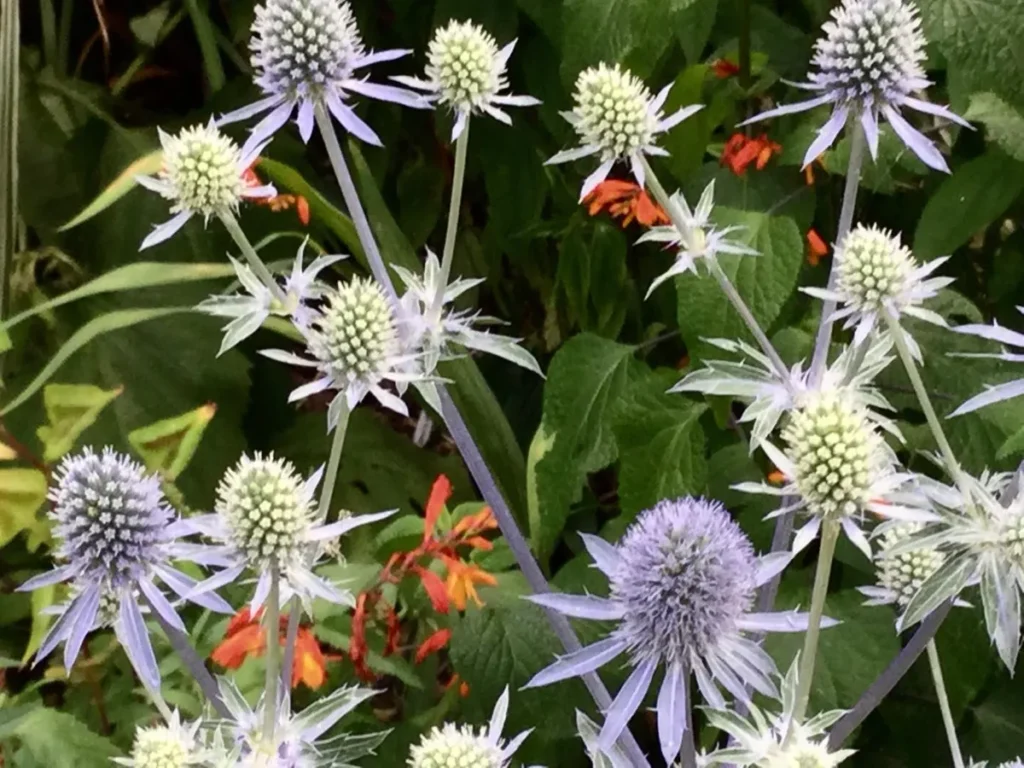
Sea holly’s spiky, metallic-blue blooms are unlike almost anything else in a typical garden and thrive in sandy, dry, sun-baked conditions that would stress out most other perennials.
16. Lamb’s Ear (Stachys byzantina)
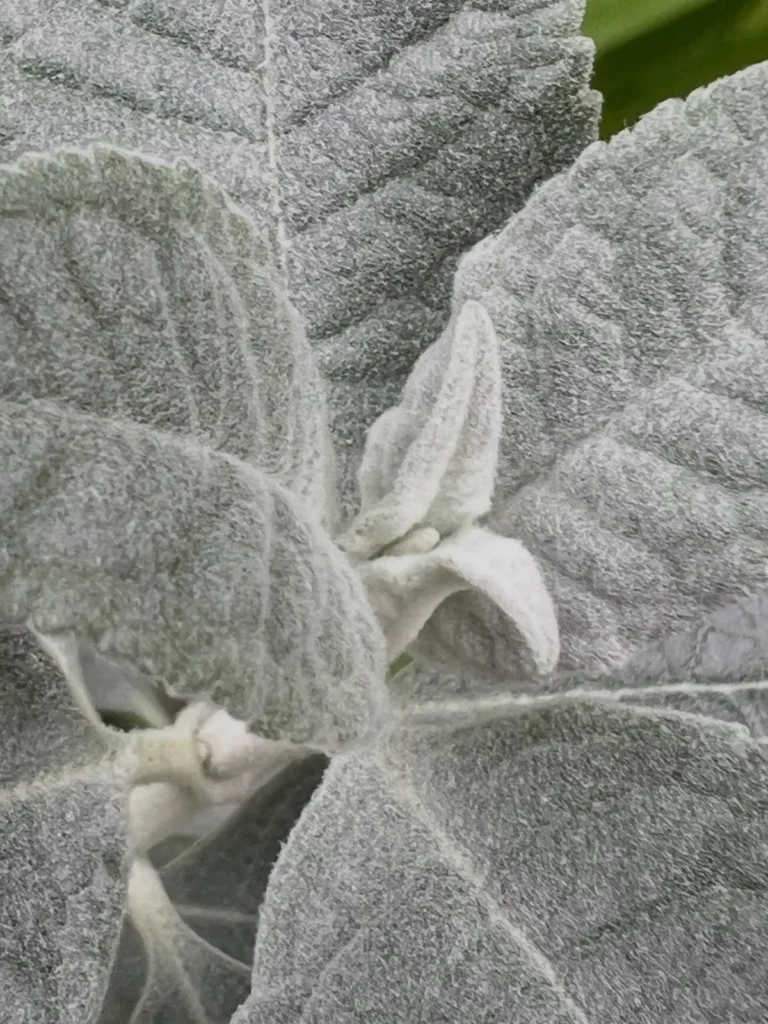
Lamb’s ear’s soft, silvery, fuzzy foliage tolerates drought exceptionally well and provides a textural contrast to the more upright plants around it.
17. California Poppy
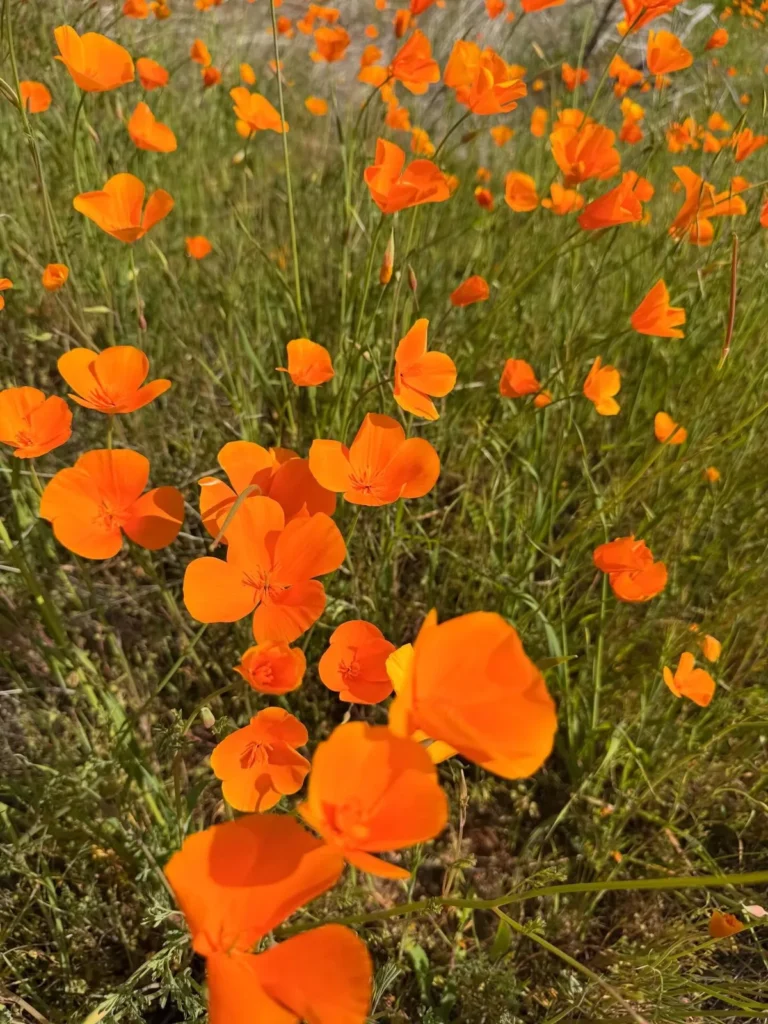
California poppies reseed readily and handle poor, dry soil with ease, producing bright orange or yellow blooms that open fully in direct sun.
18. Threadleaf Coreopsis
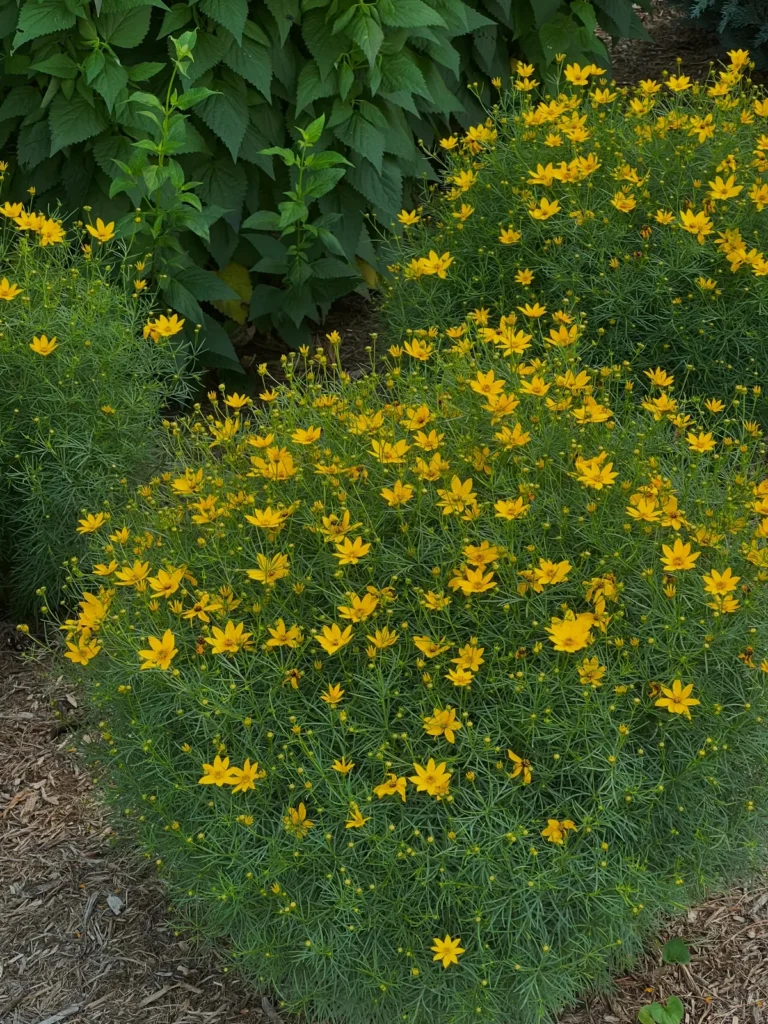
Coreopsis’s fine, feathery foliage and bright yellow blooms hold up through heat and drought and bloom for an extended stretch of the summer.
19. Agastache (Hummingbird Mint)
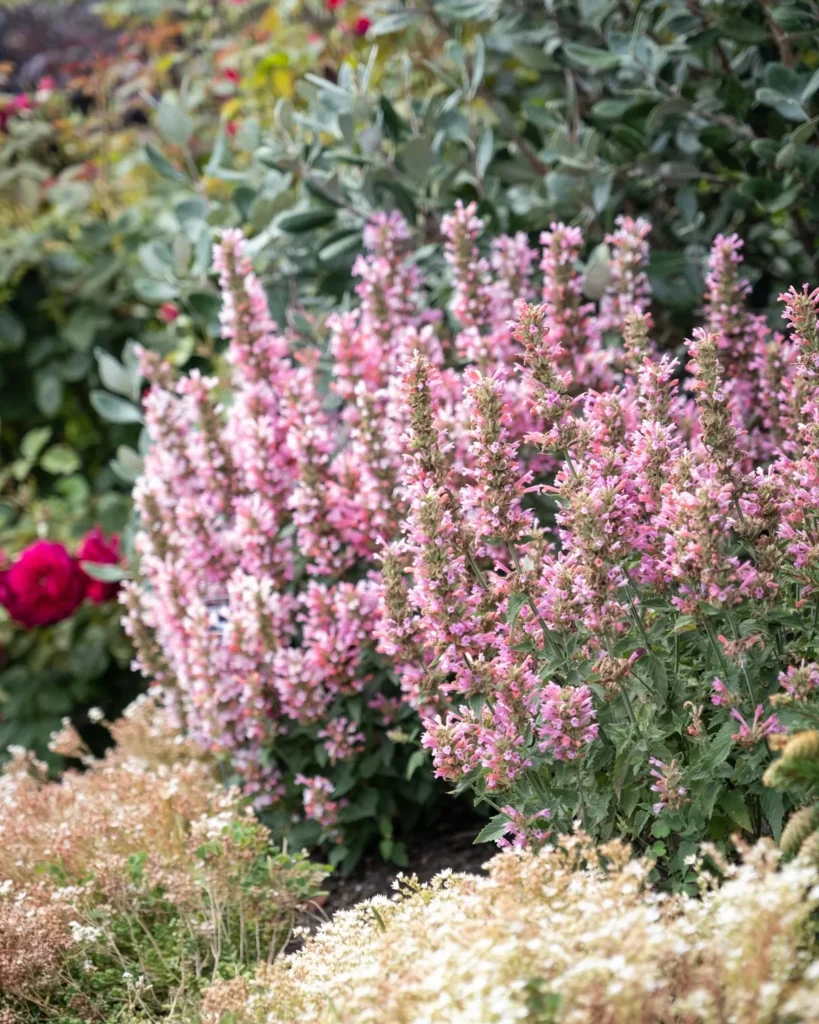
Agastache tolerates heat and dry conditions while producing fragrant spikes of flowers that hummingbirds and bees both seek out reliably.
20. Ice Plant (Delosperma)
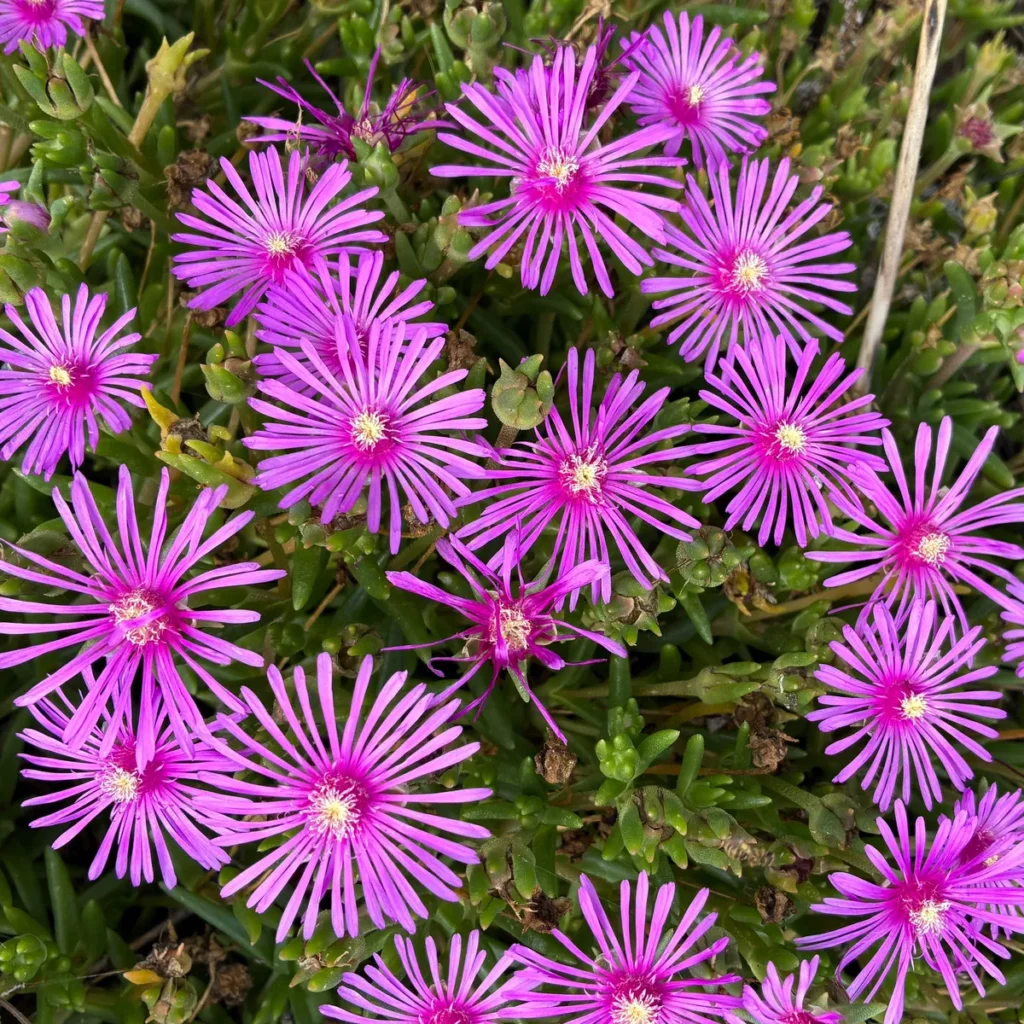
Ice plant spreads as a low groundcover with vivid, almost neon blooms and tolerates some of the hottest, driest, most neglected conditions a bed can offer.
21. Globe Thistle (Echinops)
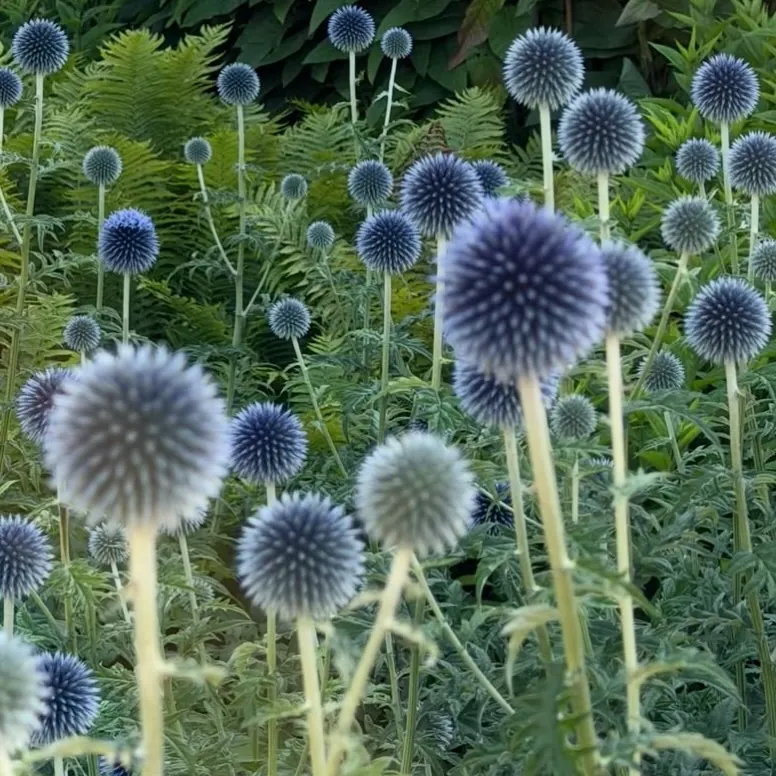
Globe thistle’s spherical blue blooms add an unusual architectural shape and handle dry, sunny conditions with minimal care once established.
22. Verbena bonariensis
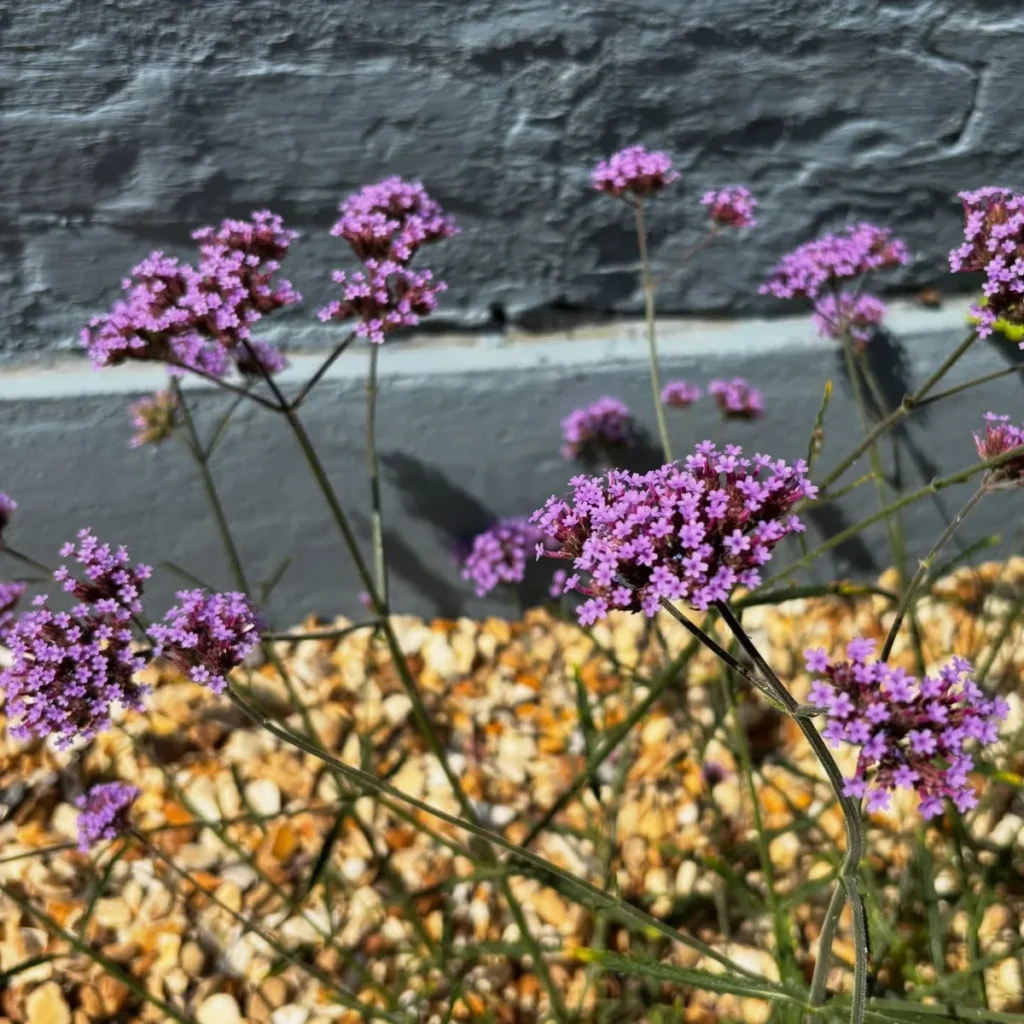
This tall, airy verbena variety handles drought well and gives a see-through quality to a bed, letting you plant it toward the front without blocking the view of what’s behind it.
23. Penstemon
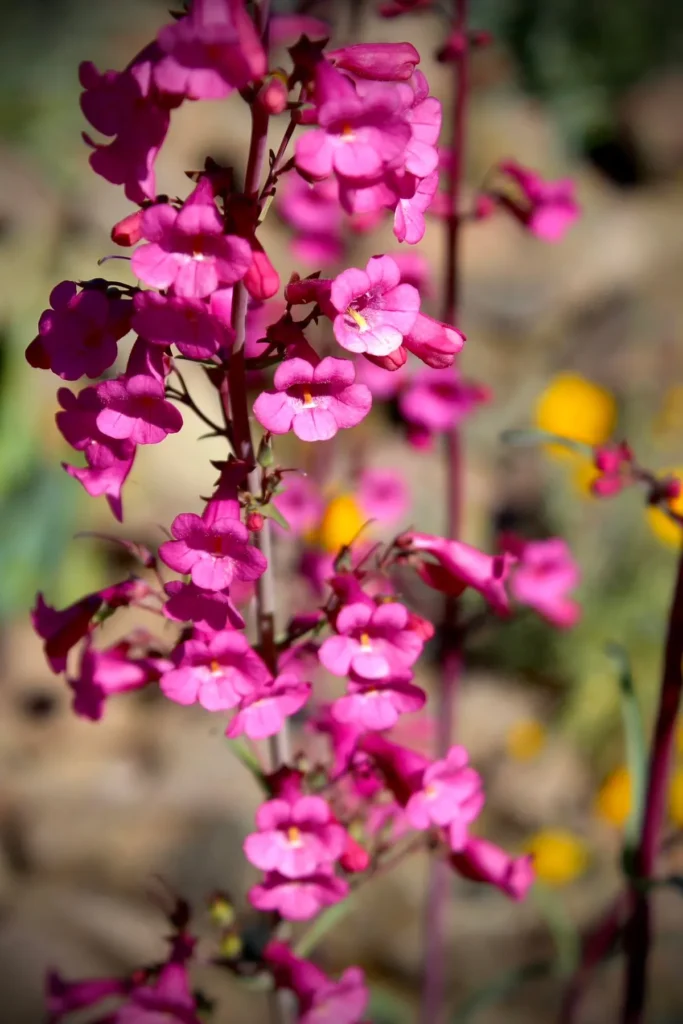
Penstemon’s tubular flowers attract hummingbirds while tolerating poor, rocky, dry soil better than most traditional garden perennials.
24. Salvia (Perennial Varieties)
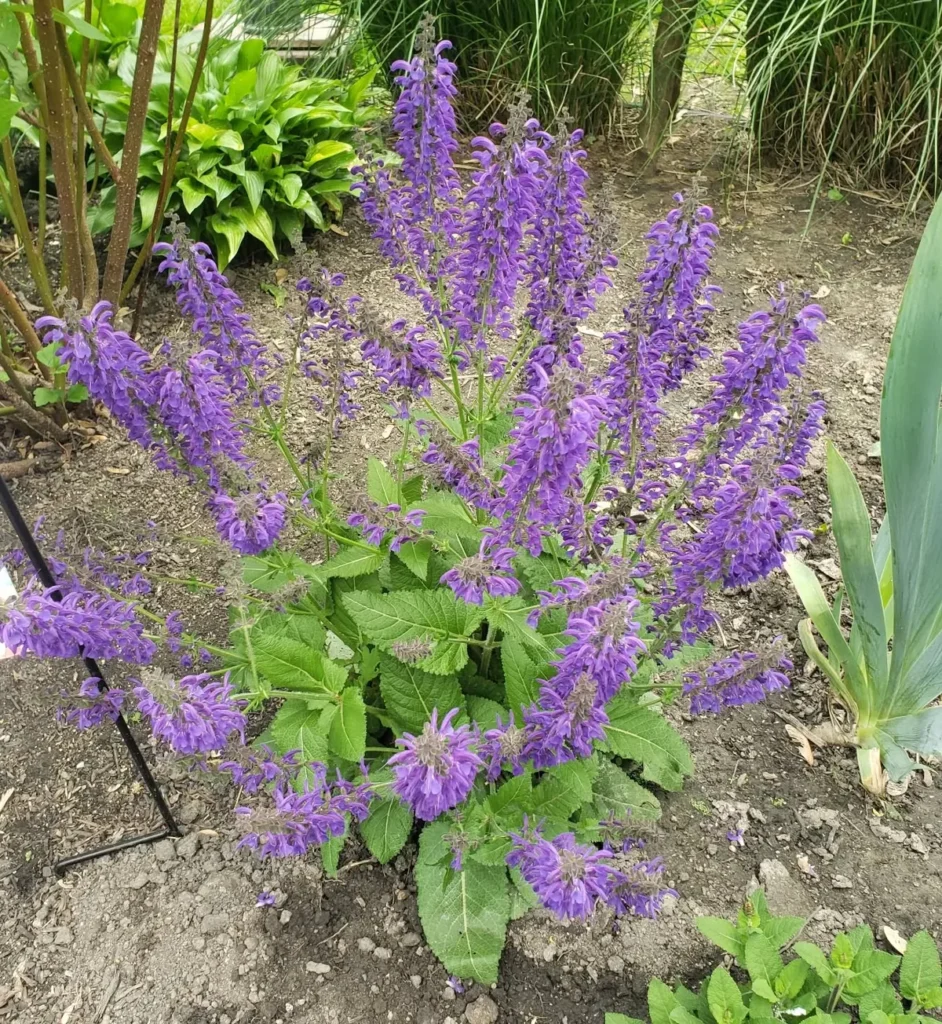
Perennial salvia varieties handle heat and drought well and often rebloom if deadheaded, giving you extended color from a single plant across the season.
25. Santolina (Lavender Cotton)
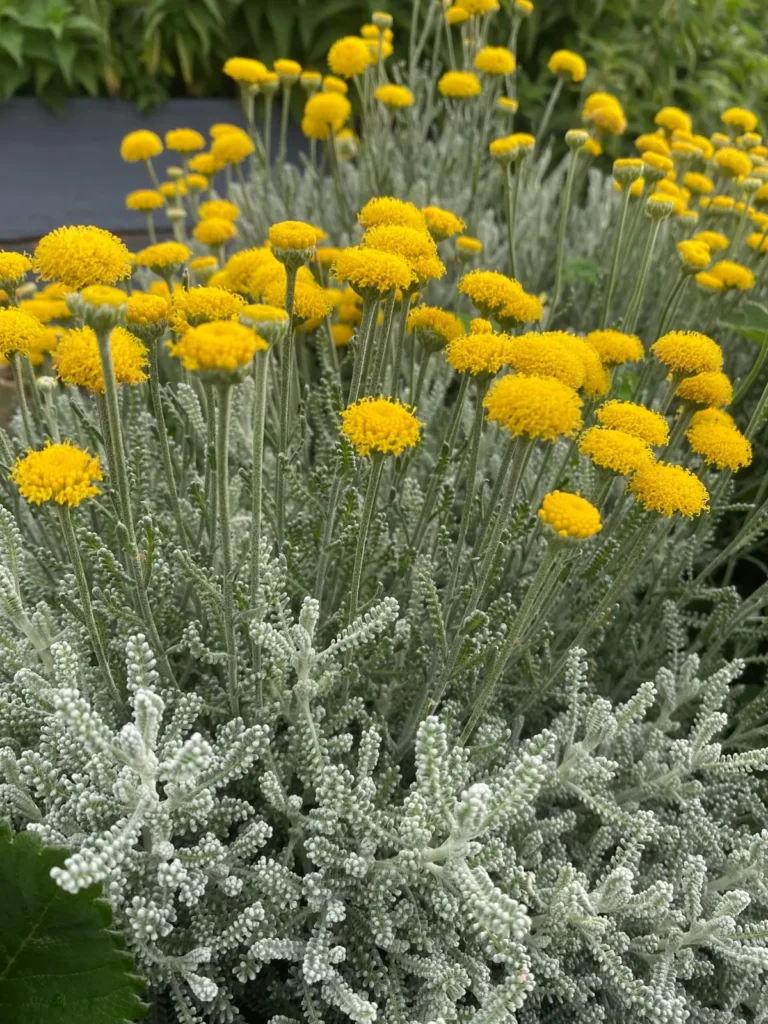
Santolina’s silvery, textured foliage holds up in intense heat and dry soil and works especially well as a low, mounding edge plant along a bed’s border.
26. Blue Fescue Grass
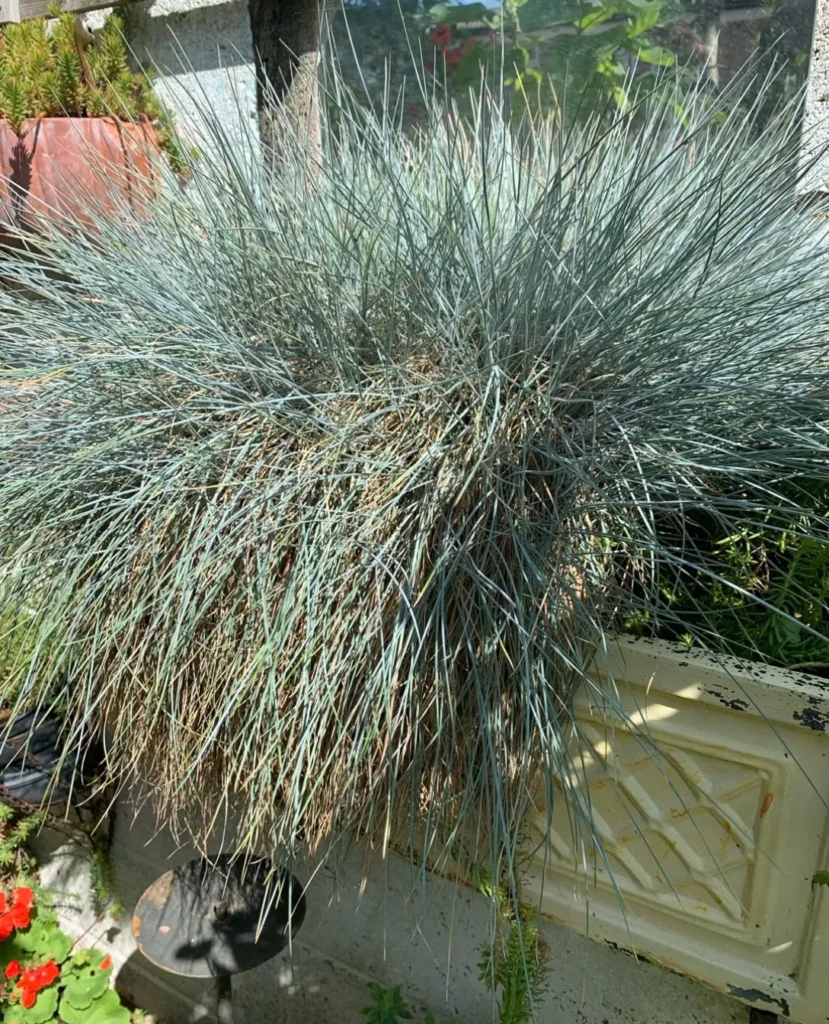
This compact ornamental grass brings a striking blue-silver color and tight, mounding form, tolerating both intense sun and significant dry spells.
27. Zinnia
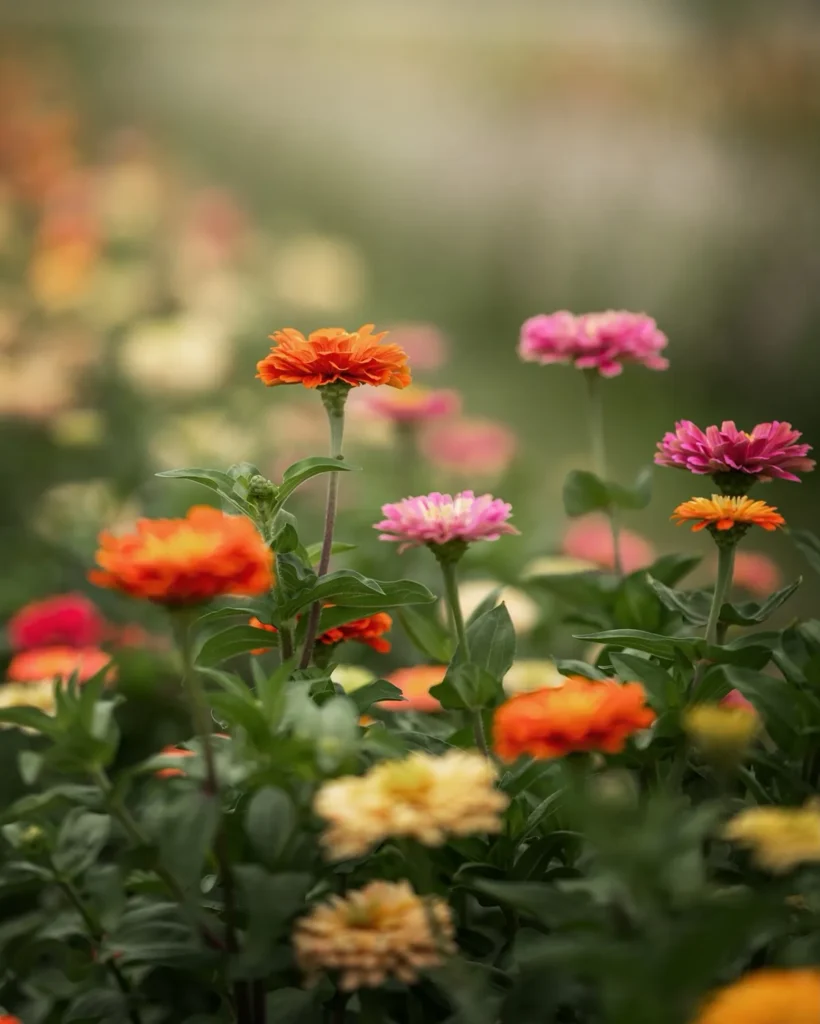
While technically an annual rather than a perennial, zinnias handle heat and dry soil better than most flowering annuals and provide nonstop color through summer and into fall.
28. Coreopsis verticillata ‘Moonbeam’
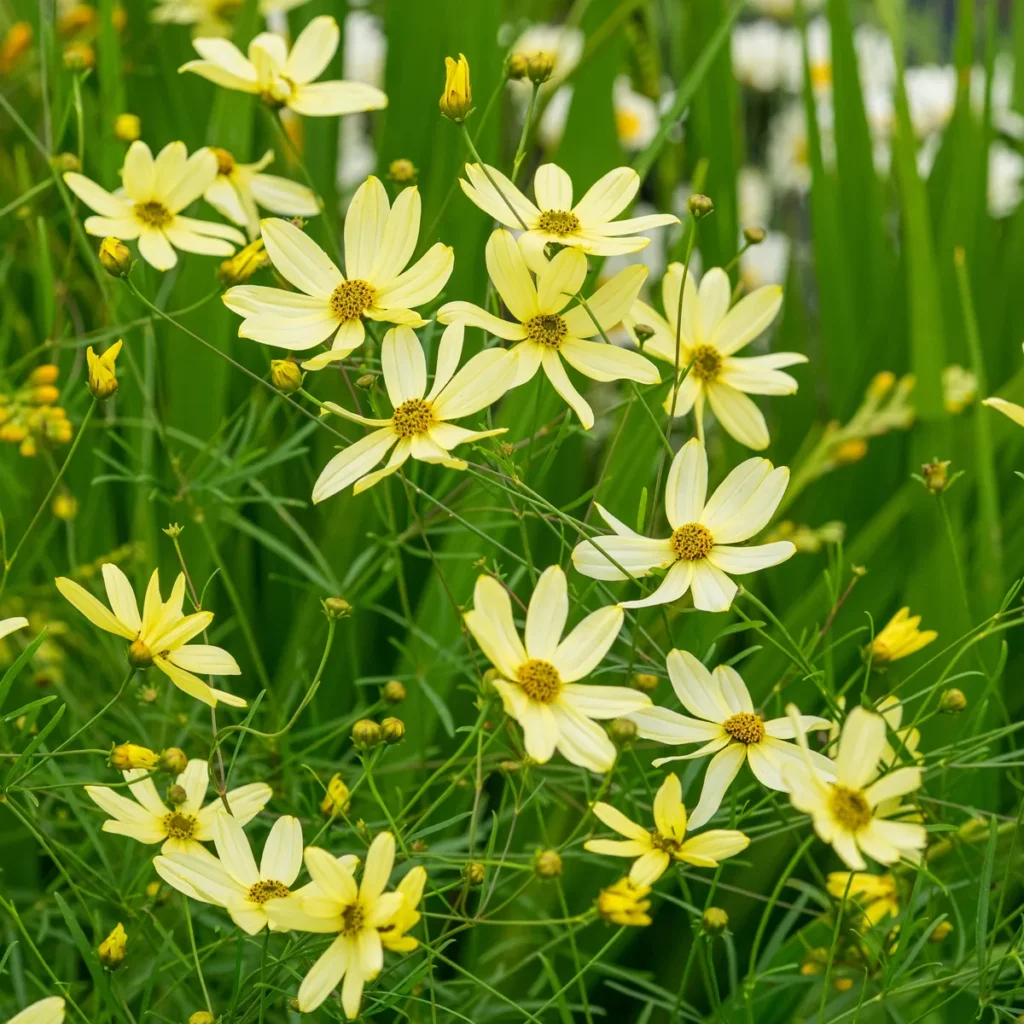
This specific pale-yellow coreopsis variety is worth singling out for its long bloom window and fine, almost fern-like foliage that adds texture without bulk.
29. Prickly Pear Cactus
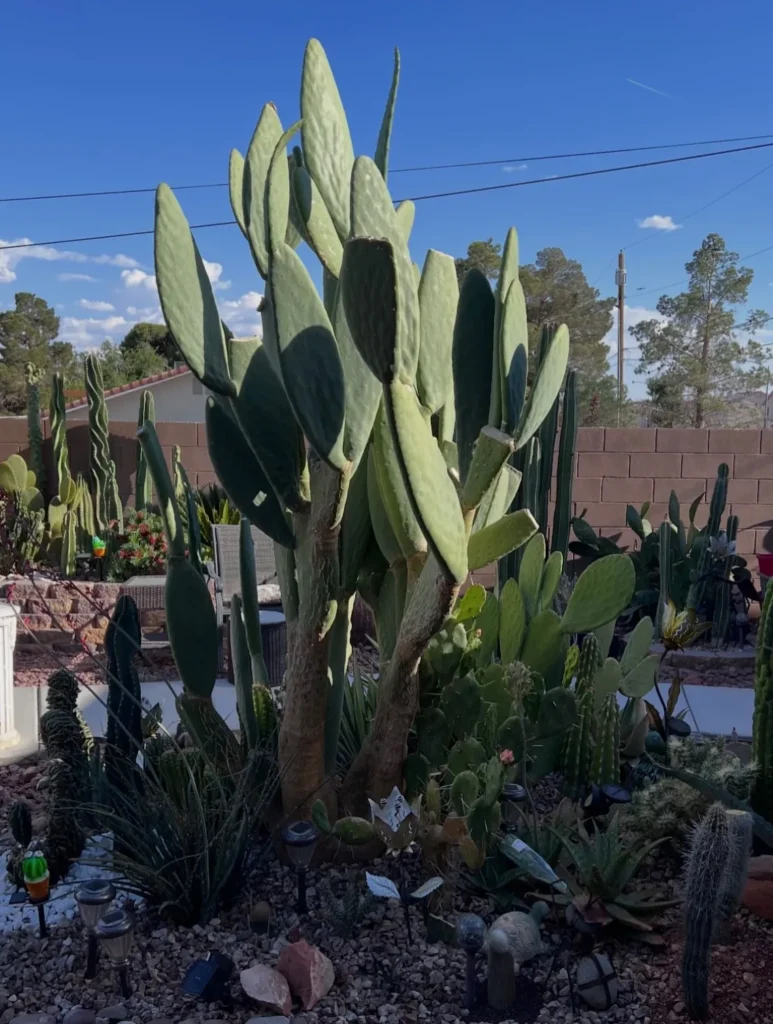
For truly extreme, rocky, sun-blasted spots, prickly pear cactus is cold-hardier than most people expect in many regions and requires essentially no supplemental water once established.
FAQs
How long does it take a drought-tolerant plant to actually become drought tolerant?
Most need regular watering for the first full growing season while their root systems establish. After that first year, you can typically taper off to occasional deep watering during extended dry spells.
Do drought-tolerant plants need any water at all once established?
Yes, especially during the hottest, driest stretches of summer or in a brand-new planting’s first year — but far less frequently and in smaller amounts than typical garden perennials.
What’s the biggest mistake people make with drought-tolerant plants?
Overwatering, or amending the soil with too much compost and organic matter. Most of these plants actually prefer lean, fast-draining soil, and rich, moisture-retentive conditions can lead to root rot rather than better growth.
If I had to rebuild that cursed front bed from scratch today, I’d start with Russian sage and sedum as the backbone and fill in with yarrow and black-eyed Susan for color — it’s the combination that finally turned a spot I used to dread into the one part of my yard I genuinely don’t worry about anymore.

Hi, I’m Ashley Miller, a wife, a busy mom, and someone who loves to share all the things that make life a little more fun and beautiful.
From easy DIY projects, delicious recipes, and chic hairstyles to nail ideas and home decor tips, I share everything I’ve learned and love.
My goal is to inspire other women to explore their creativity and make their homes even more special.