My first flower bed was a disaster by July, and not because anything died — everything grew exactly like it was supposed to, which was the problem.
I’d planted a mix of annuals without thinking about mature height or bloom time, so by midsummer I had one towering cosmos plant hiding everything behind it and three varieties that had already finished blooming while the rest hadn’t started.
My neighbor, who’s been gardening for longer than I’ve been alive, finally sat me down and explained that a flower bed isn’t really about picking pretty flowers — it’s about sequencing and structure, the same way you’d plan a room.
That conversation changed how I think about every bed I’ve planted since.
The layout decisions you make before you ever put a plant in the ground matter more than the plants themselves, because the right layout means something is always blooming and nothing is hiding behind something taller than it.
Here are 33 flower bed design and layout ideas that account for the stuff that actually trips people up — height, bloom timing, sun exposure, and long-term maintenance.
1. Layer by Height, Tallest in the Back or Center
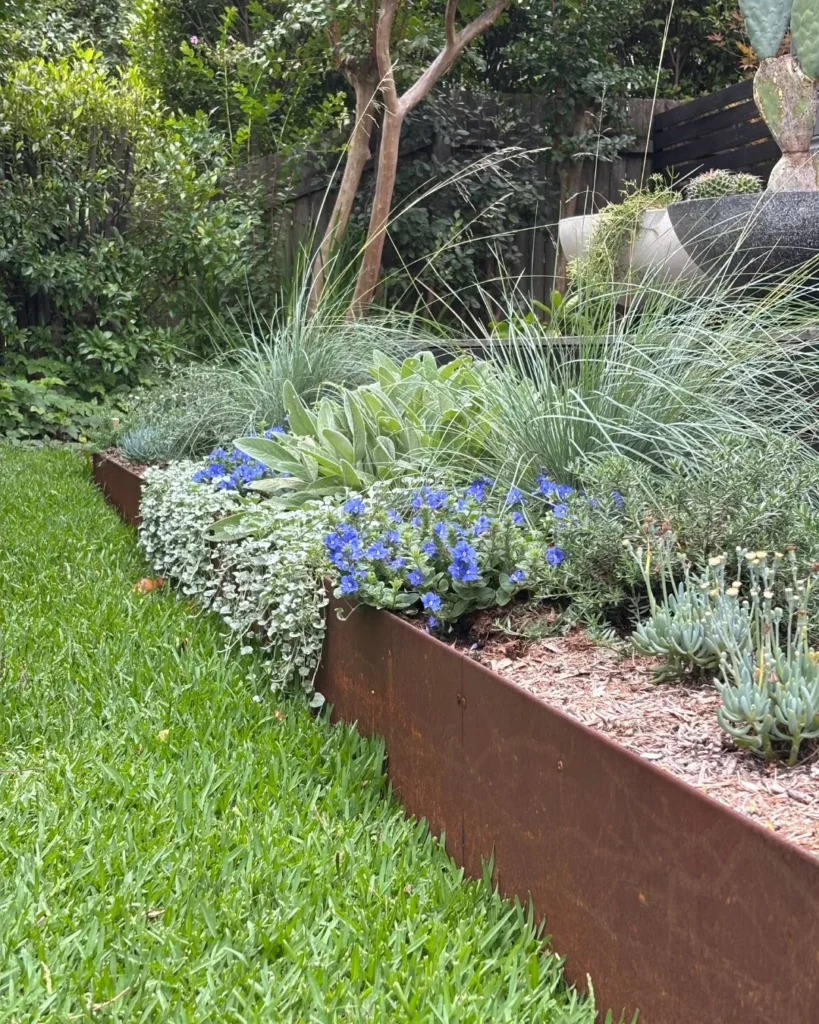
For a bed against a fence or wall, put your tallest plants in the back row and step down in height toward the front. For an island bed viewed from all sides, put the tallest plants in the center and taper down toward the edges in every direction.
Pro tip: Check the mature height on the plant tag, not the height it is at the nursery. A plant that looks short in a 4-inch pot can tower over everything else by August.
2. The Odd-Number Grouping Rule
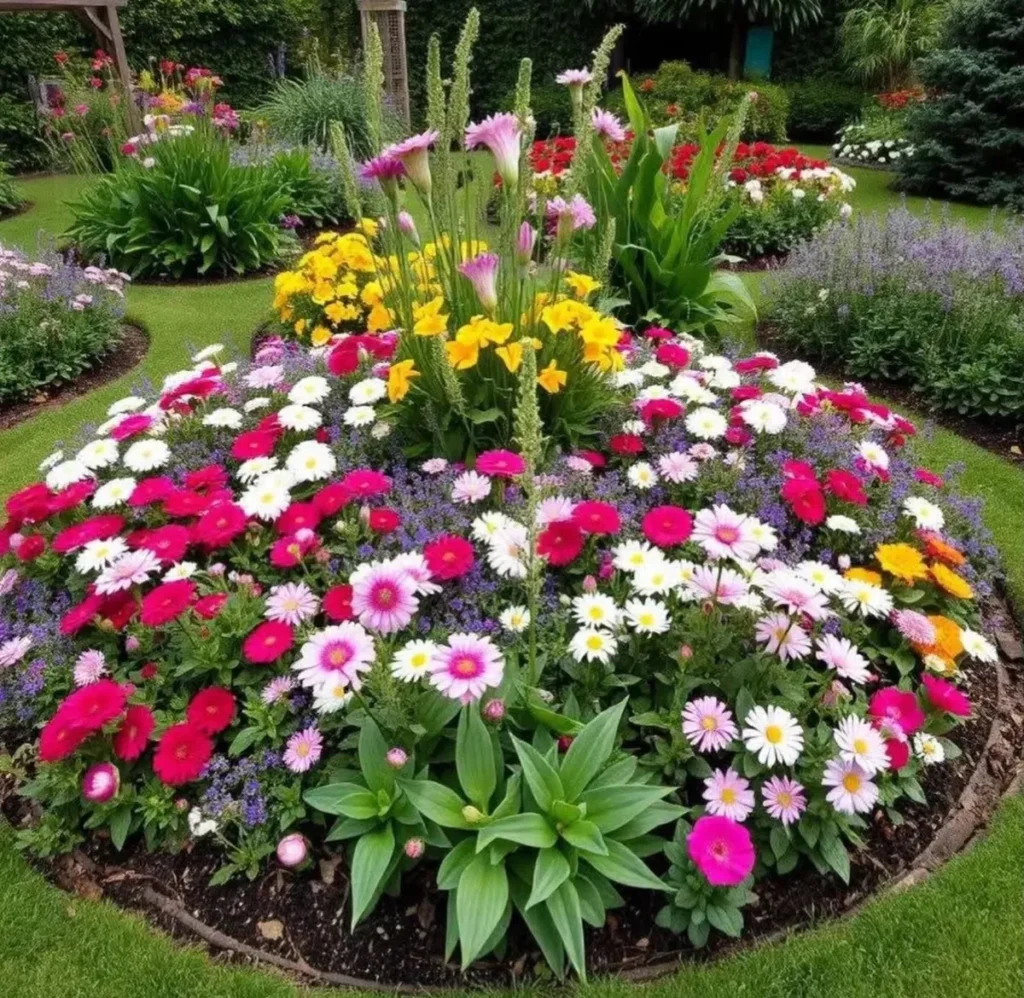
Plant in groups of three, five, or seven of the same variety rather than scattering single plants throughout the bed. Odd numbers read as more natural and create a fuller look faster than single specimens dotted around.
3. A Succession-Blooming Layout for Continuous Color
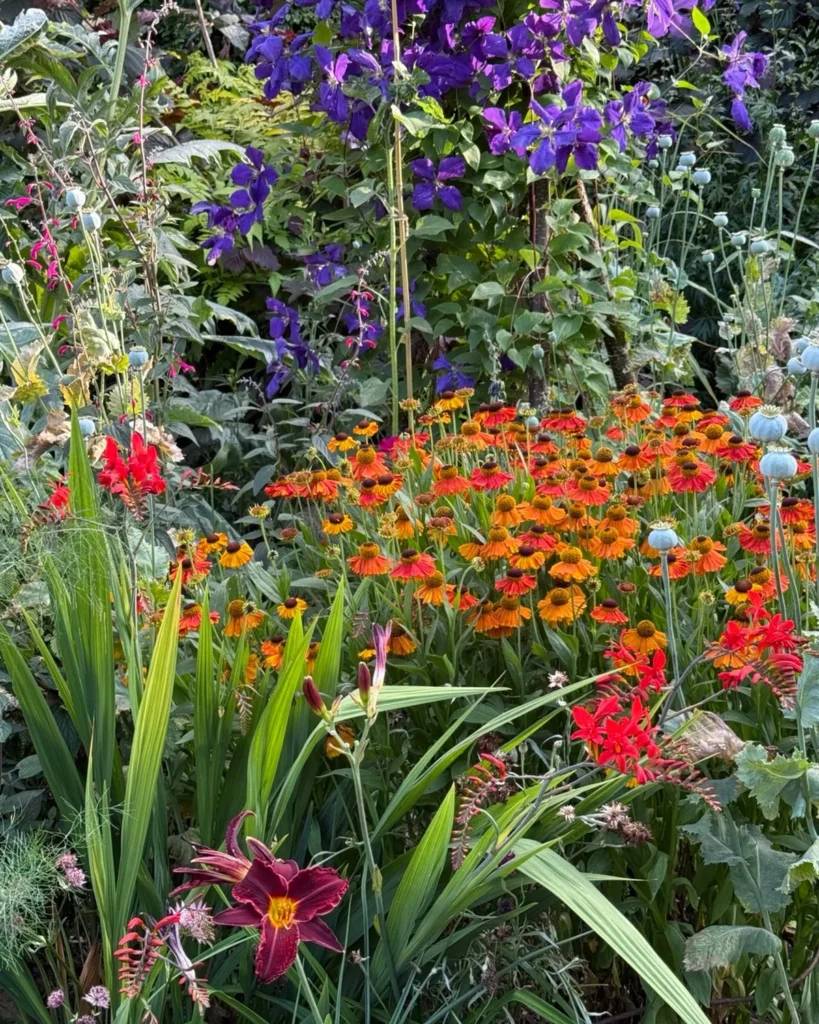
Choose varieties with staggered bloom times — early spring bulbs, late-spring perennials, summer annuals, and fall-blooming varieties — so something is always flowering rather than one big burst followed by weeks of green.
4. The Cottage Garden Mix
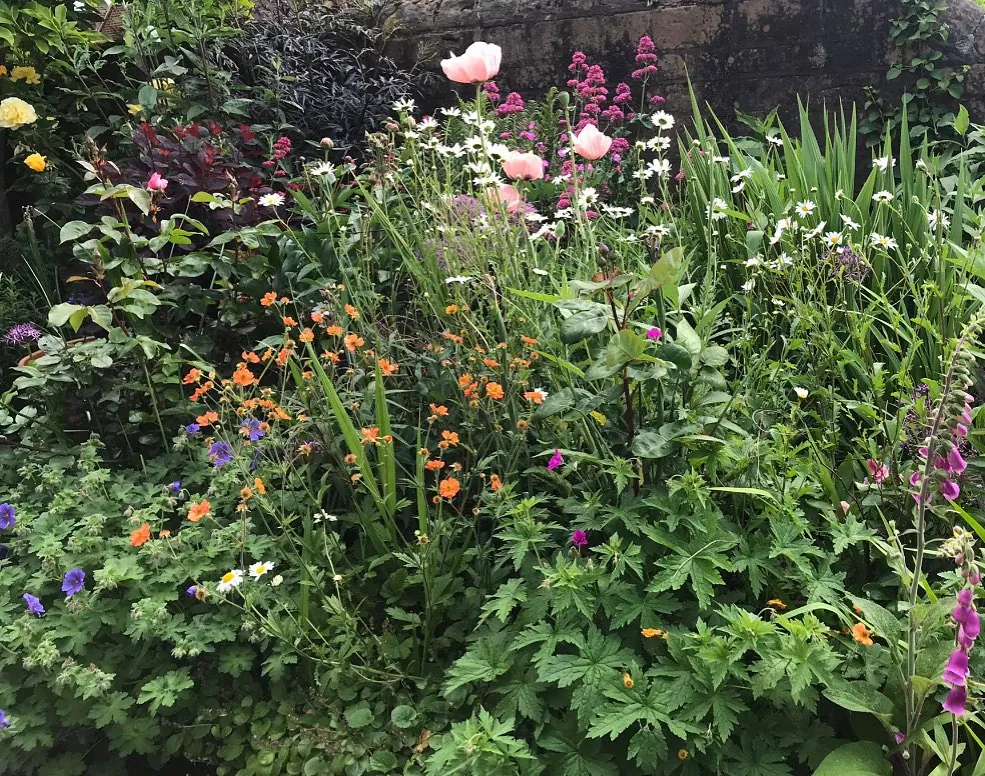
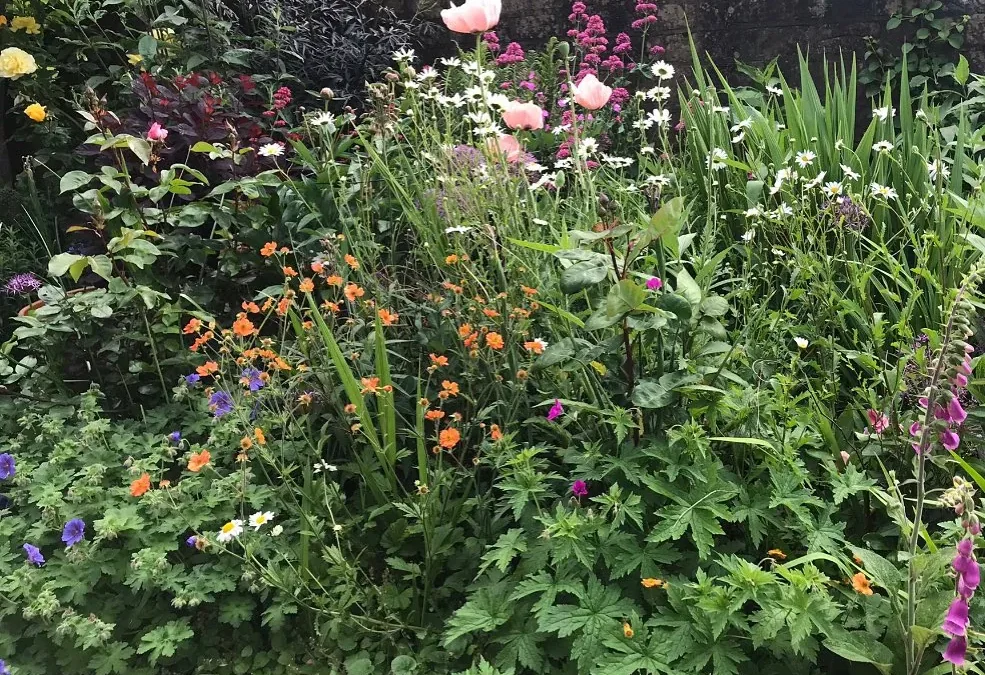
A loose, informal mix of varying heights and colors planted close together, without strict rows, gives you the overflowing, romantic cottage garden look. This style actually forgives some of the spacing mistakes a formal layout wouldn’t.
| Layout Style | Maintenance Level | Best For |
|---|---|---|
| Formal/Symmetrical | High | Front entry beds |
| Cottage Garden | Medium | Side yards, informal spaces |
| Island Bed | Medium | Open lawn focal points |
| Monochromatic | Low-Medium | Modern, minimal landscapes |
| Pollinator Bed | Low | Low-maintenance, wildlife-friendly yards |
5. A Formal, Symmetrical Bed for Front Entries
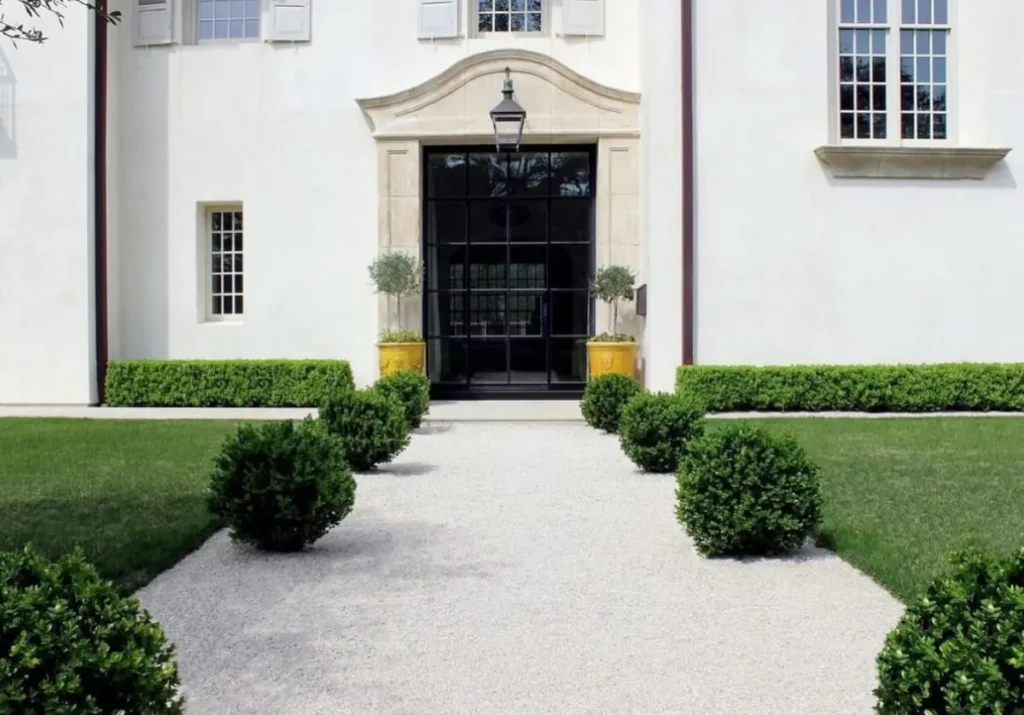
A mirrored layout on either side of a front walkway or door, using the same plants in the same positions on both sides, creates a polished, intentional first impression.
6. An Island Bed Viewed From All Angles
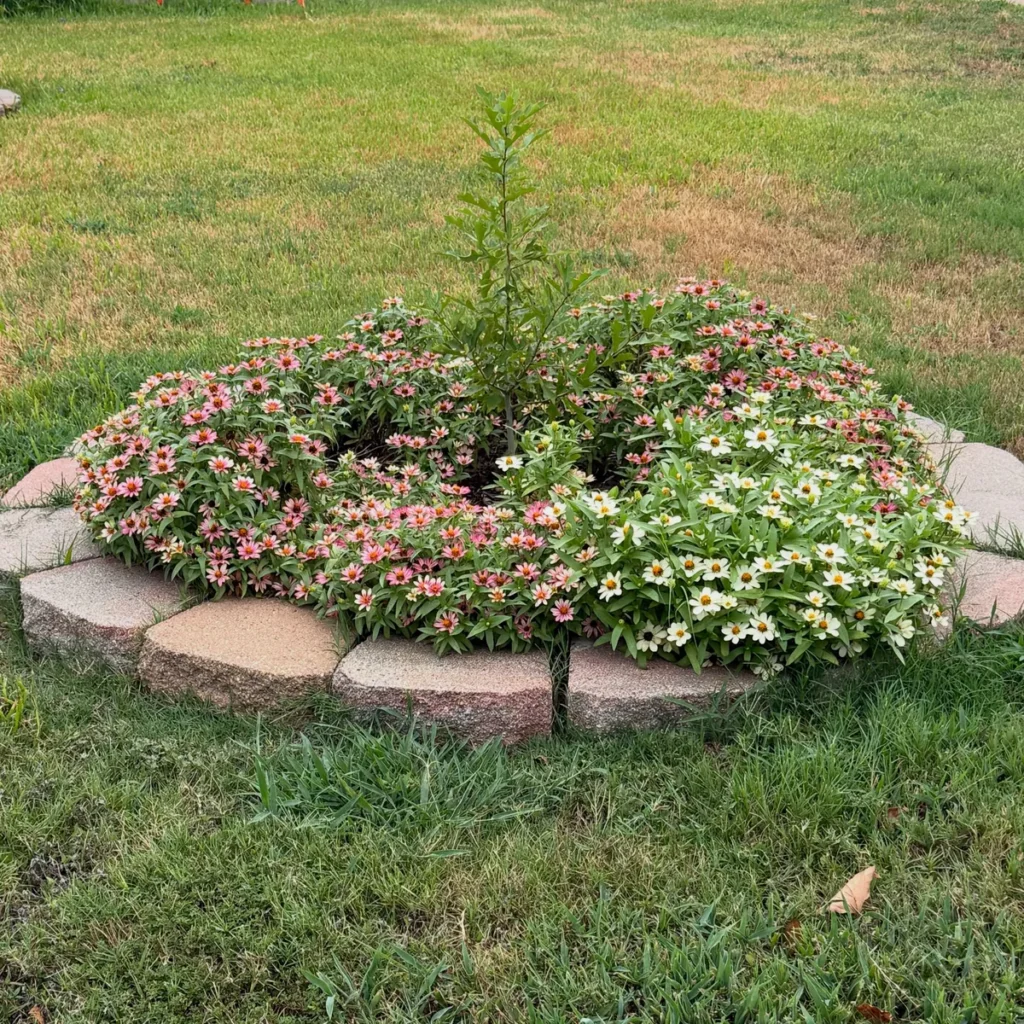
An island bed placed in an open lawn needs plants that look good from every direction, which means skipping the “tall in back” rule in favor of tall in the center, tapering outward evenly.
7. A Monochromatic Color Scheme in a Single Hue Family
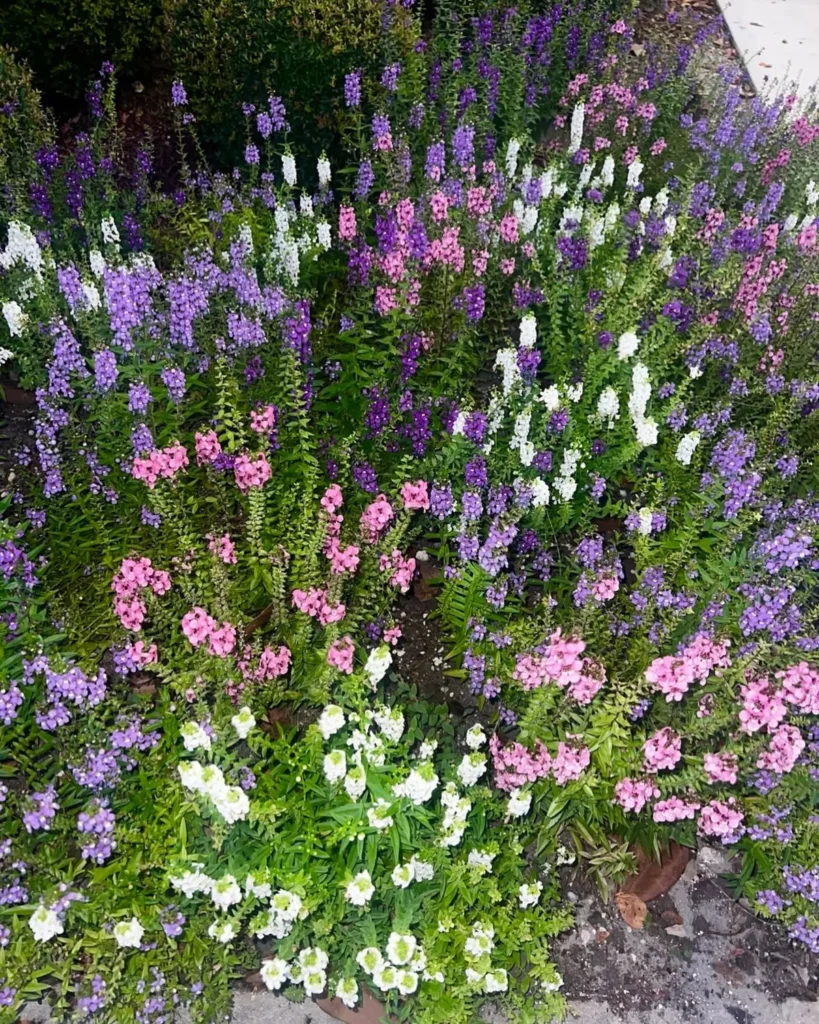
Sticking to varying shades of one color — different pinks, different purples, different whites — creates a sophisticated, cohesive look that reads as more designed than a rainbow mix.
8. A Pollinator-Friendly Layout With Native Plants

Grouping native, pollinator-friendly plants together not only supports bees and butterflies but tends to require significantly less water and maintenance than non-native ornamentals once established.
9. A Curved Bed Edge Instead of Straight Lines
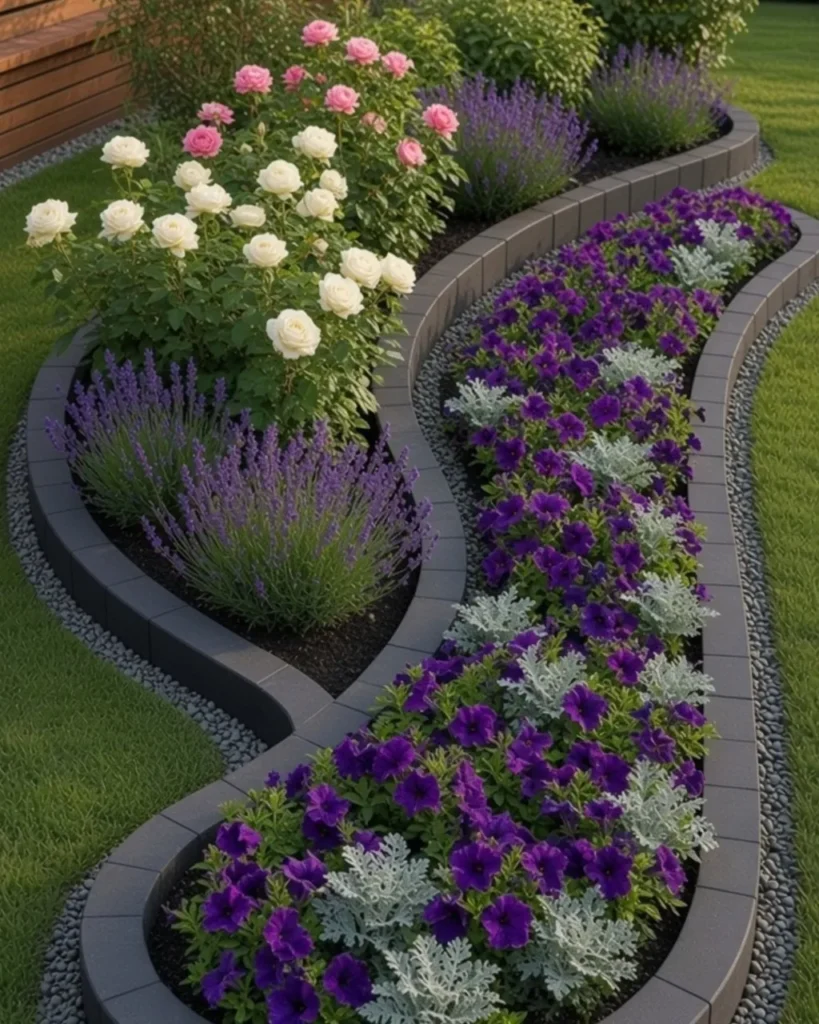
Curved edges feel more natural and are genuinely easier to mow around than sharp right angles, which matters if you’re maintaining the lawn edge yourself.
10. A Drift Planting Layout
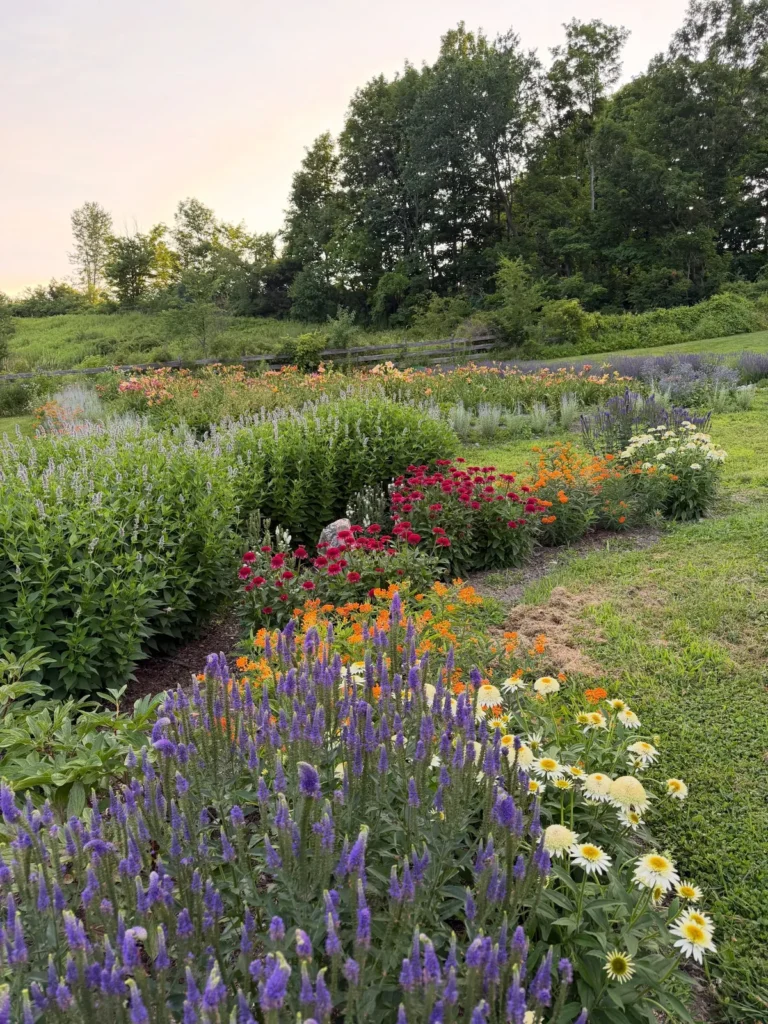
Planting in loose, irregular “drifts” or swaths of the same variety — rather than tight geometric blocks — mimics the way plants grow naturally in the wild and tends to look effortless once filled in.
11. A Repeating Pattern Down a Long Bed
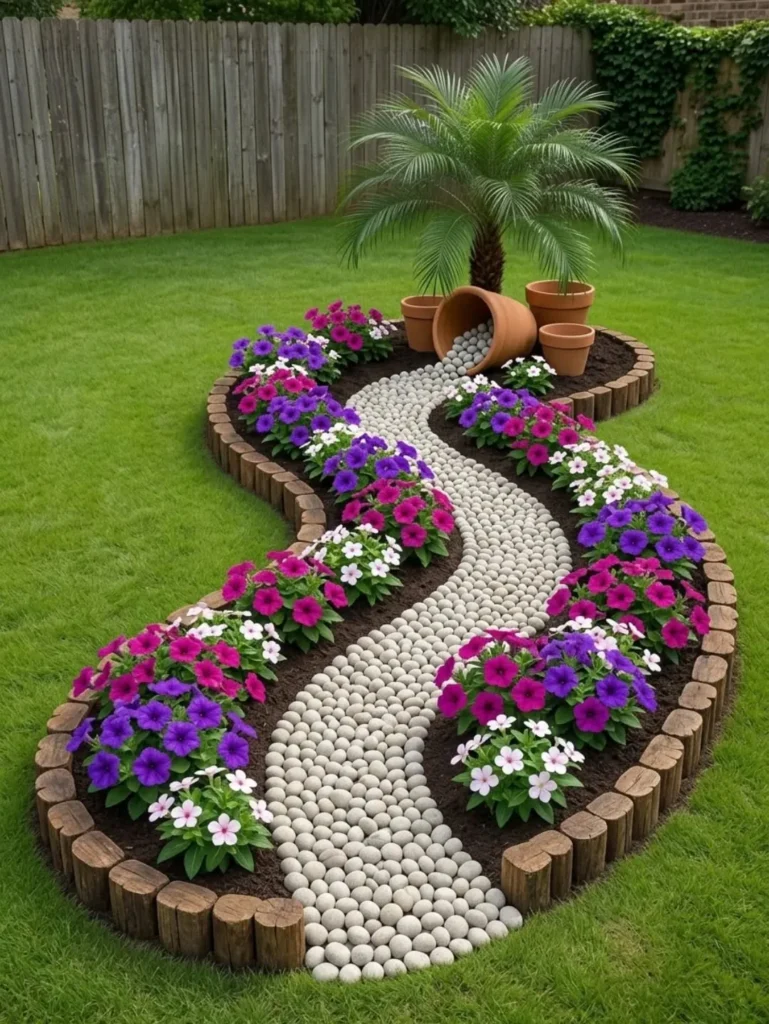
For a long, narrow bed along a fence or driveway, repeating the same grouping of plants every few feet creates rhythm and makes the bed feel designed rather than randomly filled.
12. A Shade Garden Layout for North-Facing Beds
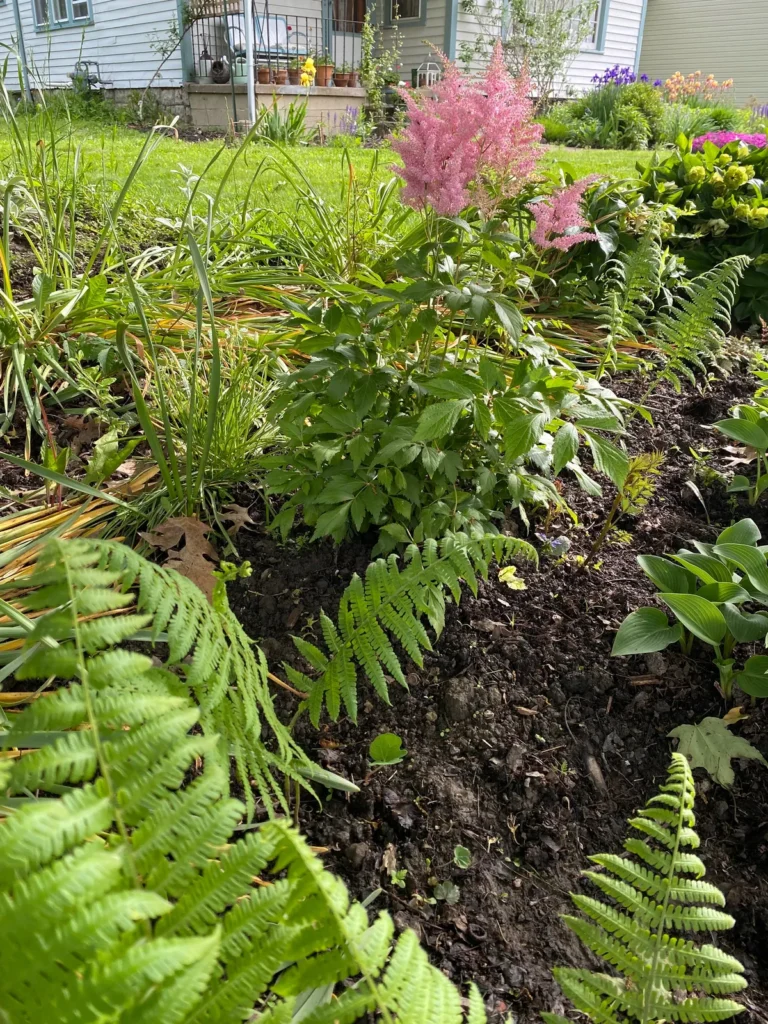
For beds that get limited direct sun, layering shade-tolerant perennials like hostas, astilbe, and ferns by texture rather than color creates visual interest even without a lot of bright bloom.
13. A Raised Bed Layout for Poor Soil Conditions
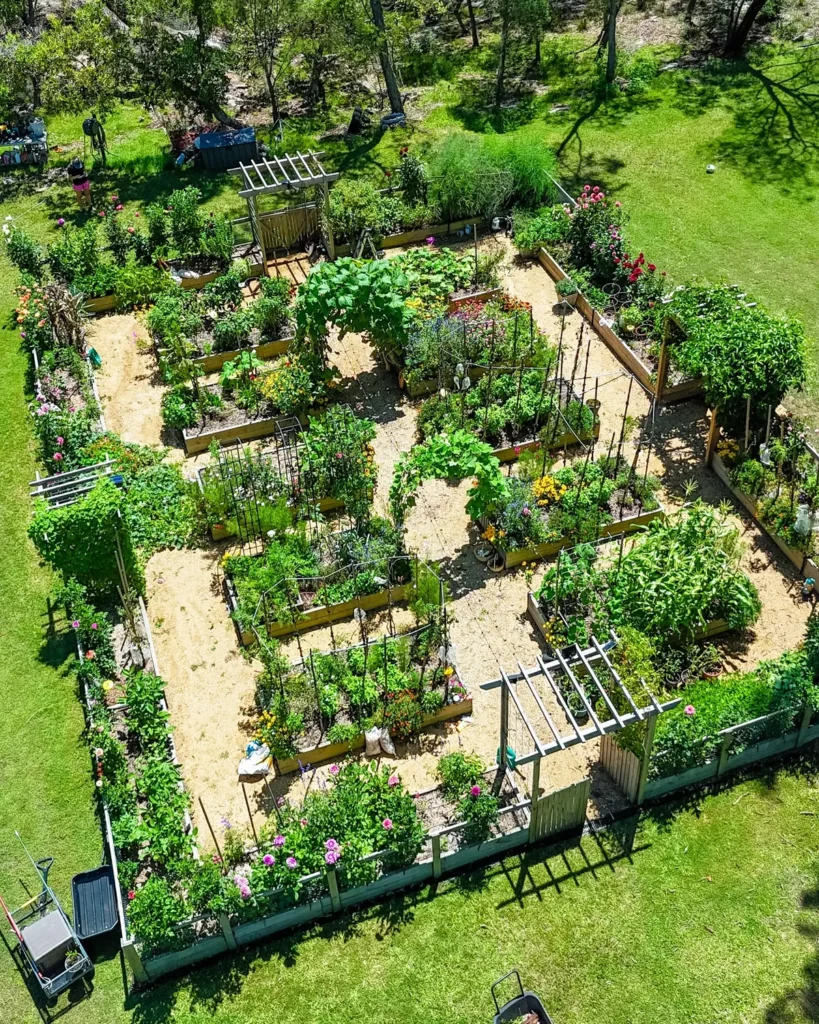
If your yard’s native soil is heavy clay or very poor, a raised bed built with quality soil from the start solves the problem permanently rather than fighting the existing dirt every season.
14. A Border Bed Along a Walkway
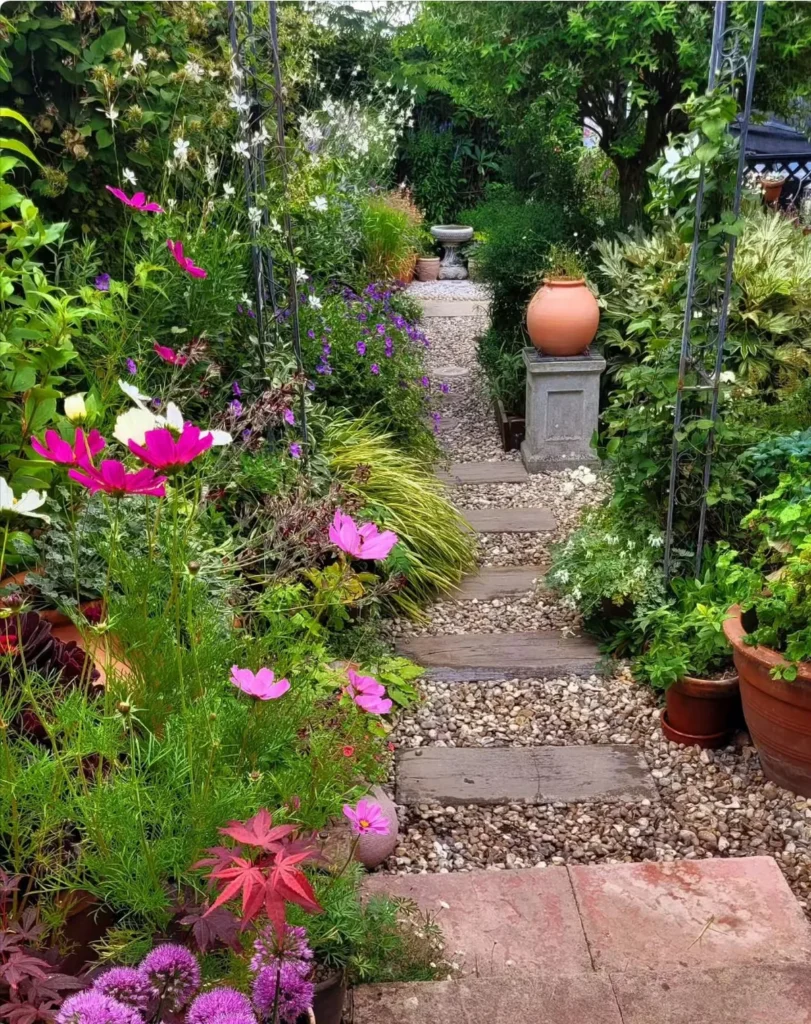
A narrow border bed along a path works best with lower-growing plants that won’t flop over and block the walkway, paired with a taller accent plant every several feet for rhythm.
15. A Cutting Garden Layout for Fresh Flowers Indoors
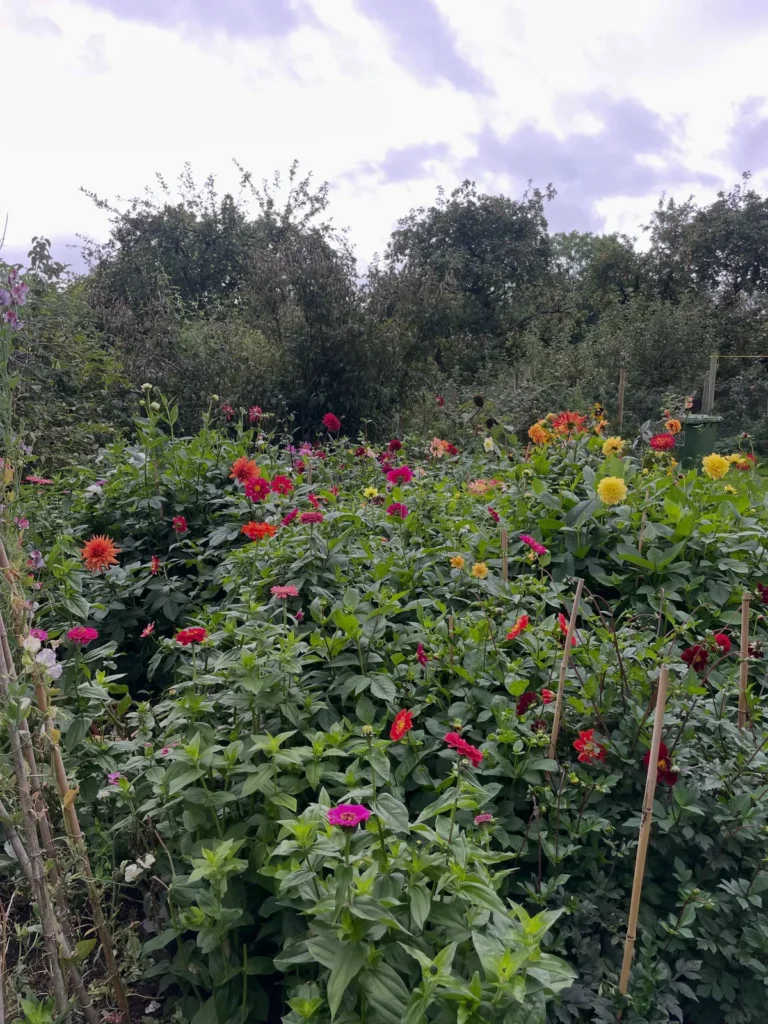
If you want flowers for cutting and bringing inside, plan a dedicated section with varieties known for a long vase life, planted in rows for easy access rather than mixed decoratively.
16. A Thriller-Filler-Spiller Layout (Container-Style, Scaled Up)
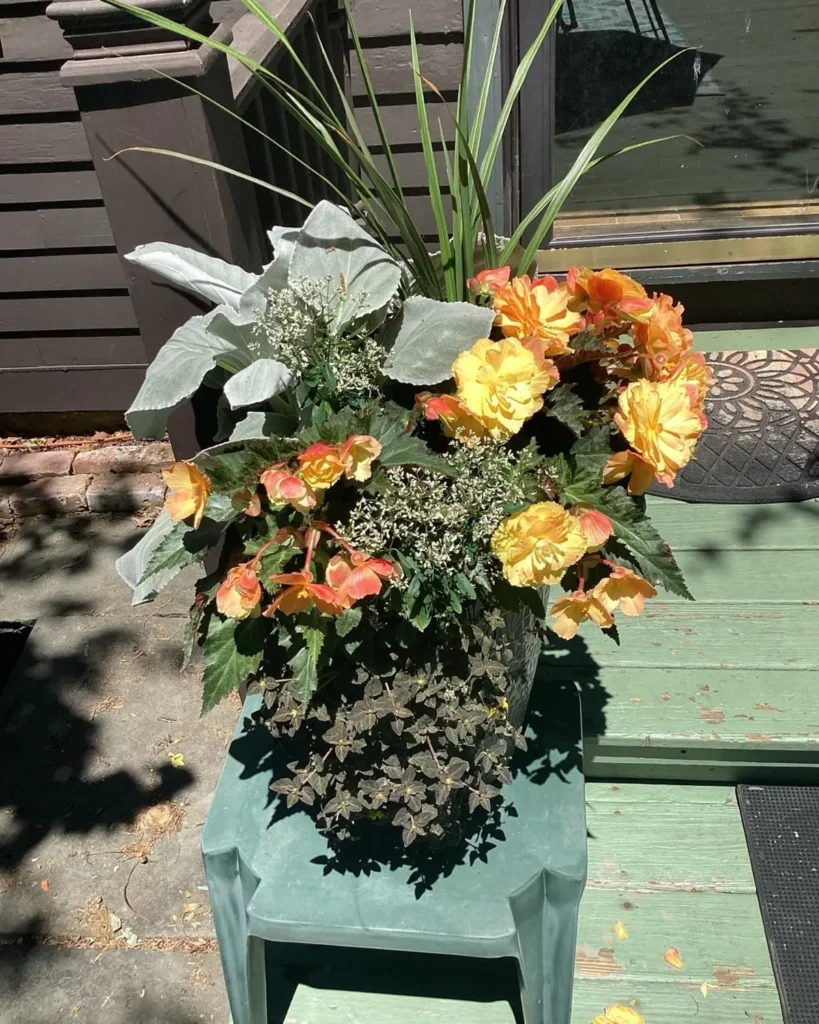
Borrowed from container gardening, this formula — one dramatic “thriller” plant, mid-height “filler” plants around it, and a low, spilling “spiller” plant at the edge — scales up surprisingly well to an in-ground bed.
17. A Perennial Bed Designed for Four-Season Interest

Including plants with interesting seed heads, bark, or foliage that holds up in winter (not just spring and summer bloomers) keeps the bed from looking completely dead for half the year.
18. A Bed Designed Around an Existing Tree or Focal Point
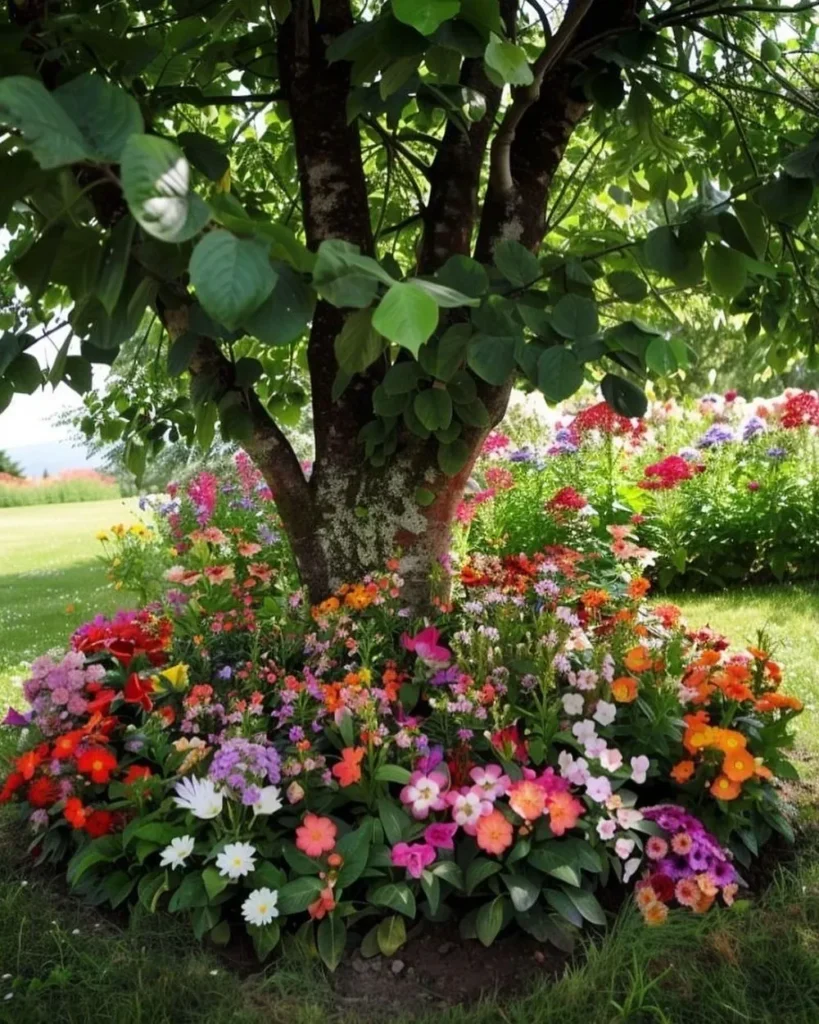
Building a flower bed layout around an existing tree, boulder, or garden statue uses that feature as the visual anchor, with plantings radiating outward or framing it.
19. A Vertical Layer With a Trellis or Arbor
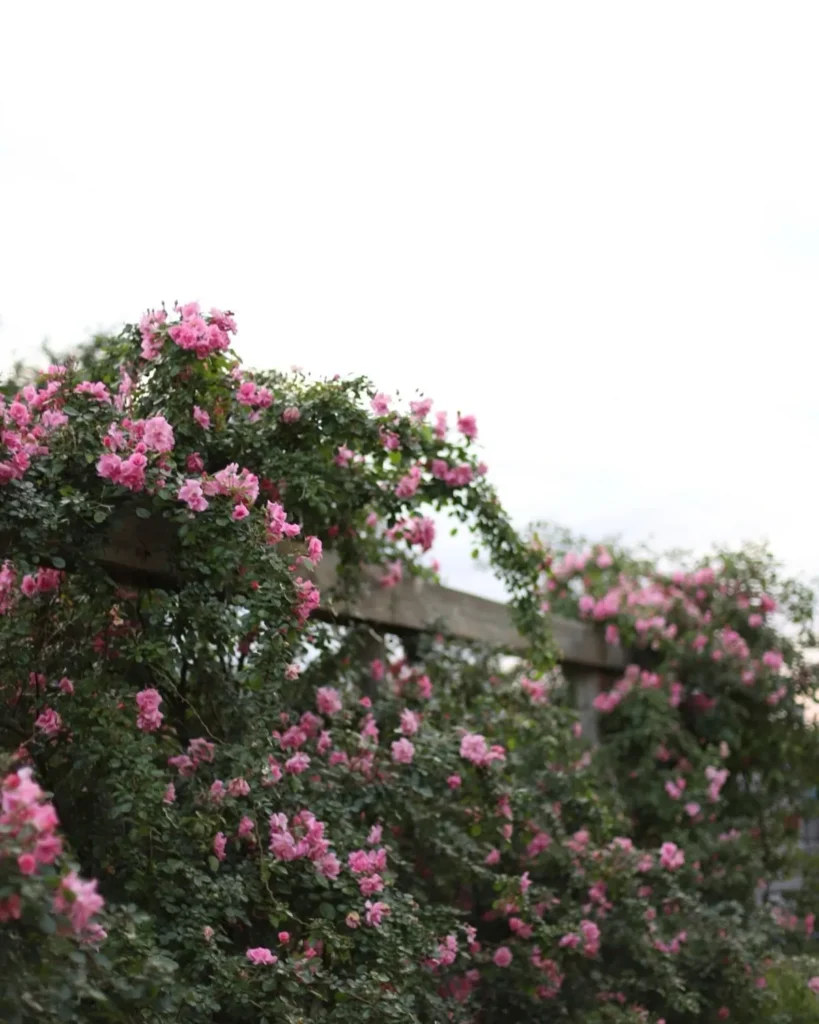
Adding a trellis or small arbor with a climbing vine gives the bed a vertical dimension, which breaks up a flat, low layout and adds height without using up ground space.
20. A Fragrance Garden Layout Near Seating Areas
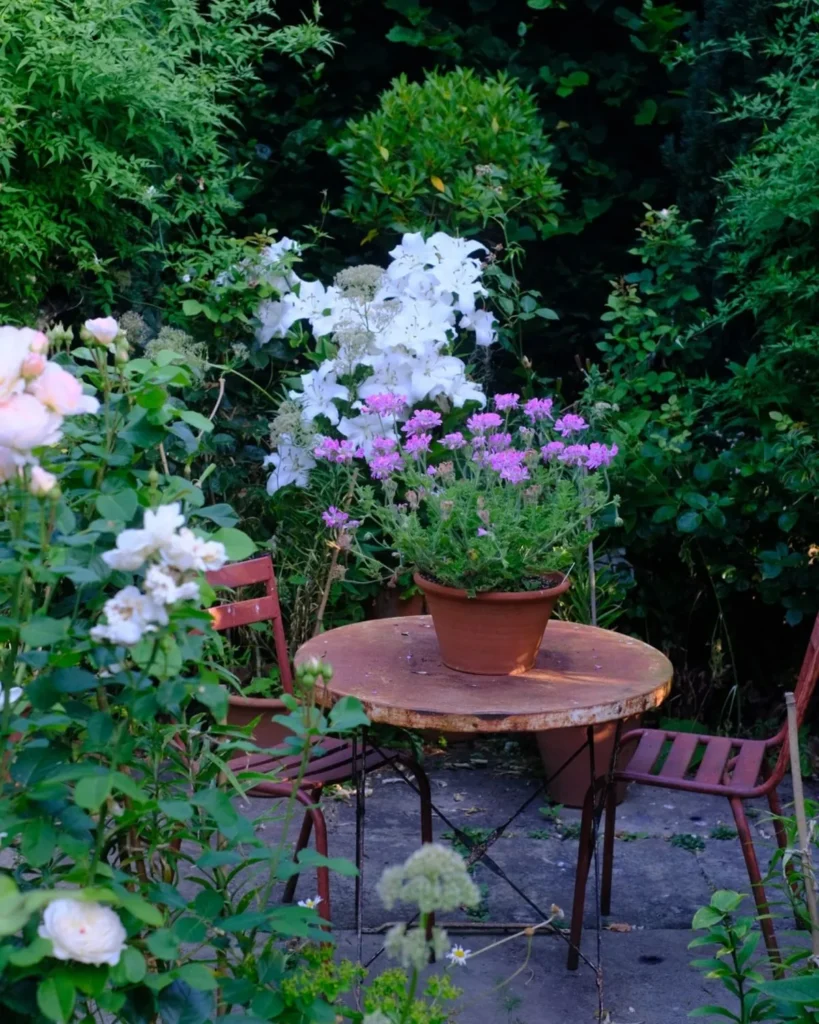
Planting fragrant varieties (lavender, peonies, sweet alyssum) near a patio or bench means you actually get to enjoy the scent, which is easy to forget about when planning purely for visual appeal.
21. A Grid Layout for a Formal Kitchen Garden Feel

A grid-based layout with evenly spaced rows, even for ornamental flowers rather than vegetables, gives a tidy, almost French-potager feel that’s distinct from a looser cottage style.
22. A Rock Garden Hybrid With Drought-Tolerant Blooms
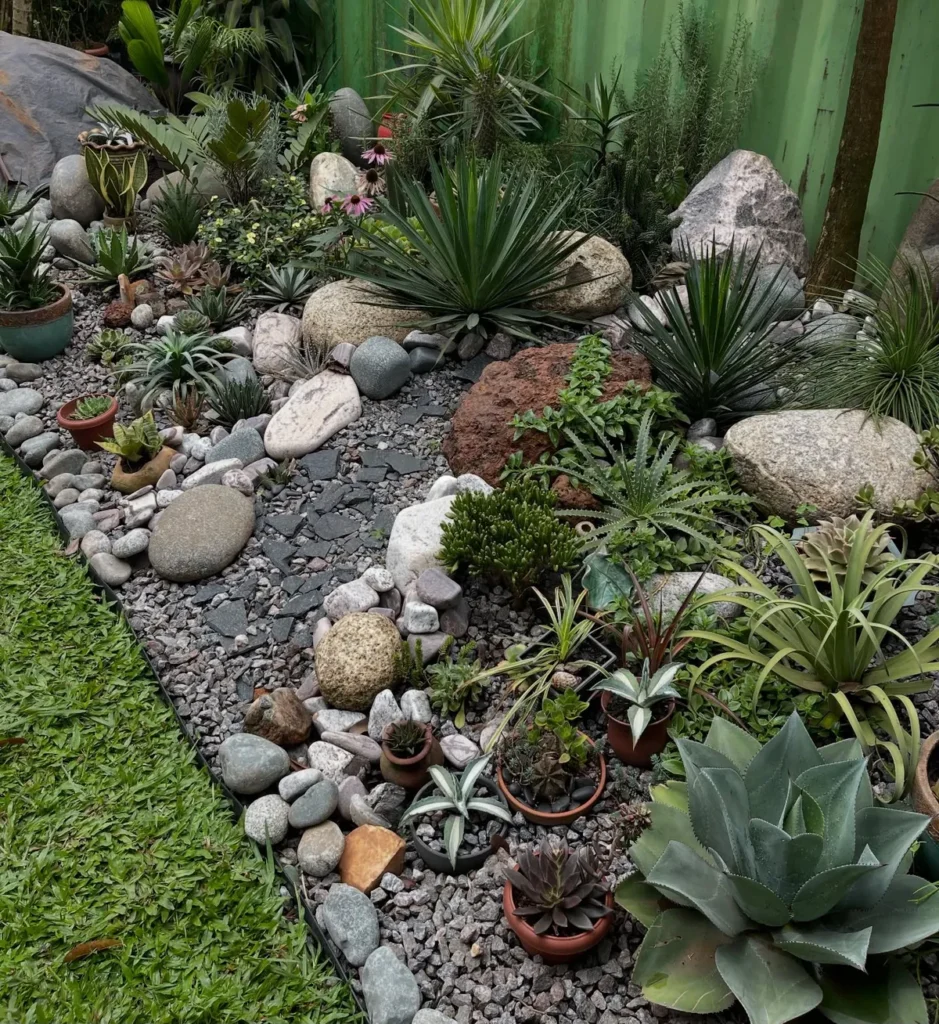
Combining decorative rocks or gravel with drought-tolerant flowering plants like sedum, yarrow, or lavender creates a lower-water bed that still delivers color.
23. A Bed Designed Specifically for Repeat Seasonal Swaps

Some gardeners design beds with removable sections or clear zones specifically to swap in seasonal annuals (spring bulbs, summer annuals, fall mums) without disturbing permanent perennials elsewhere in the bed.
24. A Single-Variety Mass Planting for Maximum Impact
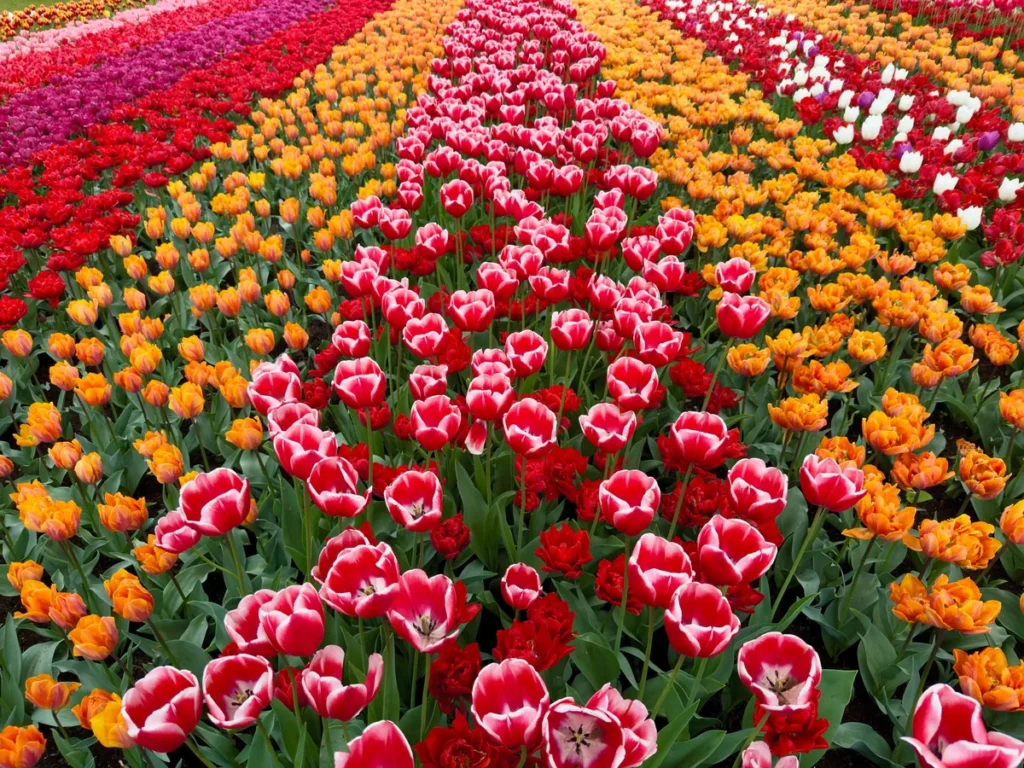
Filling an entire bed with one variety in one color — a sea of the same tulip, for example — creates a dramatic, high-impact look, especially viewed from a distance.
25. A Layered Bulb Lasagna Layout
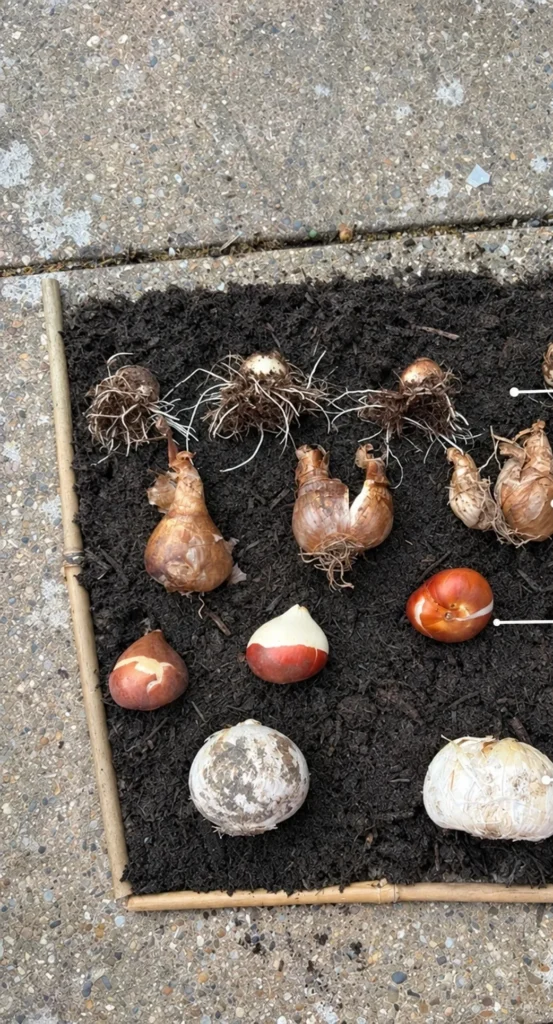
Planting different bulb types at different depths in the same spot (a technique called bulb lasagna) lets you get sequential blooms from a single planting area across the whole spring season.
26. A Bed Edged With a Low Hedge or Boxwood Border
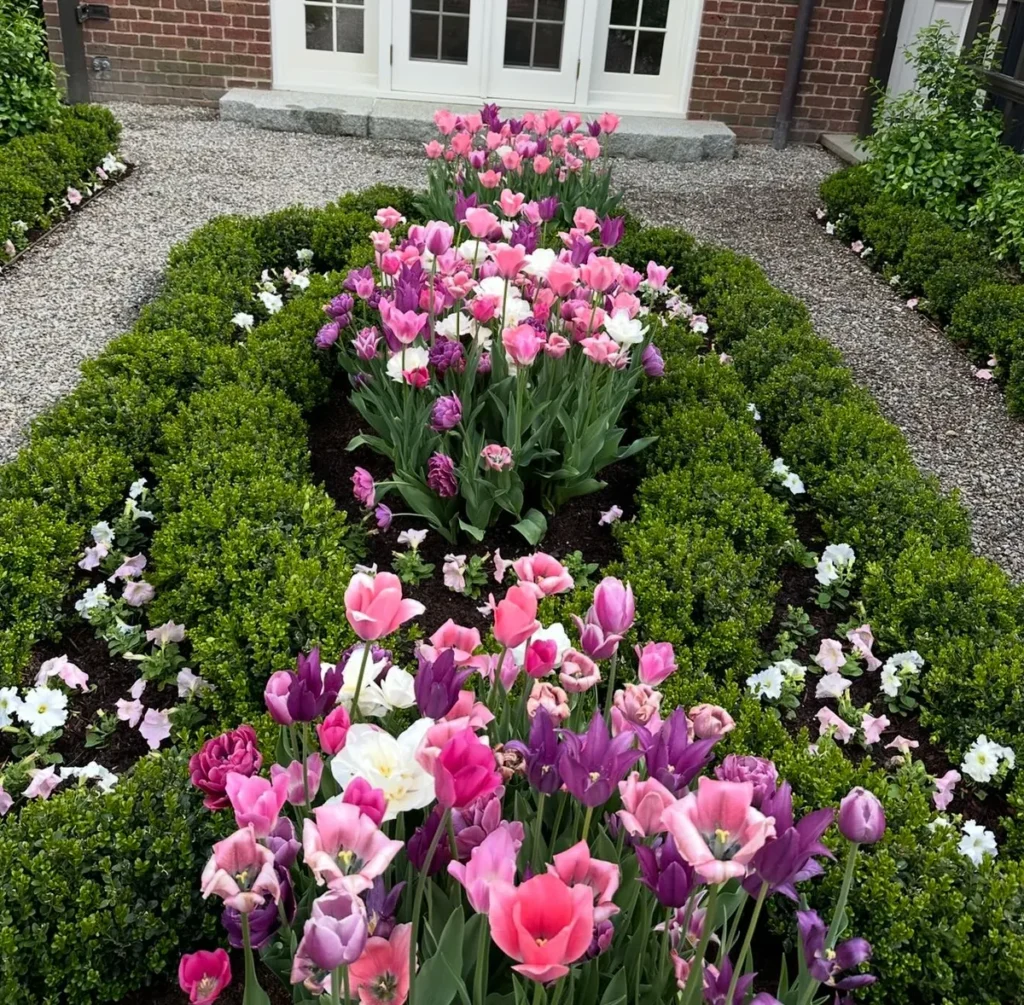
A low clipped hedge around the perimeter of a flower bed gives it a defined, structured edge, which works particularly well for a more formal garden style.
27. A Butterfly Garden Layout With Host and Nectar Plants
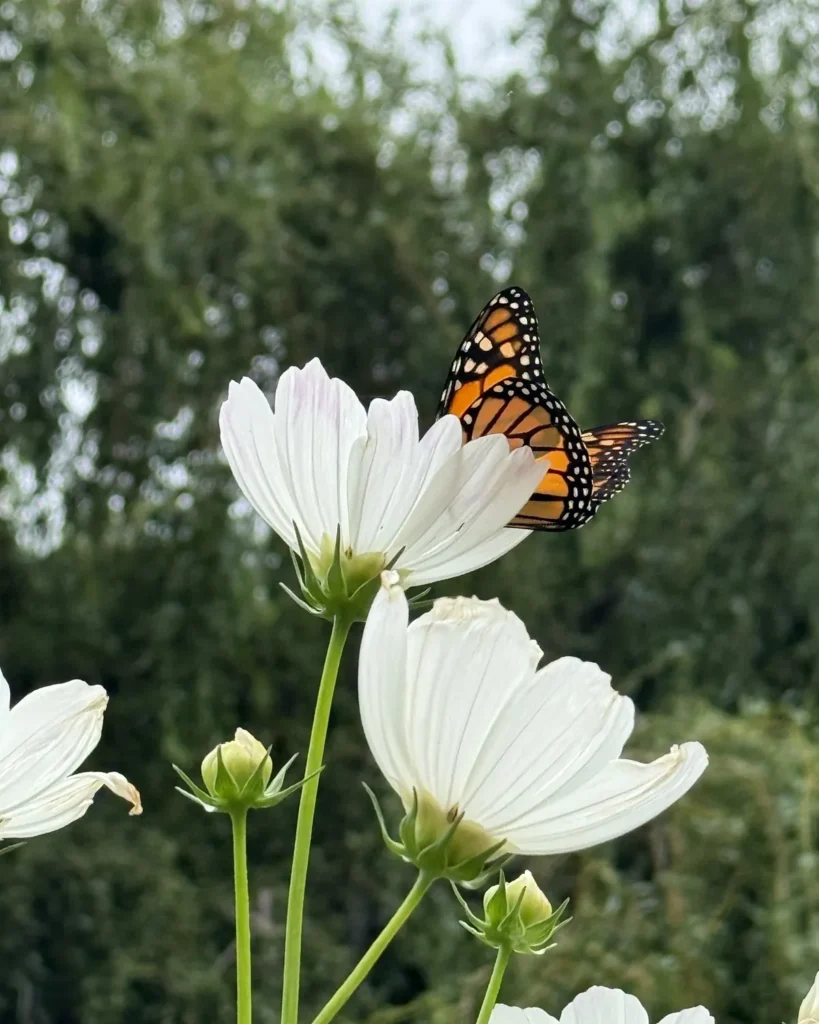
Including both nectar plants for adult butterflies and specific host plants for caterpillars (like milkweed for monarchs) turns the bed into a functional habitat, not just a decorative one.
28. A Bed Designed Around a Water Feature

If there’s a small pond or fountain nearby, planting moisture-loving varieties around its edge and tapering to drier-tolerant plants further away respects the natural moisture gradient.
29. A Low-Maintenance Perennial-Only Layout
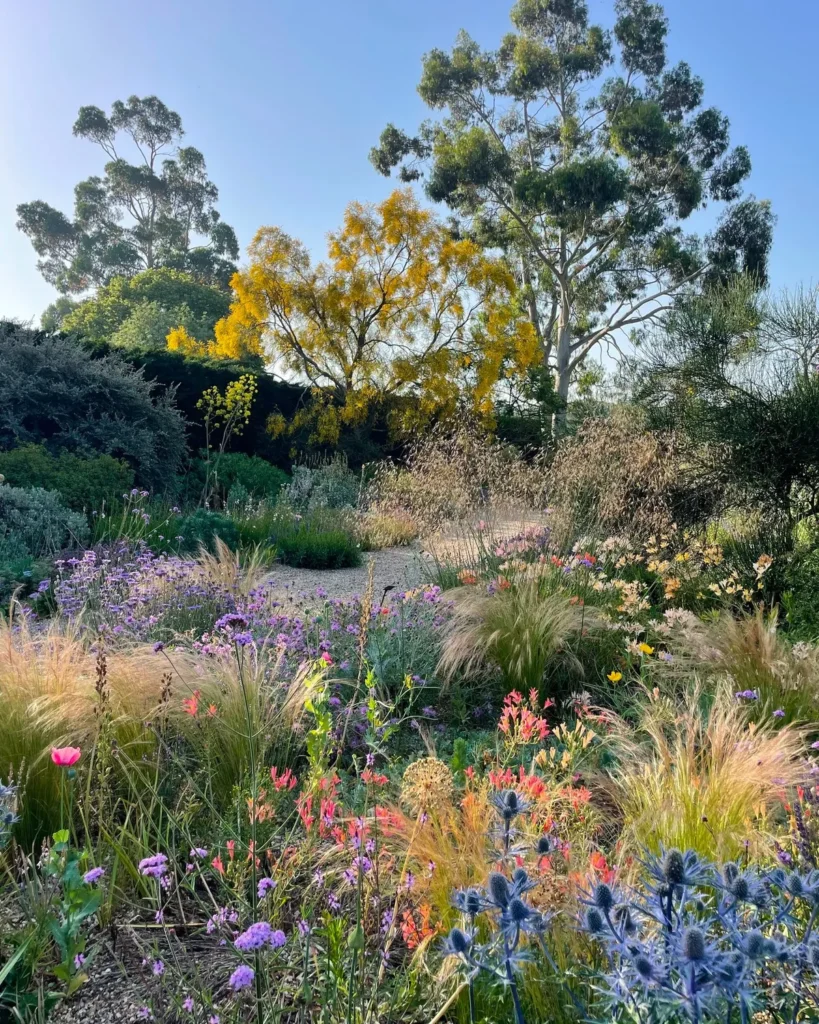
Skipping annuals entirely and building the bed exclusively from hardy perennials cuts down dramatically on yearly replanting, even though it sacrifices some of the nonstop bloom annuals provide.
30. A Bed With a Dedicated Focal Plant and Supporting Cast
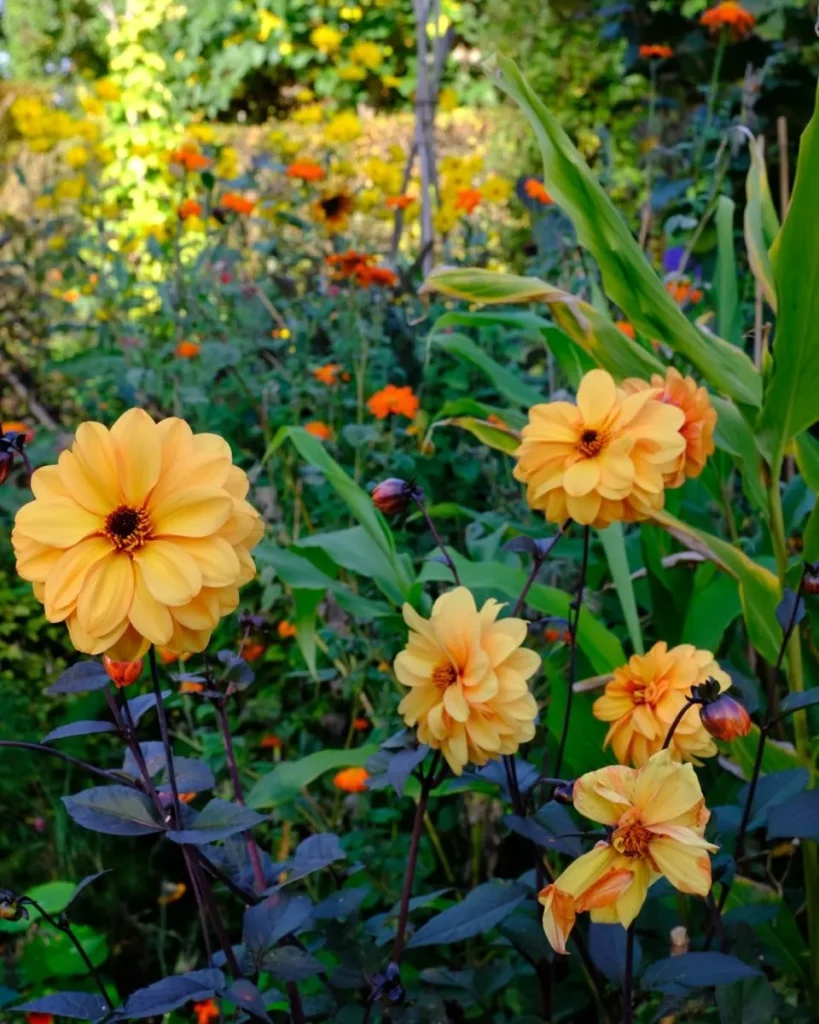
Choosing one standout plant — a striking ornamental grass, a dramatic dahlia, a specimen rose — and building everything else around it in supporting, complementary colors keeps the design from feeling chaotic.
31. A Terraced Layout for Sloped Yards
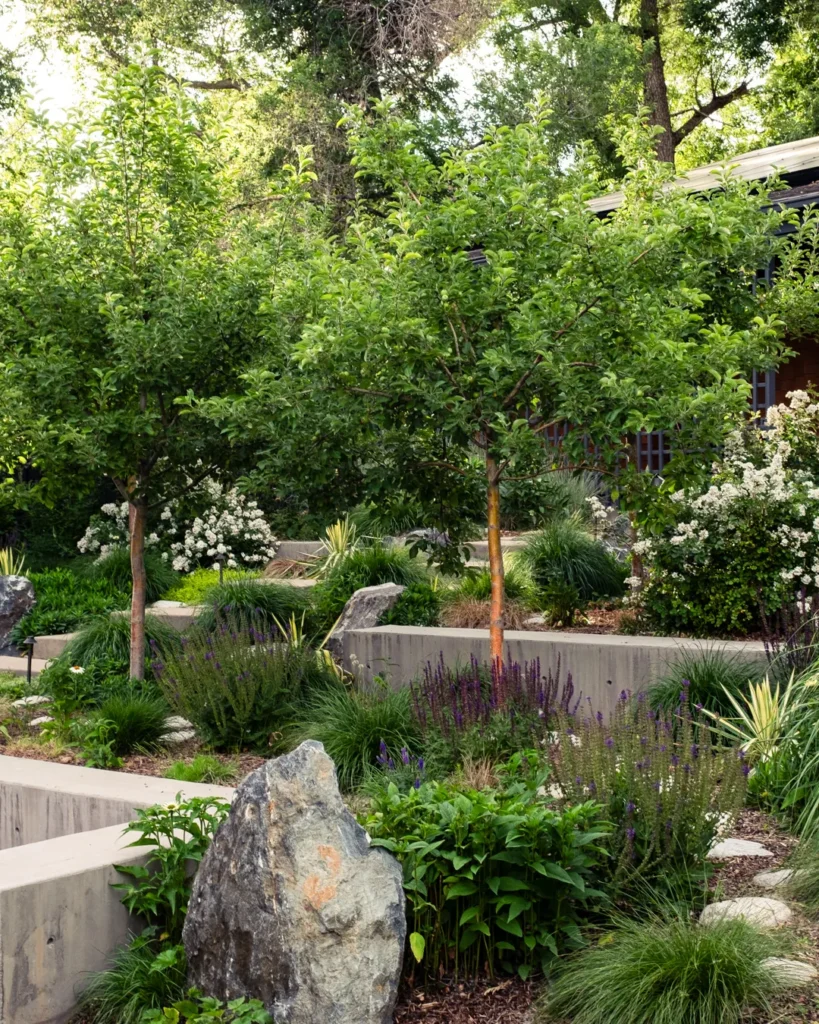
On a slope, terracing the bed into distinct levels with small retaining walls or stone edging prevents soil erosion and creates natural tiers for different plant heights.
32. A Bed Designed for Winter Bird Interest

Leaving some seed-head-bearing perennials standing through winter rather than cutting everything back in fall provides food for birds and adds structural interest to an otherwise bare bed.
33. A Minimalist Layout With Just Two or Three Varieties, Repeated
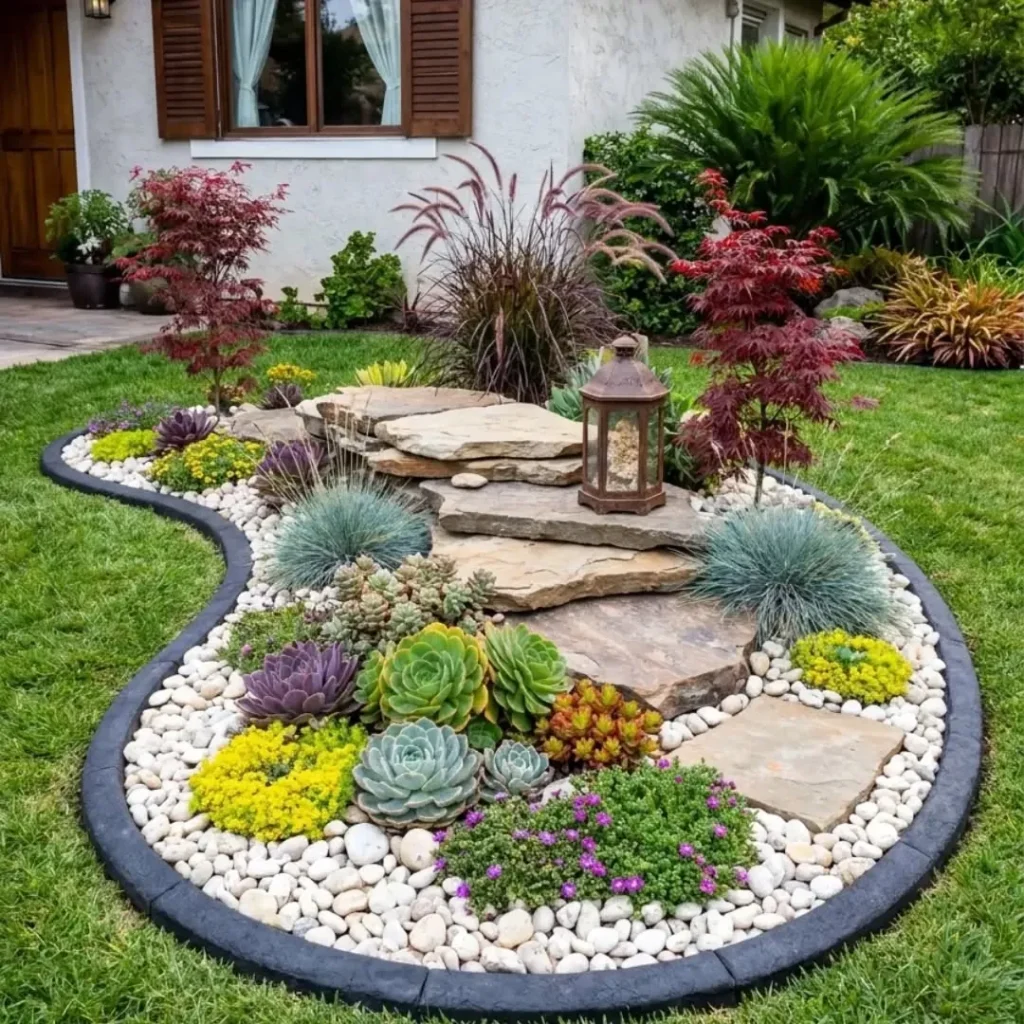
Sometimes the most sophisticated-looking beds use the fewest varieties — just two or three types, repeated in a clear pattern — rather than trying to fit in every plant that caught your eye at the nursery.
FAQs
How far apart should I space plants in a flower bed?
Always check the specific plant tag, since spacing varies widely by variety, but a general rule is to space plants at roughly the same distance as their mature width so they fill in without overcrowding.
What’s the easiest flower bed layout for a beginner?
A drift planting layout with just two or three perennial varieties in odd-numbered groupings is forgiving of spacing mistakes and doesn’t require the precise symmetry a formal layout demands.
How do I keep a flower bed looking good all season instead of just for a few weeks?
Plan for succession blooming by choosing varieties with staggered bloom times — early spring, late spring, summer, and fall — rather than filling the whole bed with plants that all bloom at once.
If I were starting a flower bed from scratch again knowing what I know now, I’d sketch the height layering and bloom-time sequence on paper before buying a single plant. That one step — thinking it through before falling in love with whatever’s blooming at the nursery that particular weekend — would have saved me an entire disappointing summer.

Hi, I’m Ashley Miller, a wife, a busy mom, and someone who loves to share all the things that make life a little more fun and beautiful.
From easy DIY projects, delicious recipes, and chic hairstyles to nail ideas and home decor tips, I share everything I’ve learned and love.
My goal is to inspire other women to explore their creativity and make their homes even more special.