Is Composting Necessary for a Garden?
Gardening is a rewarding activity. It brings beauty. It provides food. But is composting needed?
This article will explain. It will give details. It will help you decide. You must know what helps plants. You must know what harms them. A healthy garden matters.
So let’s learn everything. Resistance to poor soil practices makes a difference. Some methods help growth. Some methods hurt it. Understanding composting leads to better gardens.

What Is Composting?
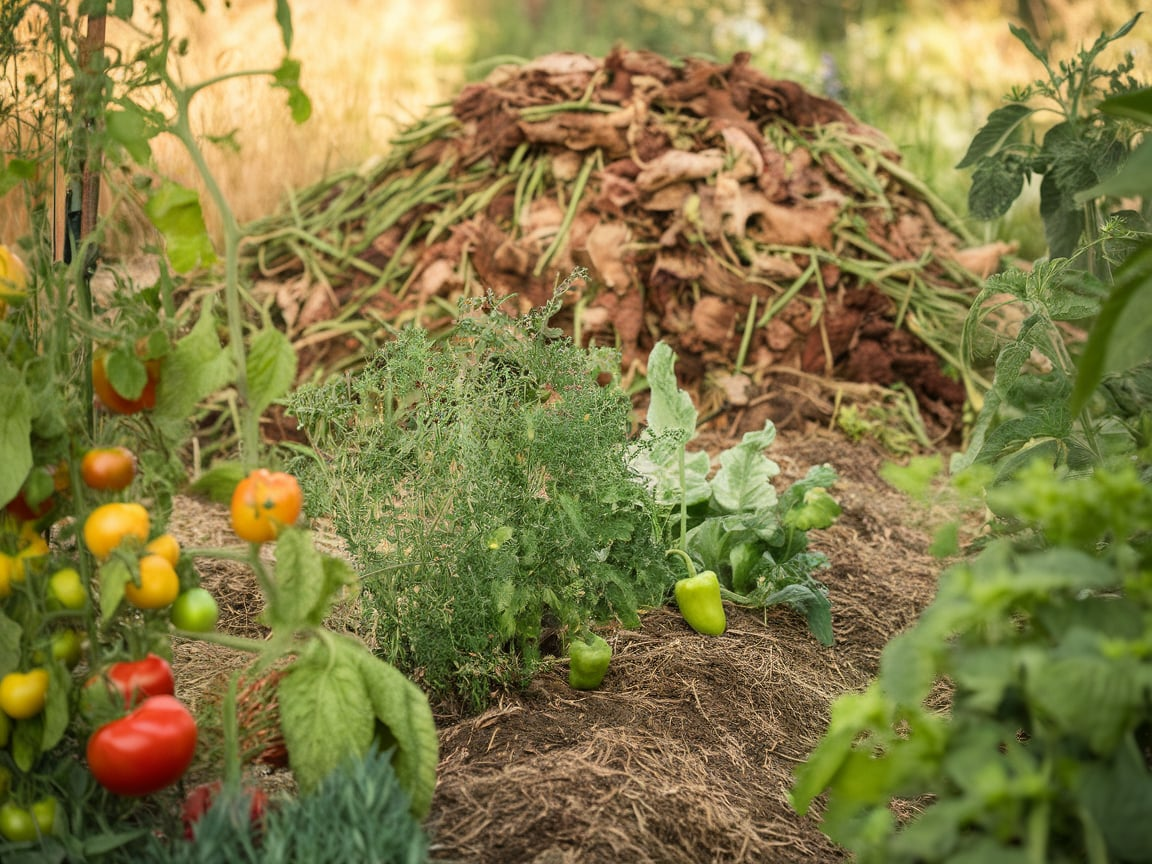
Composting is a natural process. It breaks down organic waste. It turns scraps into nutrient-rich soil. Leaves go in. Food scraps go in. Grass clippings go in. Over time they decompose. Microbes help. Worms help. The result is dark crumbly compost.
This compost feeds plants. It improves soil structure. It holds moisture. It reduces waste. Many gardeners use it. Some buy it. Some make it at home. The process was originally designed to recycle waste naturally.
Why Should You Compost?
Composting has many benefits. It enriches soil. It reduces landfill waste. It cuts greenhouse gases. It saves money on fertilizers. Healthy soil grows healthy plants. Chemical fertilizers can harm the environment. Compost does not.
Natural decomposition creates no pollution. It supports biodiversity. It encourages earthworms. It prevents soil erosion. Plants thrive in compost-rich soil. The benefits outweigh the effort.
Do All Gardens Need Compost?
Not all gardens require compost. But most benefit from it. Poor soil needs improvement. Sandy soil drains too fast. Clay soil holds too much water. Compost balances both. It adds nutrients. It enhances texture.
Some plants grow fine without compost. Weeds survive anywhere. But quality crops need good soil. Flowers bloom brighter. Vegetables yield more. Trees grow stronger. Compost gives them what they need.
What Happens Without Composting?
Gardens without compost rely on other methods. Chemical fertilizers feed plants. But they don’t improve soil. Over time the soil degrades. It becomes lifeless. It loses structure. Water runs off. Nutrients wash away.
Organic matter depletes. Microbes die. Earthworms leave. Plants struggle. Pests attack. Diseases spread. The garden weakens. Natural balance disappears. Composting prevents this.
Can You Garden with Store-Bought Soil?
Yes but it’s costly. Bagged soil works for pots. Large gardens need lots of it. Over time it degrades too. Compost replenishes it. Mixing compost with store-bought soil improves results.
Pre-made compost is available. But homemade is cheaper. It recycles kitchen waste. It reduces trash. It’s more sustainable. Why buy what you can make?
How Does Composting Help the Environment?
Landfills overflow with waste. Food scraps rot without oxygen. They release methane. This gas heats the planet. Composting avoids this. It breaks waste aerobically. It emits carbon dioxide instead.
Less trash means fewer trucks. Fewer trucks mean less pollution. Composting closes the nutrient cycle. Nature intended it this way. Throwing away organic waste disrupts ecosystems.
What Can You Compost?
Many things decompose well. Fruit peels break down fast. Vegetable scraps turn to soil. Eggshells add calcium. Coffee grounds boost nitrogen. Tea leaves enrich compost.
Grass clippings decompose quickly. Dry leaves add carbon. Straw balances moisture. Paper towels tear down. Cardboard shreds work too. Even hair can compost.
What Should You Avoid Composting?
Some items don’t belong. Meat attracts pests. Dairy smells bad. Oily foods slow decay. Pet waste carries pathogens. Diseased plants spread illness.
Glossy paper resists breakdown. Synthetic fibers won’t decompose. Coal ash harms soil. Walnuts contain toxins. Always research before adding.
How Long Does Composting Take?
Time varies. Hot composting finishes fast. It needs turning. It needs moisture. Three months may suffice. Cold composting takes longer. Six months to a year.
Small pieces decompose quicker. Shredding helps. Mixing speeds it up. Patience is key. Nature works at its own pace.
Does Composting Smell Bad?
Proper compost shouldn’t stink. Bad odors mean imbalance. Too much nitrogen causes it. Add dry leaves. Add cardboard. Turn the pile.
A healthy pile smells earthy. It feels warm. It teems with life. Foul smells indicate problems. Fix them early.
Can You Compost in Small Spaces?
Yes. Apartment dwellers can compost. Indoor bins exist. Bokashi systems ferment waste. Worm bins fit under sinks.
Balcony composters work too. Small tumblers spin easily. Urban gardening thrives with compost. No space is too small.
What Are the Alternatives to Composting?
Mulching protects soil. It suppresses weeds. It retains moisture. But it doesn’t feed soil like compost.
Green manure crops help. Clover fixes nitrogen. Rye adds organic matter. These are good but slower.
Chemical fertilizers feed plants directly. They ignore soil health. They risk overuse. They pollute water. Compost is safer.
How Do You Start Composting?
Begin with a bin. Pick a shady spot. Layer greens and browns. Greens are kitchen scraps. Browns are dry leaves.
Keep it moist. Turn it weekly. Watch the temperature. Harvest when dark and crumbly. Use it in gardens.
What Mistakes Do Beginners Make?
Many add only food scraps. This creates slime. Balance with dry materials. Some forget to turn. This slows decay.
Overwatering causes rot. Underwatering stops microbes. Wrong ratios cause smells. Learning takes practice.
Does Composting Attract Pests?
It can. Meat draws rats. Sugary foods lure ants. Bury scraps deep. Use closed bins.
Rodents avoid well-managed piles. Flies stay away if covered. Proper methods prevent problems.
Is Composting Worth the Effort?
Absolutely. The benefits outweigh the work. Healthy soil grows better plants. Less waste helps the planet.
Gardening becomes easier. Watering reduces. Weeds decrease. Plants resist pests. Harvests improve.
Final Thoughts
Composting isn’t mandatory. But it’s highly beneficial. Gardens thrive with rich soil. Compost provides it naturally.
Start small. Learn as you go. The rewards are immense. Your garden will thank you. The earth will too.
FAQs
1. Can I compost in winter?
Yes but decomposition slows. Insulate the pile. Keep it active. Spring will revive it.
2. Are compost tumblers better?
They’re faster. They’re easier to turn. They keep pests out. But they cost more.
3. Can I compost weeds?
Yes if they haven’t seeded. Hot composting kills seeds. Cold piles may spread them.
4. How do I know when compost is ready?
It looks dark. It smells earthy. It crumbles easily. No chunks remain.
5. Can I use compost for indoor plants?
Yes but mix with soil. Pure compost may hold too much water. Dilute for best results.

Hi, I’m Ashley Miller, a wife, a busy mom, and someone who loves to share all the things that make life a little more fun and beautiful.
From easy DIY projects, delicious recipes, and chic hairstyles to nail ideas and home decor tips, I share everything I’ve learned and love.
My goal is to inspire other women to explore their creativity and make their homes even more special.