How to Style an Open Floor Plan?
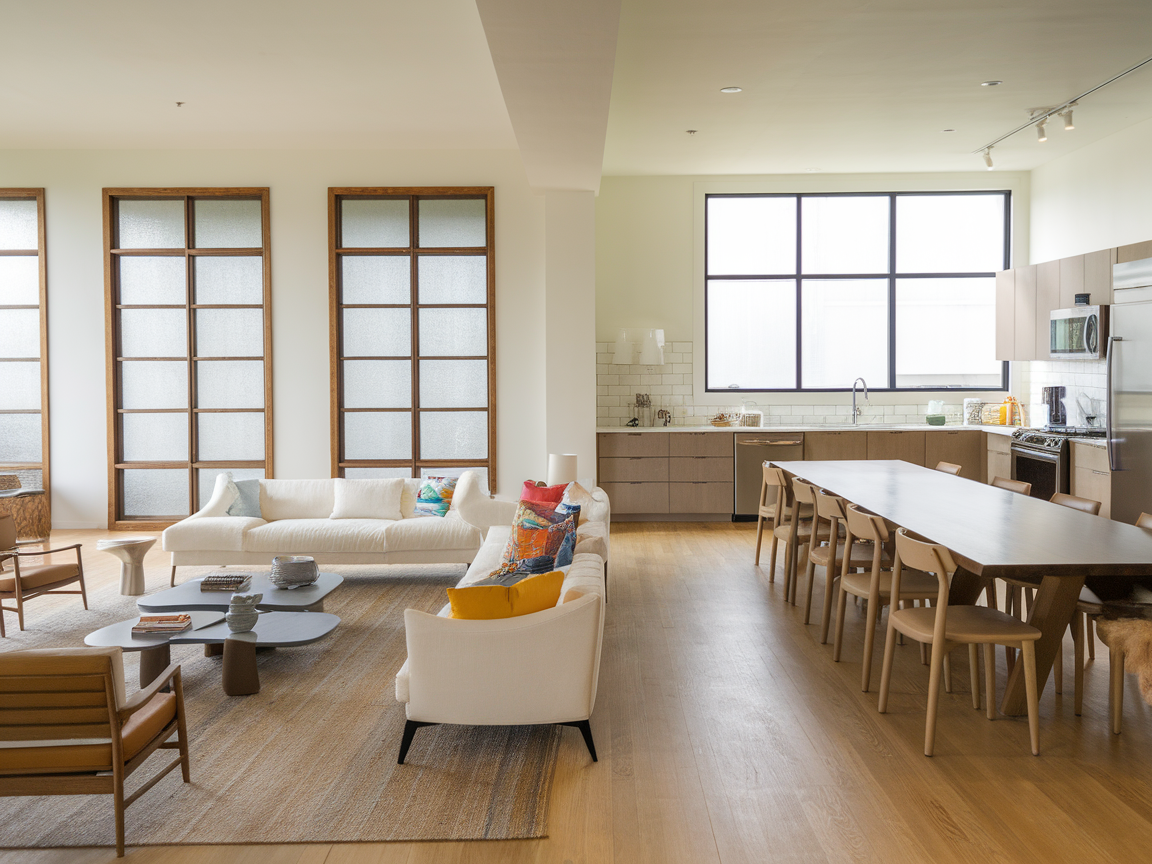
Open floor plans are popular. They create spacious living areas. They allow natural light flow. They encourage social interaction. But styling them can be tricky. You must define zones. You must maintain harmony. You must avoid clutter.
This guide will help. It will explain styling tips. It will give practical ideas. You will learn how to arrange furniture. You will learn how to use colors. You will learn how to add personality.
So let’s begin.
What Is an Open Floor Plan?
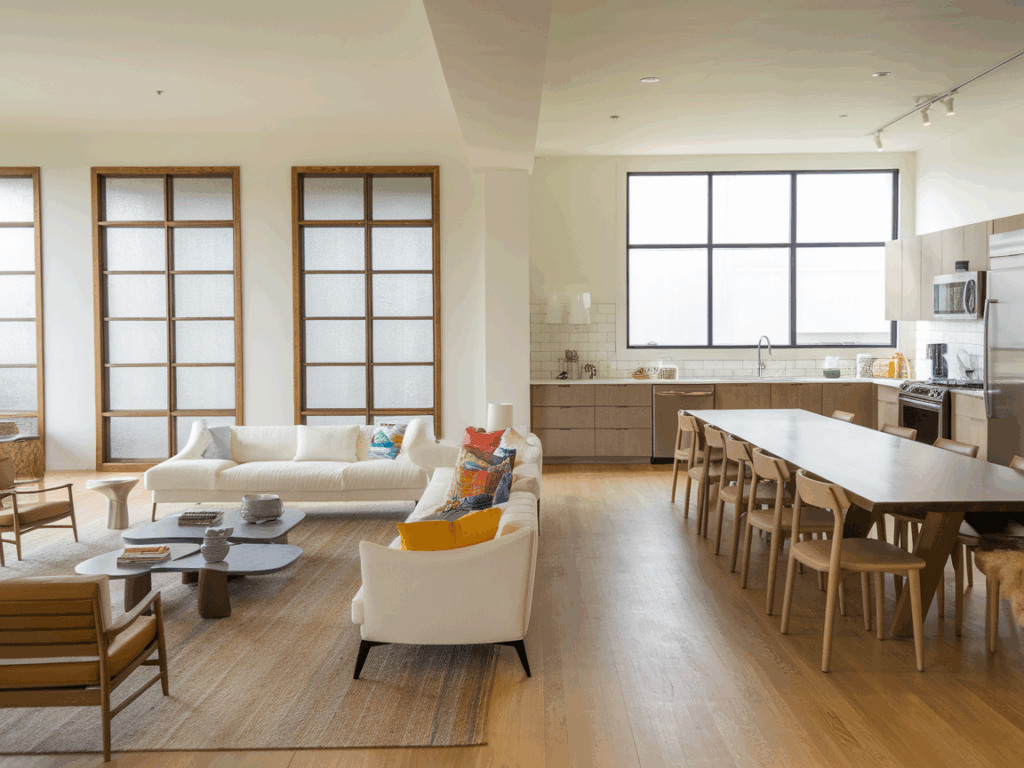
An open floor plan removes walls. It combines multiple rooms. It merges the kitchen dining and living areas. It creates one large space.
This layout is modern. It feels airy. It improves movement. It enhances visibility. But it needs smart styling. Without walls you must define areas differently.
Why Style an Open Floor Plan Properly?
Good styling improves functionality. It makes the space look intentional. It prevents a messy look. It enhances visual appeal.
An unplanned open space feels chaotic. Furniture may float awkwardly. Zones may overlap confusingly. Decor may clash. Proper styling fixes this.
How to Define Different Zones?
Use Rugs to Separate Areas
Rugs anchor furniture groups. They visually divide spaces. A large rug under the sofa marks the living area. A smaller rug under the dining table sets the eating zone.
Choose different textures. Pick contrasting patterns. But keep colors cohesive. This creates distinction without disconnection.
Arrange Furniture Strategically
Place sofas back-to-back. Use them as room dividers. Position a console table behind a couch. This separates living and dining spaces.
Angle chairs to face each other. Create conversation nooks. Leave walkways clear. Ensure smooth traffic flow.
Play With Lighting
Different lights define different zones. A pendant lamp highlights the dining table. Floor lamps brighten reading corners. Recessed lights illuminate the kitchen.
Vary lighting styles. But maintain a consistent finish. Matching metals tie everything together.
Change Flooring Materials
Use different flooring for different zones. Hardwood in the living area. Tiles in the kitchen. This subtly separates spaces.
If changing floors is not possible use rugs. They mimic the same effect.
How to Choose a Color Scheme?
Stick to a Unified Palette
Pick one main color. Use it throughout the space. Add two accent shades. Repeat them in different zones.
This creates harmony. It prevents visual chaos. It makes the area feel connected.
Use Bold Colors Sparingly
Bright hues add energy. But too much overwhelms. Paint one accent wall. Use colorful cushions. Add vibrant art.
Balance bold tones with neutrals. This keeps the space calm yet lively.
Try Monochromatic Styling
Stick to one color family. Use varying shades. Light gray for walls. Dark gray for furniture. Medium gray for decor.
This looks sophisticated. It feels cohesive. It suits minimalist designs.
How to Select Furniture?
Pick Proportional Pieces
Oversized furniture crowds the space. Tiny pieces look lost. Choose mid-sized items. Ensure they fit the area.
Measure before buying. Leave enough walking space. Balance is key.
Opt for Multi-Functional Items
Use storage ottomans. Pick extendable dining tables. Choose sofa beds. These save space. They add practicality.
Every piece should serve a purpose. Avoid unnecessary clutter.
Maintain Consistent Styles
Mix modern and rustic carefully. Stick to one dominant style. Blend complementary designs subtly.
Matching furniture legs create flow. Coordinating fabrics enhance unity.
How to Add Personality?
Display Art and Decor
Hang large statement art. Use shelves for small decor. Group items in odd numbers. This adds visual interest.
Keep decor balanced. Avoid overcrowding walls.
Incorporate Greenery
Plants bring life. Tall trees divide spaces. Small succulents add charm. Use hanging planters to save space.
Pick low-maintenance varieties. They stay fresh longer.
Layer Textures
Mix fabrics and materials. Pair smooth leather with chunky knit throws. Combine metal accents with wooden finishes.
Texture adds depth. It makes the space inviting.
How to Manage Storage?
Use Vertical Space
Install tall shelves. Hang wall-mounted cabinets. Use pegboards for organization. This keeps floors clear.
Vertical storage maximizes space. It reduces clutter.
Hide Clutter Creatively
Use woven baskets. Pick stylish storage boxes. Choose furniture with hidden compartments.
Everything should have a place. Visible mess ruins open layouts.
Keep Countertops Clean
Store small appliances. Use drawer organizers. Minimize kitchen clutter.
Clean surfaces look spacious. They enhance the open feel.
Common Mistakes to Avoid
Ignoring Scale
Huge chandeliers in small spaces look odd. Tiny rugs under large sofas seem off. Match proportions correctly.
Scale affects balance. Measure everything carefully.
Overcrowding the Space
Too much furniture feels cramped. Too many decor items look messy. Edit ruthlessly.
Less is more in open layouts.
Forgetting Flow
Blocking pathways disrupts movement. Arrange furniture for easy walking.
Test traffic routes before finalizing layouts.
Final Thoughts
Styling an open floor plan requires thought. Define zones clearly. Use colors wisely. Pick furniture carefully. Add personality tastefully.
A well-styled open space feels spacious. It looks intentional. It functions smoothly. Follow these tips for success.
Your dream open layout is achievable. Start planning today.
FAQs
1. How do I make an open floor plan feel cozy?
Use warm colors. Add soft textiles. Incorporate layered lighting. Large spaces feel cozier with texture.
2. Can I mix different design styles?
Yes but keep one dominant style. Blend others subtly. Too many styles create confusion.
3. What is the best lighting for open spaces?
Combine ambient task and accent lighting. Use dimmers for flexibility.
4. How do I reduce noise in an open floor plan?
Add rugs and curtains. Use upholstered furniture. Sound-absorbing materials help.
5. Should I paint all walls the same color?
Using one color enhances flow. Accent walls add interest. Balance is key.

Hi, I’m Ashley Miller, a wife, a busy mom, and someone who loves to share all the things that make life a little more fun and beautiful.
From easy DIY projects, delicious recipes, and chic hairstyles to nail ideas and home decor tips, I share everything I’ve learned and love.
My goal is to inspire other women to explore their creativity and make their homes even more special.