How to Unclog a Blocked Drain?
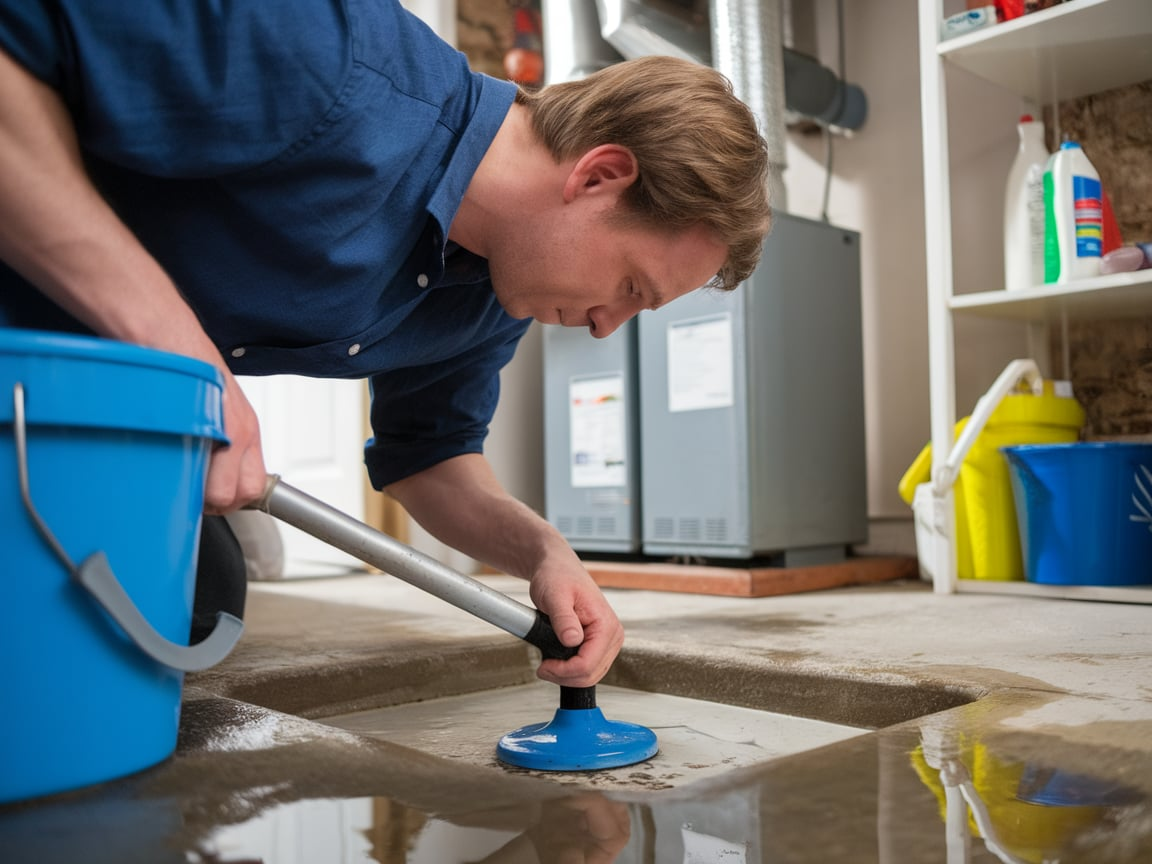
Blocked drains cause frustration. They slow water flow. They create bad smells.
Fixing them is essential. This guide will help. It will explain methods. It will provide solutions.
You can do it yourself. No need to panic. Simple steps work. Let’s get started.
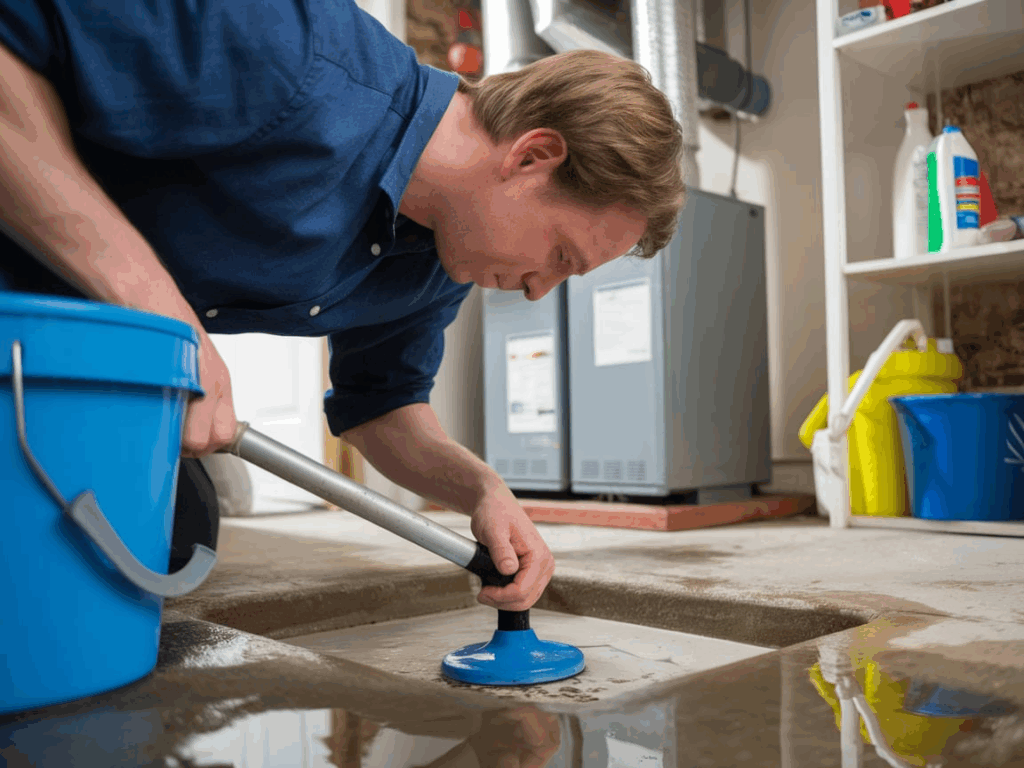
What Causes Blocked Drains?
Hair is a common culprit. It sticks inside pipes. Soap scum builds up. Food scraps clog sinks. Grease hardens over time. Small objects fall in. Tree roots invade pipes. Mineral deposits form blockages. Understanding the cause helps. It guides the solution.
Signs of a Blocked Drain
Water drains slowly. Gurgling sounds come from pipes. Bad odors rise from drains. Water backs up in sinks. Puddles form near floor drains. These signs indicate blockage. Early action prevents bigger problems.
Tools You Will Need
A plunger is essential. A drain snake helps. Baking soda and vinegar work. Hot water can dissolve grease. Rubber gloves protect hands. A bucket catches spills. A wrench may be needed. Having these ready saves time.
How to Unclog a Drain with a Plunger
Fill the sink with water. Cover the overflow hole. Place the plunger over the drain. Push down firmly. Pull up quickly. Repeat several times. The suction clears blockages. Check if water flows. If not try another method.
Using Baking Soda and Vinegar
Pour half a cup of baking soda. Add half a cup of vinegar. Cover the drain. Wait 15 minutes. Pour boiling water after. The reaction breaks down debris. This works for mild clogs. It’s safe for pipes.
The Drain Snake Method
Insert the snake into the drain. Turn the handle clockwise. Push it further if resistance is felt. Rotate to grab the clog. Pull out the debris. Run water to test. This works for deeper blockages. It’s effective for stubborn clogs.
Boiling Water for Grease Clogs
Heat a pot of water. Pour it slowly into the drain. Grease melts and washes away. Repeat if necessary. This works for kitchen sinks. Avoid using on PVC pipes. Hot water can damage them.
Removing Hair Clogs
Use a wire hanger. Straighten it and bend a hook. Fish out hair from the drain. Wear gloves for hygiene. A drain cover prevents future clogs. Clean hair regularly. This keeps drains flowing.
Chemical Drain Cleaners: Yes or No?
They work fast but harm pipes. They contain harsh chemicals. They can cause skin burns. They damage the environment. Natural methods are safer. Use chemicals as a last resort. Always follow instructions carefully.
Preventing Future Blockages
Use drain strainers. Avoid pouring grease down sinks. Rinse food scraps be
fore washing. Flush drains with hot water weekly. Clean shower drains monthly. Teach kids not to flush toys. Prevention saves money.
When to Call a Plumber
Multiple drains clog at once. Water backs up in odd places. DIY methods fail repeatedly. Foul smells persist. Slow drainage continues. These signs need professional help. Plumbers have advanced tools. They fix deep blockages.
Common Mistakes to Avoid
Using too much chemical cleaner. Ignoring early warning signs. Forcing tools and damaging pipes. Pouring grease down drains. Not using drain covers. These mistakes worsen blockages. Avoid them for better results.
Natural Drain Maintenance Tips
Pour baking soda weekly. Follow with vinegar and hot water. Use enzyme cleaners monthly. They break down organic matter. They keep pipes fresh. They are eco-friendly. Regular care prevents clogs.
Unclogging a Toilet
Use a flange plunger. Create a tight seal. Push and pull vigorously. Repeat until water drains. Avoid flushing repeatedly. It causes overflow. If plunging fails use a toilet auger.
Unclogging a Shower Drain
Remove the drain cover. Pull out hair and gunk. Pour baking soda and vinegar. Rinse with hot water. A zip-it tool works well. It’s cheap and effective. Clean shower drains monthly.
Unclogging a Kitchen Sink
Check both sides if double-basin. Use a plunger on one side. Cover the other side. Create strong suction. For garbage disposals turn them off first. Use tongs to remove debris. Never put hands inside.
Dealing with Outdoor Drain Blockages
Clear leaves and dirt. Use a garden hose to flush. A plumber’s snake helps. Check for tree root intrusion. Outdoor drains need regular cleaning. Heavy rain worsens blockages. Stay proactive.
Why Slow Drains Are a Problem
They indicate buildup. They lead to complete blockages. They cause bad odors. They attract pests. Fix them early. Delaying makes it worse. Fast action saves effort.
Final Thoughts
Blocked drains are common. Simple fixes often work. Plungers and snakes help. Natural cleaners are safe. Prevention is key. Regular maintenance avoids clogs. Call professionals when needed. Keep drains flowing smoothly.
FAQs
1. Can boiling water damage pipes?
Yes if pipes are PVC. Use warm water instead. Cast iron handles boiling water. Check pipe material first.
2. How often should I clean drains?
Once a month is ideal. More if you notice slow drainage. Prevention keeps pipes clear.
3. Are chemical drain cleaners safe?
No they harm pipes over time. Use natural methods first. Reserve chemicals for tough clogs.
4. Why does my drain keep clogging?
Hair grease or food buildup. Poor pipe slope can cause it. Tree roots may invade pipes. Investigate the root cause.
5. Can I use a vacuum to unclog drains?
Wet-dry vacuums can work. Set to liquid mode. Cover the drain tightly. Suction pulls out debris.
Unclogging drains is manageable. Follow these steps. Stay patient. Act quickly. Your drains will flow freely again.

Hi, I’m Ashley Miller, a wife, a busy mom, and someone who loves to share all the things that make life a little more fun and beautiful.
From easy DIY projects, delicious recipes, and chic hairstyles to nail ideas and home decor tips, I share everything I’ve learned and love.
My goal is to inspire other women to explore their creativity and make their homes even more special.