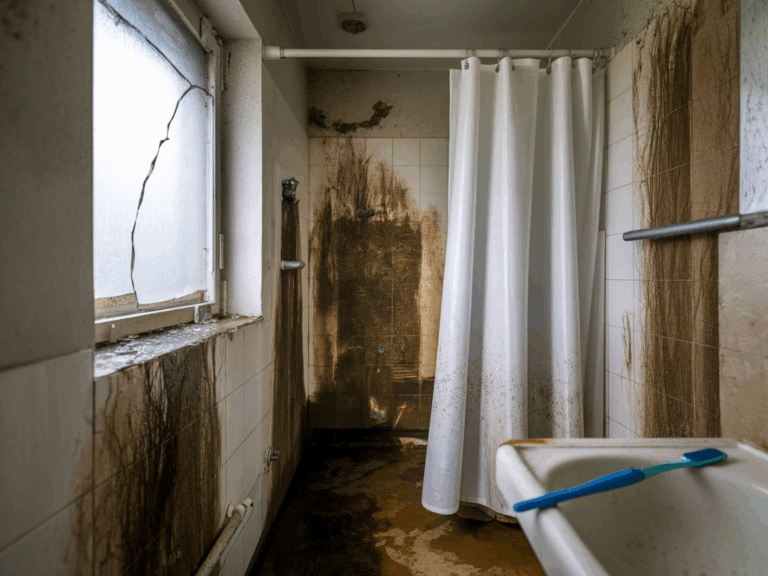
Bathroom Sink Problems And Their Fixes
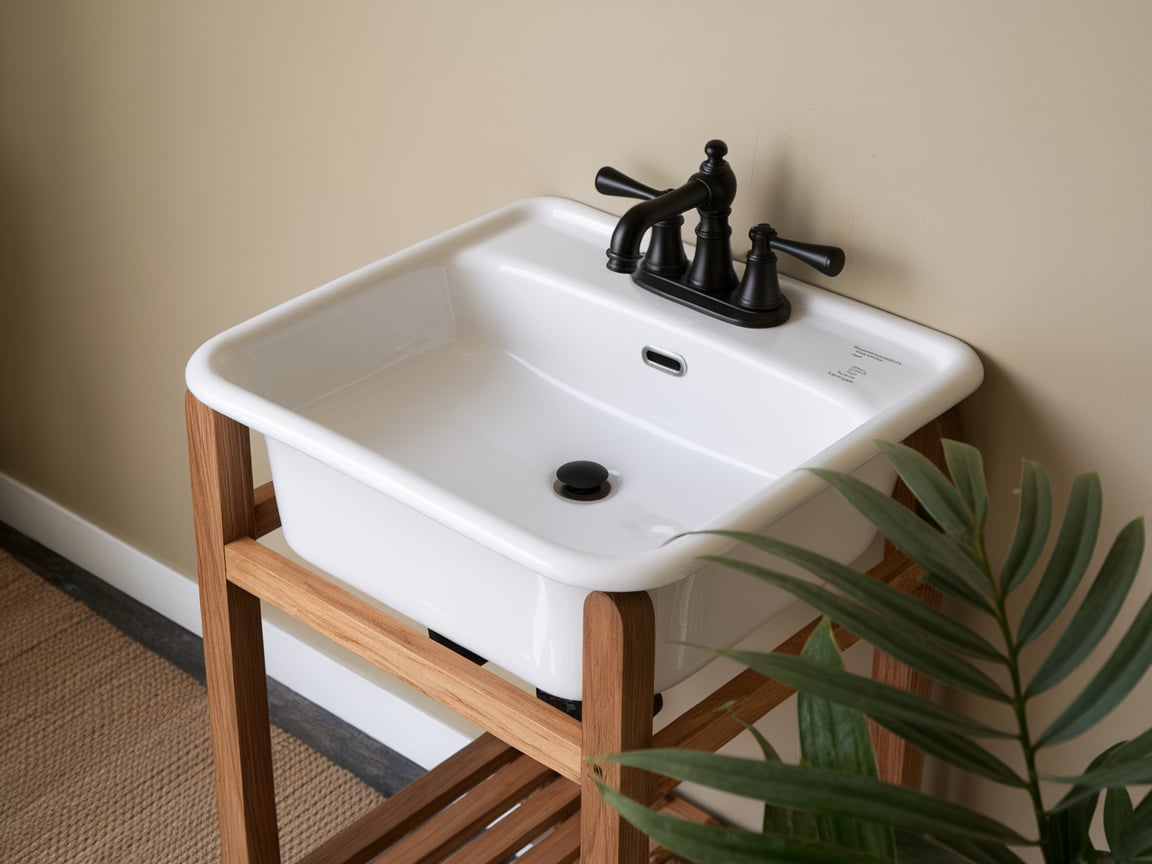
Bathroom sinks face many issues. These problems can disrupt daily life. Some are easy to fix. Some need professional help.
This guide will explain common issues. It will provide solutions. You can save time and money. Proper maintenance prevents bigger problems.
So let’s dive into the details. Knowing how to fix sink problems is useful. Quick action prevents damage. Ignoring issues leads to costly repairs.
Clogged Drain
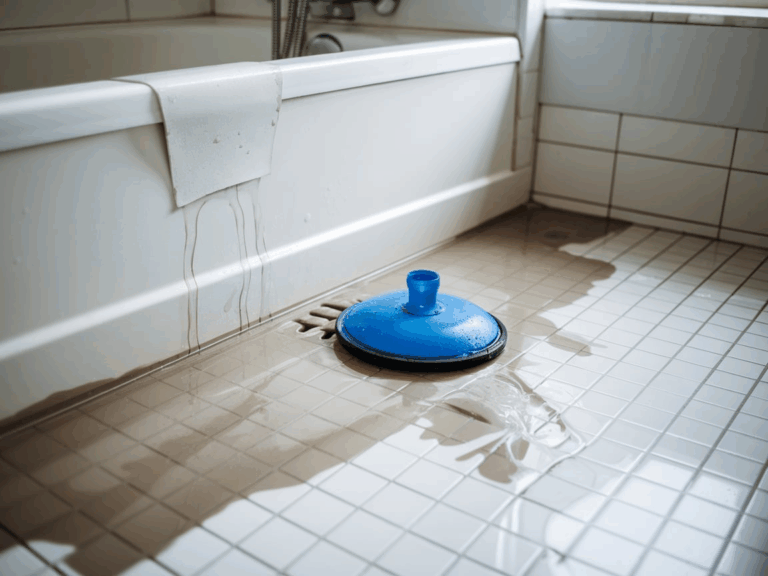
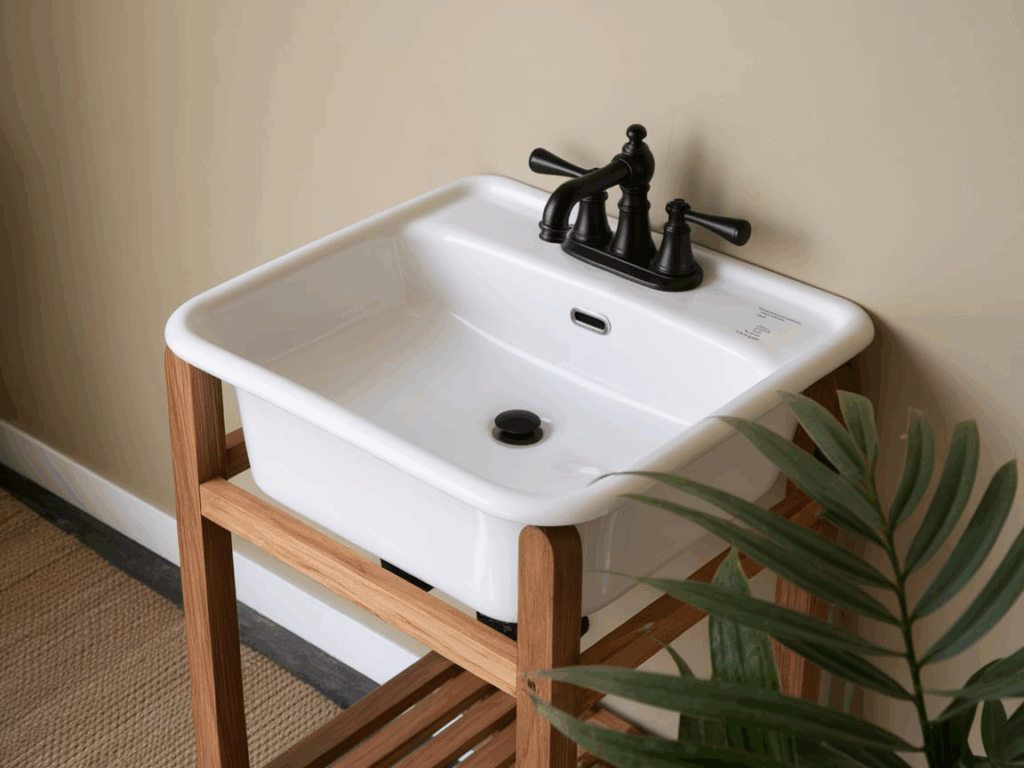
A clogged drain is a common issue. Hair soap and debris block water flow. Water drains slowly or not at all. This creates inconvenience.
How To Fix A Clogged Drain
First remove visible debris. Use gloves for hygiene. A plunger can help. Cover the overflow hole. Push and pull forcefully. This creates suction. It dislodges minor clogs.
For stubborn clogs use a drain snake. Insert it into the drain. Twist and push gently. Pull out trapped debris. Repeat if necessary.
Chemical drain cleaners work but be cautious. They can damage pipes. Natural solutions like baking soda and vinegar are safer. Pour half a cup of baking soda. Follow with half a cup of vinegar. Wait 15 minutes. Flush with hot water.
Prevent future clogs. Use a drain strainer. Clean it regularly. Avoid pouring grease or thick products down the drain.
Leaky Faucet
A leaky faucet wastes water. It causes annoying dripping sounds. The issue often lies in worn-out parts.
How To Fix A Leaky Faucet
First turn off the water supply. Locate the shut-off valves under the sink. Close them tightly.
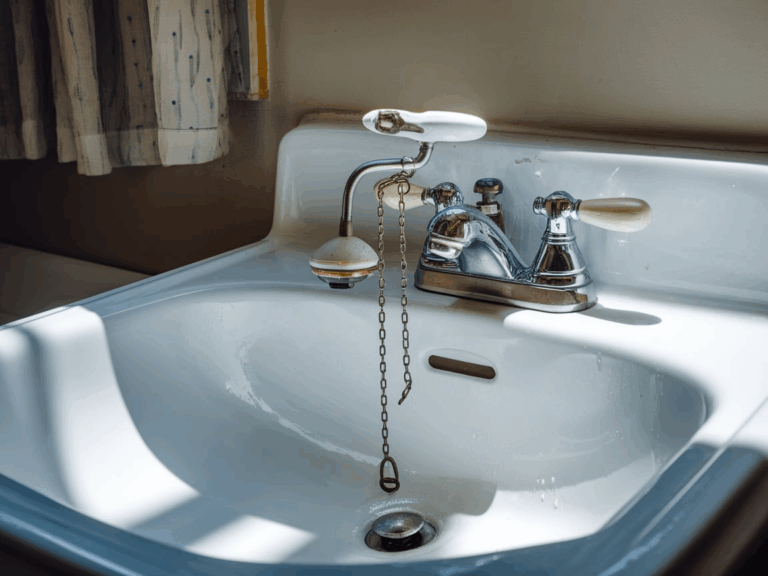
Next identify the faucet type. Compression faucets have separate handles. Cartridge faucets have a single lever. Ball faucets have a rounded cap.
For compression faucets replace the washer. Unscrew the handle. Remove the old washer. Install a new one. Reassemble the faucet.
For cartridge faucets replace the cartridge. Pull out the old one. Insert a new cartridge. Ensure proper alignment.
For ball faucets replace the springs and seals. These parts wear out quickly. A repair kit has all necessary components.
If leaks persist call a plumber. Professional help ensures long-term fixes.
Low Water Pressure
Low water pressure makes washing difficult. The problem may stem from mineral buildup or pipe issues.
How To Fix Low Water Pressure
First check the aerator. Unscrew it from the faucet. Soak it in vinegar overnight. Scrub off mineral deposits. Reattach it.
If pressure remains low inspect supply lines. Ensure valves are fully open. Check for kinks or leaks. Replace damaged pipes.
Hard water causes mineral buildup. Install a water softener. It prevents future blockages.
If the issue persists consult a plumber. Hidden pipe problems may exist.
Strange Noises
Sinks sometimes make odd sounds. Gurgling or whistling noises indicate problems.
How To Fix Strange Noises
Gurgling sounds suggest venting issues. The vent pipe may be blocked. Locate the vent on the roof. Clear debris or call a professional.
Whistling noises indicate high water pressure. Install a pressure regulator. It stabilizes water flow.
Loose pipes cause rattling sounds. Tighten mounting brackets. Secure loose parts.
Cracked Sink
Cracks in the sink lead to leaks. They worsen over time.
How To Fix A Cracked Sink
Small cracks can be sealed. Use epoxy putty. Clean the area. Apply the putty. Let it dry. Sand it smooth.
For large cracks replace the sink. Turn off water supply. Disconnect pipes. Remove the old sink. Install a new one. Ensure proper sealing.
Porcelain sinks can be reglazed. This is a temporary fix. Professional reglazing lasts longer.
Loose Handles
Loose handles make using the sink difficult. They wobble or spin freely.
How To Fix Loose Handles
Tighten the handle screw. Locate the screw under a decorative cap. Use a screwdriver to secure it.
If the screw is stripped replace it. Match the size and type. A new screw provides better grip.
For cartridge handles realign the mechanism. Remove the handle. Adjust the cartridge. Reattach firmly.
Bad Odors
Foul smells come from the drain. Bacteria and debris cause this.
How To Fix Bad Odors
Pour boiling water down the drain. It kills bacteria. Repeat weekly.
Use baking soda and vinegar. This combo cleans pipes. Flush with hot water afterward.
Check the P-trap. Place a bucket underneath. Unscrew the trap. Clean out debris. Reinstall it tightly.
Rust Stains
Rust stains look unsightly. They form due to metal corrosion.
How To Fix Rust Stains
Use a paste of baking soda and water. Scrub gently. Rinse thoroughly.
Commercial rust removers work faster. Follow instructions carefully. Avoid harsh scrubbing.
Prevent rust by drying the sink after use. Fix leaky faucets promptly.
Pop-Up Drain Issues
Pop-up drains get stuck. They fail to open or close properly.
How To Fix Pop-Up Drain Issues
Remove the drain stopper. Clean hair and debris. Lubricate the mechanism. Reinstall it.
Adjust the lift rod. Locate the pivot rod under the sink. Loosen the nut. Reposition the rod. Tighten the nut.
If the problem continues replace the assembly. New parts ensure smooth operation.
Water Stains
Water stains leave marks on the sink. They result from mineral deposits.
How To Fix Water Stains
Wipe the sink daily. Use a soft cloth. This prevents buildup.
For tough stains use lemon juice. Its acidity dissolves minerals. Rinse well.
Vinegar also works. Soak a cloth in vinegar. Place it on stains. Wait an hour. Scrub lightly.
Overflowing Sink
An overflowing sink causes water damage. Clogs or faulty parts are usually to blame.
How To Fix An Overflowing Sink
Turn off the water immediately. Use a cup to remove excess water.
Clear the clog with a plunger. If water drains slowly snake the drain.
Check the overflow hole. Clean it with a brush. Ensure it’s not blocked.
Loose Sink
A wobbly sink is unsafe. It can detach from the counter.
How To Fix A Loose Sink
Tighten mounting clips. Locate them under the sink. Use a screwdriver.
If clips are missing install new ones. Ensure proper alignment.
For undermount sinks apply fresh adhesive. Clean the area. Use a strong sealant. Let it cure.
Final Thoughts
Bathroom sink problems are common. Most have simple fixes. Regular maintenance prevents major issues.
Clogs need immediate attention. Leaks waste water and money. Strange noises indicate underlying problems.
DIY solutions work for minor issues. For complex problems hire a professional. A well-maintained sink lasts longer.
FAQs
- Why does my sink drain slowly?
Hair and debris block the drain. Clean it regularly. Use a drain snake for stubborn clogs. - How do I stop my faucet from dripping?
Replace worn-out washers or cartridges. Tighten loose parts. - What causes low water pressure?
Mineral buildup in the aerator or pipes. Clean or replace the aerator. - Can I fix a cracked sink myself?
Small cracks can be sealed with epoxy. Large cracks need sink replacement. - How do I remove bad smells?
Clean the drain with baking soda and vinegar. Flush with hot water. - Why is my sink loose?
Loose mounting clips or adhesive. Tighten clips or reapply sealant. - How do I prevent rust stains?
Dry the sink after use. Fix leaks promptly. Use rust-resistant materials.
By following these tips you can keep your bathroom sink in top condition. Quick fixes save money and hassle. Stay proactive for a trouble-free sink.

Hi, I’m Ashley Miller, a wife, a busy mom, and someone who loves to share all the things that make life a little more fun and beautiful.
From easy DIY projects, delicious recipes, and chic hairstyles to nail ideas and home decor tips, I share everything I’ve learned and love.
My goal is to inspire other women to explore their creativity and make their homes even more special.