Bathroom Ceiling Condensation Problems and Their Fixes
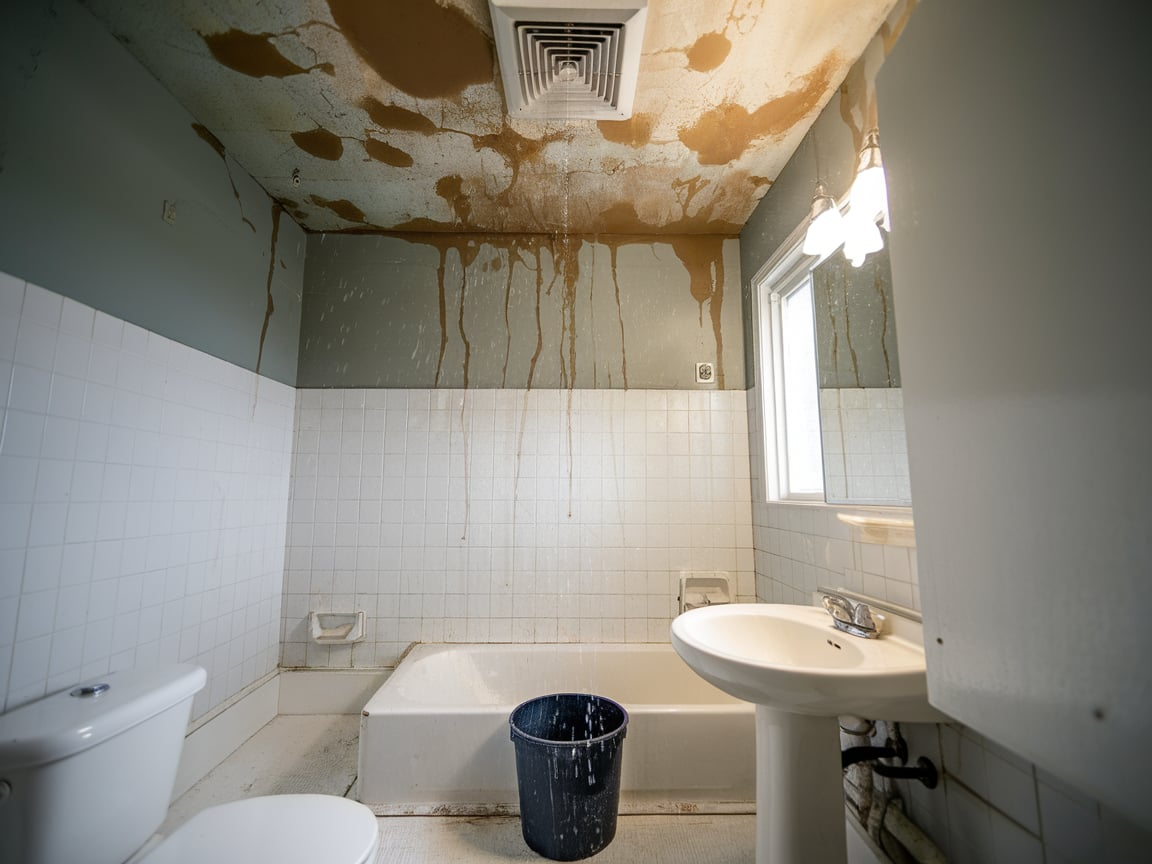
Bathrooms get steamy. Hot showers create moisture. This moisture rises. It hits the ceiling. Condensation forms.
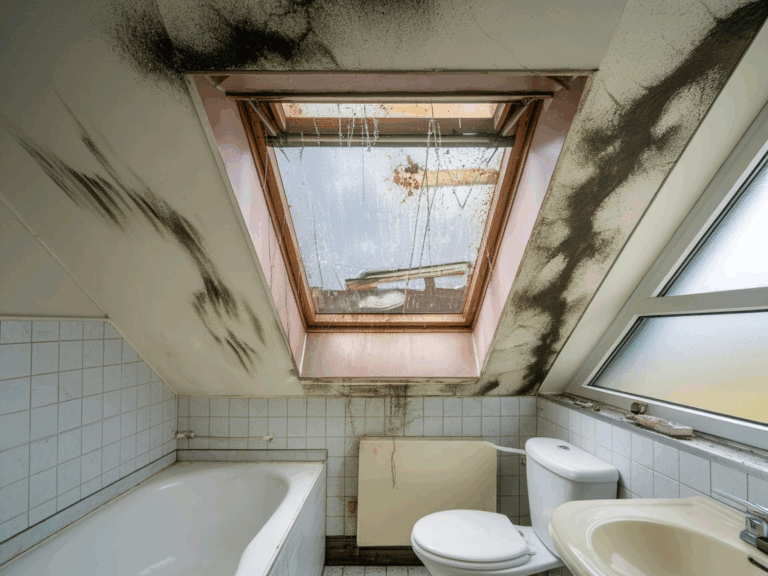
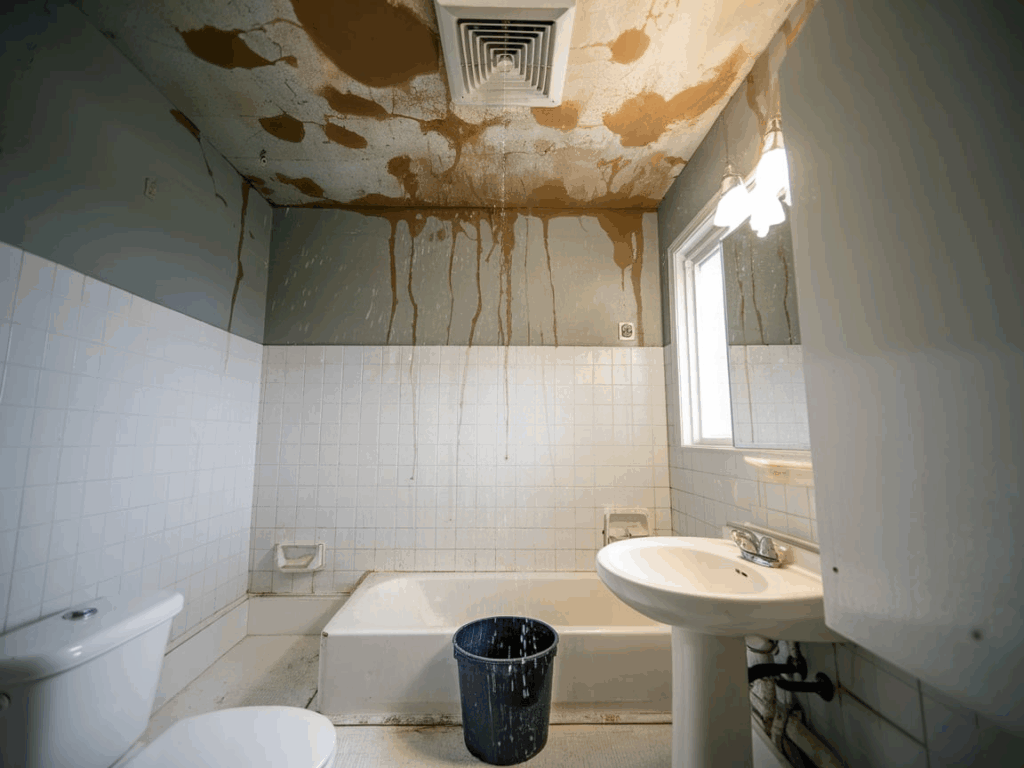
Over time problems arise. Mold grows. Paint peels. Stains appear. The ceiling weakens.
This article will explain. It will give solutions. You must act fast. Ignoring it causes damage. So let’s fix it.
What Causes Bathroom Ceiling Condensation?
Condensation happens. Warm air meets cold surfaces. The bathroom gets hot. The ceiling stays cool. Water droplets form. This is condensation. Several factors worsen it.
Poor Ventilation
Bathrooms need airflow. Steam must escape. Without ventilation moisture stays. It settles on ceilings. Fans help. Open windows help. Without these condensation builds.
High Humidity Levels
Hot showers raise humidity. Long showers make it worse. Humidity lingers. It clings to ceilings. Over time damage occurs.
Lack of Insulation
Cold ceilings attract moisture. Poor insulation worsens it. Warm air hits cold surfaces. Water forms quickly. Proper insulation reduces this.
Weak Exhaust Fans
Fans must work well. Weak fans fail to remove steam. Old fans lose power. Blocked vents restrict airflow. This traps moisture inside.
Signs of Ceiling Condensation Problems
How do you know? Look for these signs.
Water Droplets
Tiny drops form. They collect on ceilings. This is the first sign.
Peeling Paint
Moisture weakens paint. It bubbles up. It cracks. It peels off.
Mold Growth
Black or green spots appear. Mold loves dampness. It spreads fast. It harms health.
Stains and Discoloration
Yellow or brown stains form. They look ugly. They signal moisture damage.
Sagging Ceiling
Severe cases cause sagging. Water soaks into materials. The ceiling weakens. It may collapse.
How to Fix Bathroom Ceiling Condensation
Act now. Prevent further damage. Follow these fixes.
Improve Ventilation
Let steam escape. Use these methods.
Install a Strong Exhaust Fan
Buy a powerful fan. Check the CFM rating. Match it to room size. Run it during showers. Leave it on after.
Open Windows
Fresh air helps. Open windows while showering. Steam exits naturally.
Use a Dehumidifier
This device removes moisture. Place it in the bathroom. Run it after showers.
Upgrade Insulation
Stop cold ceilings. Insulate properly.
Add Ceiling Insulation
Use foam boards. Use fiberglass. These keep ceilings warm.
Install a Vapor Barrier
This blocks moisture. It goes behind drywall. It prevents dampness.
Repair Damaged Areas
Fix existing issues.
Remove Mold
Scrub with bleach. Use mold-killing spray. Wear gloves.
Repaint with Mold-Resistant Paint
Choose special paint. It resists moisture. It stops mold growth.
Fix Leaks
Check pipes. Check roofs. Leaks add moisture. Repair them fast.
Reduce Humidity
Lower steam levels.
Take Cooler Showers
Hot water creates steam. Warm showers help.
Shorten Shower Time
Less time means less steam.
Wipe Surfaces Dry
Use a squeegee. Wipe walls and ceilings. Remove excess water.
Prevent Future Condensation
Stop problems before they start.
Use a Bathroom Fan Timer
Fans should run longer. Timers keep them on. They remove leftover steam.
Seal Gaps and Cracks
Moisture sneaks in. Seal edges. Use caulk.
Choose Moisture-Resistant Materials
Pick the right ceiling. Use PVC panels. Use cement board. They handle moisture well.
Monitor Humidity Levels
Buy a hygrometer. It measures humidity. Keep levels below 50%.
When to Call a Professional
Some cases need experts.
Severe Mold Infestation
Large mold patches spread. Professionals remove it safely.
Structural Damage
Ceilings sag badly. They may collapse. Experts reinforce them.
Faulty Ventilation Systems
Fans don’t work. Ducts are blocked. HVAC specialists fix this.
Final Thoughts
Condensation causes damage. It leads to mold. It weakens ceilings. Fix it quickly. Improve ventilation. Reduce humidity. Repair damage. Prevent future issues. A dry bathroom stays safe. A healthy home matters. Act now. Protect your ceiling.
FAQs
1. How do I know if my bathroom has too much condensation?
Look for water droplets. Check for mold. Peeling paint is a sign. Stains also indicate excess moisture.
2. Can condensation cause health problems?
Yes. Mold spores harm lungs. They trigger allergies. They cause breathing issues.
3. How long should I run the exhaust fan after a shower?
Run it for 20-30 minutes. This removes leftover steam.
4. Will a dehumidifier help with bathroom condensation?
Yes. It pulls moisture from air. Use it alongside fans.
5. What is the best ceiling material for bathrooms?
PVC panels resist moisture. Cement board is durable. Avoid regular drywall.
6. Can I paint over mold to hide it?
No. Paint won’t kill mold. Scrub it first. Use mold-resistant paint.
7. How often should I check for leaks?
Inspect pipes monthly. Check roofs yearly. Fix leaks immediately.
8. Is condensation worse in winter?
Yes. Cold ceilings attract more moisture. Insulation helps.
9. Can plants reduce bathroom humidity?
No. Plants add moisture. Remove them from bathrooms.
10. What humidity level is safe for bathrooms?
Keep it below 50%. Use a hygrometer to monitor.
Follow these tips. Stop condensation. Keep your bathroom safe.

Hi, I’m Ashley Miller, a wife, a busy mom, and someone who loves to share all the things that make life a little more fun and beautiful.
From easy DIY projects, delicious recipes, and chic hairstyles to nail ideas and home decor tips, I share everything I’ve learned and love.
My goal is to inspire other women to explore their creativity and make their homes even more special.