Bathroom Faucet Removal Problems And Their Fixes
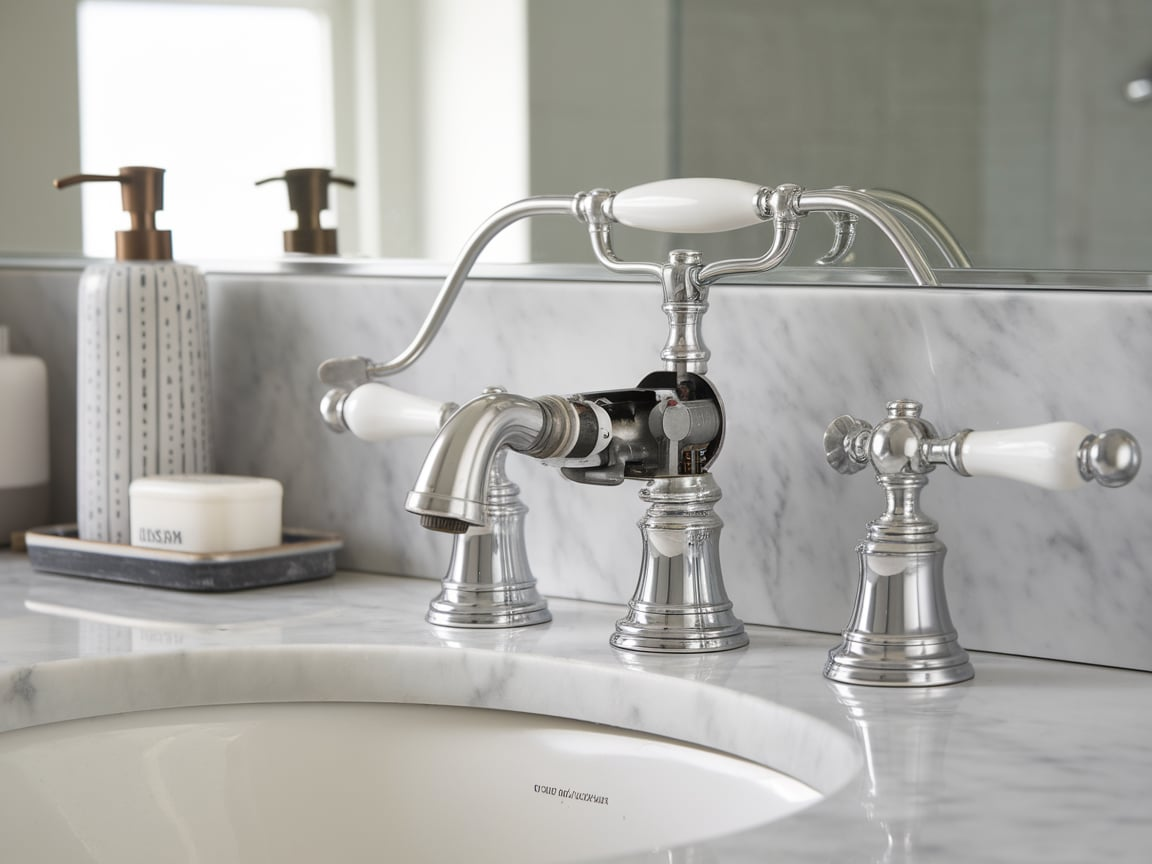
Bathroom faucets wear out. They start leaking. They get old. You may need to remove them.
But removal can be tricky. Many face problems. This article will help. It will explain common issues. It will give solutions. You can fix things yourself.
So let’s learn everything. Proper removal prevents damage. Some problems are easy. Some need extra care. Understanding the process helps. It saves time. It avoids frustration.
Why Remove A Bathroom Faucet?
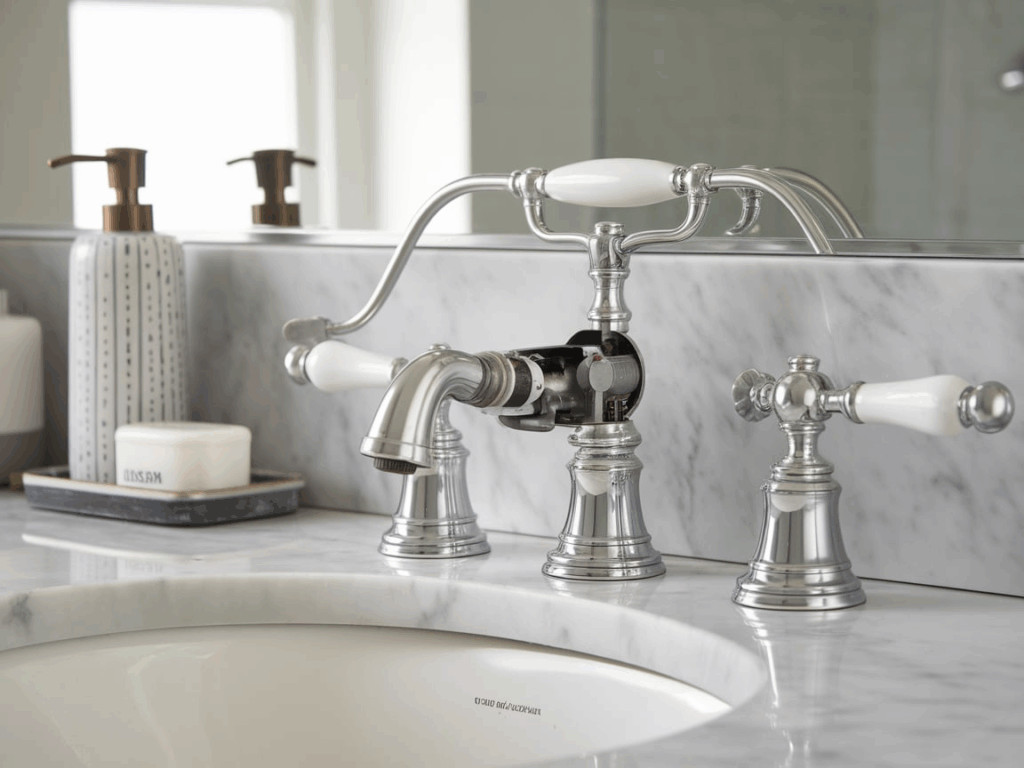
Faucets fail over time. They drip constantly. They rust. They look bad. A new one improves function. It upgrades style. But first you must remove the old one.
Removal seems simple. But hidden problems arise. Stuck nuts cause trouble. Corrosion makes things hard. Water lines may leak. Knowing fixes helps. You can handle surprises.
Common Bathroom Faucet Removal Problems And Their Fixes
Problem 1: Stuck Mounting Nuts
Mounting nuts hold faucets. They sit under the sink. Over time they seize. Rust binds them tight. Wrenches slip. Hands won’t turn them.
Fix:
Use penetrating oil. Spray it on nuts. Wait 15 minutes. Try again. If still stuck use a basin wrench. It reaches tight spaces. For extreme cases cut the nut. A rotary tool works. Replace with new nuts.
Problem 2: Corroded Bolts
Bolts rust badly. They fuse to washers. They snap when forced. Broken bolts complicate removal.
Fix:
Apply rust dissolver. Let it soak. Use vice grips for better hold. Turn slowly. If bolts break drill them out. Replace all hardware. Stainless steel bolts resist future rust.
Problem 3: Tight Access Under Sink
Sink cabinets are cramped. Hands barely fit. Seeing parts is hard. Tools feel awkward.
Fix:
Use a headlamp for light. Try a mirror to see. A basin wrench helps. Its long handle reaches. Flexible extensions on sockets work. Work patiently. Small movements matter.
Problem 4: Water Supply Lines Won’t Budge
Shutoff valves connect lines. They stick after years. Turning them strips threads. Leaks start.
Fix:
Turn water off first. Use two wrenches. One holds the valve. One turns the line. This prevents twisting. If lines are stuck heat them slightly. Replace old lines. Braided stainless lines last longer.
Problem 5: Old Caulk Holds Faucet Tight
Caulk seals faucet bases. It hardens like glue. Prying damages sinks.
Fix:
Slice caulk with a utility knife. Be gentle. Use plastic pry tools. Avoid metal scrapers. They scratch. Clean residue after. New caulk will reseal later.
Problem 6: Stripped Screws
Screw heads get damaged. Drivers spin uselessly.
Fix:
Use a rubber band for grip. Press hard. Try a screw extractor tool. Drill carefully if needed. Replace screws with new ones.
Problem 7: Broken Parts Inside
Handles break. Stems snap. Debris falls into pipes.
Fix:
Use needle-nose pliers. Retrieve broken pieces. Cover drains to block debris. Replace all damaged parts.
Problem 8: Leaks After Reinstallation
New faucets sometimes leak. Loose connections cause this.
Fix:
Check all fittings. Tighten carefully. Use thread seal tape. Test slowly. Fix leaks fast to avoid damage.
Tools Needed For Faucet Removal
Having the right tools helps. It makes work easier. Here’s what you need:
- Adjustable wrench
- Basin wrench
- Screwdrivers
- Pliers
- Utility knife
- Penetrating oil
- Flashlight
- Bucket for water
Steps To Remove A Bathroom Faucet
Follow these steps. Avoid mistakes.
- Turn off water – Shut valves under sink. Open faucet to drain.
- Disconnect supply lines – Use wrenches. Catch drips with a towel.
- Remove handles – Unscrew or pry off caps. Take out screws.
- Loosen mounting nuts – Use a basin wrench. Go slow.
- Lift old faucet out – Clear any caulk or debris.
- Clean the surface – Remove old putty or gunk.
- Install new faucet – Follow reverse steps.
Preventing Future Removal Problems
New faucets will need removal someday. Make it easier now.
- Apply anti-seize on threads.
- Use plastic washers. They resist sticking.
- Avoid overtightening. It causes future struggles.
- Check connections yearly. Fix small issues early.
When To Call A Plumber
Some jobs need pros. Call if:
- Pipes are severely corroded.
- Valves won’t shut off.
- Major leaks happen.
- You lack tools or confidence.
Final Thoughts
Faucet removal has challenges. But solutions exist. Rusty nuts loosen with oil. Tight spaces need the right tools. Leaks stop with proper sealing.
Stay patient. Work safely. Fix issues step by step. Your new faucet will work perfectly. A smooth removal means a better upgrade.
FAQs
- Why won’t my faucet nuts turn?
Rust locks them. Use penetrating oil. Wait then try again. A basin wrench helps. - What if water leaks after removal?
Check shutoff valves. Tighten them. Replace worn washers. - Can I remove a faucet without a basin wrench?
Yes but it’s harder. Pliers may work. But a basin wrench is best. - How do I prevent rust on new faucet parts?
Use stainless steel hardware. Apply anti-seize compound. Keep areas dry. - Should I replace supply lines too?
Yes. Old lines crack. New braided lines prevent leaks.
Now you’re ready. Remove that old faucet. Fix problems correctly. Enjoy a leak-free bathroom.

Hi, I’m Ashley Miller, a wife, a busy mom, and someone who loves to share all the things that make life a little more fun and beautiful.
From easy DIY projects, delicious recipes, and chic hairstyles to nail ideas and home decor tips, I share everything I’ve learned and love.
My goal is to inspire other women to explore their creativity and make their homes even more special.