Should You Have a TV in the Bedroom?
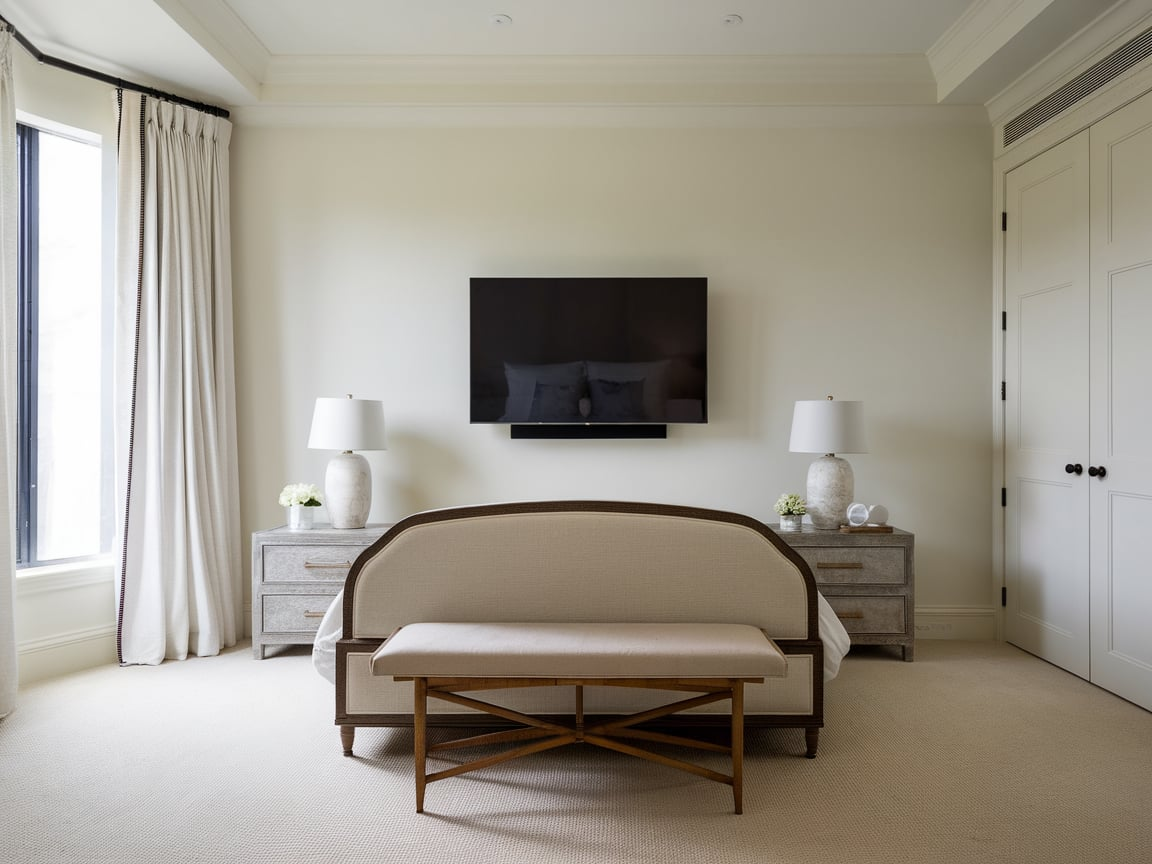
Many people love TVs. They enjoy watching shows. They enjoy watching movies. But is it good to have a TV in the bedroom? This article will explain. It will give details. It will help you decide. You must know the pros. You must know the cons. Your sleep matters. Your health matters.
So let’s learn everything. Resistance to poor sleep habits makes a big difference. Some habits can help. Some habits can hurt. Understanding sleep hygiene leads to better rest.
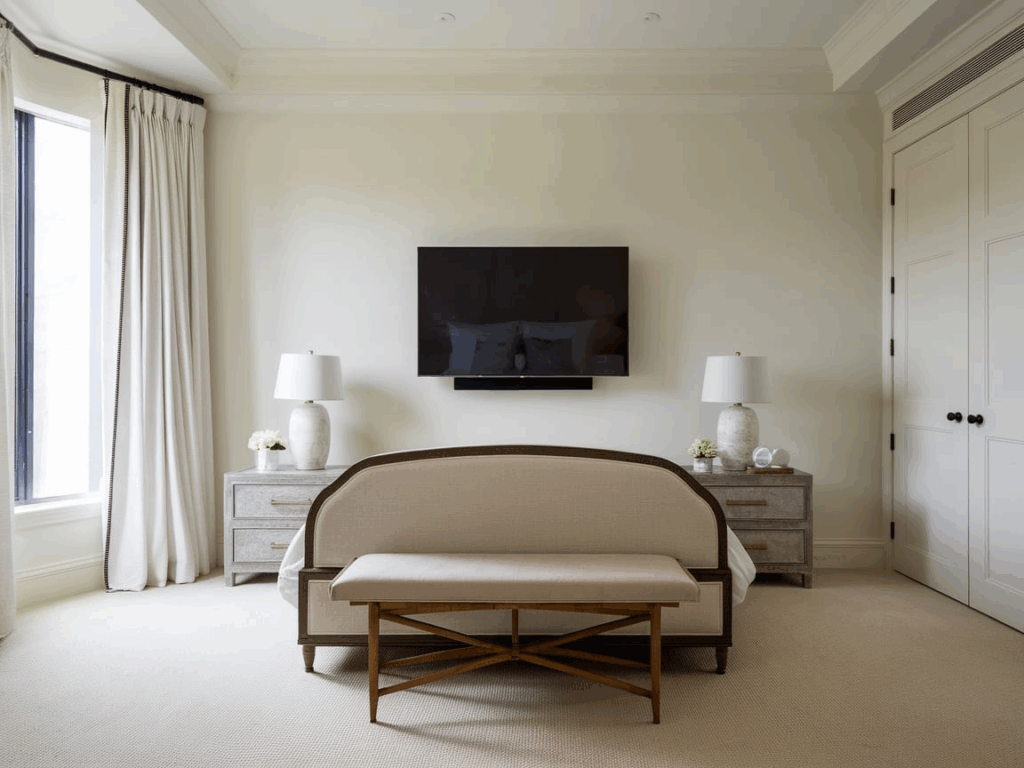
What Are the Pros of Having a TV in the Bedroom?
A TV in the bedroom has benefits. It provides entertainment. It helps you relax. Some people fall asleep watching shows. Some enjoy late-night movies. It feels cozy. It feels convenient. But is it really good? Let’s explore further.
Entertainment Before Sleep
Watching TV can be fun. It distracts from stress. It helps unwind after work. Some find it calming. The background noise can feel soothing. This may help some people sleep. But not everyone reacts the same way.
Convenience and Comfort
Having a TV in the bedroom means no need to move. You can stay in bed. You avoid going to the living room. This feels comfortable. It saves time. It feels lazy in a good way. But comfort does not always mean health.
Bonding Time
Couples may watch shows together. This can strengthen relationships. It creates shared experiences. It gives something to talk about. But it can also reduce real conversation. Balance is key.
What Are the Cons of Having a TV in the Bedroom?
The downsides are serious. They affect sleep. They affect health. They affect daily life. Ignoring these risks can cause long-term problems.
Poor Sleep Quality
TVs emit blue light. This tricks the brain. The brain thinks it is daytime. Melatonin production drops. Falling asleep becomes harder. Deep sleep reduces. You wake up tired. Poor sleep leads to many health issues.
Increased Distraction
A TV tempts you to watch more. You may delay sleep. You binge-watch shows. Time passes quickly. Before you know it, it is late. The next day feels exhausting. This cycle repeats. Productivity drops.
Less Intimacy
Couples may talk less. They focus on the screen. They ignore each other. Physical intimacy may reduce. Emotional connection weakens. A bedroom should be for rest and bonding. A TV can disrupt this.
Bad for Mental Health
Late-night TV can increase anxiety. News can cause stress. Scary shows can cause nightmares. Overstimulation before bed is harmful. The mind needs calmness. A TV does the opposite.
What Science Says About Bedroom TVs
Research supports the cons. Studies show screens harm sleep. The National Sleep Foundation warns against TVs in bedrooms. Doctors recommend screen-free zones. Sleep experts suggest reading instead. Science proves better sleep means better health.
Blue Light Effect
Screens emit blue light. This light suppresses melatonin. Melatonin regulates sleep. Less melatonin means worse sleep. The effect is strong. Even dim screens cause problems.
Sleep Disruption
TV noise affects sleep. Sudden volume changes wake you up. Even if you sleep through it, the brain reacts. Deep sleep reduces. You wake up groggy. Consistent poor sleep harms immunity.
Increased Obesity Risk
Poor sleep links to weight gain. Late-night TV leads to snacking. People eat more junk food. Metabolism slows down. Hormones controlling hunger get disrupted. Obesity risks rise.
How to Remove a TV from the Bedroom
If you decide to remove the TV, follow these steps. It may feel hard at first. But the benefits are worth it.
Step 1: Find an Alternative
Move the TV to another room. Use a laptop if needed. Watch shows in the living room. Create a new routine. This reduces temptation.
Step 2: Replace with Better Habits
Read a book before bed. Listen to calming music. Try meditation. These improve sleep. They relax the mind. They do not harm like TV does.
Step 3: Stick to the Change
The first few days feel tough. But soon, sleep improves. Energy levels rise. Mood gets better. Commitment ensures long-term success.
Safe Alternatives to Bedroom TV
If you still want entertainment, try these. They are healthier. They do not ruin sleep.
Audiobooks and Podcasts
Listening is better than watching. It does not emit blue light. Choose relaxing content. Avoid thrilling stories. This helps the mind wind down.
White Noise Machines
These create soothing sounds. Rain, ocean waves, or soft music work well. They mask outside noise. They promote deep sleep.
Reading Real Books
Paper books do not emit light. They reduce stress. They improve focus. They prepare the brain for sleep.
What to Do If You Keep the TV
If you cannot remove the TV, minimize harm. Follow these tips.
Set a Timer
Use the sleep timer function. This turns the TV off automatically. It prevents all-night watching. It helps control usage.
Reduce Brightness
Lower screen brightness. Enable night mode. This reduces blue light. It lessens the harm.
Watch Calm Content
Avoid action movies before bed. Avoid stressful news. Choose light shows. Choose relaxing documentaries.
Final Thoughts
A TV in the bedroom seems nice. But it hurts sleep. It harms health. The risks outweigh the benefits. Removing it leads to better rest. Better rest means a better life.
Choose health over convenience. Your body will thank you. Your mind will thank you. Make the change today.
FAQs
1. Can watching TV in bed cause insomnia?
Yes. Blue light disrupts sleep. It tricks the brain. It delays sleep. Over time, this can cause insomnia.
2. Is it bad for kids to have a TV in their room?
Very bad. Kids need more sleep. TVs reduce sleep quality. They also distract from homework. They harm development.
3. How long before bed should I stop watching TV?
At least one hour. Two hours is better. This lets melatonin rise naturally. It improves sleep quality.
4. Can I use my phone instead of a TV in bed?
No. Phones also emit blue light. They are just as harmful. Avoid all screens before bed.
5. What is the best way to fall asleep without TV?
Read a book. Listen to soft music. Practice deep breathing. These methods work better. They do not disrupt sleep.

Hi, I’m Ashley Miller, a wife, a busy mom, and someone who loves to share all the things that make life a little more fun and beautiful.
From easy DIY projects, delicious recipes, and chic hairstyles to nail ideas and home decor tips, I share everything I’ve learned and love.
My goal is to inspire other women to explore their creativity and make their homes even more special.