Why Is My Patio Umbrella Moldy?
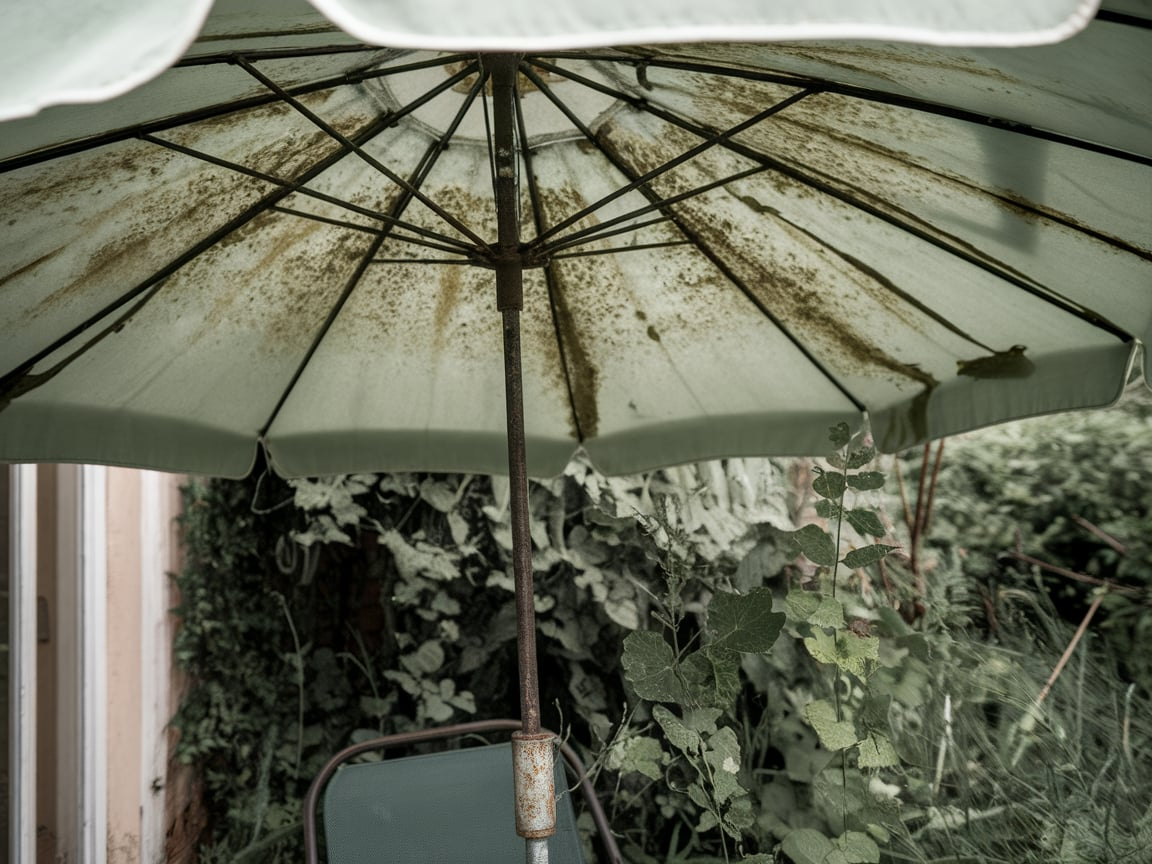
Patio umbrellas provide shade. They make outdoor spaces comfortable. But sometimes they get moldy. This is a common issue. Mold looks bad. It smells bad. It can even be harmful.
So why does this happen? This article will explain. It will give details. It will help you prevent mold. You must know the causes. You must know the solutions. Your umbrella’s condition matters.
So let’s learn everything. Resistance to mold growth makes a big difference. Some factors encourage mold. Some steps can stop it. Understanding umbrella care leads to longer-lasting shade protection.
What Causes Mold on Patio Umbrellas?
Mold grows in damp conditions. It thrives in moisture. It loves shade. It spreads quickly. Several factors contribute to mold growth. Let’s look at them.
Moisture Trapping
Umbrellas get wet. Rain soaks them. Morning dew dampens them. If they stay wet mold forms. Fabric holds moisture. The folds trap water. Without proper drying mold takes over.
Lack of Airflow
Air helps things dry. Tight spaces stay damp. Umbrellas stored closed stay wet. The moisture has no escape. This creates a perfect mold environment.
Organic Material
Mold feeds on organic matter. Dust collects on umbrellas. Pollen sticks to fabric. These provide food for mold. Dirty umbrellas mold faster.
Warm Temperatures
Heat speeds up mold growth. Humid weather makes it worse. Summer rains increase the risk. The combination of warmth and moisture is ideal for mold.
How to Prevent Mold on Patio Umbrellas?
Prevention is the best solution. Stopping mold before it starts saves effort. Here are key steps to keep your umbrella mold-free.
Dry It Completely
Never store a wet umbrella. Always let it dry first. Open it under the sun. The heat will evaporate moisture. Wind helps too. Ensure no dampness remains before closing.
Clean It Regularly
Dirt attracts mold. Wash your umbrella often. Use mild soap and water. Scrub gently with a soft brush. Rinse thoroughly. Let it dry completely.
Use a Protective Cover
Covers shield from rain. They block morning dew. Choose a breathable cover. This prevents trapped moisture. It also keeps dust away.
Store It Properly
Take it down in bad weather. High winds can damage it. Storing it indoors during winter helps. A dry garage or shed works well.
Apply Mold-Resistant Spray
Special sprays prevent mold. They create a protective layer. Apply after cleaning. Follow the product instructions. This adds extra defense.
How to Remove Mold from a Patio Umbrella
If mold already exists act fast. Delaying makes it worse. Here’s how to clean it safely.
Step 1: Take It Outside
Mold spores spread indoors. Work in an open area. This protects your health. It also prevents mess.
Step 2: Brush Off Loose Mold
Use a soft brush. Gently scrub the surface. This removes surface mold. Do this before washing.
Step 3: Prepare a Cleaning Solution
Mix water and vinegar. Equal parts work best. Vinegar kills mold naturally. For tough mold add baking soda.
Step 4: Scrub the Fabric
Dip a sponge in the solution. Scrub the moldy areas. Be gentle but thorough. Let it sit for 10 minutes.
Step 5: Rinse Well
Use a hose to rinse. Remove all cleaning residue. Leftover vinegar can damage fabric.
Step 6: Dry Completely
Open the umbrella fully. Let the sun dry it. Ensure no damp spots remain.
When to Replace a Moldy Umbrella
Sometimes cleaning isn’t enough. Severe mold damage may require replacement. Here are signs it’s time for a new umbrella.
Persistent Mold Stains
Deep stains won’t fade. They may weaken the fabric. If mold keeps returning replacement is best.
Foul Odor
Strong smells linger. They indicate deep mold growth. No cleaning removes this.
Fabric Damage
Mold eats through material. Holes or tears mean it’s too late. A damaged umbrella won’t last.
Health Concerns
Mold causes allergies. It triggers breathing issues. If health risks exist get a new umbrella.
Best Materials for Mold-Resistant Umbrellas
Some materials resist mold better. Choosing the right fabric helps. Here are top options.
Sunbrella Fabric
This is a popular choice. It resists mold and mildew. It dries quickly. It lasts long.
Polyester with Coating
Polyester is durable. A waterproof coating helps. It repels water and prevents mold.
Olefin Fabric
This is synthetic. It resists moisture. It’s also UV-resistant. Great for outdoor use.
Acrylic
Acrylic is strong. It handles weather well. It doesn’t hold moisture easily.
Common Mistakes That Cause Mold
Avoid these errors to keep your umbrella safe.
Leaving It Open in Rain
Rain soaks the fabric. Closed umbrellas dry faster. Always close it during storms.
Storing It Dirty
Dirt holds moisture. Always clean before storing. This prevents hidden mold.
Ignoring Small Spots
Early mold is easier to clean. Don’t wait until it spreads. Act at the first sign.
Using Harsh Chemicals
Bleach damages fabric. It weakens fibers. Stick to gentle cleaners.
Final Thoughts
Moldy umbrellas are a nuisance. But they can be prevented. Proper care stops mold growth. Regular cleaning keeps it fresh. Smart storage extends its life.
If mold appears act fast. Clean it thoroughly. Dry it completely. Replace it if needed.
A well-maintained umbrella lasts longer. It stays looking good. It provides better shade. Follow these tips for a mold-free outdoor experience.
FAQs
1. Can I use bleach to clean mold?
No. Bleach weakens fabric. It causes fading. Use vinegar instead. It kills mold safely.
2. How often should I clean my umbrella?
Clean it every few months. More often in rainy seasons. Regular cleaning prevents mold.
3. Can mold grow on metal umbrella frames?
Yes. Moisture causes rust. Wipe frames dry. Keep them clean to prevent damage.
4. Does sunlight kill mold?
Yes. UV rays help. But sunlight alone isn’t enough. Clean first then dry in the sun.
5. Can I pressure wash my umbrella?
No. High pressure damages fabric. Use gentle hand washing instead. This protects the material.

Hi, I’m Ashley Miller, a wife, a busy mom, and someone who loves to share all the things that make life a little more fun and beautiful.
From easy DIY projects, delicious recipes, and chic hairstyles to nail ideas and home decor tips, I share everything I’ve learned and love.
My goal is to inspire other women to explore their creativity and make their homes even more special.