Why Is My Leather Sofa Peeling?
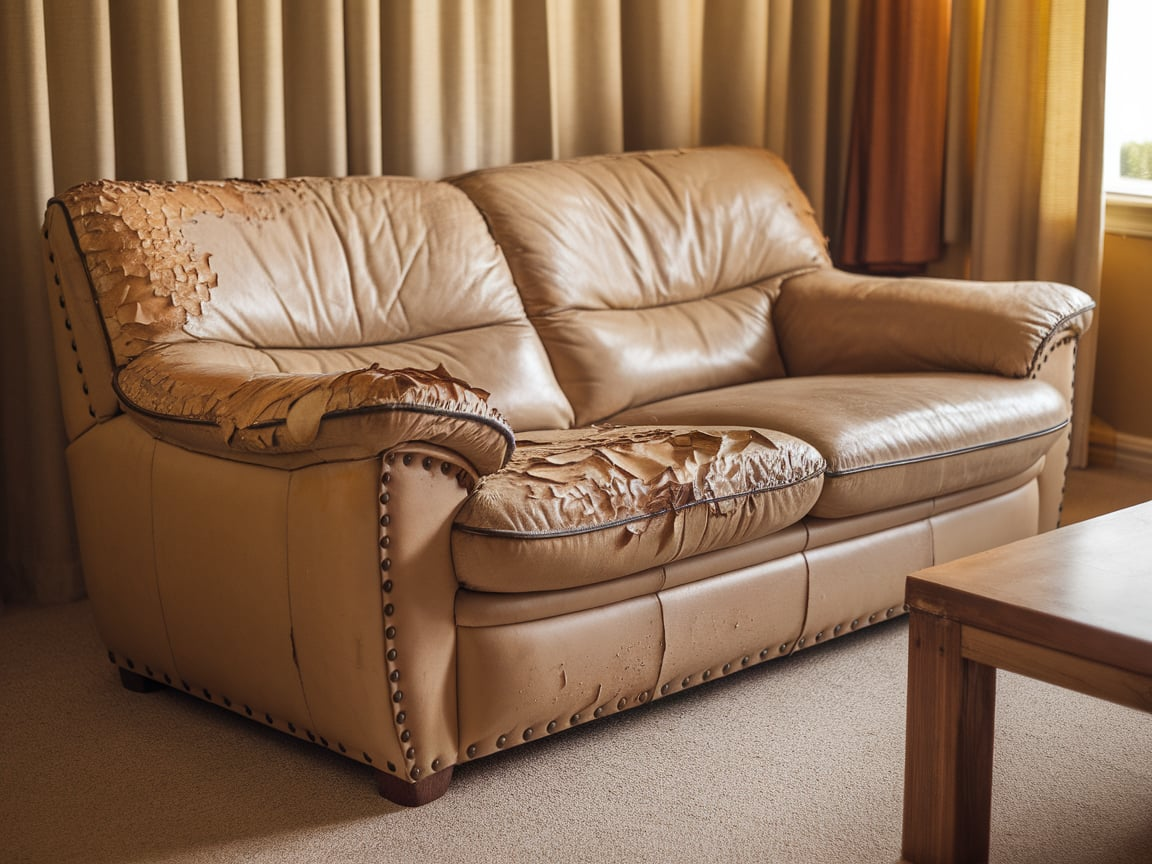
Leather sofas look elegant. They feel luxurious. But sometimes they peel. This can be frustrating. You want to know why. You want to fix it. This article will explain. It will give details. It will help you understand.
Peeling leather is common. It happens due to many reasons. Some are avoidable. Some are not. Knowing the cause helps. You can prevent further damage. You can take action.
So let’s learn everything. Resistance to improper leather care leads to damage. Some causes are natural. Some are due to neglect. Understanding leather maintenance keeps it looking good.
What Causes Leather Sofas to Peel?
Leather peeling has several causes. The main ones are:
Low-Quality Leather
Not all leather is the same. Genuine leather lasts long. Bonded leather peels faster. It has synthetic layers. These layers separate over time. Cheap leather cracks easily. It lacks durability.
Excessive Sunlight Exposure
Sunlight damages leather. UV rays dry it out. The fibers weaken. The surface cracks. Then peeling starts. Direct sunlight is harmful. It fades color too.
Improper Cleaning Methods
Harsh cleaners ruin leather. Chemicals strip natural oils. The surface becomes brittle. Then it peels. Using wrong products accelerates damage. Water can also harm it.
Lack of Conditioning
Leather needs moisture. Conditioning keeps it soft. Without it leather dries. It loses flexibility. Cracks form. Then peeling begins. Regular conditioning prevents this.
High Humidity or Dry Air
Extreme moisture harms leather. It causes mold. It weakens the material. Dry air also damages. It makes leather brittle. Both lead to peeling.
Heavy Use and Friction
Constant rubbing wears leather down. Sitting in the same spot causes stress. The top layer weakens. Then it starts peeling. Pets and sharp objects make it worse.
How to Fix a Peeling Leather Sofa
You can repair peeling leather. The method depends on severity.
Minor Peeling Fixes
For small peeling use leather glue. Apply it carefully. Press the peeling part down. Let it dry. Use a leather conditioner after. This helps blend the repair.
Moderate Peeling Solutions
For bigger peeling use a leather patch. Cut a matching piece. Glue it over the damaged area. Smooth it out. Let it dry. Condition the entire sofa.
Severe Peeling Options
If peeling is widespread reupholstering may be needed. A professional can recover the sofa. This is costly but effective. Another option is leather paint. It covers damage but is temporary.
How to Prevent Leather Sofa from Peeling
Prevention is better than repair. Follow these tips:
Keep It Away from Sunlight
Place the sofa away from windows. Use curtains to block UV rays. Rotate cushions regularly. This prevents uneven fading.
Clean It Properly
Use a soft damp cloth. Avoid harsh chemicals. Choose pH-balanced leather cleaners. Wipe spills immediately. Never soak leather in water.
Condition Regularly
Apply leather conditioner every 6 months. This keeps it soft. It prevents cracking. Use products made for your leather type.
Maintain Proper Humidity
Use a humidifier in dry climates. A dehumidifier helps in damp areas. Keep leather in a stable environment. Avoid extreme temperatures.
Reduce Friction
Rotate cushions often. Avoid sitting in the same spot daily. Keep pets off the sofa. Use throws for extra protection.
When to Replace a Peeling Leather Sofa
Sometimes repair is not enough. Consider replacement if:
- Peeling covers most of the sofa
- The structure is damaged
- The cost of repair is too high
- The sofa is very old
A new sofa may be a better investment.
Final Thoughts
Leather sofas peel for many reasons. Poor quality and neglect are common causes. Proper care prevents damage. Fix minor peeling early. Severe cases may need professional help.
Keep your sofa away from sunlight. Clean and condition it regularly. Avoid harsh chemicals. Maintain good humidity levels. Rotate cushions to reduce wear.
A well-maintained leather sofa lasts years. Prevention is key. Take action before peeling starts. Your sofa will stay beautiful longer.
FAQs
1. Can I use olive oil on my leather sofa?
No. Olive oil can go rancid. It attracts dirt. Use proper leather conditioner instead.
2. How often should I condition my leather sofa?
Every 6 months is ideal. High-use sofas may need it more often.
3. Does bonded leather always peel?
Yes. Bonded leather has a short lifespan. It will peel eventually.
4. Can I fix deep cracks in leather?
Deep cracks are hard to fix. A professional may help. Otherwise replacement is best.
5. How do I know if my leather is genuine?
Genuine leather feels soft. It has natural imperfections. Bonded leather feels plasticky.
6. Can I use baby wipes to clean leather?
No. Baby wipes contain chemicals. They can dry out leather. Use a damp microfiber cloth instead.
7. Will a leather repair kit work?
Yes for minor damage. Follow instructions carefully. Test on a hidden area first.
8. How long should a leather sofa last?
High-quality leather lasts 15-20 years. Bonded leather lasts 3-5 years.
9. Can I prevent peeling completely?
No but proper care delays it. Cheap leather will always peel faster.
10. Is peeling leather dangerous?
No but it looks bad. Loose flakes can be annoying. Fix it to maintain appearance.

Hi, I’m Ashley Miller, a wife, a busy mom, and someone who loves to share all the things that make life a little more fun and beautiful.
From easy DIY projects, delicious recipes, and chic hairstyles to nail ideas and home decor tips, I share everything I’ve learned and love.
My goal is to inspire other women to explore their creativity and make their homes even more special.