What Causes Wood Outdoor Furniture to Warp?
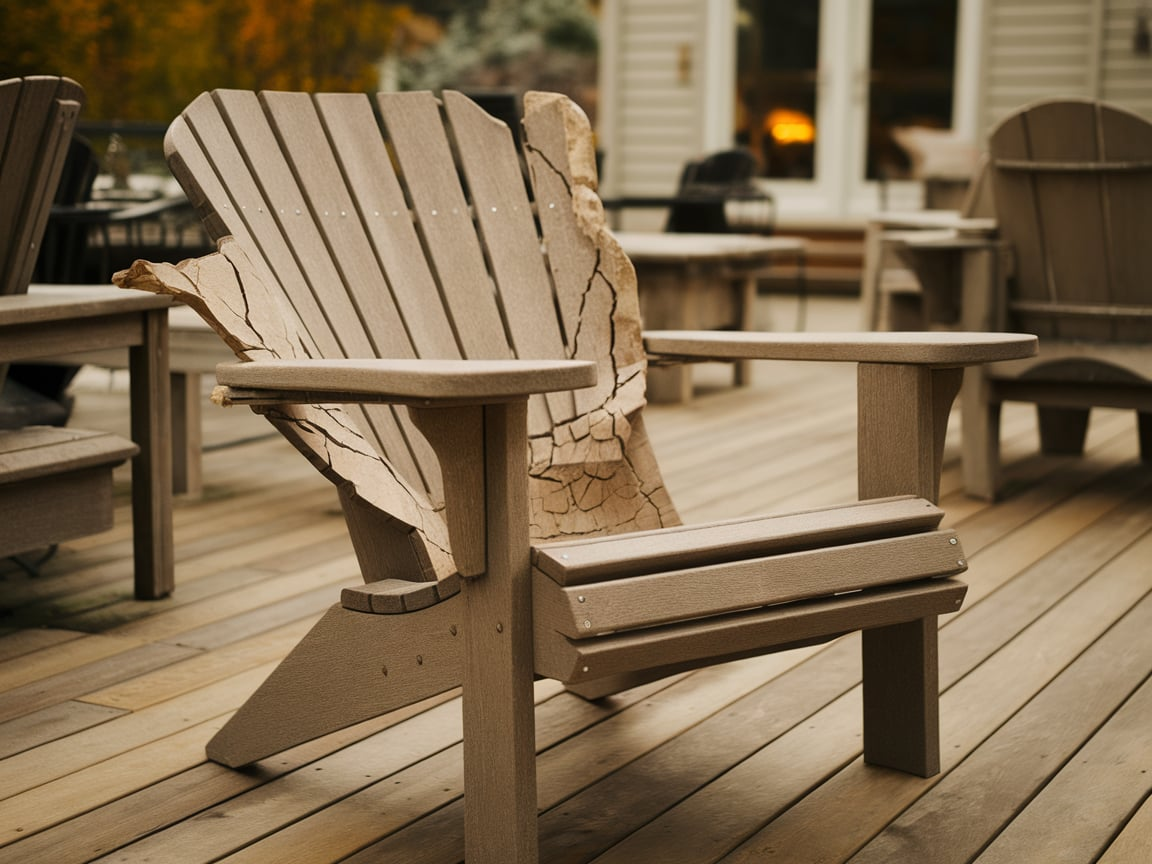
Wood outdoor furniture looks great. It feels natural. But it can warp over time. Warping ruins the look. It makes the furniture uneven. It can become unusable. So why does this happen? This article will explain.
It will give details. It will help you prevent warping. You must know the causes. You must know the solutions. Your furniture’s longevity matters.
So let’s learn everything. Resistance to improper care leads to damage. Some factors cause warping. Some factors prevent it. Understanding wood maintenance leads to better outdoor furniture.
What Is Wood Warping?
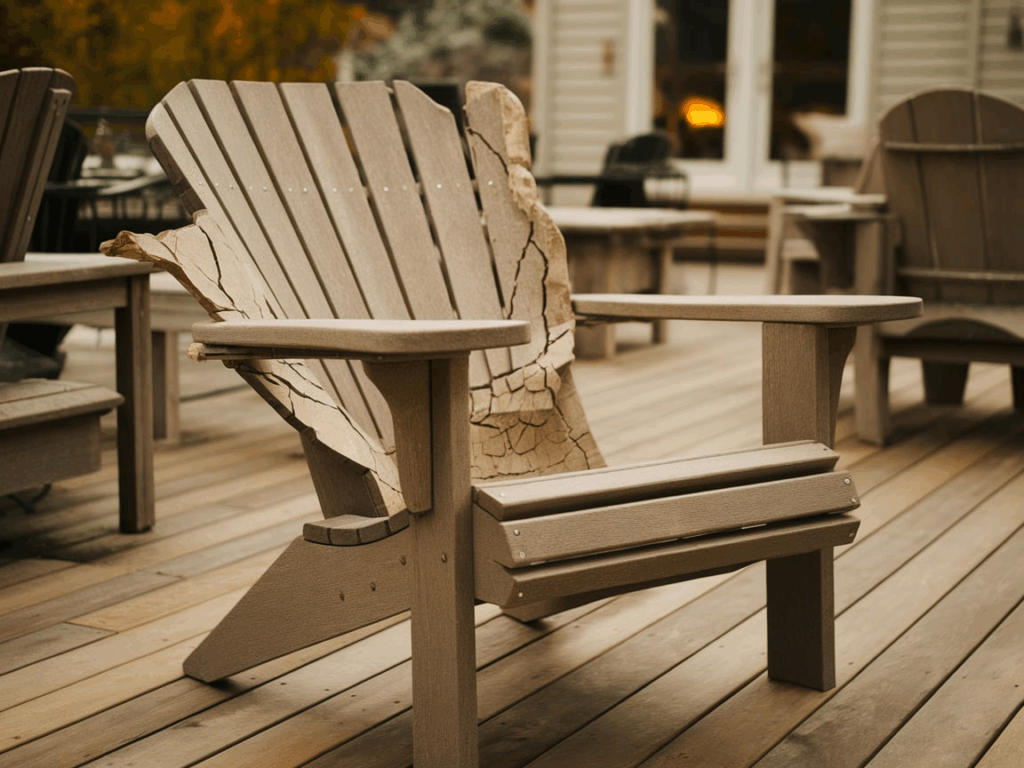
Wood warping is a change in shape. The wood bends. It twists. It cups. It bows. This happens due to uneven moisture. The fibers expand and contract. The structure weakens. The furniture loses stability. Warping makes surfaces uneven. It affects chairs. It affects tables. It affects benches. No piece is safe.
Warping happens in stages. First the wood absorbs moisture. Then it dries unevenly. The stress causes bending. The damage becomes permanent. Once warped fixing is hard. Prevention is the best solution.
Why Does Wood Outdoor Furniture Warp?
Several factors cause warping. Moisture is the biggest reason. Sunlight plays a role. Poor sealing matters. Low-quality wood warps faster. Improper storage adds to the problem. Let’s break it down.
Moisture Absorption and Drying
Wood absorbs moisture. Rain increases humidity. Morning dew adds dampness. The fibers swell. Then the sun dries the wood. The outer layer shrinks. The inner layer stays expanded. This imbalance causes warping.
Repeated cycles make it worse. The wood weakens. The shape changes permanently. High humidity areas face this issue more. Coastal regions see faster warping.
Sun Exposure and Heat
Sunlight dries wood. But too much heat is bad. UV rays break down fibers. The surface cracks. The wood loses strength. Uneven drying causes warping. One side may dry faster. The other side stays damp. This leads to bending.
Direct sunlight speeds up damage. Covered furniture lasts longer. Shade reduces warping risks.
Poor Quality Wood
Not all wood is equal. Softwoods warp easily. Pine and cedar are prone. Hardwoods resist better. Teak and oak last longer. Cheap wood lacks density. It absorbs moisture quickly. It dries unevenly.
Engineered wood resists warping. But solid wood needs care. Grain structure matters. Tight grain wood is stronger. Loose grain warps faster.
Lack of Protective Finish
Unsealed wood warps faster. Finishes block moisture. They reduce absorption. Paint works well. Varnish adds protection. Oil treatments help. Without finish water soaks in. The wood swells. Then it dries unevenly.
Reapplying finish is important. Weather wears it down. Annual maintenance prevents warping.
Improper Storage
Leaving furniture outside is risky. Winter snow causes damage. Constant rain weakens wood. Storing indoors helps. Covered spaces reduce exposure. Proper storage extends life.
Furniture covers offer protection. But trapped moisture can still cause issues. Ventilation is key.
Types of Wood Warping
Warping comes in different forms. Each type has unique causes. Recognizing them helps in prevention.
Cupping
Cupping creates a curve. The edges rise. The center sinks. This happens when one side absorbs more moisture. The expanded side pushes outward. The dry side stays flat. Table tops often cup.
Bowing
Bowing bends the length. The wood curves along the grain. Long planks are prone. Uneven drying causes this. One side shrinks more. The other side resists.
Twisting
Twisting creates a spiral. The wood turns along its axis. This is severe warping. It happens with uneven grain. Stress from moisture changes causes it.
Crooking
Crooking bends one end. The wood stays straight but tilts. This is common in legs. One side dries faster. The other side stays damp.
How to Prevent Wood Outdoor Furniture from Warping?
Prevention is better than repair. Follow these steps to avoid warping.
Choose the Right Wood
Hardwoods resist warping. Teak is a top choice. Oak and mahogany last long. Cedar is good for budget options. Avoid cheap softwoods. They warp easily.
Engineered wood is stable. It handles moisture better. But solid wood looks better. Pick wisely.
Apply Protective Finishes
Seal the wood properly. Use outdoor-grade finishes. Spar urethane works well. Oil treatments penetrate deep. Paint adds a moisture barrier. Reapply every year. Sand before recoating.
Keep Furniture Dry
Cover furniture during rain. Use breathable covers. Avoid trapping moisture. Wipe off dew in mornings. Store indoors in winter. Elevate furniture from wet ground.
Maintain Proper Ventilation
Airflow prevents moisture buildup. Don’t place furniture against walls. Leave space between pieces. Avoid damp storage areas. Use a shed with ventilation.
Avoid Direct Sunlight
Place furniture in shade. Use umbrellas. Rotate pieces occasionally. UV protection sprays help. Refinish faded wood quickly.
Tighten Joints Regularly
Loose joints increase warping. Check screws and bolts. Tighten them often. Glue weak spots. Reinforce wobbly legs. Strong structure resists bending.
How to Fix Warped Wood Outdoor Furniture
Sometimes warping still happens. Try these fixes before replacing.
Moisture and Weight Method
For cupped boards place the curve up. Wet the concave side. Let it absorb moisture. Place heavy weights on top. Leave it for days. The wood may flatten.
Heat Treatment
Use a heat gun on the warped side. Apply even heat. Bend the wood back slowly. Clamp it in place until cool. This works for minor bends.
Sanding
Sand high spots carefully. Even out the surface. This works for slight warping. Refinish after sanding.
Replace Damaged Parts
Severe warping may need replacement. Swap out warped planks. Reinforce weak sections. Sometimes partial repair works.
Best Woods for Outdoor Furniture
Some woods resist warping naturally. Here are the best choices.
Teak
Teak is highly durable. It has natural oils. These repel moisture. It lasts decades. Expensive but worth it.
Cedar
Cedar resists rot. It handles moisture well. Lightweight and affordable. Needs regular sealing.
Oak
Oak is strong. It has tight grain. Red oak is common. White oak is better for outdoors.
Mahogany
Mahogany is dense. It resists warping. Beautiful finish. High cost but long-lasting.
Acacia
Acacia is weather-resistant. Affordable hardwood option. Darkens over time. Needs occasional oiling.
Final Thoughts
Wood outdoor furniture warps due to moisture. Sunlight and poor care add to the problem. Choosing the right wood helps. Proper sealing prevents damage. Storage matters. Maintenance extends life.
Warping can be fixed if caught early. Prevention is always better. Follow these tips. Keep your furniture looking great for years.
FAQs
1. Can painted wood furniture warp?
Yes. Paint helps but doesn’t stop warping completely. Moisture can still seep in. Proper sealing underneath is key.
2. How often should I refinish outdoor wood furniture?
Once a year is best. Sand and reapply finish annually. Check for wear every season.
3. Does staining prevent warping?
Staining adds some protection. But it’s not enough alone. Use a topcoat for best results.
4. Can I leave wood furniture outside all year?
Not recommended. Extreme weather speeds up damage. Store indoors during harsh seasons.
5. What’s the most warp-resistant wood?
Teak is the best. Its natural oils prevent moisture damage. It lasts longest outdoors.

Hi, I’m Ashley Miller, a wife, a busy mom, and someone who loves to share all the things that make life a little more fun and beautiful.
From easy DIY projects, delicious recipes, and chic hairstyles to nail ideas and home decor tips, I share everything I’ve learned and love.
My goal is to inspire other women to explore their creativity and make their homes even more special.