What Causes Mold In Bathroom Ceilings?
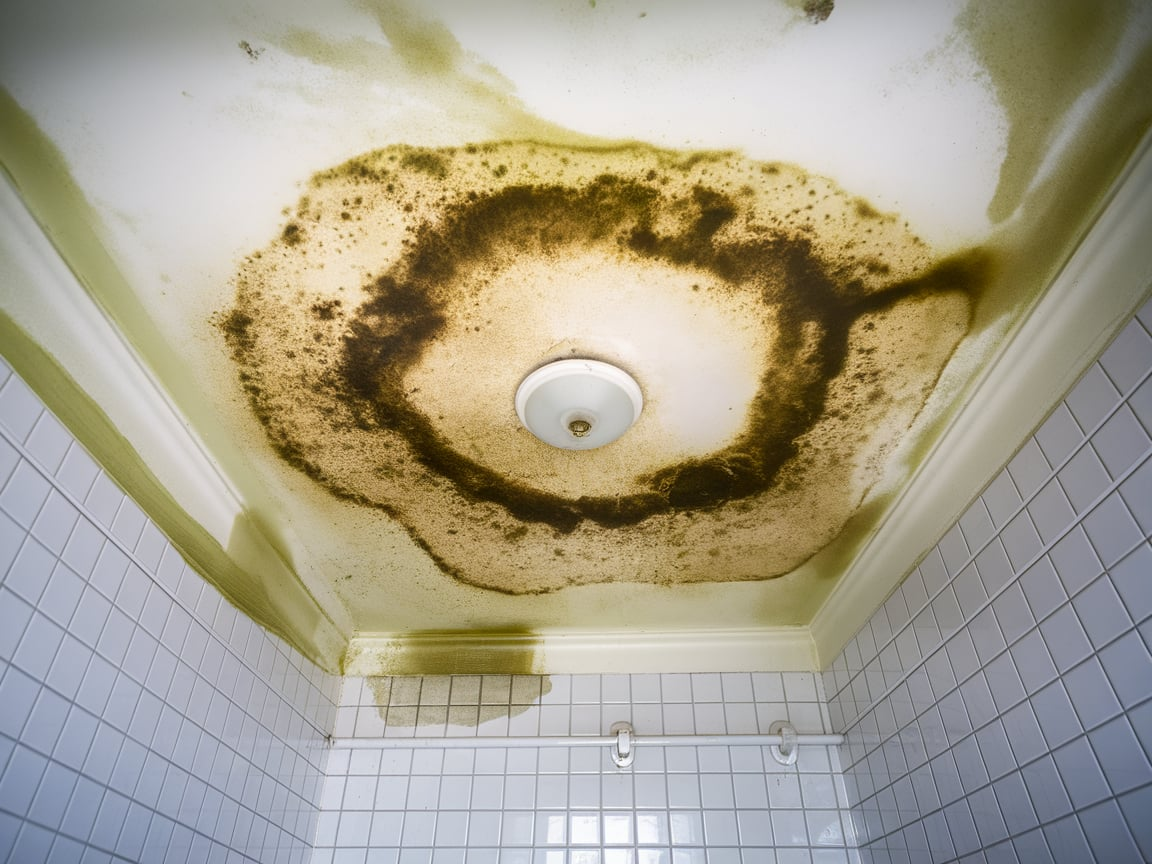
Mold in bathroom ceilings is common. It looks bad. It smells bad. It can harm health. But why does it grow? This article will explain. It will give details. It will help you prevent it. You must know the causes. You must know the solutions. Your bathroom’s cleanliness matters.
So let’s learn everything. Resistance to mold growth makes a big difference. Some factors encourage mold. Some steps can stop it. Understanding bathroom maintenance leads to better hygiene.
What Is Mold?
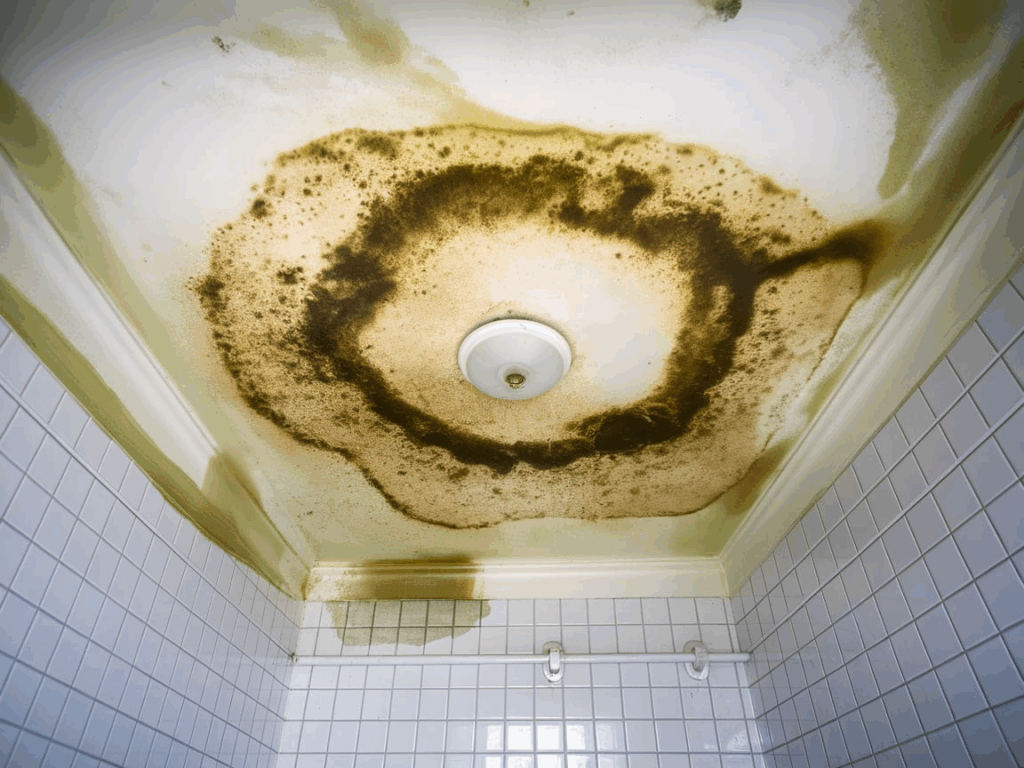
Mold is a fungus. It grows in damp places. It spreads quickly. It comes in different colors. Black mold is common. Green mold is also seen. It thrives in moisture. It feeds on organic material. Paint and drywall can be food for mold.
Mold spores are tiny. They float in the air. They settle on wet surfaces. They grow into visible patches. Mold is not just ugly. It can cause allergies. It can trigger asthma. It can weaken structures. So stopping mold is important.
Why Does Mold Grow On Bathroom Ceilings?
Bathrooms have perfect conditions for mold. They are often humid. They have poor ventilation. They get wet often. Ceilings trap steam. This creates moisture. Mold loves moisture. So it grows there.
Several factors contribute to mold growth. Knowing them helps in prevention. Let’s look at each one.
Poor Ventilation
Bathrooms need airflow. Steam from showers rises. It hits the ceiling. Without ventilation the steam stays. The ceiling stays wet. Mold starts growing.
Many bathrooms lack windows. Some have weak exhaust fans. Some fans are not used properly. All these lead to trapped moisture. Proper ventilation reduces humidity. It keeps ceilings dry.
High Humidity
Hot showers create steam. Steam increases humidity. Humidity makes surfaces damp. Dampness encourages mold. Bathrooms with high humidity often have mold.
Some climates are naturally humid. This makes things worse. Even without showers the air is moist. Controlling humidity is key. Dehumidifiers can help. Exhaust fans are essential.
Leaks And Water Damage
Leaks cause hidden moisture. Pipes in ceilings can leak. Roof leaks can drip into bathrooms. Water stains appear. Mold follows soon.
Even small leaks are dangerous. They keep surfaces wet. Mold grows unseen at first. By the time it’s visible the damage is done. Fixing leaks quickly stops mold.
Lack Of Cleaning
Bathrooms need regular cleaning. Soap scum and dirt build up. These can feed mold. Dust and grime trap moisture. Mold grows faster on dirty surfaces.
Ceilings are often ignored. People forget to clean them. Mold spores settle there. Without cleaning they multiply. Regular wiping prevents mold.
Poor Quality Paint
Not all paints resist moisture. Cheap paint absorbs water. It peels and cracks. Mold grows underneath. Bathrooms need mold-resistant paint.
Special bathroom paints exist. They have anti-microbial properties. They block moisture. Using the right paint stops mold. Repainting with the wrong type invites mold back.
How To Prevent Mold On Bathroom Ceilings
Preventing mold is easier than removing it. Simple steps can keep ceilings clean. Here’s what you can do.
Improve Ventilation
Always use the exhaust fan. Run it during showers. Keep it on for 30 minutes after. This removes steam. It dries the ceiling.
If there’s no fan install one. Open windows if possible. A small fan can help. Moving air reduces moisture.
Reduce Humidity
Take shorter showers. Use cooler water. Less steam means less dampness. Wipe down walls and ceilings after showers.
A dehumidifier works well. It pulls moisture from the air. Keep humidity below 50%. This stops mold growth.
Fix Leaks Immediately
Check pipes regularly. Look for water stains. Fix dripping faucets. Repair roof leaks fast.
Dry any wet areas quickly. Use a towel or squeegee. Don’t let water sit. Fast action prevents mold.
Clean Regularly
Wipe ceilings monthly. Use a mild cleaner. Vinegar and water work well. They kill mold spores.
Scrub any mold spots early. Don’t let them spread. Keep tiles and grout clean. Soap scum attracts mold.
Use Mold-Resistant Paint
Choose paint labeled for bathrooms. It resists moisture. It stops mold growth. Repaint every few years.
Primer helps too. Use a mold-killing primer first. Then apply good paint. This creates a strong barrier.
How To Remove Mold From Bathroom Ceilings
If mold is already there act fast. Small patches are easy to clean. Large infestations need professionals. Here’s how to handle it.
Small Mold Patches
Mix water and vinegar. Spray it on the mold. Let it sit for 10 minutes. Scrub with a brush. Wipe clean.
Bleach also works. Use one part bleach to ten parts water. Spray and scrub. Rinse well. Wear gloves and a mask.
Large Mold Areas
Big mold problems need experts. Professionals have strong cleaners. They use protective gear. They prevent spores from spreading.
If mold covers a big area call a specialist. Don’t risk your health. Breathing mold spores is dangerous.
Prevent Mold From Returning
After cleaning fix the cause. Improve ventilation. Reduce humidity. Repair leaks. Use mold-resistant paint.
Monitor the area. Check for new growth. Early action keeps mold away. Consistent care is the best defense.
Health Risks Of Bathroom Mold
Mold is not just ugly. It can harm health. Here’s how it affects people.
Allergies
Mold spores cause sneezing. They trigger runny noses. They make eyes itch. People with allergies suffer more.
Asthma Attacks
Mold worsens asthma. It makes breathing hard. Coughing and wheezing increase. Children are especially vulnerable.
Skin Irritation
Touching mold can cause rashes. Skin gets red and itchy. Gloves should be worn when cleaning mold.
Long-Term Exposure
Breathing mold for years is dangerous. It can cause lung infections. It weakens the immune system. Serious illnesses can develop.
Final Thoughts
Mold in bathroom ceilings is common. It grows due to moisture. Poor ventilation and leaks help it spread. Cleaning and maintenance stop it.
Prevention is the best solution. Use exhaust fans. Fix leaks quickly. Clean regularly. Paint with mold-resistant products.
If mold appears act fast. Small patches can be cleaned. Large areas need professionals. Protect your health. Keep your bathroom safe.
A mold-free bathroom is a healthy bathroom. Simple steps make a big difference. Stay vigilant. Stay clean. Enjoy a fresh safe space.
FAQs
1. Can mold on ceilings make you sick?
Yes. Mold causes allergies. It triggers asthma. Long exposure harms lungs. Breathing spores is dangerous.
2. Does bleach kill mold on ceilings?
Yes but vinegar works better. Bleach removes surface mold. Vinegar kills spores deeper. Both need scrubbing.
3. How often should I clean my bathroom ceiling?
Wipe it monthly. Check for mold spots. Clean stains immediately. Regular care prevents big problems.
4. Will a dehumidifier stop mold growth?
Yes. It reduces humidity. Keep levels below 50%. Less moisture means less mold.
5. Can I paint over mold?
No. Paint will peel. Mold will grow through. Clean first then use mold-resistant paint.

Hi, I’m Ashley Miller, a wife, a busy mom, and someone who loves to share all the things that make life a little more fun and beautiful.
From easy DIY projects, delicious recipes, and chic hairstyles to nail ideas and home decor tips, I share everything I’ve learned and love.
My goal is to inspire other women to explore their creativity and make their homes even more special.