Should I Use Raised Garden Beds?
Gardening is a rewarding activity. Many people enjoy it. But choosing the right setup matters.
Raised garden beds are popular. But are they right for you? This article will help. It will explain the pros and cons. It will guide your decision.
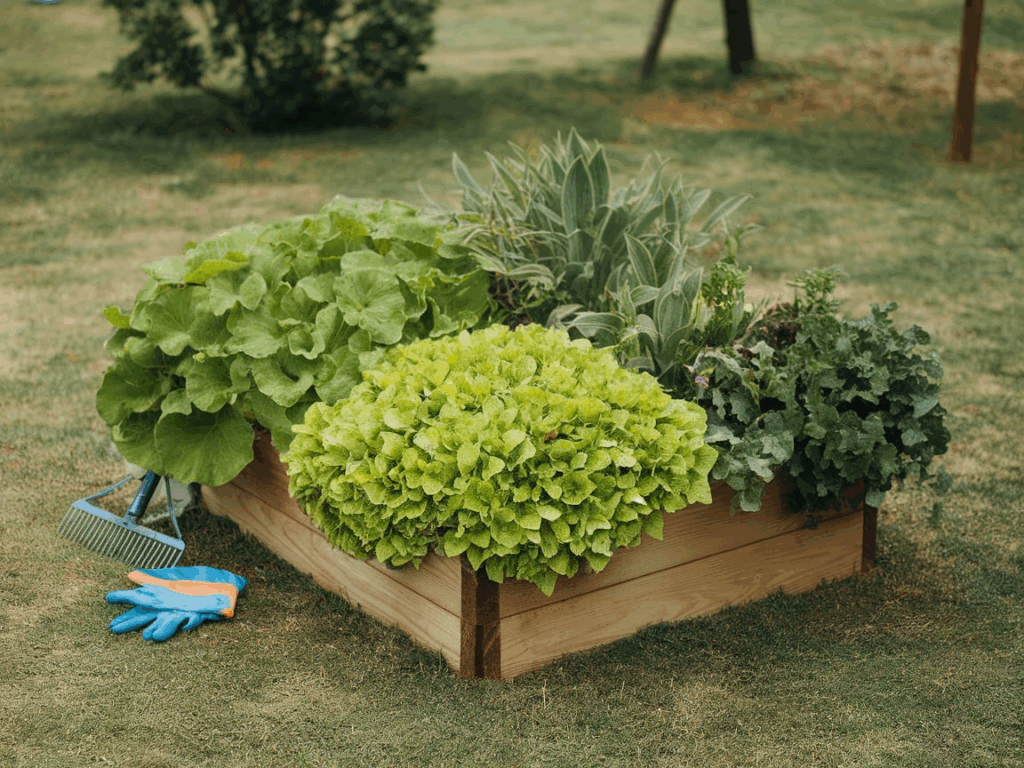
What Are Raised Garden Beds?
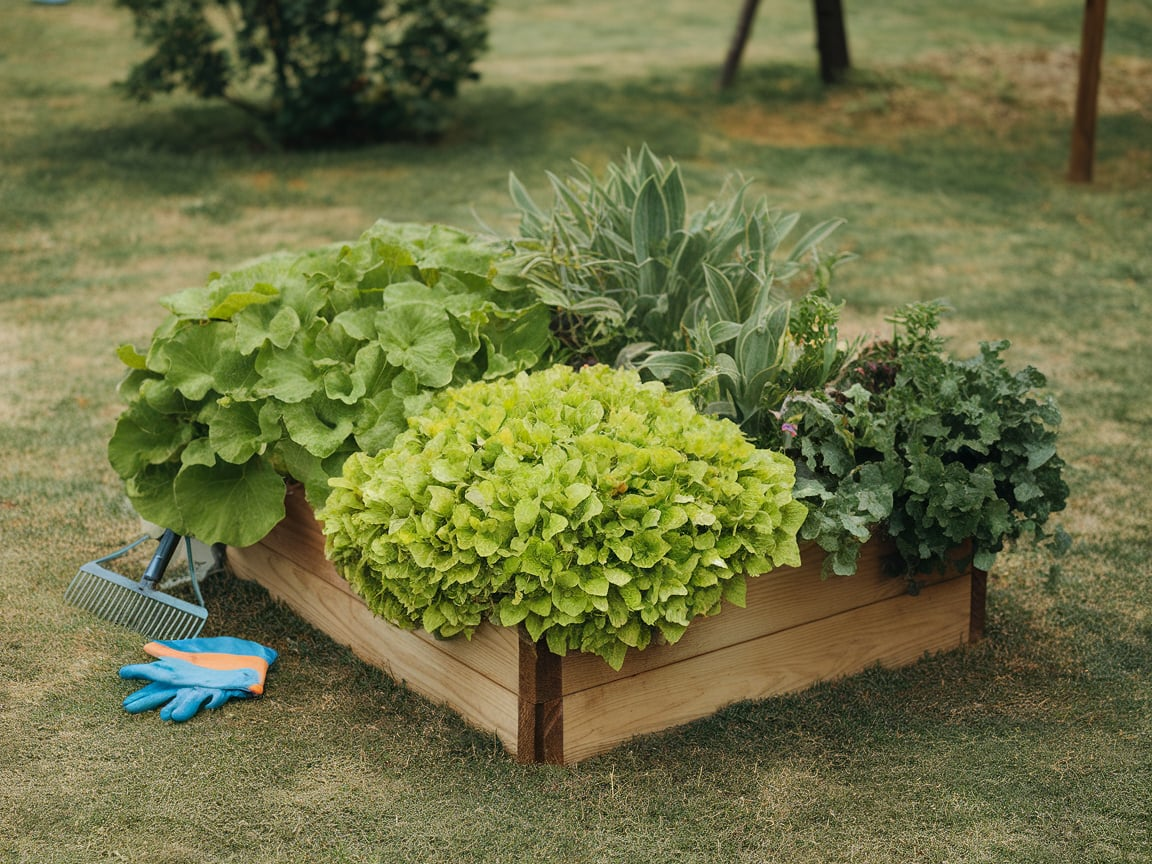
Raised garden beds are elevated plots. They sit above the ground. They have frames. These frames hold soil. The soil is contained within. The beds can be any size. They can be made of wood. They can be made of metal. Some use stone or brick.
These beds keep soil separate. They prevent soil compaction. They improve drainage. They make gardening easier. But they also have downsides. Let’s explore them.
Benefits of Raised Garden Beds
Better Soil Control
The soil in raised beds is contained. You choose the soil mix. You avoid poor native soil. This helps plants grow better. You can adjust pH levels. You can add nutrients easily.
Improved Drainage
Raised beds drain well. Excess water flows out. This prevents root rot. Plants stay healthier. Wet soil can harm roots. Raised beds solve this.
Less Weeding
Weeds are a nuisance. Raised beds reduce them. The soil is fresh. Fewer weed seeds exist. The height also helps. Weeds from lawns spread less.
Easier Access
Bending can be hard. Raised beds reduce strain. They are higher off the ground. This helps older gardeners. It helps those with back pain. You can sit while gardening.
Warmer Soil
Raised beds warm faster. Sun heats the sides. This extends the growing season. Early planting becomes possible. Cool-season crops thrive longer.
Pest Control
Some pests stay away. Slugs and snails climb less. Burrowing animals are blocked. Barriers can be added. Wire mesh stops digging.
Drawbacks of Raised Garden Beds
Higher Cost
Raised beds cost more. Materials add expense. Wood metal or stone must be bought. Soil must be filled in. This adds up quickly.
Faster Drying
Good drainage has a downside. Soil dries out faster. Hot weather increases this. More watering is needed. Drip systems help but cost extra.
Limited Root Space
Some plants need deep roots. Carrots and potatoes grow deep. Raised beds may be too shallow. Taller beds solve this but cost more.
Wood Rot Issues
Wooden frames decay over time. Moisture speeds this up. Cedar lasts longer but is costly. Metal or stone lasts longer but is expensive.
Initial Setup Labor
Building raised beds takes work. Soil must be moved. Frames must be assembled. This can be tiring. Once built they last years.
Best Plants for Raised Beds
Some plants do very well. Others struggle. Here’s a quick list.
Great Choices
- Leafy Greens – Lettuce spinach kale
- Herbs – Basil parsley cilantro
- Root Veggies – Radishes beets (shallow types)
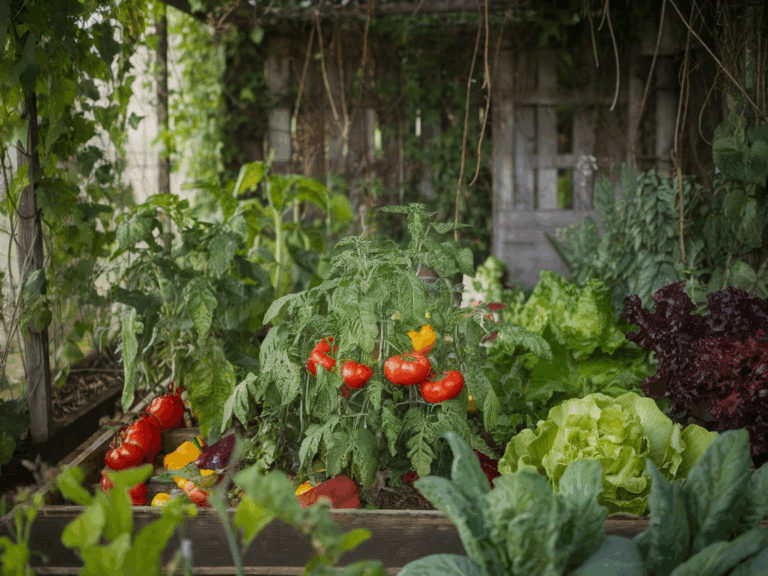
- Tomatoes – Bush varieties work best
- Peppers – Both sweet and hot types
Poor Choices
- Large Squash – Needs too much space
- Corn – Wind pollination fails in small beds
- Deep-Rooted Trees – Roots need more depth
How to Build a Raised Garden Bed
Building one is simple. Follow these steps.
Step 1: Choose Location
Pick a sunny spot. Most plants need 6-8 hours of sun. Avoid low areas where water pools.
Step 2: Select Materials
Wood is common. Cedar resists rot. Avoid treated wood. Chemicals can leach into soil. Metal or stone lasts longer.
Step 3: Decide Size
4 feet wide is ideal. Easy to reach the center. Length can vary. Height should be 12-24 inches.
Step 4: Build the Frame
Cut wood to size. Screw corners together. Level the ground first. Place the frame securely.
Step 5: Fill with Soil
Mix compost with topsoil. Add perlite for drainage. Fill to the top. Water lightly to settle.
Maintenance Tips
Raised beds need care. Follow these tips.
Mulch the Surface
Mulch keeps moisture in. It stops weeds. Use straw or wood chips.
Rotate Crops
Change plant types yearly. Prevents soil diseases. Keeps nutrients balanced.
Check for Pests
Inspect plants often. Remove bugs by hand. Use natural repellents if needed.
Refresh Soil
Top up soil yearly. Compost adds nutrients. Remove old plants promptly.
Final Thoughts
Raised garden beds have pros and cons. They improve soil and drainage. They reduce weeds and pests. But they cost more and dry out faster. They work best for small plants. Deep-rooted crops may struggle.
Consider your needs. Think about your budget. If you want easier access and better soil control raised beds are great. If you have poor mobility they are ideal. But if you grow large crops or want low cost in-ground gardening may be better.
Choose wisely. Happy gardening!
FAQs
1. How deep should a raised garden bed be?
At least 12 inches deep. Deeper is better for root crops. 18-24 inches works well.
2. Can I use pressure-treated wood for raised beds?
No. Chemicals can leach into soil. Use cedar or redwood instead.
3. Do raised beds need bottom barriers?
Only if pests are a problem. Wire mesh stops burrowing animals. Cardboard blocks weeds.
4. How often should I water raised beds?
Check daily in heat. Soil dries faster. Water when top inch feels dry.
5. Can I grow perennials in raised beds?
Yes but they may need deeper soil. Some perennials spread aggressively. Plan carefully.
6. Do raised beds work in cold climates?
Yes. Soil warms faster in spring. Extends the growing season. Cover in winter for protection.
7. How long do raised beds last?
Wood lasts 5-10 years. Cedar lasts longer. Metal or stone lasts decades.
8. Can I move a raised bed once built?
It’s difficult. Soil makes them heavy. Plan placement carefully.
9. Are raised beds good for beginners?
Yes. They simplify soil and weed control. Great for learning gardening basics.
10. What’s the cheapest way to build a raised bed?
Use untreated pine or recycled materials. Keep the design simple. Avoid expensive add-ons.

Hi, I’m Ashley Miller, a wife, a busy mom, and someone who loves to share all the things that make life a little more fun and beautiful.
From easy DIY projects, delicious recipes, and chic hairstyles to nail ideas and home decor tips, I share everything I’ve learned and love.
My goal is to inspire other women to explore their creativity and make their homes even more special.