Is a Walk-In Shower Worth It?
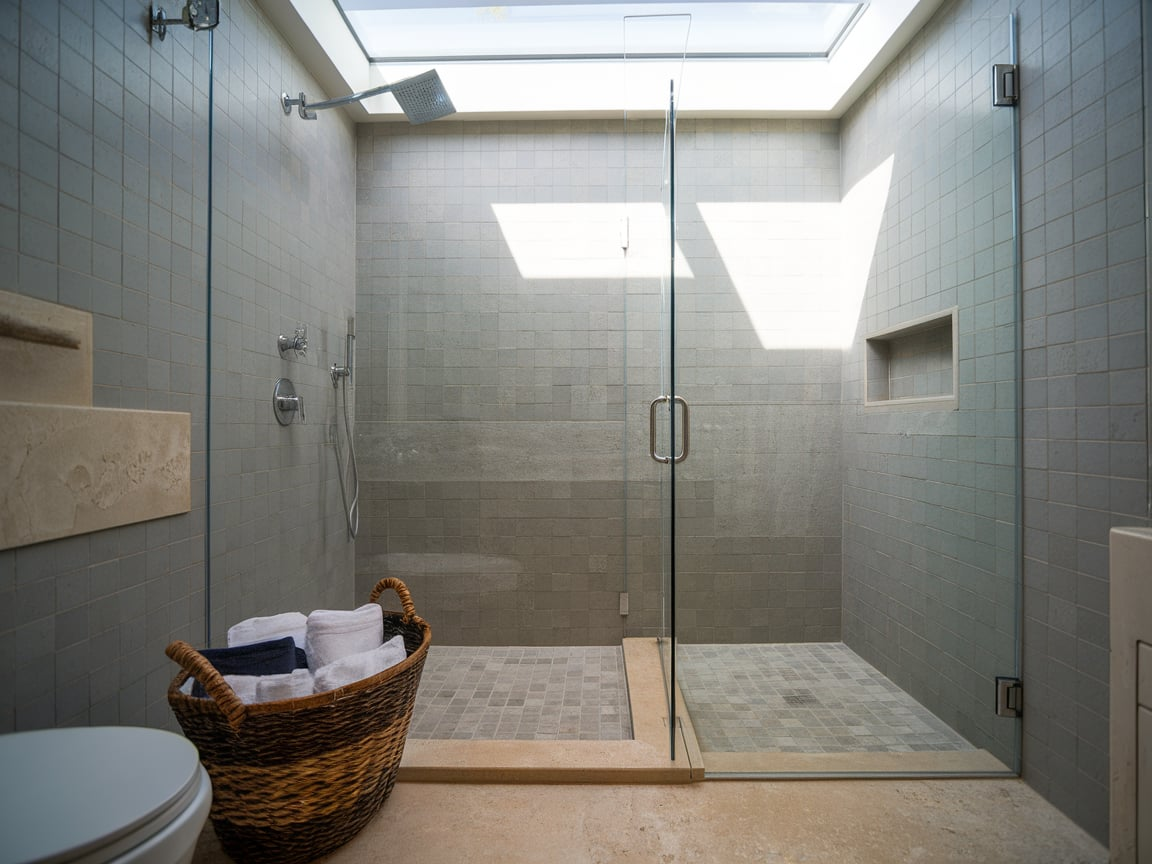
Walk-in showers are popular. They look modern. They feel spacious.
But are they worth it? This article will explain. It will give details. It will help you decide. You must know the pros. You must know the cons. Your bathroom choice matters.
So let’s learn everything. Resistance to outdated bathroom designs makes a big difference. Some features can be beneficial. Some can be costly. Understanding bathroom upgrades leads to better home value.
What Is a Walk-In Shower?
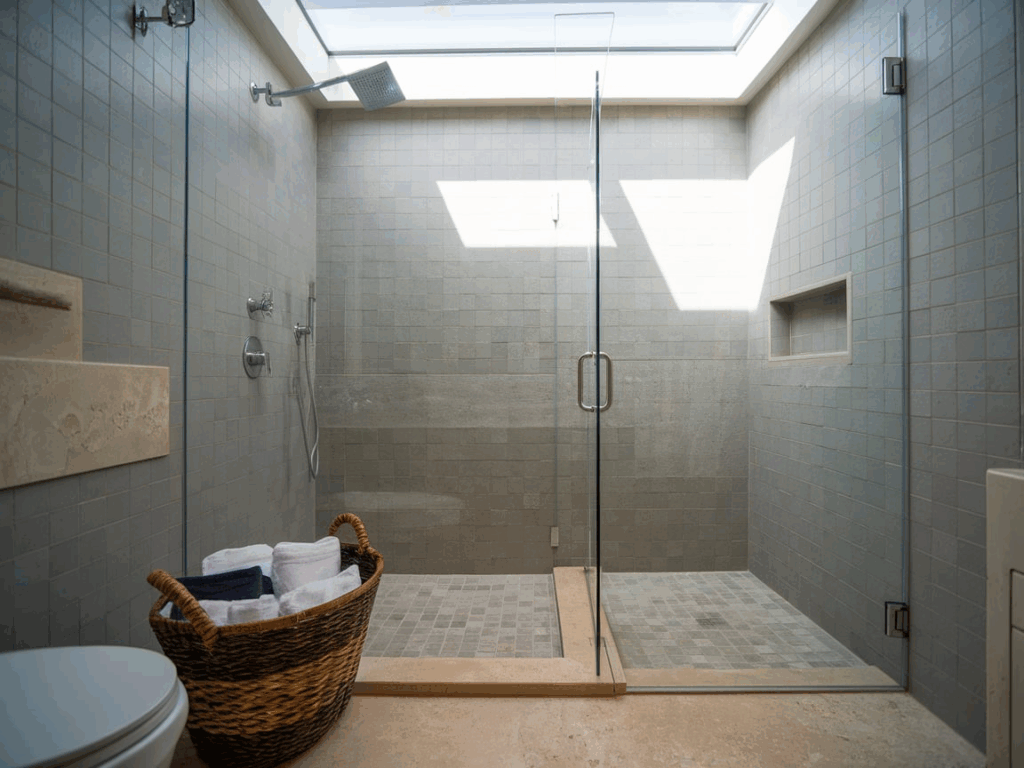
A walk-in shower is a type of shower. It has no bathtub. It has no high ledge. It has a low or no threshold. Some have glass doors. Some are open. It is sleek. It is stylish. But is it good for your home? Let’s find out.
It is a common bathroom upgrade. Many homeowners install it. Some prefer it over tubs. The design was originally meant for accessibility but now fits modern aesthetics.
Benefits of a Walk-In Shower
Walk-in showers offer many advantages. They save space. They look clean. They are easy to enter. These can improve daily life. Some people enjoy the openness. Some like the modern feel. But there are more reasons to consider.
Easy Accessibility
No high step means easy entry. Elderly people benefit. People with mobility issues benefit. It reduces tripping risks. It makes bathing safer. So it is great for aging in place.
Spacious Feel
No tub means more room. Small bathrooms appear bigger. The open design adds luxury. It makes showers less cramped. This improves comfort.
Low Maintenance
Fewer edges mean fewer grout lines. Glass panels stay cleaner. No tub means no scrubbing hard stains. It is easier to wipe down. This saves cleaning time.
Modern Aesthetic
Sleek designs boost home appeal. Buyers like updated bathrooms. It makes the space look high-end. This can increase resale value.
Drawbacks of a Walk-In Shower
Not everything is perfect. Walk-in showers have downsides. They can be costly. They can lack privacy. They may not suit all homes. So consider these before installing.
Higher Installation Cost
Removing a tub costs money. Custom glass panels cost more. Plumbing changes add expenses. The total price can be high.
Less Water Containment
Open designs may splash water. Glass doors help but not fully. Bathrooms can get wet. This may cause slipping hazards.
No Bathtub Option
Some people need tubs. Kids require baths. Soakers enjoy deep tubs. Removing it limits functionality. Future buyers may prefer tubs.
Privacy Concerns
Open showers feel exposed. Some dislike the lack of enclosure. Frosted glass helps but not completely. This can be uncomfortable for some.
Walk-In Shower vs. Traditional Shower
Which is better? It depends on needs. Walk-in showers are modern. Traditional showers are classic. Let’s compare both.
Space Usage
Walk-in showers save space. Traditional showers with tubs take more room. Small bathrooms benefit from walk-ins.
Installation Complexity
Walk-ins need more work. Traditional setups are simpler. Retrofitting a walk-in can be harder.
Cleaning Effort
Walk-ins are easier to clean. Traditional showers have more crevices. Grout lines collect mold.
Resale Impact
Modern buyers prefer walk-ins. Families may want tubs. Your local market decides the best choice.
Cost of a Walk-In Shower
Prices vary widely. Basic models cost less. Luxury designs cost more. Here’s a rough breakdown.
Basic Walk-In Shower
Prefabricated units are cheaper. Simple glass doors reduce costs. Expect to spend $2000-$5000.
Custom Walk-In Shower
Tile work increases price. Frameless glass is expensive. Costs can go up to $10000.
Additional Costs
Plumbing changes add fees. Waterproofing is necessary. Demolition of old tubs costs extra.
Best Materials for Walk-In Showers
Material choice affects durability. It also changes the look. Here are top options.
Tile
Ceramic tile is affordable. Porcelain resists water better. Natural stone looks premium but needs sealing.
Acrylic
Acrylic panels are low-maintenance. They resist stains. They are budget-friendly.
Glass
Tempered glass is safe. Frosted glass adds privacy. Frameless glass looks sleek.
Solid Surface
Materials like quartz resist mold. They feel seamless. They are easy to clean.
Walk-In Shower Design Ideas
Design impacts functionality. It also affects style. Here are popular trends.
Curbless Design
No threshold means full accessibility. It looks ultra-modern. It requires proper sloping.
Rainfall Showerhead
Large overhead heads feel luxurious. They enhance relaxation. They need good water pressure.
Built-In Seating
A bench adds comfort. It helps elderly users. It makes shaving easier.
Niche Shelves
Recessed shelves hold products. They keep things organized. They prevent clutter.
Is a Walk-In Shower Worth It?
Now for the big question. Should you get one? The answer depends on your needs.
Who Should Get It?
- People who prefer modern style
- Those with mobility concerns
- Homeowners with small bathrooms
- Anyone wanting easier cleaning
Who Should Avoid It?
- Families with small kids
- People who love baths
- Budget-conscious renovators
- Those planning to sell soon in a family-friendly market
How to Maintain a Walk-In Shower
Proper care extends its life. Follow these tips.
Daily Wipe-Down
Squeegee glass after use. This prevents water spots. It reduces soap scum buildup.
Weekly Deep Clean
Use non-abrasive cleaners. Scrub tiles gently. Avoid harsh chemicals on glass.
Grout Protection
Seal grout yearly. This stops mold growth. It keeps the shower looking new.
Final Thoughts
Walk-in showers are stylish. They are practical. They add value. But they are not perfect. They cost more. They lack tubs. They may not suit all homes.
Consider your needs. Think about your budget. Plan for the future. If it fits your lifestyle then it is worth it. A smart bathroom upgrade improves daily living.
FAQs
1. Do walk-in showers increase home value?
Yes but only if done well. Modern buyers like them. But families may prefer tubs. Check local trends first.
2. Are walk-in showers safe for seniors?
Yes. They reduce tripping risks. Adding grab bars improves safety further.
3. Can you have a walk-in shower with a tub?
Yes. Some designs keep both. This is ideal for families. It offers flexibility.
4. How long do walk-in showers last?
Good ones last 20+ years. Quality materials matter. Proper maintenance extends lifespan.
5. Do walk-in showers get cold?
Open designs can feel drafty. Glass doors help. Heated floors solve this issue.

Hi, I’m Ashley Miller, a wife, a busy mom, and someone who loves to share all the things that make life a little more fun and beautiful.
From easy DIY projects, delicious recipes, and chic hairstyles to nail ideas and home decor tips, I share everything I’ve learned and love.
My goal is to inspire other women to explore their creativity and make their homes even more special.