How To Grow Peppers From Seeds?
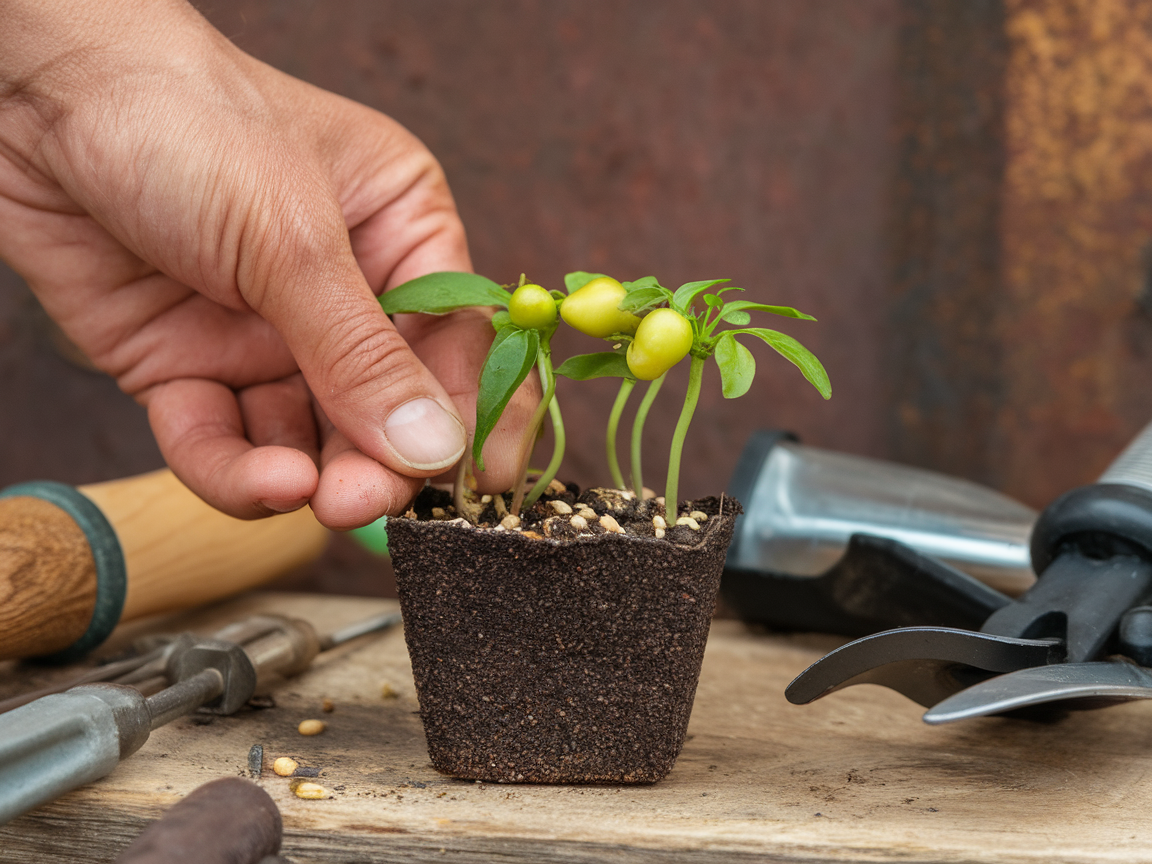
Generally Peppers are tasty hahah just kidding. As we know Peppers add flavor to food. But, Growing them is literally fun.
You can do it at home. This guide will help. It will teach you everything. You will learn step by step. Let’s get started.
Why Grow Peppers From Seeds?
Growing from seeds has benefits. You get more variety. You save money. You control the process. Store-bought plants are limited.
Seeds offer more choices. You can pick rare types. You can grow organic. It is rewarding. Watching seeds grow is exciting.
Choosing The Right Pepper Seeds
Not all peppers are the same. Some are sweet. Some are spicy. Pick what you like. Consider your climate. Some peppers need heat. Some grow in cooler areas. Popular choices include:
- Bell peppers – Sweet and crunchy
- Jalapeños – Medium heat
- Habaneros – Very spicy
- Cayenne – Great for drying
- Banana peppers – Mild and tangy
Buy seeds from trusted sellers. Check reviews. Look for fresh seeds. Old seeds may not sprout.
When To Start Pepper Seeds
Timing is important. Start seeds indoors. Cold weather kills young plants. Begin 8-10 weeks before the last frost. Use a frost date calculator. This ensures strong plants. Early planting leads to better growth.
Supplies Needed For Growing Peppers
You will need a few things. Gather these before starting:
- Seed trays or small pots – For planting
- Seed starting mix – Light and nutrient-rich
- Grow lights or sunny window – For light
- Heat mat (optional) – Speeds up germination
- Spray bottle – For gentle watering
- Labels – To track varieties
How To Plant Pepper Seeds
Follow these steps for success:
Step 1: Prepare The Soil
Use seed-starting mix. Do not use garden soil. It is too heavy. Fill trays or pots. Moisten the soil. It should be damp but not soggy.
Step 2: Plant The Seeds
Make small holes. Depth should be ¼ inch. Drop 1-2 seeds per hole. Cover lightly with soil. Press gently.
Step 3: Provide Warmth
Peppers need warmth to sprout. Ideal temperature is 75-85°F. Use a heat mat if needed. Place trays in a warm spot.
Step 4: Keep Soil Moist
Use a spray bottle. Water lightly. Do not overwater. Soil should stay damp. Cover trays with plastic wrap. This keeps moisture in. Remove wrap after seeds sprout.
Step 5: Give Enough Light
Seeds need light to grow. Place under grow lights. Keep lights close (2-3 inches). If using sunlight choose a bright window. Rotate pots for even growth.
Caring For Pepper Seedlings
Young plants need attention. Follow these tips:
Watering
Keep soil moist. Do not let it dry out. Avoid overwatering. Too much water causes rot.
Thinning Seedlings
If multiple seeds sprout remove weaker ones. Keep the strongest plant. This prevents crowding.
Fertilizing
Start feeding after first leaves appear. Use diluted fertilizer. Too much can harm plants.
Hardening Off
Before moving outdoors plants need adjustment. This is called hardening off. Start 1-2 weeks before transplanting. Place plants outside for a few hours daily. Increase time gradually.
Transplanting Pepper Plants
Once frost danger passes move plants outside. Follow these steps:
Choose The Right Spot
Peppers love sun. Pick a sunny location. At least 6-8 hours of sunlight is best.
Prepare The Soil
Soil should be well-draining. Add compost for nutrients. Mix in organic matter.
Planting
Dig holes slightly larger than root balls. Space plants 18-24 inches apart. Plant at the same depth as in pots. Water well after planting.
Growing Peppers In Containers
No garden? No problem. Peppers grow well in pots. Use containers at least 12 inches deep. Ensure drainage holes. Use quality potting mix. Water regularly. Potted plants dry out faster.
Watering Pepper Plants
Peppers need consistent moisture. Water deeply but not too often. Let soil dry slightly between watering. Avoid wetting leaves. This prevents disease.
Fertilizing Pepper Plants
Feed plants every 2-3 weeks. Use balanced fertilizer. Too much nitrogen reduces fruiting. Switch to low-nitrogen fertilizer when flowers appear.
Supporting Pepper Plants
Some peppers need support. Heavy fruits can break branches. Use stakes or cages. Tie plants gently. This keeps them upright.
Common Pepper Pests And Diseases
Watch for these problems:
Pests
- Aphids – Tiny bugs on leaves. Spray with water or insecticidal soap.
- Hornworms – Large green caterpillars. Handpick them.
- Whiteflies – Small white insects. Use yellow sticky traps.
Diseases
- Blossom end rot – Caused by calcium deficiency. Keep soil evenly moist.
- Powdery mildew – White spots on leaves. Improve air circulation.
- Bacterial leaf spot – Brown spots. Remove affected leaves.
Harvesting Peppers
Peppers can be picked at any stage. Green peppers are unripe. They turn color as they mature. Use scissors to cut fruits. Do not pull them off. This prevents damage.
Storing Peppers
Fresh peppers last 1-2 weeks in the fridge. For longer storage freeze them. You can also dry spicy peppers. Store in airtight containers.
Saving Pepper Seeds
Want to save seeds for next year? Follow these steps:
- Pick ripe peppers.
- Remove seeds.
- Dry them completely.
- Store in a cool dry place.
Troubleshooting Common Problems
Seeds Not Sprouting
Possible reasons:
- Old seeds
- Cold soil
- Overwatering
Solution: Use fresh seeds. Keep soil warm. Water properly.
Plants Not Flowering
Possible reasons:
- Too much nitrogen
- Lack of sunlight
- High temperatures
Solution: Adjust fertilizer. Ensure full sun. Provide shade if too hot.
Small Fruits
Possible reasons:
- Poor pollination
- Lack of nutrients
- Overcrowding
Solution: Hand pollinate. Fertilize properly. Space plants well.
Final Thoughts
Growing peppers from seeds is easy. It takes patience. But the results are worth it. Fresh peppers taste amazing. You will feel proud. Start small. Learn as you go. Soon you will have a pepper garden. Happy growing!
FAQs
1. How long do pepper seeds take to sprout?
Most seeds sprout in 7-14 days. Some take longer. Keep soil warm for faster growth.
2. Can I grow peppers indoors year-round?
Yes. Use grow lights. Maintain warm temperatures. Pollinate flowers by hand.
3. Why are my pepper leaves turning yellow?
Possible causes: Overwatering nutrient deficiency or pests. Check soil and plant health.
4. How often should I water pepper plants?
Water when top inch of soil is dry. Frequency depends on weather. Hot days need more water.
5. Can I grow peppers from store-bought peppers?
Yes. Save seeds from ripe peppers. Dry them before planting. Not all will grow true to type.
Now you know how to grow peppers from seeds. Follow these steps. Enjoy fresh homegrown peppers. Happy gardening!

Hi, I’m Ashley Miller, a wife, a busy mom, and someone who loves to share all the things that make life a little more fun and beautiful.
From easy DIY projects, delicious recipes, and chic hairstyles to nail ideas and home decor tips, I share everything I’ve learned and love.
My goal is to inspire other women to explore their creativity and make their homes even more special.