How to Deal with Pest Infestations Naturally?
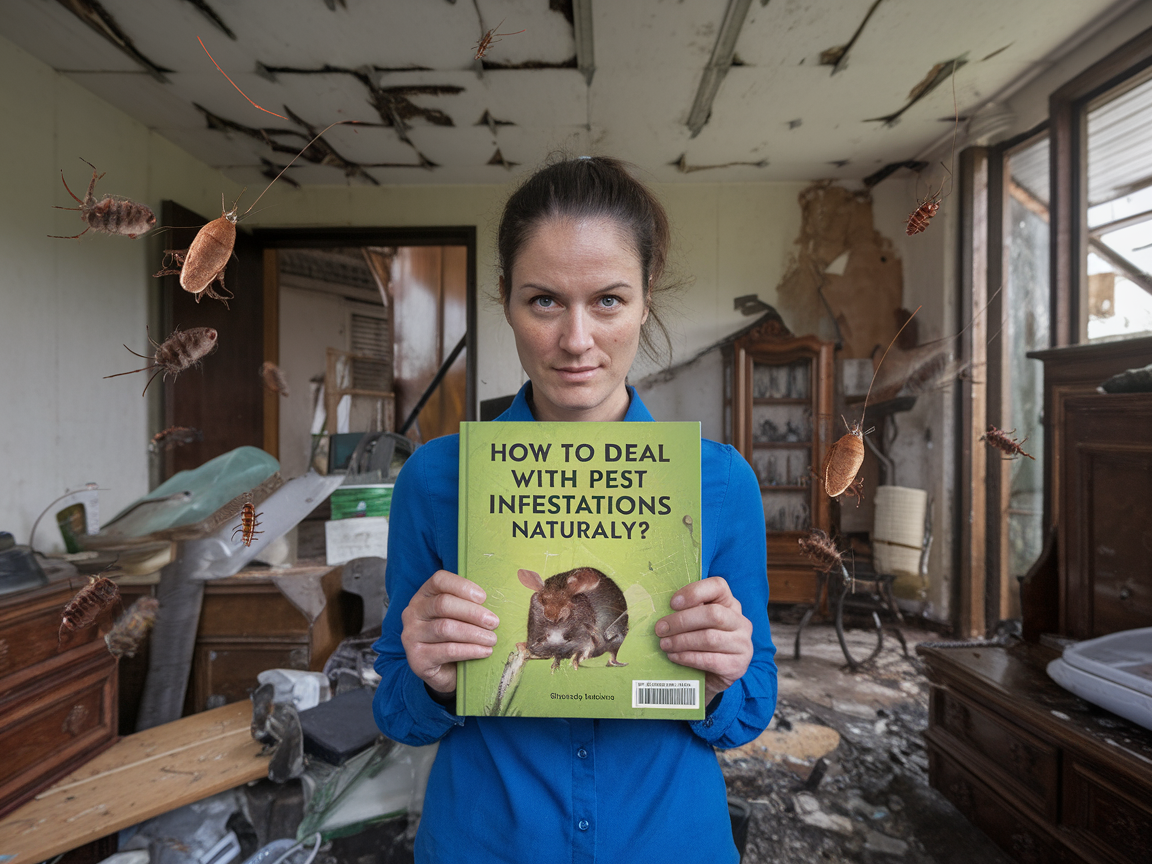
Pests invade homes. They cause damage. They spread disease. Chemical sprays are common.
But they can be harmful. Natural methods are safer. They protect your health.
They protect the environment. This article will explain. It will give details. It will help you solve pest problems naturally.
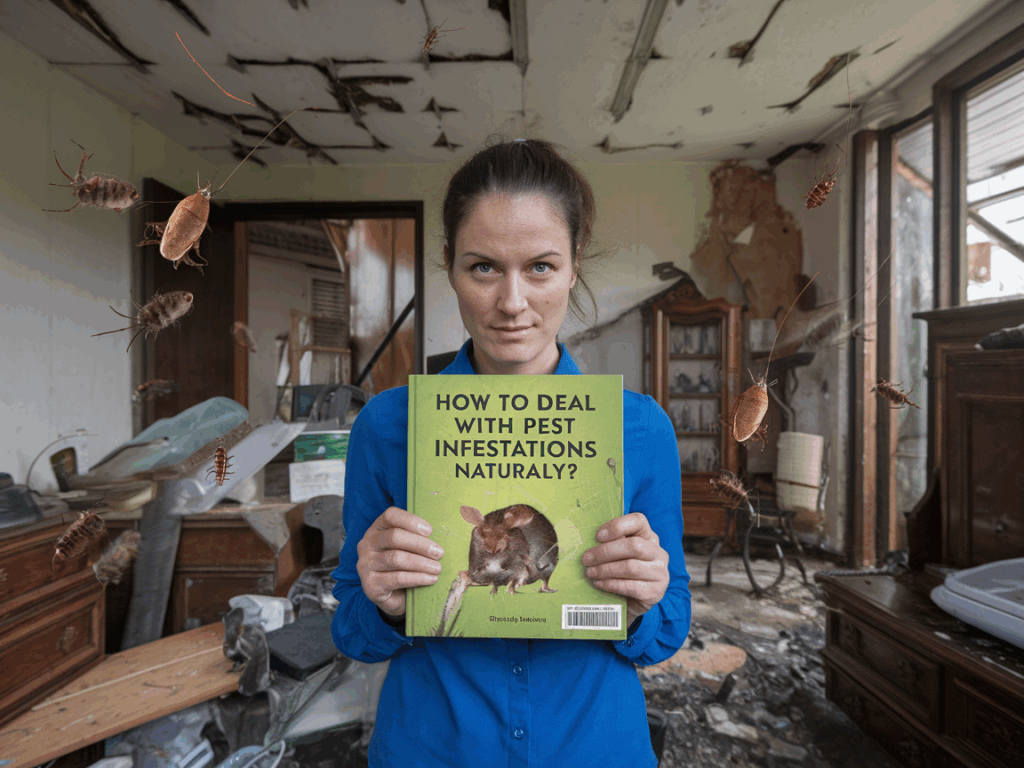
Understanding Pest Infestations
Pests enter homes for food. They seek shelter. They look for water. Common pests include ants. They include cockroaches. They include rodents. They include mosquitoes. Each pest behaves differently. Knowing their habits helps. It makes control easier.
Pests multiply fast. Small problems become big. Early action is key. Natural methods work best when used early. They prevent large infestations. They keep your home safe.
Why Choose Natural Pest Control?
Chemical pesticides are strong. They kill pests fast. But they have risks. They harm humans. They harm pets. They harm the environment. Natural methods are safer. They use non-toxic ingredients. They are eco-friendly.
Natural pest control is effective. It requires patience. It requires consistency. But it works long-term. It keeps pests away without side effects.
Natural Ways to Deal with Common Pests
Ants
Ants enter kitchens. They love sweets. They love crumbs. Keeping food sealed helps. Cleaning surfaces helps. Natural repellents work well.
Vinegar Solution
Mix equal parts vinegar and water. Spray on ant trails. Wipe surfaces clean. The smell repels ants. Repeat daily for best results.
Cinnamon Powder
Sprinkle cinnamon near entry points. Ants hate the smell. It blocks their path. Reapply after cleaning.
Lemon Juice
Squeeze lemon near ant paths. The acidity disrupts their scent trails. It confuses them. They stay away.
Cockroaches
Cockroaches spread germs. They hide in dark places. They come out at night. Natural methods reduce their numbers.
Baking Soda and Sugar
Mix equal parts baking soda and sugar. Place it in corners. Sugar attracts them. Baking soda kills them.
Bay Leaves
Place bay leaves in cabinets. Cockroaches hate the smell. They avoid areas with bay leaves.
Diatomaceous Earth
Sprinkle food-grade diatomaceous earth. It dehydrates cockroaches. It is safe for humans. Reapply after vacuuming.
Mosquitoes
Mosquitoes bite. They spread diseases. They breed in standing water. Removing stagnant water helps. Natural repellents keep them away.
Essential Oils
Mix lavender or eucalyptus oil with water. Spray around the house. It repels mosquitoes. Reapply every few hours.
Citronella Candles
Burn citronella candles outdoors. The smoke keeps mosquitoes away. Use them in sitting areas.
Mosquito-Repellent Plants
Plant basil or lemongrass near windows. Their scent deters mosquitoes. They work as natural barriers.
Rodents
Rats and mice chew wires. They spoil food. They carry diseases. Sealing entry points helps. Natural deterrents keep them out.
Peppermint Oil
Soak cotton balls in peppermint oil. Place them near rodent paths. The smell drives them away.
Steel Wool
Stuff steel wool in holes. Rodents cannot chew through it. It blocks their entry.
Ultrasonic Repellents
Use ultrasonic devices. They emit high-frequency sounds. Rodents hate the noise. They leave the area.
Flies
Flies spread germs. They buzz around food. They are annoying. Natural traps reduce their numbers.
Apple Cider Vinegar Trap
Fill a jar with apple cider vinegar. Cover it with plastic wrap. Poke small holes. Flies enter but cannot escape.
Herbs
Place mint or basil near windows. Flies dislike the smell. They stay away.
Flypaper Strips
Hang natural flypaper strips. They catch flies without chemicals. Replace when full.
Preventing Future Infestations
Prevention is better than cure. Simple habits keep pests away.
Keep Food Sealed
Store food in airtight containers. Clean spills immediately. Do not leave pet food out.
Remove Standing Water
Fix leaky pipes. Empty flowerpot trays. Do not let water collect.
Seal Entry Points
Check for cracks in walls. Seal gaps around pipes. Install door sweeps.
Maintain Cleanliness
Vacuum regularly. Take out trash daily. Keep floors dry.
Benefits of Natural Pest Control
Natural methods are safe. They do not harm humans. They do not harm pets. They protect the environment.
They are cost-effective. Most ingredients are cheap. They are easily available.
They work long-term. They address the root cause. They prevent future infestations.
When to Call a Professional
Some infestations are severe. DIY methods may fail. Professionals can help.
Look for these signs:
- Pests keep returning.
- Damage is extensive.
- Health risks are high.
Choose eco-friendly pest control services. They use natural solutions. They ensure safety.
Final Thoughts
Pests are a nuisance. Natural methods keep them away. They are safe. They are effective. They protect your home.
Start with prevention. Use natural repellents. Stay consistent. Your home will stay pest-free.
FAQs
1. Does vinegar kill pests?
Vinegar repels pests. It does not kill them. It disrupts their trails. It keeps them away.
2. How often should I apply natural repellents?
Apply daily at first. Reduce frequency as pests decrease. Reapply after cleaning.
3. Are natural methods safe for pets?
Yes. Most natural ingredients are pet-safe. Avoid essential oils near cats.
4. Can I use natural pest control outdoors?
Yes. Use plants and oils outside. They repel pests in gardens.
5. What if pests do not go away?
Try stronger natural methods. Call a professional if needed. Severe cases need expert help.
Natural pest control works. It keeps your home safe. It protects your family. Start today for a pest-free tomorrow.

Hi, I’m Ashley Miller, a wife, a busy mom, and someone who loves to share all the things that make life a little more fun and beautiful.
From easy DIY projects, delicious recipes, and chic hairstyles to nail ideas and home decor tips, I share everything I’ve learned and love.
My goal is to inspire other women to explore their creativity and make their homes even more special.