How Often To Water Tomatoes?
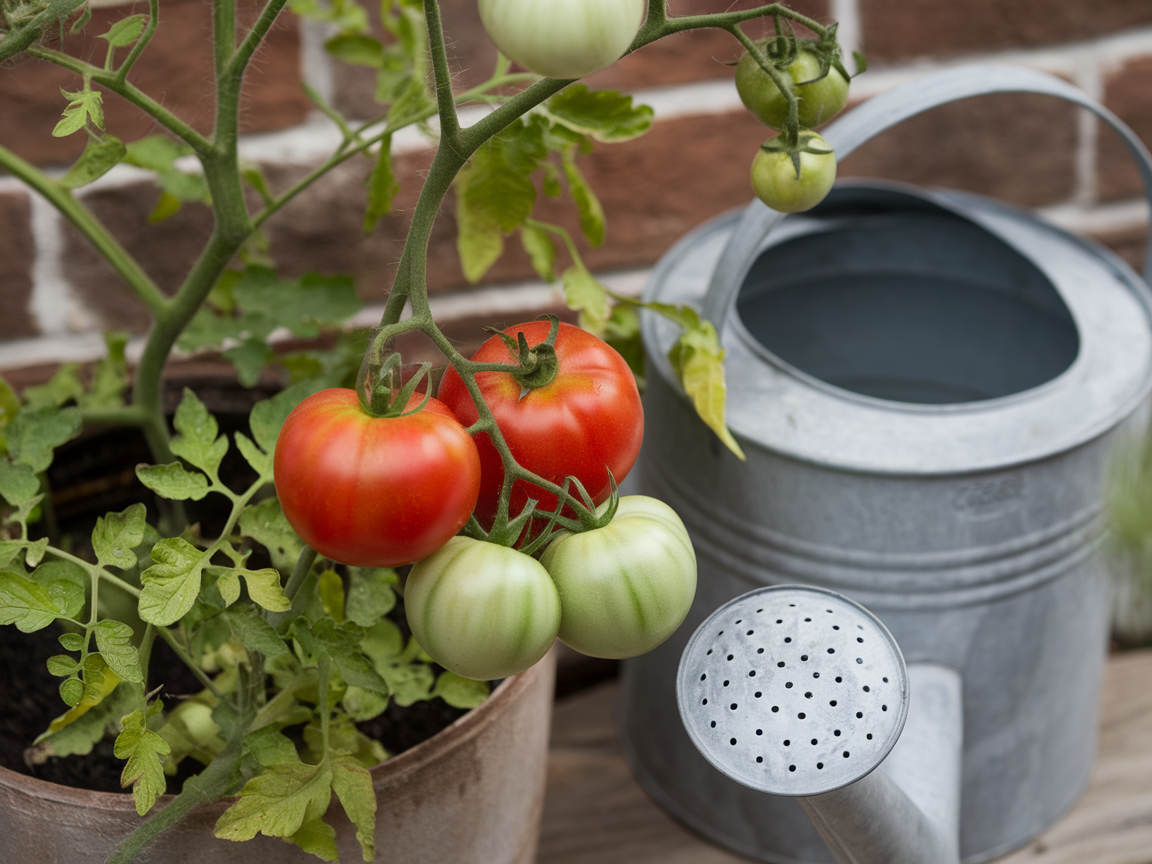
As we know, Tomatoes need water. They grow fast. They need care. Watering them right is key. Too much water hurts. Too little water hurts. This article will explain. It will give details. It will help you grow healthy tomatoes.
You must know when to water. You must know how much to water. Your tomato plants’ health matters. So let’s learn everything.
Proper watering makes a big difference. Some methods work better. Some mistakes can ruin plants. Understanding tomato care leads to better harvests.
How Much Water Do Tomatoes Need?
Tomatoes need consistent moisture. The soil should stay damp. It should not be soggy. Too dry soil causes problems. Too wet soil causes problems.
A general rule is 1-2 inches per week. This includes rain. Hot weather needs more. Cool weather needs less. Always check the soil first. Stick your finger in. If the top inch is dry water it. If it’s wet wait.
Young plants need less water. Mature plants need more. Fruit development needs steady moisture. Uneven watering causes cracks. Proper watering prevents diseases.
When To Water Tomatoes
Morning is the best time. Water before 10 AM. This gives leaves time to dry. Wet leaves at night cause fungus. Avoid midday watering. The sun evaporates water fast. Evening watering is risky. Dampness overnight invites disease.
Check soil daily in summer. Hot days dry soil fast. Cooler days may skip watering. Always adjust based on weather. Plants in pots dry faster. They need more frequent watering.
Signs Of Overwatering Tomatoes
Too much water harms plants. Yellow leaves are a sign. Wilting can happen too. Roots rot in soggy soil. Fungus grows in wet conditions.
Soil should not stay waterlogged. Drainage must be good. Raised beds help. Pots need holes. Overwatered plants grow slow. Leaves may drop. Fruit may split. Fix it by reducing water. Let soil dry between watering.
Signs Of Underwatering Tomatoes
Too little water stresses plants. Leaves curl or wilt. Growth slows down. Fruit may be small. Blossom end rot can happen.
Dry soil pulls away from pots. Plants droop in heat. Recovery is quick after watering. But repeated stress weakens plants. Mulch helps retain moisture. Consistent watering prevents problems.
Best Watering Methods For Tomatoes
Drip irrigation works best. It waters roots directly. Leaves stay dry. Soaker hoses are good too. They save water. They prevent splashing.
Hand watering is fine. Use a gentle stream. Avoid strong sprays. Water the base not leaves. Sprinklers waste water. They wet leaves too much. They increase disease risk.
How To Water Tomatoes In Pots?
Potted tomatoes dry faster. They need more attention. Check soil daily. Water when top inch is dry.
Use large pots. Small pots dry too fast. Good soil holds moisture. Add mulch on top. It reduces evaporation. Water until it drains out. Never let pots sit in water.
How To Water Tomatoes In The Ground
In-ground plants need deep watering. Light watering encourages shallow roots. Deep roots resist drought.
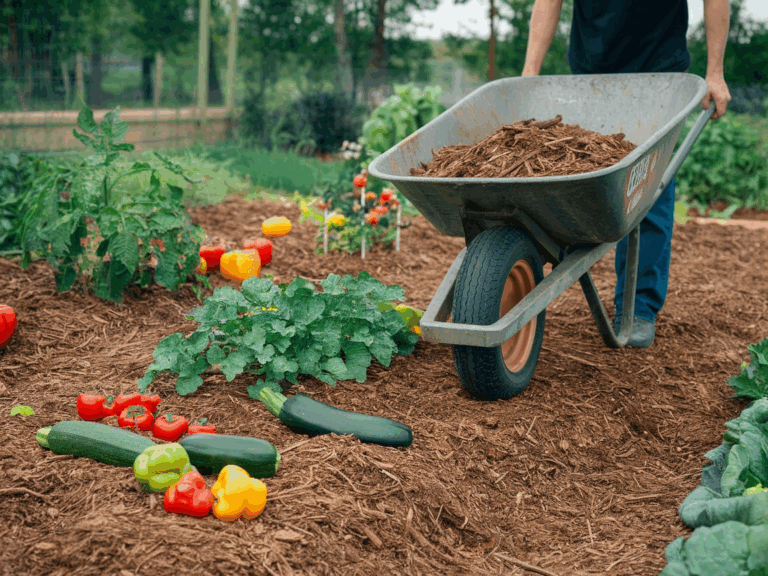
Water slowly. Let it soak in. Repeat if needed. Mulch keeps soil moist. It prevents weeds. It regulates temperature. Space plants properly. Crowding increases water competition.
Watering Tomatoes In Hot Weather
Heat increases water needs. Plants may wilt daily. Check soil moisture often. Water deeply in the morning.
Shade cloth helps in extreme heat. It reduces water loss. Avoid watering in midday sun. Water droplets can burn leaves. Increase mulch thickness. It keeps roots cool.
Watering Tomatoes In Cool Weather
Cool weather reduces water needs. Check soil before watering. Overwatering is common in fall.
Reduce frequency as temps drop. Wet soil in cold weather rots roots. Protect plants from heavy rain. Cover them if needed. Stop watering before frost.
Watering Tomatoes During Fruiting
Fruit needs steady moisture. Fluctuations cause cracks. Blossom end rot happens with dry spells.
Keep soil evenly moist. Don’t let it dry out. Don’t flood it either. Consistent watering gives best fruit. Harvest time needs careful attention.
Common Tomato Watering Mistakes
- Watering leaves not soil.
- Watering too often.
- Watering too little.
- Ignoring weather changes.
- Using poor drainage soil.
- Watering at wrong times.
- Not checking soil first.
Avoid these for healthy plants.
Tips For Better Tomato Watering
- Use mulch.
- Water deeply.
- Check soil daily.
- Adjust for weather.
- Use drip irrigation.
- Avoid wetting leaves.
- Group plants by water needs.
Good habits prevent problems. Healthy plants give more fruit.
Final Thoughts
Tomatoes need proper watering. Too much or too little harms them. Check soil often. Water in the morning. Use good methods. Adjust for weather and growth stage.
Healthy watering means healthy plants. Healthy plants mean big harvests. Follow these tips. Enjoy your tomatoes.
FAQs
1. How often should I water tomato seedlings?
Seedlings need light frequent water. Keep soil moist but not wet. Water every 2-3 days. Adjust as they grow.
2. Can tomatoes recover from overwatering?
Yes if caught early. Let soil dry out. Improve drainage. Trim damaged leaves.
3. Why do tomato leaves curl?
Underwatering or heat stress causes curling. Check soil moisture. Provide shade in heat.
4. Should I water tomatoes every day?
Only in extreme heat. Normally 2-3 times a week is enough. Always check soil first.
5. Does mulch reduce watering needs?
Yes mulch keeps soil moist. It reduces evaporation. Use straw or wood chips.
6. Can I water tomatoes at night?
No wet leaves overnight cause disease. Morning is the best time.
7. How do I fix blossom end rot?
Ensure even watering. Add calcium if needed. Avoid drought stress.
Proper watering solves most problems. Keep it simple. Watch your plants. They will tell you what they need.

Hi, I’m Ashley Miller, a wife, a busy mom, and someone who loves to share all the things that make life a little more fun and beautiful.
From easy DIY projects, delicious recipes, and chic hairstyles to nail ideas and home decor tips, I share everything I’ve learned and love.
My goal is to inspire other women to explore their creativity and make their homes even more special.