Ultimate Guide on How to Grow Asparagus for a Bountiful Harvest
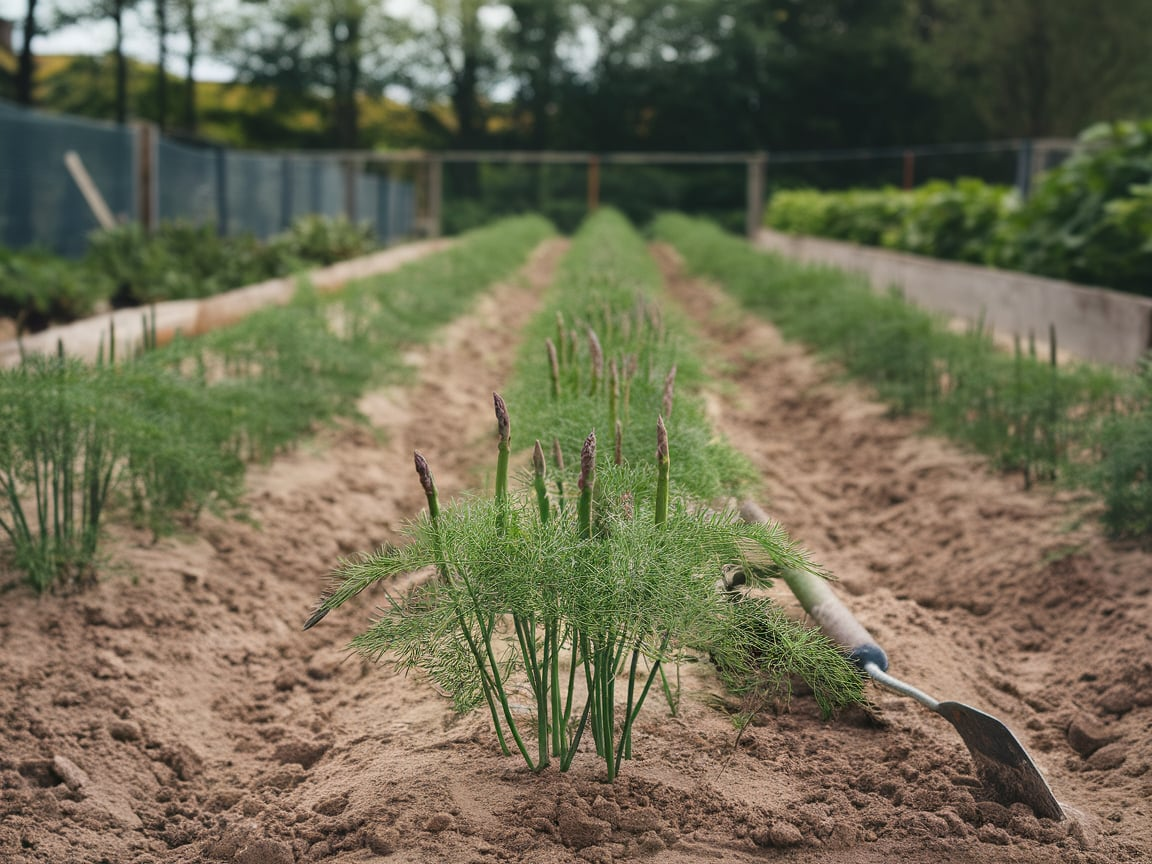
Growing asparagus is easier than you might think!
To grow asparagus, start by choosing a sunny spot in your garden, prepare the soil well, and plant healthy crowns or seeds in early spring.
With the right care, you’ll enjoy fresh, delicious asparagus for years to come.
Choosing the Right Asparagus Varieties
Picking the right asparagus variety is key to a successful harvest. Different varieties have unique flavors, textures, and growing requirements. Here’s a rundown of some popular types to consider:
Popular Asparagus Varieties
- Jersey Knight: This variety thrives in various climates. It produces thick, straight spears and offers high yields. Plus, it resists diseases well.
- Jersey Giant: Known for its big, tender spears, Jersey Giant works well in warmer regions. It grows quickly and produces for many years.
- Purple Passion: If you want something unique, go for Purple Passion. The spears turn a vibrant purple and have a sweet flavor. They can be harvested early in the season.
- Mary Washington: A classic choice, Mary Washington is easy to grow and adapts to many soil types. It’s reliable and produces spears that are tender and flavorful.
Considerations for Choosing Varieties
- Climate: Some varieties perform better in cooler climates, while others thrive in warmer areas. Check your local growing conditions.
- Space: Asparagus needs space to grow. Consider how much room you have. Densely planted varieties might not yield as much.
- Harvest Time: Different varieties have different harvest times. Some mature earlier in the season, while others take longer to produce.
- Disease Resistance: Certain varieties resist diseases better. If you live in an area prone to asparagus diseases, choose resistant types.
- Flavor and Texture: Think about what you like. Some prefer the classic taste of green asparagus, while others enjoy the sweetness of purple varieties.
Quick Comparison Table
| Variety | Flavor | Disease Resistance | Harvest Time |
|---|---|---|---|
| Jersey Knight | Mild | High | Mid-season |
| Jersey Giant | Rich | Moderate | Late-season |
| Purple Passion | Sweet | Moderate | Early-season |
| Mary Washington | Classic | High | Mid-season |
Choose wisely based on your garden’s conditions and your taste preferences. Happy gardening!
Preparing the Soil for Asparagus
Growing asparagus starts with the right soil. Asparagus thrives in well-drained, fertile soil. Here’s how to prepare it:
- Choose the Right Location
- Pick a sunny spot. Asparagus loves full sun.
- Ensure good air circulation. This helps prevent diseases.
- Test the Soil
- Check pH levels. Asparagus prefers a pH between 7.0 and 8.0.
- Use a soil test kit to determine nutrient levels.
- Improve Soil Quality
- Amend with organic matter. Add compost or well-rotted manure to enrich the soil.
- Mix in sand if your soil is heavy clay. This improves drainage.
- Tilling the Soil
- Till the soil to a depth of at least 12 inches. This loosens the soil and promotes root growth.
- Break up any large clumps. A fine soil texture encourages better planting.
- Fertilization
- Apply a balanced fertilizer. Use a ratio like 10-10-10 in the spring before planting.
- Consider adding bone meal or rock phosphate for extra phosphorus.
- Create Raised Beds (Optional)
- If your soil drains poorly, consider raised beds. This helps prevent waterlogging.
- Build beds that are at least 12 inches high for optimal drainage.
- Weed Control
- Clear the area of weeds. They compete for nutrients and water.
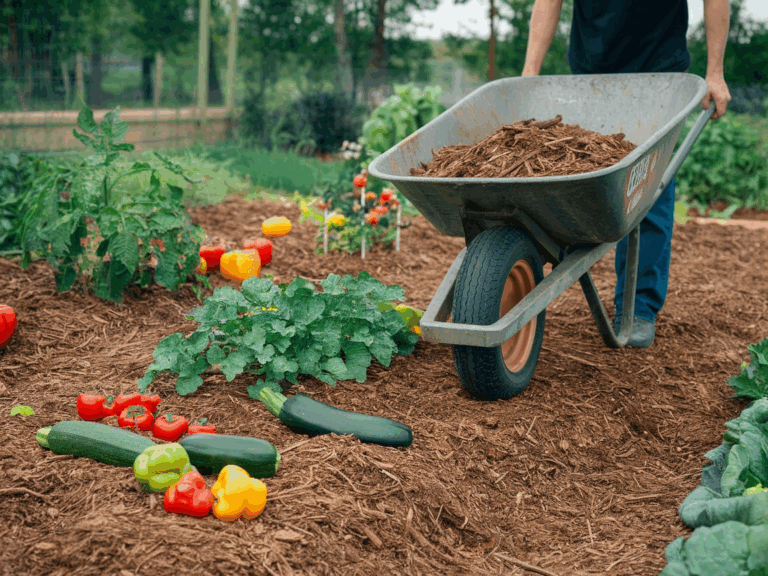
- Use mulch to suppress weeds and retain moisture.
- Watering
- Ensure the soil stays moist but not soggy. Asparagus roots need consistent moisture.
- Water deeply to encourage deep root growth, especially during dry spells.
Getting the soil ready takes some effort, but it pays off. Healthy, well-prepared soil sets the stage for a bountiful asparagus harvest.
Planting Asparagus Crowns
Planting asparagus crowns is a straightforward process. Follow these steps to ensure a healthy asparagus bed.
Timing
- Spring is the best time to plant asparagus crowns. Wait until the soil warms to at least 50°F (10°C).
- In warmer regions, you can plant in late winter.
Choosing Crowns
- Select 1-year-old crowns for best results. They adapt quickly and establish well.
- Look for healthy crowns with multiple buds and firm roots.
Preparing the Site
- Pick a sunny location. Asparagus thrives in full sun, ideally at least 6-8 hours a day.
- Test the soil. Aim for a pH between 6.5 and 7.0. Adjust as necessary.
- Prepare the soil. Loosen the soil to a depth of about 12 inches. Mix in compost or well-rotted manure for nutrients.
Planting Steps
- Dig trenches about 6-12 inches deep and 12-18 inches wide. Space trenches 3-4 feet apart.
- Add a layer of compost or well-rotted manure to the bottom of each trench.
- Place the crowns in the trench. Spread the roots out and position the crowns 12-18 inches apart.
- Cover the crowns with about 2 inches of soil, making sure the buds are just below the surface.
- Water well after planting to settle the soil around the roots.
Care After Planting
- Keep the soil moist but not soggy. Consistent watering helps establish roots.
- Mulch to conserve moisture and suppress weeds.
- Avoid harvesting for the first 2-3 years to allow plants to develop strong roots.
Maintenance
- Fertilize with a balanced fertilizer in early spring.
- Watch for pests and diseases. Treat promptly to protect your plants.
By following these guidelines, you’ll set your asparagus up for a bountiful harvest in the years to come.
Caring for Your Asparagus Plants
Taking care of your asparagus plants is crucial for a healthy harvest. Here’s how to keep them thriving.
Watering
Asparagus needs consistent moisture, especially during the growing season. Follow these tips:
- Water deeply once a week.
- Increase frequency during dry spells.
- Avoid wetting the foliage to prevent disease.
Fertilizing
Feed your asparagus plants to boost growth. Use a balanced fertilizer in early spring. Here’s a simple schedule:
- Apply a nitrogen-rich fertilizer when spears emerge.
- Fertilize again after the harvest.
- Use compost in the fall to enrich the soil.
Weeding
Keep weeds at bay. They compete for nutrients and water.
- Mulch around the plants to suppress weeds.
- Hand-pull weeds or use a hoe carefully to avoid damaging the roots.
Pest and Disease Management
Watch for common pests like asparagus beetles and aphids.
- Handpick pests or use insecticidal soap.
- Monitor for signs of diseases like rust and fusarium.
Harvesting
Don’t rush into harvesting. Wait until the plants are three years old.
- Cut spears when they reach about 6-8 inches tall.
- Leave some spears to grow into ferns for energy storage.
Winter Care
Prepare your asparagus for winter.
- Cut ferns down to the ground after the first frost.
- Apply a layer of mulch to protect the crowns.
By following these care tips, your asparagus plants will reward you with delicious spears for years to come.
Harvesting and Storing Asparagus
Harvesting asparagus takes some timing and technique. Start harvesting when spears reach about 6 to 8 inches tall. This usually happens in the spring, about 2 to 3 years after planting. Here’s how to do it right:
- Use a Sharp Knife or Garden Shears: Cut the spears just above the soil line. This helps prevent damage to the plant.
- Pick Regularly: Harvest every 2-3 days during the peak season. This encourages more growth and prevents the spears from becoming too woody.
- Stop Harvesting: After 6-8 weeks of harvesting, let the remaining spears grow into ferns. This allows the plant to store energy for next year.
Storing Asparagus
Fresh asparagus lasts longer when you store it properly. Here are some tips to keep your asparagus fresh:
- Refrigeration: Place unwashed asparagus in a plastic bag. Store it in the vegetable crisper drawer. It can last up to a week this way.
- Water Method: Trim the ends, then place the asparagus upright in a jar with about an inch of water. Cover the tops loosely with a plastic bag. This keeps them fresh for up to 10 days.
- Freezing: For longer storage, blanch asparagus in boiling water for 2-3 minutes, then plunge it into ice water. Drain and pack into airtight containers or freezer bags. It can last up to 8 months in the freezer.
Quick Storage Tips
- Avoid washing asparagus before storing. Moisture can lead to spoilage.
- Keep asparagus away from strong odors in the fridge. It can absorb them easily.
- Label and date any frozen asparagus to keep track of freshness.
By following these steps, you can enjoy your freshly harvested asparagus longer.
Conclusion
Growing asparagus rewards you with delicious spears and a unique gardening experience. Start with quality crowns, select a sunny spot, and prepare well-drained soil. Regular care, including watering and mulching, ensures healthy growth and yields. Patience pays off; enjoy your first harvest after a couple of years.
Asparagus thrives with proper attention. Stay mindful of pests and diseases. Consider companion planting to enhance growth. With dedication, you create a sustainable crop that can produce for decades. Enjoy the journey and relish the fruits of your labor in your meals.

Hi, I’m Ashley Miller, a wife, a busy mom, and someone who loves to share all the things that make life a little more fun and beautiful.
From easy DIY projects, delicious recipes, and chic hairstyles to nail ideas and home decor tips, I share everything I’ve learned and love.
My goal is to inspire other women to explore their creativity and make their homes even more special.