Ultimate Guide: How to Prepare Garden Soil for Planting Vegetables Like a Pro
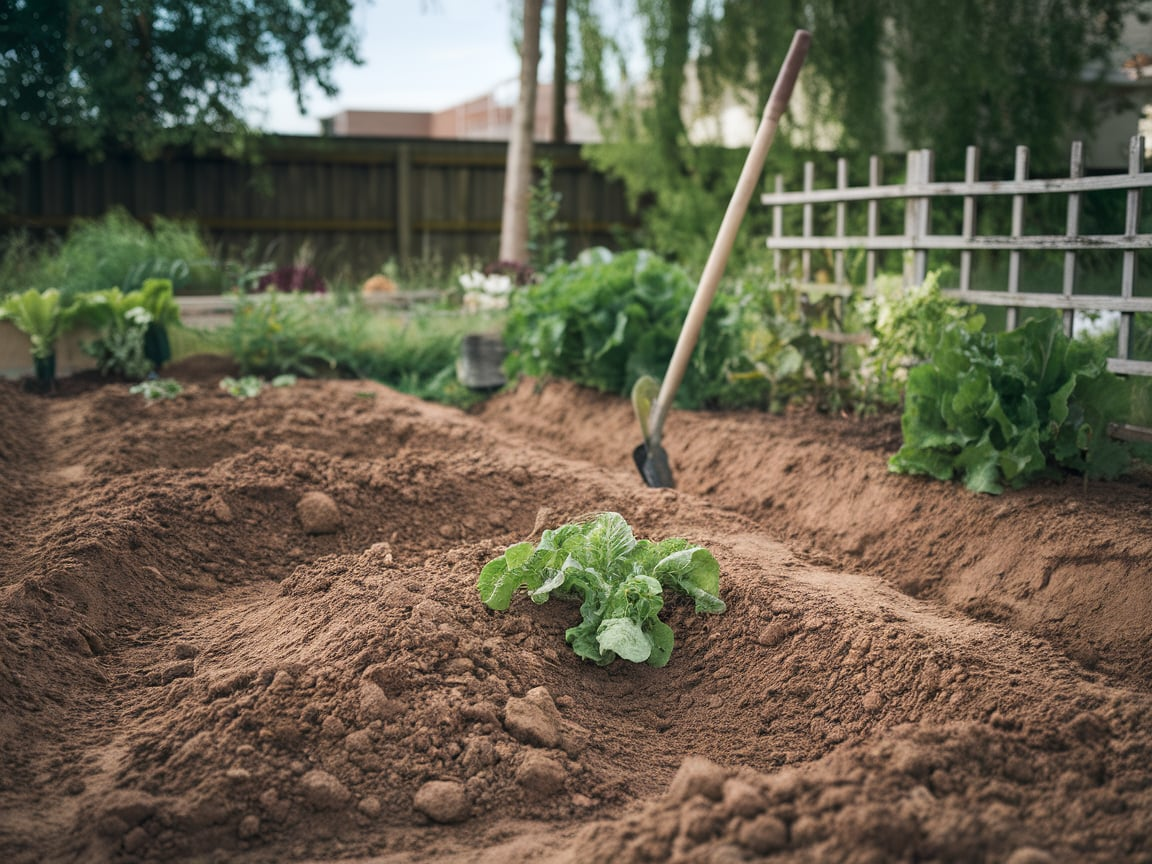
Preparing garden soil for planting vegetables is essential for fostering healthy growth and maximizing your harvest.
To prepare garden soil, start by clearing away any debris, then test the soil pH, and enrich it with organic matter like compost or well-rotted manure to create a nutrient-rich environment for your plants.
Testing Your Soil Quality
Before planting vegetables, testing your soil quality is crucial. It helps you understand what nutrients your soil lacks and what adjustments you need to make. Here’s how to do it:
- Gather Supplies
You’ll need:
- A soil test kit (available at garden centers or online)
- A clean container for samples
- A trowel or spade
- Collect Soil Samples
- Choose multiple spots in your garden for a representative sample.
- Dig down about 6-8 inches and collect soil from each spot.
- Mix samples in your container to get an average.
- Follow Kit Instructions
- Each soil test kit has specific instructions.
- Generally, you’ll need to mix soil with water and add testing solutions.
- Analyze Results
Most kits will measure:
- pH Level: Indicates acidity or alkalinity. Vegetables prefer a pH between 6.0 and 7.5.
- Nutrient Levels: Look for key nutrients:
- Nitrogen (N)
- Phosphorus (P)
- Potassium (K)
- Some kits also test for micronutrients.
- Interpret Findings
- If your soil is too acidic, consider adding lime to raise the pH.
- If it’s too alkaline, you might need to add sulfur.
- For nutrient deficiencies, look into fertilizers or organic amendments.
- Consider Professional Testing
If you want more detailed insights, consider sending a sample to a local extension service. They often provide comprehensive reports. - Regular Testing
Test your soil every few years to monitor changes. Soil quality can vary over time, so stay on top of it.
By testing your soil, you set the stage for a thriving vegetable garden. Understanding what’s in your soil helps you make informed decisions, leading to healthier plants and better yields.
Amending the Soil
Amending the soil is key to growing healthy vegetables. It boosts nutrients, improves texture, and enhances drainage. Follow these steps to get your soil ready for planting.
Test Your Soil
Start by testing your soil. You can buy a soil test kit from a garden center. This will help you understand the pH level and nutrient content. Aim for a pH between 6.0 and 7.0 for most vegetables.
Add Organic Matter
Organic matter helps improve soil structure and fertility. Here are some great options:
- Compost: Rich in nutrients and microorganisms. Mix in 2-4 inches of well-rotted compost.
- Manure: Use well-aged animal manure. It adds nutrients and improves soil texture. Avoid fresh manure as it can burn plants.
- Peat Moss: Enhances moisture retention. Mix in 1-2 inches to sandy soils.
Improve Drainage
If your soil retains too much water, add materials that improve drainage:
- Sand: Use coarse sand to break up heavy clay.
- Perlite or Vermiculite: These lightweight materials enhance aeration and drainage.
Adjust Nutrient Levels
Depending on your soil test results, you may need to add specific nutrients:
- Nitrogen: Use blood meal or fish emulsion for leafy greens.
- Phosphorus: Bone meal helps with root development and flowering plants.
- Potassium: Use wood ash for a boost in fruiting vegetables.
Mix It Up
Once you’ve added your amendments, mix everything together. Use a garden fork or tiller to ensure even distribution. Aim for a depth of at least 12 inches to allow roots to grow deep.
Water It In
After mixing, water the soil to help settle the amendments. This also activates nutrients, making them available for your plants.
Let It Rest
If you can, let the amended soil rest for a week or two before planting. This gives the nutrients time to integrate and the soil to stabilize.
Now you’re ready for a bountiful vegetable garden!
Tilling and Aerating the Ground
Tilling and aerating the soil is crucial for creating a healthy environment for your vegetables. It improves soil structure, enhances drainage, and allows nutrients to reach plant roots. Here’s how to do it effectively.
Tilling
- Choose the Right Time: Tilling works best when the soil is slightly moist but not soggy. Avoid tilling when it’s too wet, as this can lead to compaction.
- Select Your Tools:
- Hand Tiller: Great for small gardens.
- Rototiller: Ideal for larger areas.
- Garden Fork: Useful for breaking up tough spots.
- Tilling Depth: Aim for a depth of 6 to 12 inches. This depth allows you to mix in organic matter and break up compacted layers.
- Technique:
- Start at one edge and work your way across the garden.
- Use a back-and-forth motion to ensure even coverage.
- Break up any large clumps as you go.
Aerating
Aerating helps improve soil aeration and drainage. It’s especially important for heavy clay soils.
- Aeration Tools:
- Core Aerator: Removes small plugs of soil.
- Spike Aerator: Punctures holes in the soil without removing material.
- Aeration Process:
- Moisten the Soil: Water the soil a day before aerating to make it easier to work.
- Create Holes: Space holes about 6 inches apart. Aim for a depth of 2 to 4 inches.
- Leave Plugs on the Surface: They will break down and add organic matter back into the soil.
Benefits of Tilling and Aerating
- Improves Nutrient Access: Allows roots to reach essential nutrients.
- Enhances Water Drainage: Prevents waterlogging and root rot.
- Encourages Microbial Activity: Supports beneficial organisms that improve soil health.
Tilling and aerating set the stage for a thriving vegetable garden. By following these steps, you’ll create a fertile ground for your plants to grow strong and healthy.
Adding Nutrients and Fertilizers
To grow healthy vegetables, you need nutrient-rich soil. Here’s how to boost your garden soil with the right nutrients and fertilizers.
Test Your Soil
Start with a soil test. This helps you understand what nutrients your soil lacks. You can buy a soil test kit online or at a garden center. Follow the instructions to get accurate results.
Choose the Right Fertilizer
Based on your soil test, pick a fertilizer that fits your garden’s needs. Look for these options:
- Organic Fertilizers: These include compost, manure, and bone meal. They improve soil structure and add nutrients slowly.
- Synthetic Fertilizers: Quick-release options like ammonium nitrate provide nutrients fast but can leach away quickly.
- Slow-Release Fertilizers: These release nutrients over time, giving your plants a steady supply.
Add Nutrients
- Compost: Mix in 2-3 inches of compost into your garden beds. This boosts organic matter and improves soil texture.
- Manure: Use well-rotted manure. Add about 1-2 inches to your soil for a nutrient boost.
- Bone Meal: This adds phosphorus which supports root development. Mix in according to package instructions.
- Fish Emulsion: A liquid fertilizer that provides nitrogen. Use it as a foliar spray or mix it into the soil.
Application Tips
- Timing: Add fertilizers a few weeks before planting. This allows nutrients to settle into the soil.
- Even Distribution: Spread fertilizers evenly to avoid nutrient hotspots that can harm plants.
- Watering: Water the soil after applying fertilizer. This helps nutrients penetrate deeper into the soil.
Monitor and Adjust
Keep an eye on your plants. Yellowing leaves or stunted growth can signal nutrient deficiencies. Adjust your fertilization routine based on how your plants respond.
By adding the right nutrients and fertilizers, you set the stage for a bountiful vegetable garden. Happy planting!
Creating a Planting Plan
Planning your vegetable garden makes a big difference. A solid planting plan helps you maximize your space, ensure proper plant growth, and make harvesting easier. Here’s how to create an effective planting plan:
1. Choose Your Vegetables
Pick the vegetables you want to grow. Consider your climate, the season, and your family’s preferences. Some popular options include:
- Tomatoes
- Cucumbers
- Carrots
- Lettuce
- Peppers
2. Know Your Space
Measure your garden area. Understanding your space helps you decide how many plants you can fit. Keep in mind:
- Sunlight: Most vegetables need 6-8 hours of sunlight daily.
- Accessibility: Ensure you can easily reach plants for watering and harvesting.
3. Understand Plant Needs
Different plants have different requirements. Check the following for each vegetable:
- Spacing: How far apart do plants need to be?
- Watering: How much water do they require?
- Soil Type: Does it prefer sandy, loamy, or clay soil?
4. Create a Layout
Sketch a simple garden layout on paper or use a garden planning app. Consider:
- Rows or Beds: Decide if you want traditional rows or raised beds.
- Companion Planting: Some plants grow better together. For example, tomatoes and basil thrive side by side.
5. Timing is Key
Plan your planting schedule. Check the last frost date for your area. Here’s a basic guide for planting times:
| Vegetable | Planting Time |
|---|---|
| Tomatoes | After last frost |
| Carrots | Early spring |
| Lettuce | Early spring or fall |
6. Rotate Crops
Avoid planting the same vegetables in the same spot year after year. Crop rotation prevents pests and diseases. Rotate plants based on their family:
- Legumes: Beans and peas
- Solanaceae: Tomatoes, peppers, and eggplants
- Brassicas: Cabbage and broccoli
7. Adjust as Needed
Be flexible. Weather, pests, and plant performance may require adjustments. Monitor your garden regularly and make changes to your plan when necessary.
Creating a planting plan sets you up for a successful growing season. Enjoy getting your hands dirty and watching your garden thrive!
Conclusion
Preparing your garden soil for planting vegetables sets the stage for a successful growing season. Healthy soil provides essential nutrients, improves drainage, and promotes robust root growth. Test your soil regularly, amend it with organic matter, and ensure proper pH levels. Follow these steps to create a thriving environment for your plants.
With the right preparation, your vegetable garden can yield bountiful harvests. Stay attentive to your soil’s needs throughout the growing season. Regular maintenance and care make a significant difference in crop quality and yield. Get ready to enjoy the fruits of your labor.

Hi, I’m Ashley Miller, a wife, a busy mom, and someone who loves to share all the things that make life a little more fun and beautiful.
From easy DIY projects, delicious recipes, and chic hairstyles to nail ideas and home decor tips, I share everything I’ve learned and love.
My goal is to inspire other women to explore their creativity and make their homes even more special.