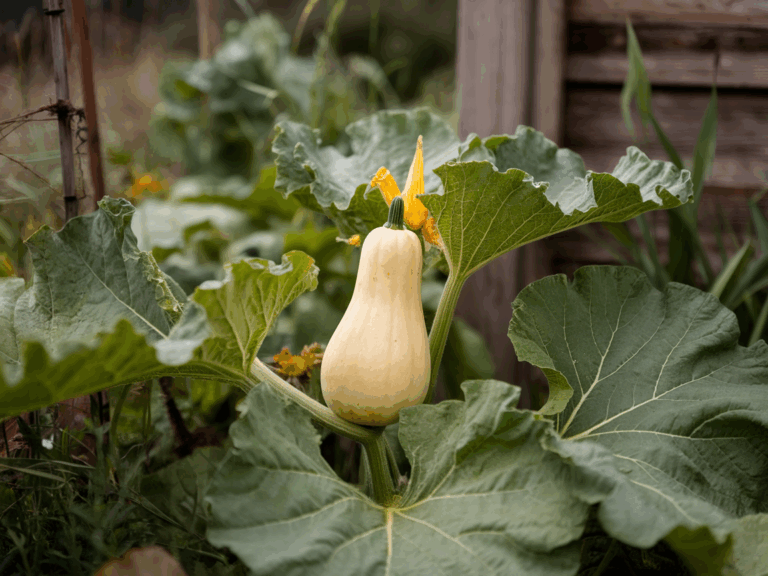
Discover the what vegetables are perennials?
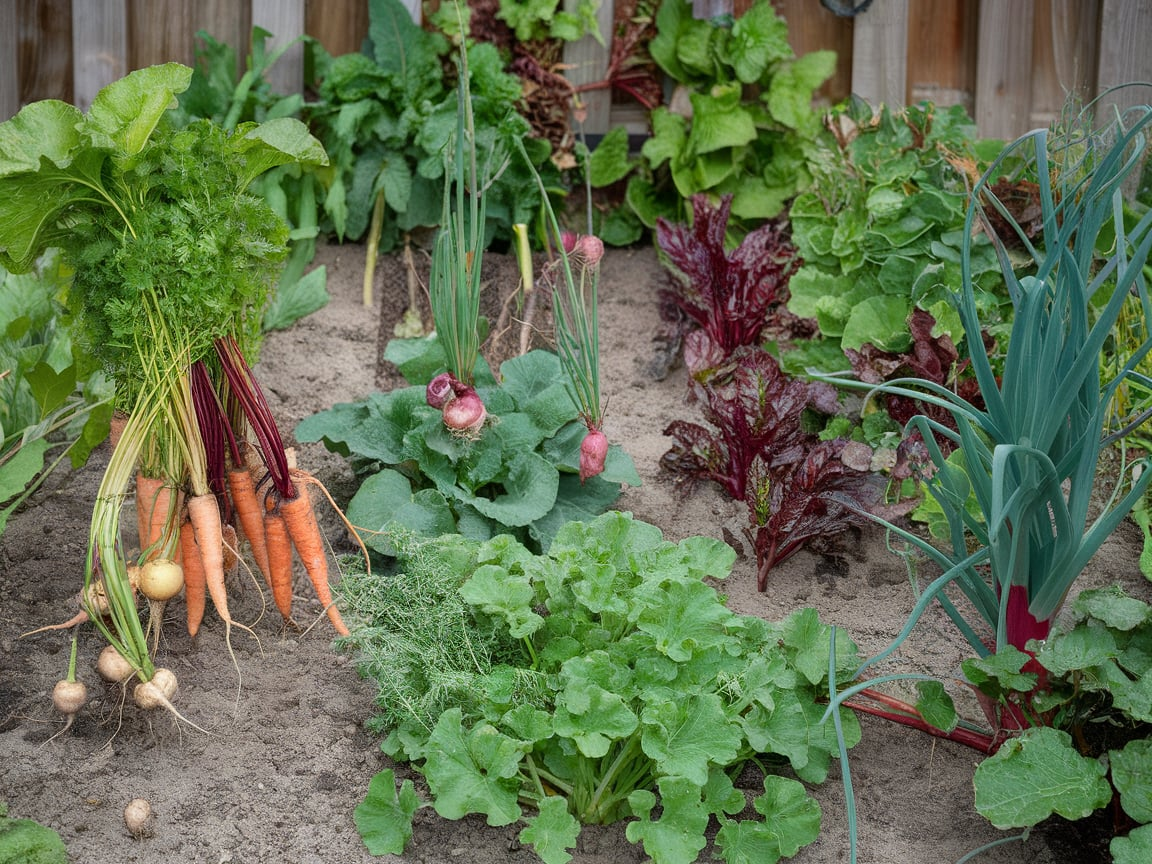
When it comes to gardening, you might be wondering, “what vegetables are perennials?”
Perennial vegetables are those that come back year after year without needing to be replanted, making them a fantastic addition to your garden.
These resilient plants include favorites like asparagus, rhubarb, and artichokes, which can provide you with a bountiful harvest season after season.
By choosing perennials, you can enjoy a more sustainable garden with less effort in the long run.
Understanding Perennial Vegetables
Perennial vegetables are those that come back year after year without needing to be replanted. They save you time, effort, and often money in the long run. These hardy plants thrive in various climates and soil types, making them a great choice for sustainable gardening.
Benefits of Perennial Vegetables
- Low Maintenance: Once established, perennials require less care than annuals.
- Soil Health: Their deep roots help improve soil structure and prevent erosion.
- Biodiversity: They attract beneficial insects and pollinators, promoting a healthy ecosystem.
- Continuous Harvest: Many perennials produce edible parts throughout the growing season.
Popular Perennial Vegetables
Here are some popular choices for your garden:
- Asparagus: This classic perennial can produce for up to 20 years. It’s a spring favorite.
- Rhubarb: Known for its tart flavor, rhubarb thrives in cooler climates and is perfect for pies.
- Artichoke: This stunning plant not only provides delicious buds but also adds beauty to your garden.
- Sea Kale: A nutrient-dense option, sea kale grows well by the coast and offers unique flavors.
- Sorrel: With its tangy leaves, sorrel is great in salads or soups and comes back every year.
Growing Tips
- Site Selection: Choose a sunny spot with good drainage.
- Soil Preparation: Enrich the soil with compost before planting.
- Watering: Keep the soil moist during the first growing season to help establish roots.
- Mulching: Apply mulch to suppress weeds and retain moisture.
Common Challenges
- Pests: Keep an eye out for common pests like aphids and caterpillars.
- Competition: Weeds can compete for nutrients and water; regular maintenance helps.
- Winter Protection: In colder areas, some perennials may need extra insulation during harsh winters.
Incorporating perennial vegetables into your garden creates a sustainable food source and enhances your outdoor space. They offer a unique way to enjoy fresh produce year after year with minimal effort.
Top Perennial Vegetables to Grow
Growing perennial vegetables can make your gardening easier and more rewarding. Here are some top picks that thrive year after year.
1. Asparagus
Asparagus is a classic perennial vegetable. Once established, it produces spears for 15-20 years. It prefers well-drained soil and full sun. Plant crowns in early spring to enjoy your harvest in a few years.
2. Rhubarb
Rhubarb adds a tart flavor to pies and desserts. This hardy plant can live for decades. It grows best in cooler climates and requires full sun. Harvest stalks in spring and let the plant rest in summer.
3. Sorrel
Sorrel offers a tangy flavor and works well in salads and soups. It grows quickly and tolerates partial shade. You can cut leaves throughout the growing season for continuous harvest.
4. Jerusalem Artichoke
Also known as sunchoke, this tuber is a great source of fiber. It thrives in various soil types and can grow up to 10 feet tall. Plant it in spring and enjoy a bountiful harvest in fall.
5. Chives
Chives are a must-have for any herb garden. These onion relatives grow easily and come back every year. Use them fresh in salads, or dry them for later use. They prefer sunny spots and well-drained soil.
6. Garlic Chives
Similar to regular chives, garlic chives have a stronger flavor. They add a unique twist to dishes. Plant them in spring, and they’ll return every year with minimal care.
7. Perpetual Spinach
This leafy green resembles Swiss chard and keeps producing throughout the season. It thrives in cool weather and tolerates shade. You can enjoy fresh leaves all summer long.
8. Sea Kale
Sea kale is a unique perennial with edible leaves and flowers. It grows well in coastal areas and adds a decorative touch to your garden. It’s best to plant it in a sunny location.
9. Cardoon
Cardoon resembles artichokes but grows stalks instead of buds. It adds a bold look to your garden and tastes great in Mediterranean dishes. Give it plenty of space to grow.
10. Fennel
Fennel is a versatile plant with feathery leaves and crunchy bulbs. It can grow as a perennial in warmer climates. Use it in salads, soups, or as a seasoning.
Choosing these perennial vegetables can give you a vibrant and productive garden for years to come. Enjoy the benefits of low-maintenance crops that keep on giving!
Benefits of Growing Perennial Vegetables
Growing perennial vegetables offers a bunch of advantages that can make gardening more enjoyable and efficient. Here are some key benefits:
- Less Maintenance: Once established, perennial vegetables require less upkeep than annuals. You won’t need to replant each season, saving you time and effort.
- Soil Health: Perennials help improve soil health. Their deep roots prevent erosion and enhance soil structure. This leads to better water retention and nutrient availability.
- Biodiversity: Planting perennials encourages a diverse ecosystem in your garden. This diversity attracts beneficial insects and pollinators, which can boost the overall productivity of your garden.
- Year-Round Harvest: Many perennial vegetables provide harvests at different times throughout the year. This means you can enjoy fresh produce from spring through fall, and some even through winter.
- Cost-Effective: Though the initial investment may be higher, perennials can save you money in the long run. You won’t need to buy seeds or seedlings every year, and they often require fewer inputs like fertilizers and water.
- Flavor and Nutrition: Perennial vegetables often have a richer flavor compared to their annual counterparts. They can also be more nutrient-dense, providing a healthy boost to your diet.
Some popular perennial vegetables include:
| Vegetable | Harvest Season | Notes |
|---|---|---|
| Asparagus | Spring | Takes a couple of years to establish. |
| Rhubarb | Spring to Early Summer | Great for pies and preserves. |
| Jerusalem Artichoke | Fall | Nutty flavor, great for soups. |
| Sorrel | Spring to Fall | Tart leaves, perfect for salads. |
| Perennial Kale | Year-Round | Hardy and nutritious. |
By choosing perennial vegetables, you invest in a garden that requires less work and rewards you with fresh produce for years to come. Enjoy the benefits and get creative with your perennial garden!
Tips for Caring for Perennial Vegetables
Caring for perennial vegetables can be a breeze with the right approach. Here are some straightforward tips to keep your plants healthy and productive.
1. Choose the Right Location
- Sunlight: Most perennial vegetables thrive in full sun. Aim for at least 6-8 hours of direct sunlight daily.
- Soil: Well-drained, nutrient-rich soil works best. Consider testing your soil to ensure it has the right pH and nutrient levels.
2. Watering
- Consistent Moisture: Keep the soil consistently moist, especially during dry spells. Avoid overwatering, as it can lead to root rot.
- Mulching: Apply a layer of organic mulch around your plants. This helps retain moisture and suppress weeds.
3. Fertilizing
- Organic Fertilizer: Use compost or well-rotted manure to provide essential nutrients. Apply in early spring as new growth appears.
- Avoid Over-Fertilizing: Too much fertilizer can lead to excessive leaf growth at the expense of fruit or root development.
4. Pruning
- Regular Trimming: Remove dead or damaged leaves to promote healthy growth. This also helps improve air circulation.
- Cut Back in Winter: For some varieties, cutting back in late fall or early winter encourages new growth in spring.
5. Pest and Disease Management
- Monitor Regularly: Keep an eye out for pests like aphids or slugs. Early detection makes management easier.
- Natural Remedies: Use neem oil or insecticidal soap for pest control. Encourage beneficial insects like ladybugs to keep pests in check.
6. Harvesting
- Pick Regularly: Harvesting encourages new growth. Don’t wait too long to pick, as this can affect the plant’s productivity.
- Know When to Harvest: Each vegetable has its own ideal harvest time. Research specific timing for your plants.
7. Winter Care
- Protection Against Cold: In colder climates, consider covering plants with mulch or fabric to protect them from frost.
- Dividing Plants: Every few years, divide crowded plants to rejuvenate them and encourage better yields.
Following these tips will help you enjoy a thriving perennial vegetable garden. Happy gardening!
Common Mistakes to Avoid with Perennials
Growing perennial vegetables can be rewarding, but people often trip up along the way. Avoid these common mistakes to keep your plants thriving.
- Choosing the Wrong Location
Not every spot works for every plant. Make sure to check sunlight needs. Some veggies love full sun, while others prefer partial shade. - Ignoring Soil Quality
Healthy soil is key. Test your soil before planting. Amend it with compost and organic matter to boost nutrients. Poor soil leads to weak plants. - Overwatering or Underwatering
Finding the right balance is crucial. Too much water can drown roots. Too little can dry them out. Check the soil moisture regularly. - Neglecting Pest Control
Perennials can attract pests. Regularly inspect plants for signs of trouble. Use organic pesticides or natural remedies to manage infestations. - Skipping Maintenance
Perennials need love too. Regular weeding and pruning help them stay healthy. Deadheading spent flowers encourages new blooms. - Planting Too Close Together
Crowding can lead to competition for nutrients and water. Check spacing recommendations for each vegetable. Give them room to grow. - Not Considering Hardiness Zones
Each plant has a hardiness zone. Know your zone and select perennials that thrive in your climate. This ensures they survive harsh winters. - Failing to Rotate Crops
Even perennials benefit from crop rotation. Change the location of your plants every few years to prevent soil depletion and disease. - Neglecting to Research
Do your homework before planting. Different perennials have varying needs. Understanding these requirements leads to better results. - Ignoring Seasonal Changes
Weather can impact growth. Be mindful of seasonal changes and prepare your plants accordingly. Mulching can help protect roots during extreme temperatures.
By avoiding these mistakes, you’ll set your perennial vegetables up for success. Happy gardening!
Conclusion
Perennial vegetables offer a fantastic way to enjoy fresh produce year after year. They require less replanting and can thrive in your garden with minimal effort. By incorporating these hardy plants, you can create a sustainable garden that provides delicious veggies season after season.
Exploring perennial options like asparagus, rhubarb, and artichokes can expand your culinary repertoire. These vegetables not only save you time and effort but also contribute to a healthier garden ecosystem. Embrace the joy of perennial gardening and enjoy the benefits it brings to your table.

Hi, I’m Ashley Miller, a wife, a busy mom, and someone who loves to share all the things that make life a little more fun and beautiful.
From easy DIY projects, delicious recipes, and chic hairstyles to nail ideas and home decor tips, I share everything I’ve learned and love.
My goal is to inspire other women to explore their creativity and make their homes even more special.