Bathroom Moisture Problems and Their Fixes
Bathrooms face moisture issues often. These problems can cause damage. They can lead to mold.
They can ruin walls. They can harm floors. Fixing them is essential. This article will explain. It will give details. It will help you solve them.
So let’s learn everything. Resistance to moisture buildup makes a big difference. Some fixes are simple. Some need effort. Understanding bathroom care leads to long-term protection.
What Causes Bathroom Moisture Problems?
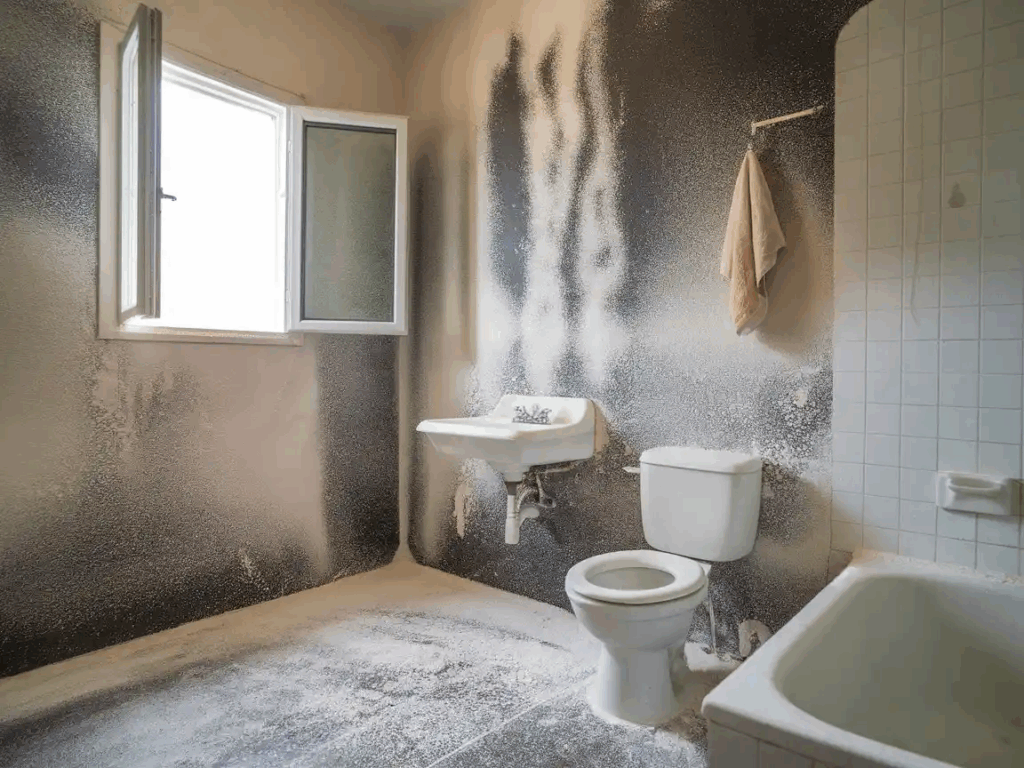
Bathrooms get wet daily. Showers create steam. Sinks splash water. Poor ventilation traps humidity. These factors increase moisture. Excess moisture causes problems. It weakens structures. It promotes mold growth. It damages paint. It warps wood.
The accumulation of dampness results from multiple sources. Identifying them helps in prevention. The primary causes include:
- Lack of ventilation – No fan or window leads to trapped steam.
- Leaking pipes – Hidden drips add moisture silently.
- Poor sealing – Gaps around tubs and sinks let water seep in.
- Insufficient waterproofing – Walls and floors absorb water over time.
Common Bathroom Moisture Problems
Moisture issues show in different ways. Recognizing them early helps. Here are the most frequent ones:
1. Mold and Mildew Growth
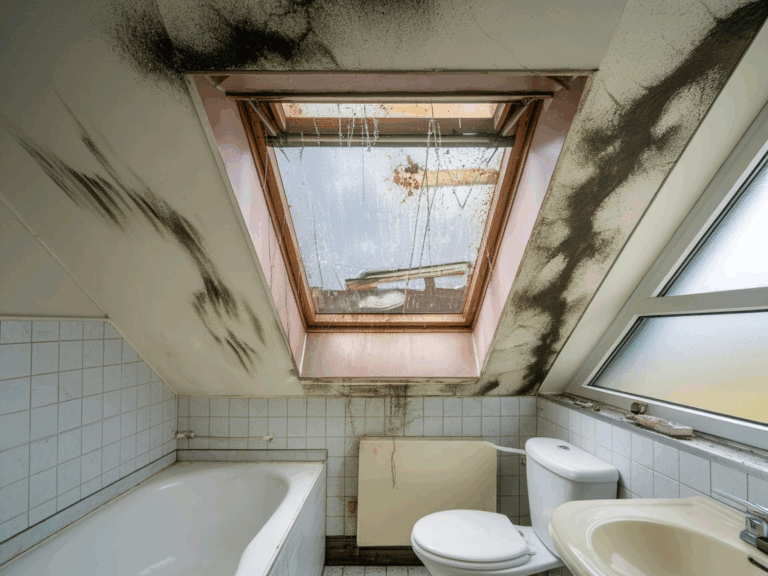
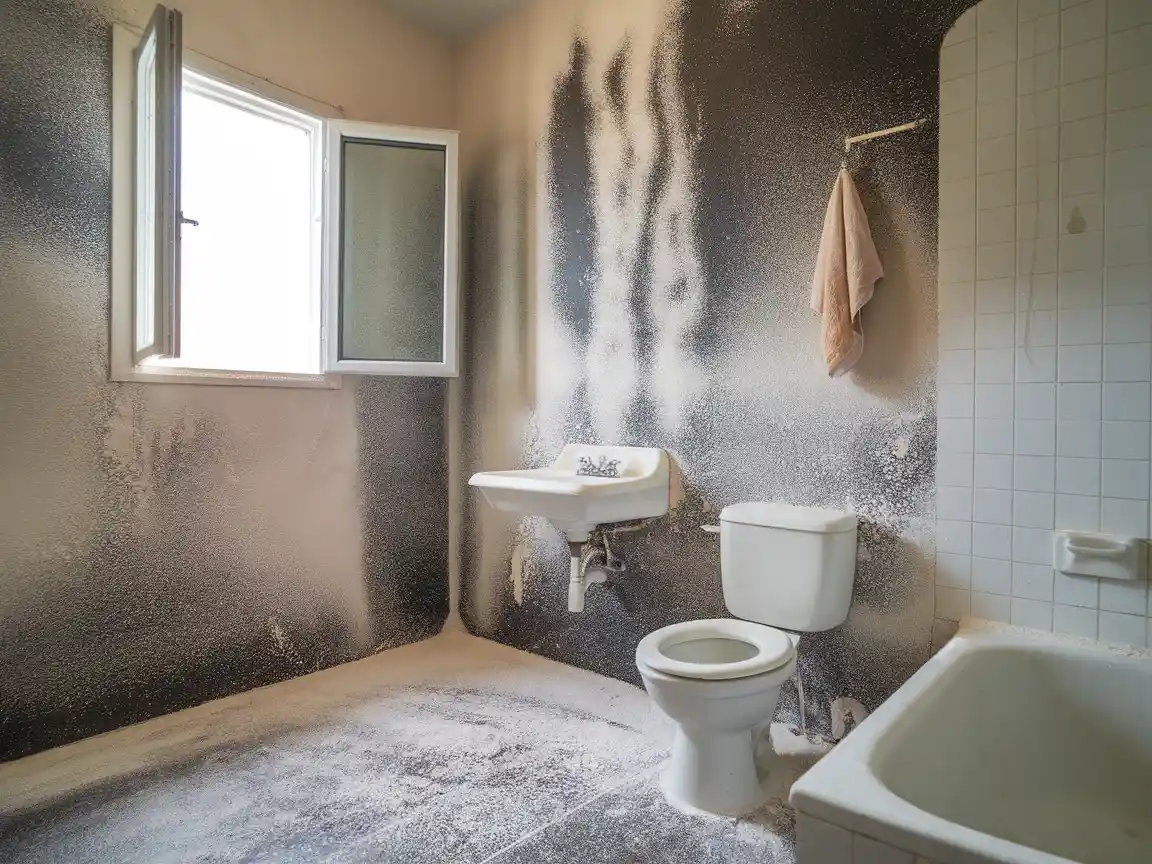
Mold loves dampness. It appears as black or green spots. It grows on walls. It spreads on ceilings. It thrives in grout lines. It causes health risks. Breathing mold spores is harmful.
2. Peeling Paint and Wallpaper
Moisture weakens adhesives. Paint starts bubbling. Wallpaper begins peeling. This looks ugly. It also exposes walls to more damage.
3. Warped or Rotting Wood
Wood absorbs water. Excess moisture makes it swell. Over time it rots. Cabinets doors and frames get damaged. Rotting wood attracts pests.
4. Musty Odors
Dampness causes bad smells. The air feels stale. The odor lingers. It comes from mold and trapped moisture.
5. Water Stains on Ceilings and Walls
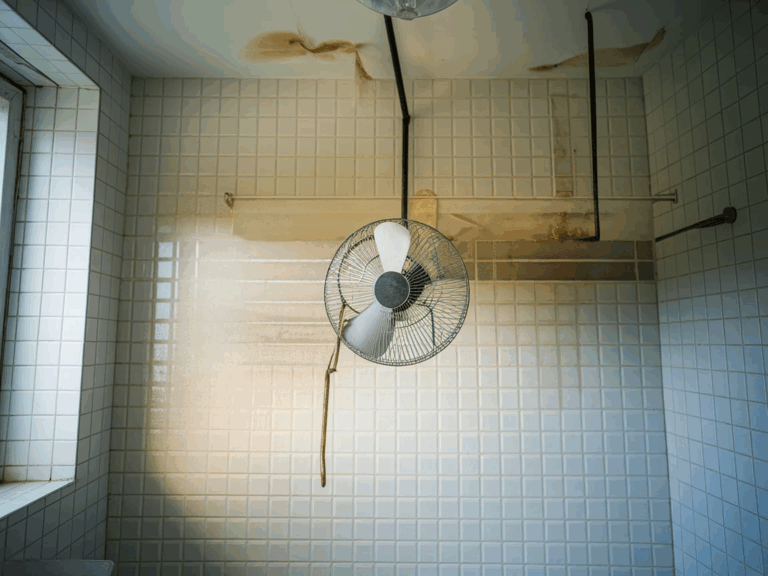
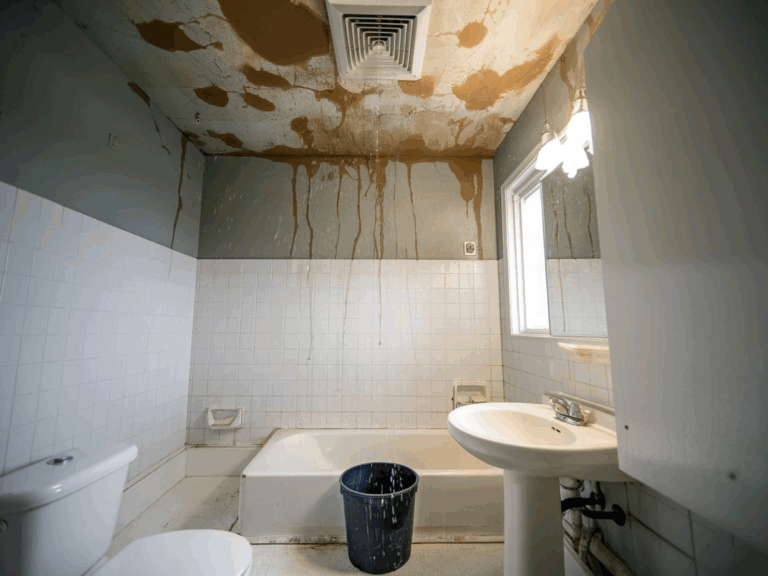
Leaks leave marks. Yellow or brown stains appear. They indicate long-term moisture exposure. Ignoring them worsens the damage.
How to Fix Bathroom Moisture Problems
Fixing moisture issues requires action. Some solutions are quick. Some need professional help. Here are the best fixes:
1. Improve Ventilation
Steam needs to escape. Proper airflow prevents buildup.
- Install an exhaust fan – A fan pulls out humid air. Run it during and after showers.
- Open windows – Fresh air reduces dampness. Keep them open when possible.
- Use a dehumidifier – This device removes excess moisture. It works well in small bathrooms.
2. Fix Leaks Immediately
Dripping water adds moisture. Check pipes regularly.
- Inspect under sinks – Look for wet spots or corrosion.
- Check showerheads – Tighten loose connections.
- Repair toilet leaks – A running toilet wastes water and increases humidity.
3. Seal Gaps and Cracks
Water seeps through openings. Sealing blocks it.
- Apply caulk around tubs and sinks – This prevents water from entering walls.
- Use waterproof grout on tiles – Cracked grout lets moisture through. Reapply when needed.
- Install weatherstripping on doors – This stops humid air from spreading.
4. Use Moisture-Resistant Materials
Some materials handle dampness better.
- Choose mold-resistant paint – It prevents fungal growth.
- Install waterproof drywall – Regular drywall absorbs water. Green board resists it.
- Opt for vinyl or tile flooring – These materials don’t warp like wood.
5. Clean and Dry Surfaces Regularly
Preventing buildup is key.
- Wipe down walls after showers – A squeegee removes excess water.
- Dry floors and counters – Standing water evaporates and increases humidity.
- Wash towels and mats often – Damp fabrics hold moisture.
6. Treat Mold and Mildew Properly
Ignoring mold is dangerous. Remove it safely.
- Use vinegar or hydrogen peroxide – These kill mold naturally.
- Scrub affected areas – A brush removes visible growth.
- Wear protective gear – Gloves and masks prevent inhalation.
Preventing Future Moisture Problems
Stopping moisture early saves money. Follow these tips:
- Run the fan for 30 minutes after showers – This clears lingering steam.
- Hang wet towels outside the bathroom – Drying them indoors raises humidity.
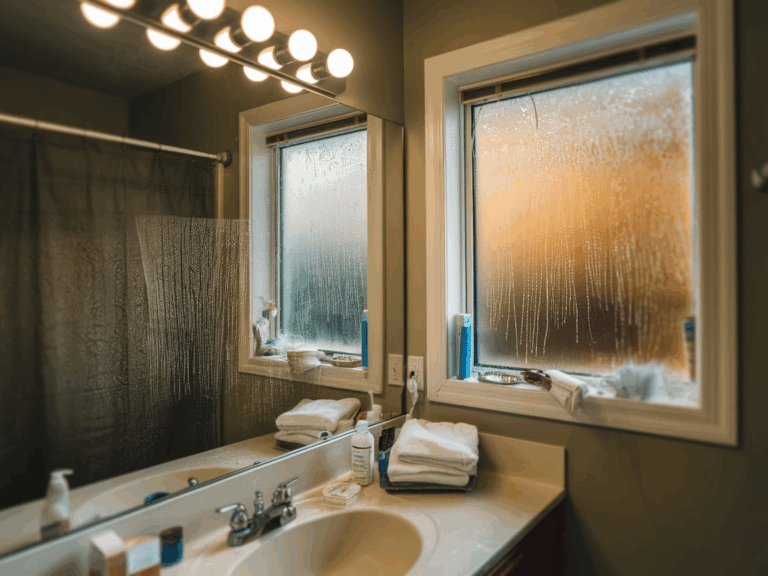
- Check for condensation – Wipe down mirrors and windows daily.
- Inspect plumbing yearly – Early leak detection prevents major damage.
When to Call a Professional
Some issues need expert help.
- Persistent mold growth – Professionals use stronger treatments.
- Structural water damage – Rotting beams or walls require repairs.
- Faulty ventilation systems – Improper fan installation reduces effectiveness.
Final Thoughts
Bathroom moisture causes many problems. It damages surfaces. It creates health risks. Fixing it is necessary. Proper ventilation helps. Sealing gaps prevents leaks. Using resistant materials reduces damage. Regular cleaning stops mold.
Stay proactive. Small steps make a big difference. A dry bathroom lasts longer. It stays cleaner. It remains healthier. Follow these fixes for long-term results.
FAQs
1. How do I know if my bathroom has too much moisture?
Look for foggy mirrors. Notice peeling paint. Smell musty odors. These signs indicate high humidity.
2. Can plants reduce bathroom moisture?
No. Plants add humidity. Avoid keeping many in bathrooms.
3. How often should I replace caulk?
Every 5 years. Cracked or discolored caulk needs immediate replacement.
4. Does cold weather worsen bathroom moisture?
Yes. Cold air holds less moisture. Condensation increases in winter.
5. Are bleach-based cleaners safe for mold?
Bleach kills surface mold but doesn’t prevent regrowth. Vinegar works better long-term.
By following these tips you can keep your bathroom dry and safe. Prevention is always easier than repair. Act now to avoid costly damage later.

Hi, I’m Ashley Miller, a wife, a busy mom, and someone who loves to share all the things that make life a little more fun and beautiful.
From easy DIY projects, delicious recipes, and chic hairstyles to nail ideas and home decor tips, I share everything I’ve learned and love.
My goal is to inspire other women to explore their creativity and make their homes even more special.