Should I Water Plants Daily?
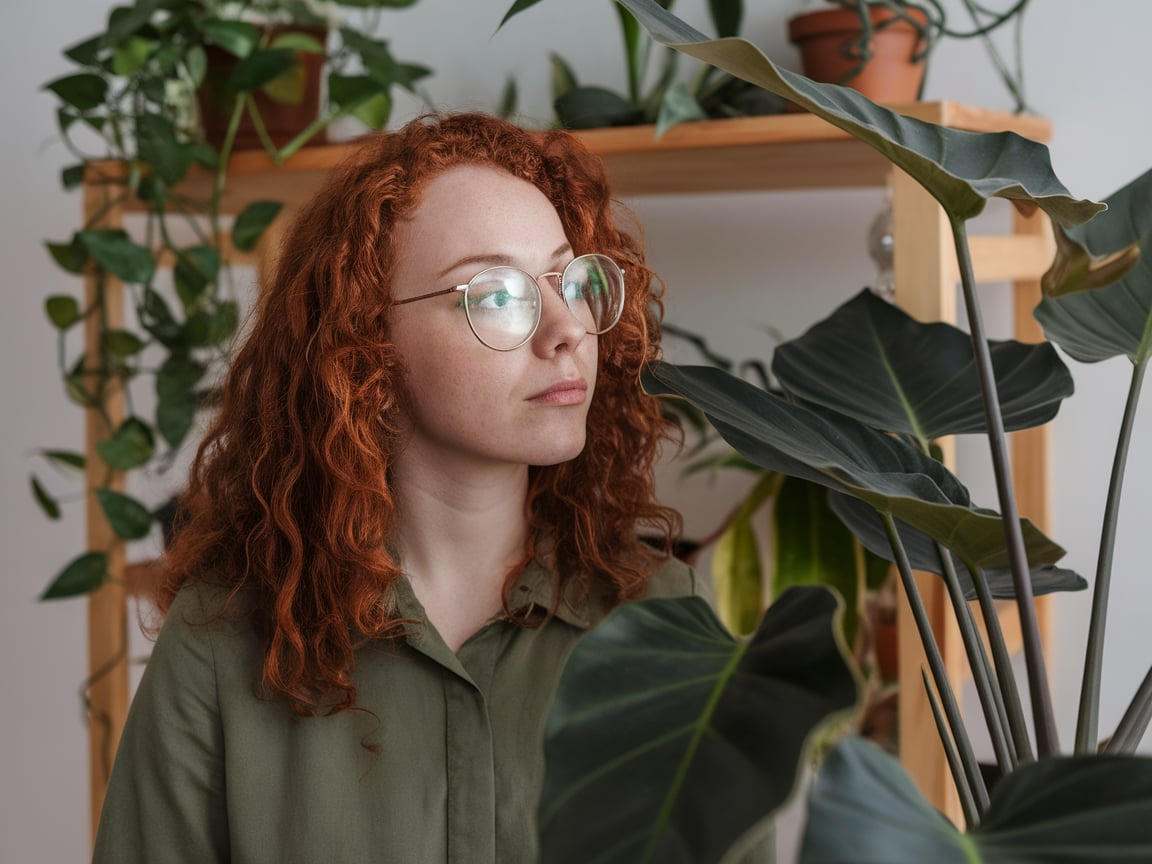
Plants need water. They rely on it. But is daily watering good? This article will explain. It will give details. It will help you decide. You must know what is right. You must know what is wrong. Your plant’s health matters.
So let’s learn everything. Resistance to improper watering makes a big difference. Some plants need more. Some plants need less. Understanding plant care leads to their healthy growth.
What Is Plant Watering?
Plant watering is essential. It keeps plants alive. It helps them grow. Roots absorb water. Leaves use it. But too much is bad. Too little is worse. Balance is key.
Watering depends on many things. The plant type matters. The soil type matters. The weather matters. Some plants like dryness. Some plants like moisture. You must know your plant’s needs.
Should I Water Plants Daily?
Most plants do not need daily watering. It can harm them. Roots can rot. Soil can get soggy. Plants can die. Some exceptions exist. Small pots dry fast. Hot weather increases thirst. But generally daily watering is unnecessary.
Overwatering is a common mistake. Many plants suffer from it. Less water is often better. Let the soil dry slightly. Check before watering. Stick your finger in. If it feels damp wait. If it feels dry water.
Why Is Daily Watering Bad?
Daily watering has risks. It can cause root rot. Roots need air too. Too much water drowns them. Fungus can grow. Pests can attack. Plants weaken. They may die.
Soil needs time to dry. Constant wetness is harmful. Plants develop shallow roots. They become weak. Drought harms them faster. Proper watering strengthens roots. They grow deep. They stay healthy.
What Plants Need Daily Watering?
Few plants need daily water. Seedlings may need it. Their roots are small. They dry out fast. Hanging baskets dry quickly. Small pots lose moisture fast. Hot climates increase thirst.
Some vegetables need frequent water. Lettuce likes moisture. Cucumbers need consistency. But even these need proper drainage. Standing water is never good. Adjust based on weather. Rain reduces need. Heat increases it.
How to Water Plants Correctly?
Water deeply but less often. This helps roots grow strong. Light watering encourages shallow roots. Deep watering promotes depth.
Water the soil not leaves. Wet leaves cause disease. Focus on the base. Morning is best. Evening is okay. Avoid midday. Sun burns wet leaves.
Use the right amount. Small plants need less. Big plants need more. Check soil moisture first. Do not follow a strict schedule. Adapt to plant needs.
Signs of Overwatering
Yellow leaves mean trouble. Soft stems mean trouble. Mold on soil is bad. A foul smell is worse. These mean too much water.
Stop watering immediately. Let soil dry completely. Remove damaged leaves. Improve drainage if needed. Repot if necessary. Save your plant before it’s too late.
Signs of Underwatering
Dry crispy leaves are a sign. Drooping stems are a sign. Soil pulling from edges is bad. These mean not enough water.
Water slowly and deeply. Do not flood the plant. Rehydrate gradually. Check soil daily until recovered. Adjust your routine moving forward.
Factors Affecting Watering Needs
Plant Type
Succulents need little water. Ferns need more. Cacti prefer dryness. Tropical plants like moisture. Know your plant’s nature.
Soil Type
Sandy soil drains fast. It needs more water. Clay soil holds water. It needs less. Loamy soil is balanced. Adjust watering accordingly.
Pot Size
Small pots dry fast. Big pots hold moisture. Material matters too. Terracotta dries quickly. Plastic retains water. Choose wisely.
Weather
Hot weather increases thirst. Cold weather reduces it. Rain replaces watering. Wind dries soil faster. Always check conditions.
Season
Summer needs more water. Winter needs less. Spring and fall vary. Dormant plants drink little. Growing plants drink more.
Best Watering Practices
- Water in the morning.
- Check soil before watering.
- Water deeply not frequently.
- Use pots with drainage holes.
- Adjust based on plant needs.
- Observe plant responses.
Common Watering Mistakes
- Watering on a fixed schedule.
- Ignoring weather changes.
- Watering leaves instead of soil.
- Using pots without drainage.
- Overwatering out of fear.
How to Test Soil Moisture
Use your finger. Push it into soil. If dry water. If damp wait.
Use a moisture meter. It gives accurate readings. Helpful for beginners.
Lift the pot. Heavy means wet. Light means dry. Practice helps judge better.
Self-Watering Solutions
Self-watering pots exist. They control moisture. Good for busy people.
Water globes work too. They release slowly. Useful for short trips.
Mulch helps retain moisture. It reduces evaporation. Great for garden beds.
Final Thoughts
Most plants do not need daily water. It often causes harm. Learn your plant’s needs. Check soil regularly. Adjust based on conditions.
Overwatering kills more than underwatering. When in doubt wait. Healthy watering leads to thriving plants.
FAQs
1. Can I water all plants the same way?
No. Different plants have different needs. Research each plant. Adjust watering accordingly.
2. How do I know if my plant is thirsty?
Check the soil. Dry soil means water. Drooping leaves can signal thirst.
3. Is tap water safe for plants?
Most plants tolerate tap water. Some sensitive plants prefer filtered. Let water sit overnight to reduce chlorine.
4. Should I mist my plants?
Some plants like humidity. Misting helps them. Others hate wet leaves. Know your plant’s preference.
5. What if I overwatered my plant?
Stop watering. Let soil dry. Improve drainage. Trim damaged parts. Repot if needed.
Proper watering keeps plants alive. Learn their language. They will thrive.

Hi, I’m Ashley Miller, a wife, a busy mom, and someone who loves to share all the things that make life a little more fun and beautiful.
From easy DIY projects, delicious recipes, and chic hairstyles to nail ideas and home decor tips, I share everything I’ve learned and love.
My goal is to inspire other women to explore their creativity and make their homes even more special.