I have murdered more plants than I’m comfortable admitting publicly, but somewhere around year two of homeownership I finally figured out that most of my failures weren’t about effort — they were about putting the wrong plant in the wrong pot in the wrong spot.
Once I started matching plants to actual conditions instead of just what looked good at the garden center, my survival rate went from maybe 40% to something I’m actually proud of.
Potted plants do something a garden bed can’t: they let you rearrange, experiment, and move things around as the seasons and your confidence change.
You can also just… replace one if it doesn’t work out, with significantly less guilt than ripping something out of the ground.
These 31 ideas cover sun-lovers, shade-lovers, and the genuinely hard-to-kill options for anyone who, like me, needs a plant that can survive a few forgotten watering weeks.
1. Boston Fern for a Shaded Porch Corner
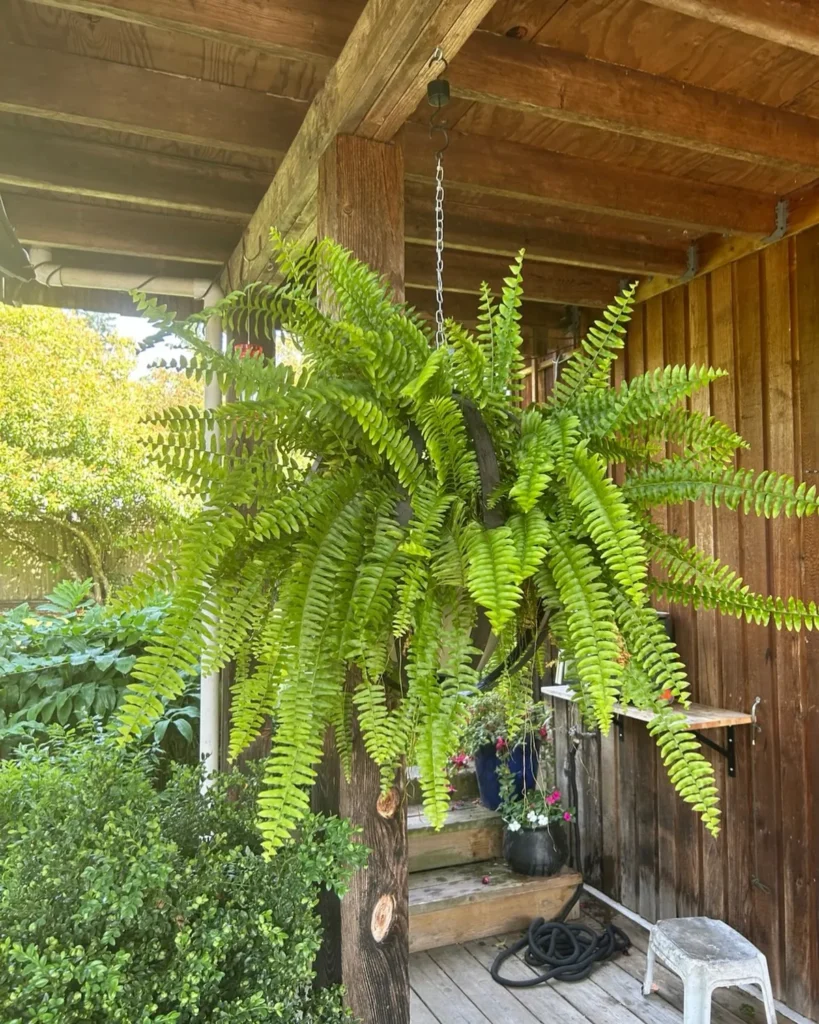
A classic for a reason — Boston ferns thrive in shade and humidity, making them ideal for a covered porch, as long as you keep the soil consistently moist rather than letting it dry out completely.
2. Geraniums for Full-Sun Reliability
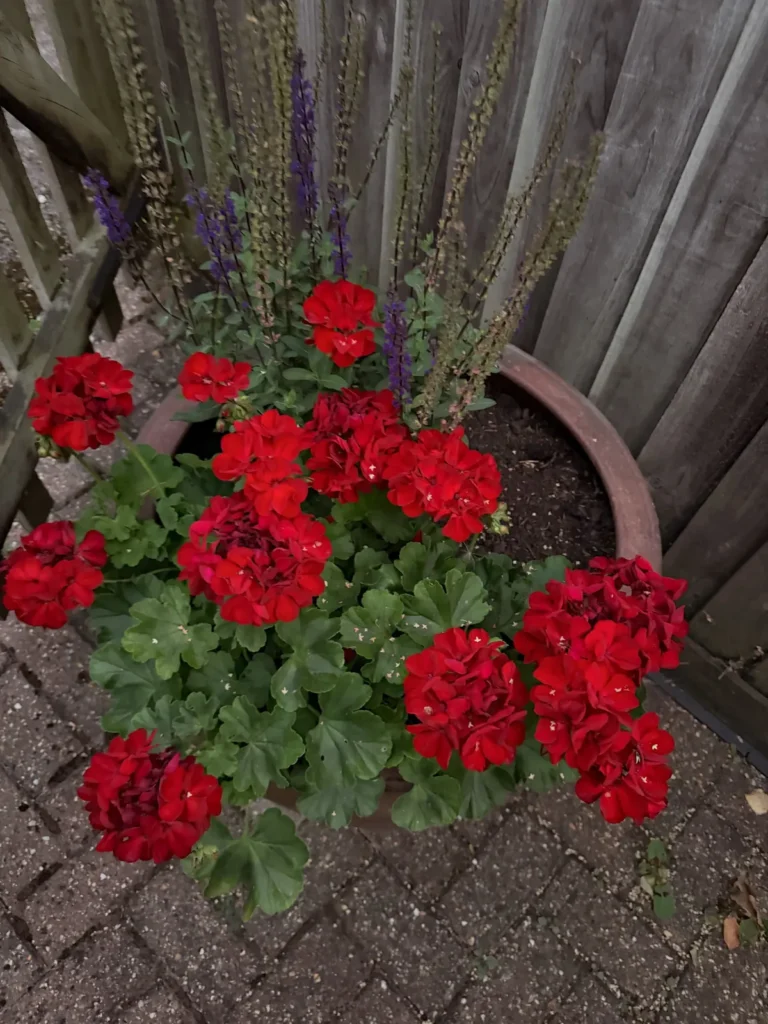
Geraniums are about as forgiving as full-sun flowering plants get — they bloom for months, handle heat well, and bounce back quickly even after a missed watering or two.
3. A Citrus Tree in a Large Terracotta Pot
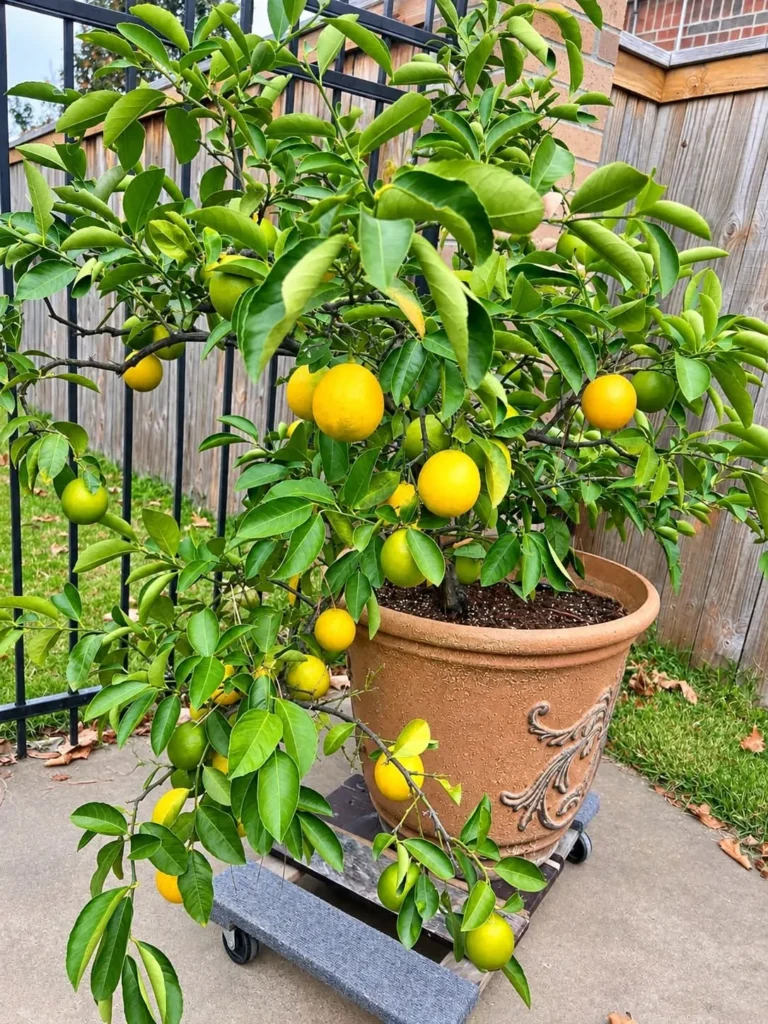
A dwarf lemon or lime tree in a big terracotta container brings genuine structure to a patio and, if your climate allows it to stay outside year-round, actual fruit eventually.
3.5 Pro Tip Table: Matching Plants to Light Conditions
| Plant | Light needs | Watering frequency |
|---|---|---|
| Boston fern | Shade/partial shade | Frequent, keep moist |
| Geraniums | Full sun | Moderate, drought-tolerant once established |
| Succulents | Full sun | Infrequent, let soil dry out |
| Hostas | Shade | Moderate, consistent moisture |
| Lavender | Full sun | Infrequent, drought-tolerant |
4. Succulents in a Shallow Dish for Low Maintenance
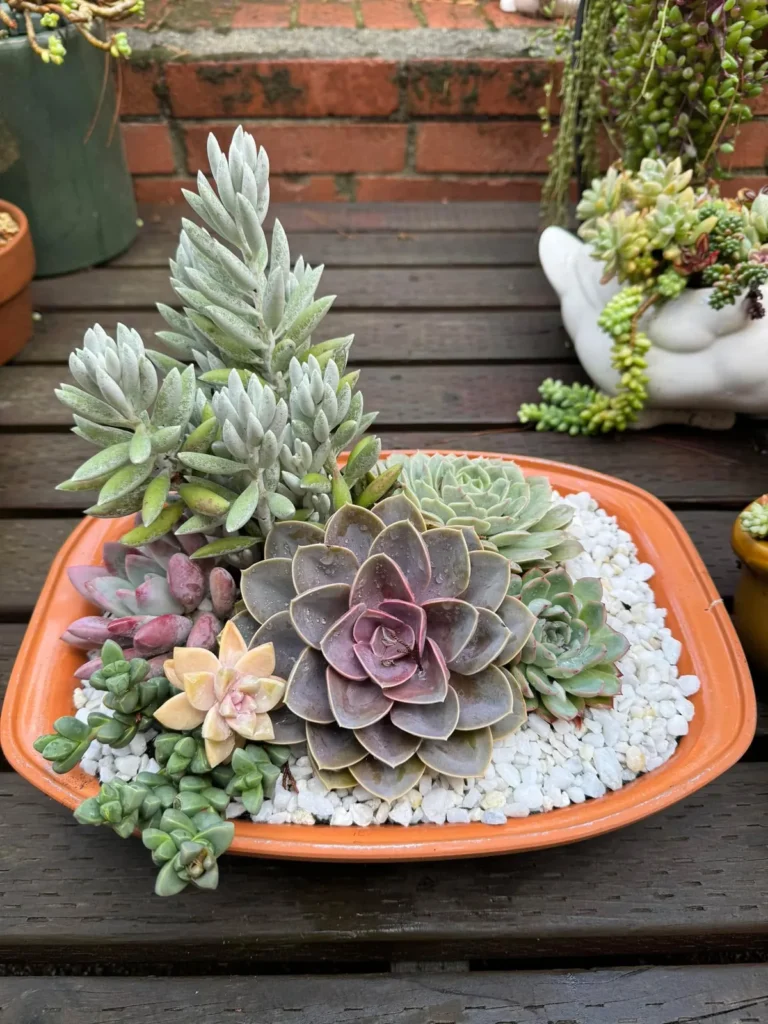
A shallow, wide dish planted with a mix of succulents is genuinely close to foolproof — they tolerate neglect well and actually prefer the soil drying out between waterings.
5. Hostas for a Shady Front Entrance
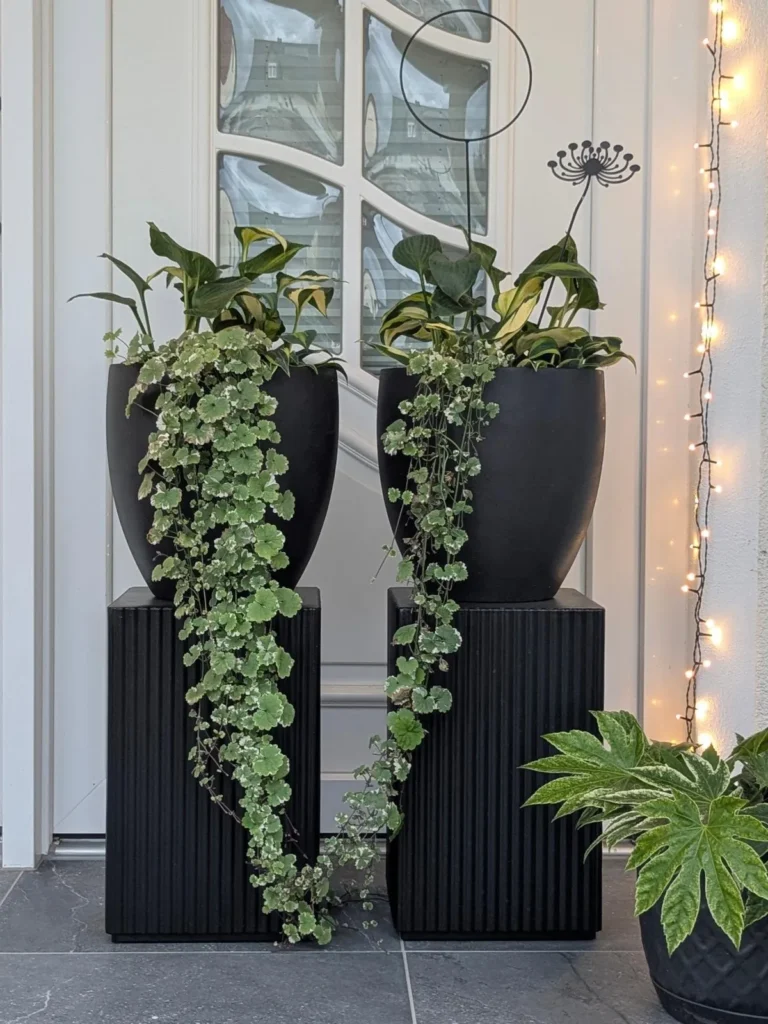
Hostas handle shade better than almost any other foliage plant and come in enough leaf variations (variegated, blue-green, chartreuse) to create visual interest without any flowers at all.
6. Lavender in a Terracotta Pot for Fragrance and Drought Tolerance
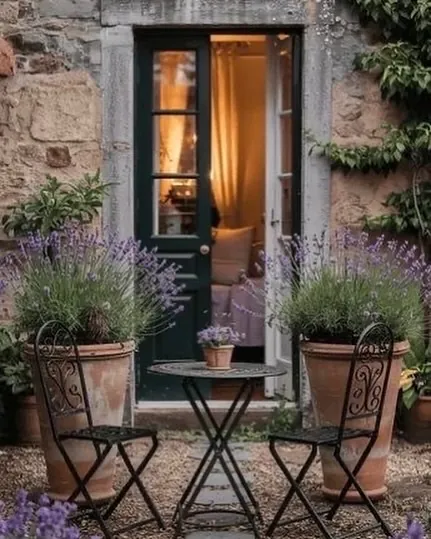
Lavender actually prefers somewhat neglectful watering and well-draining soil, which makes it one of the better options for anyone who tends to forget plants exist for a week at a time.
7. A Mixed Herb Container Near the Kitchen Door
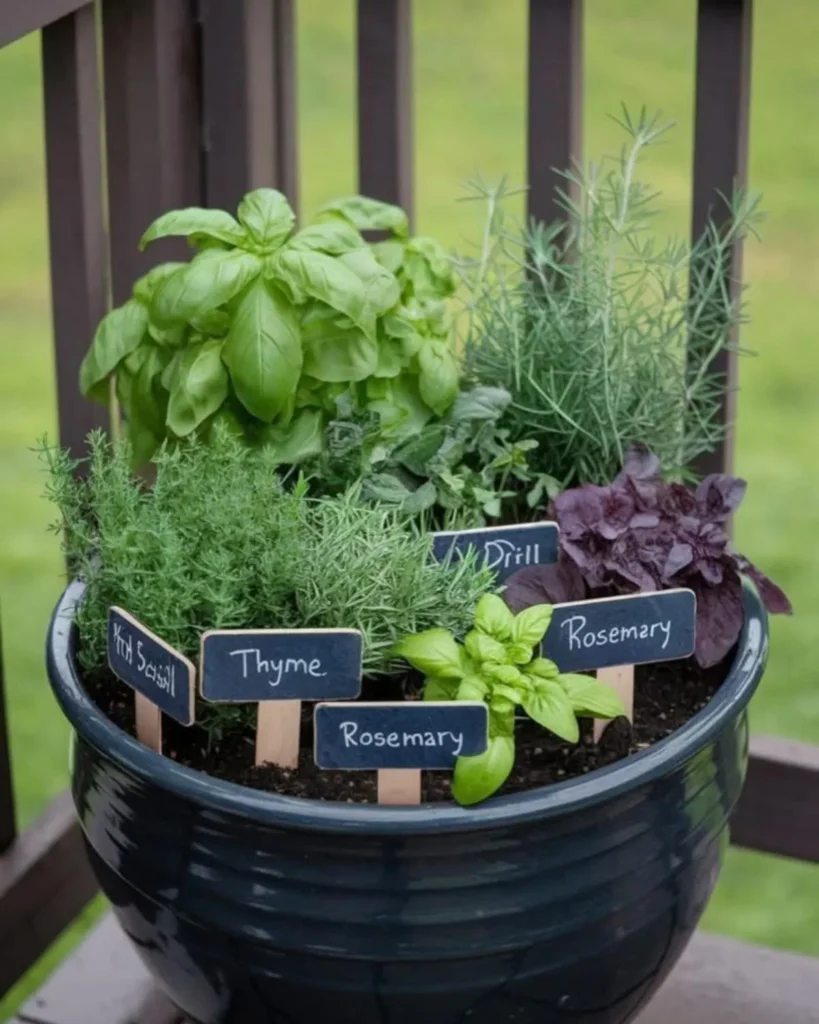
Basil, thyme, and rosemary planted together in one larger container near a kitchen entrance means fresh herbs are an arm’s length away whenever you’re cooking.
8. Boxwood Topiaries Flanking a Front Door
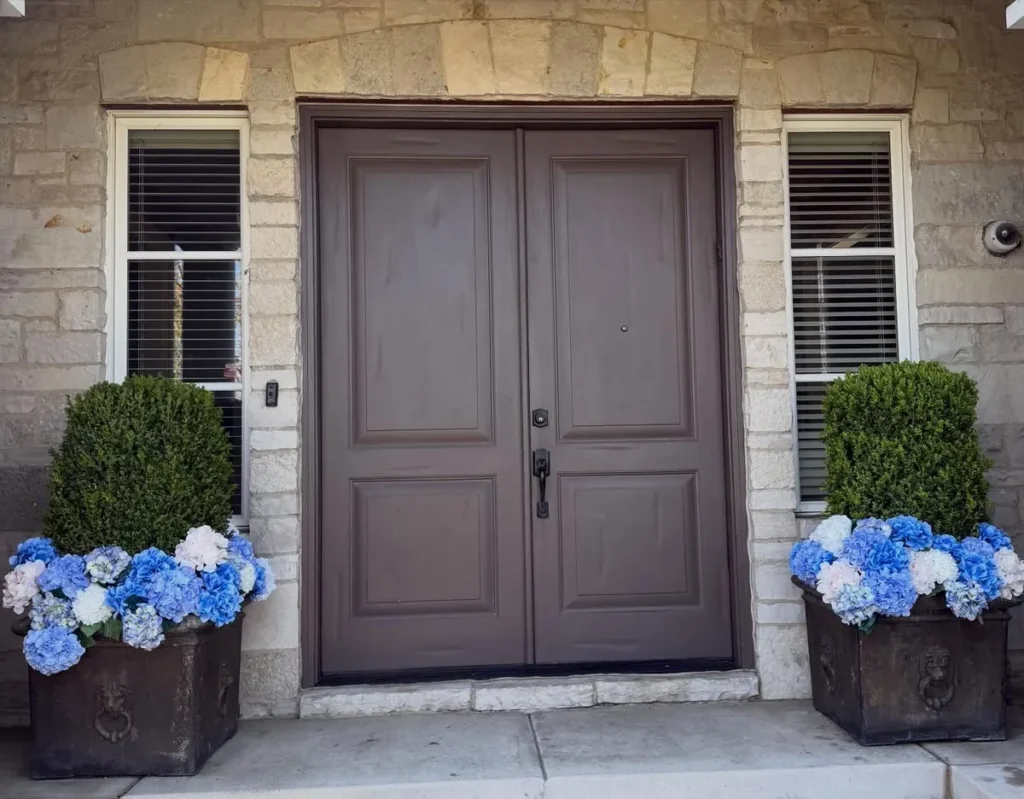
A pair of boxwood shrubs, shaped into simple spheres or cones, in matching pots on either side of an entrance instantly reads as polished and intentional.
9. Hanging Fuchsia Baskets for Shaded Porches
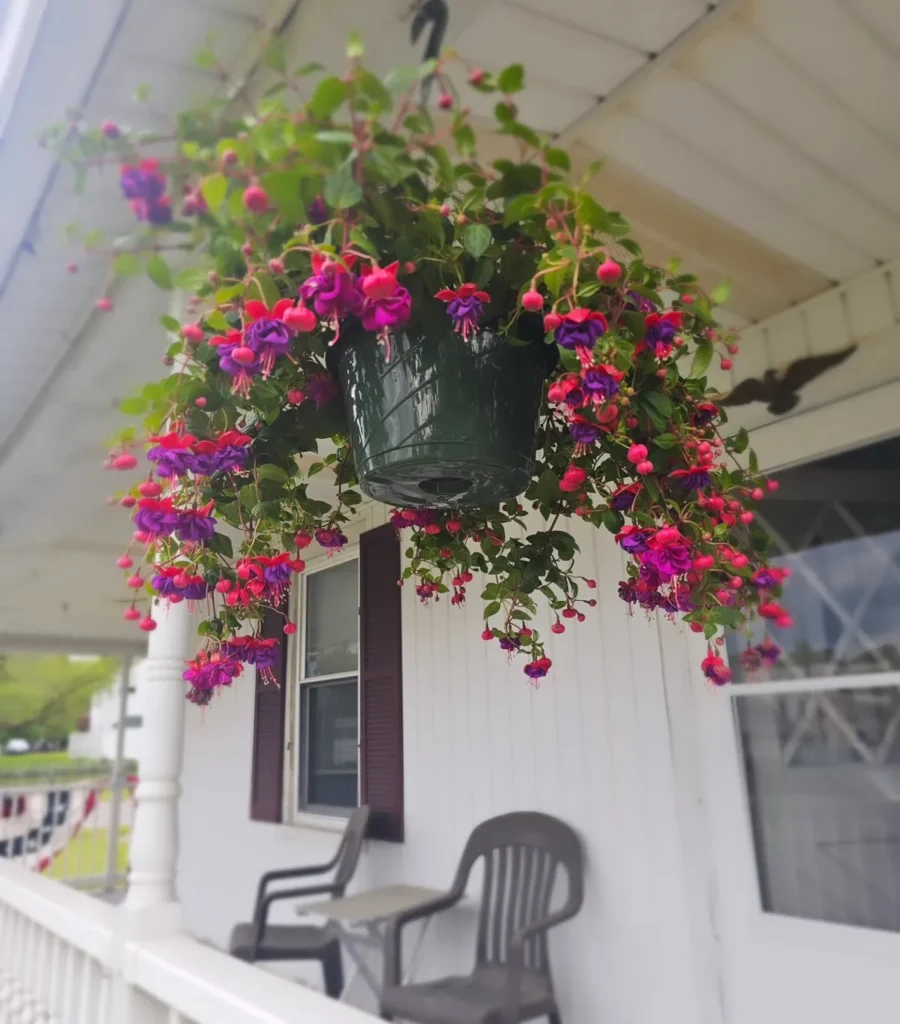
Fuchsia’s trailing, vividly colored blooms do best in partial shade with consistent moisture, making it an excellent hanging basket choice for a covered or north-facing porch.
10. Ornamental Grasses for Texture Without Flowers
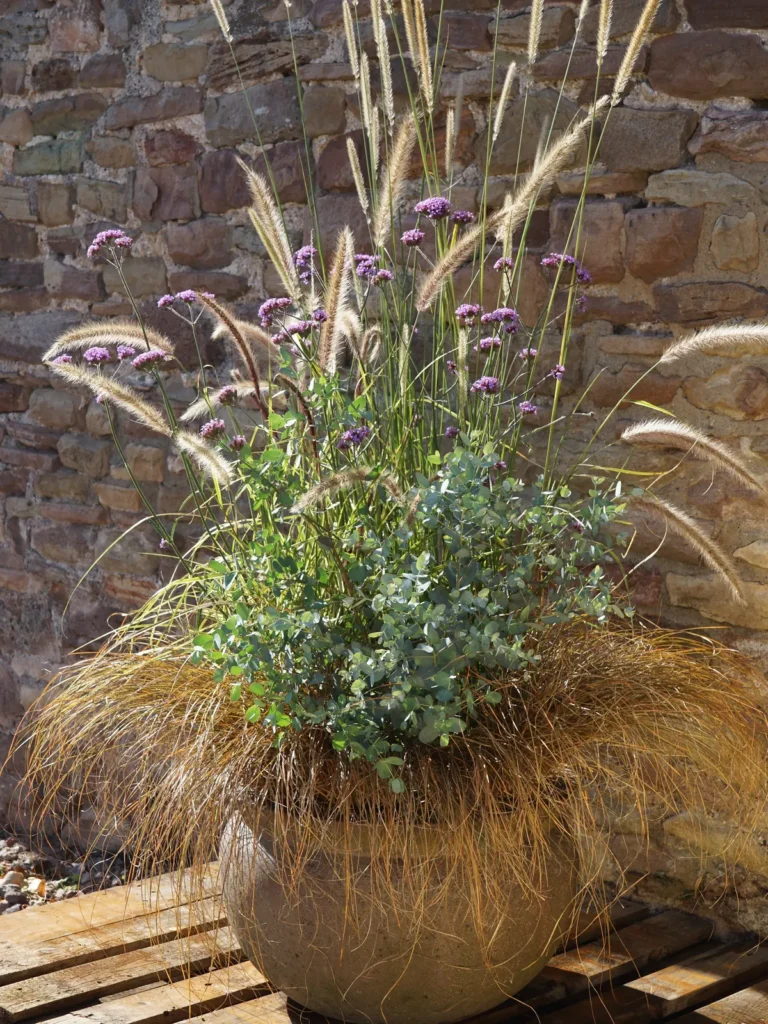
A tall ornamental grass in a simple pot adds movement and height without needing deadheading or flower maintenance — just an occasional trim in late winter.
11. Petunias for Nonstop Summer Color
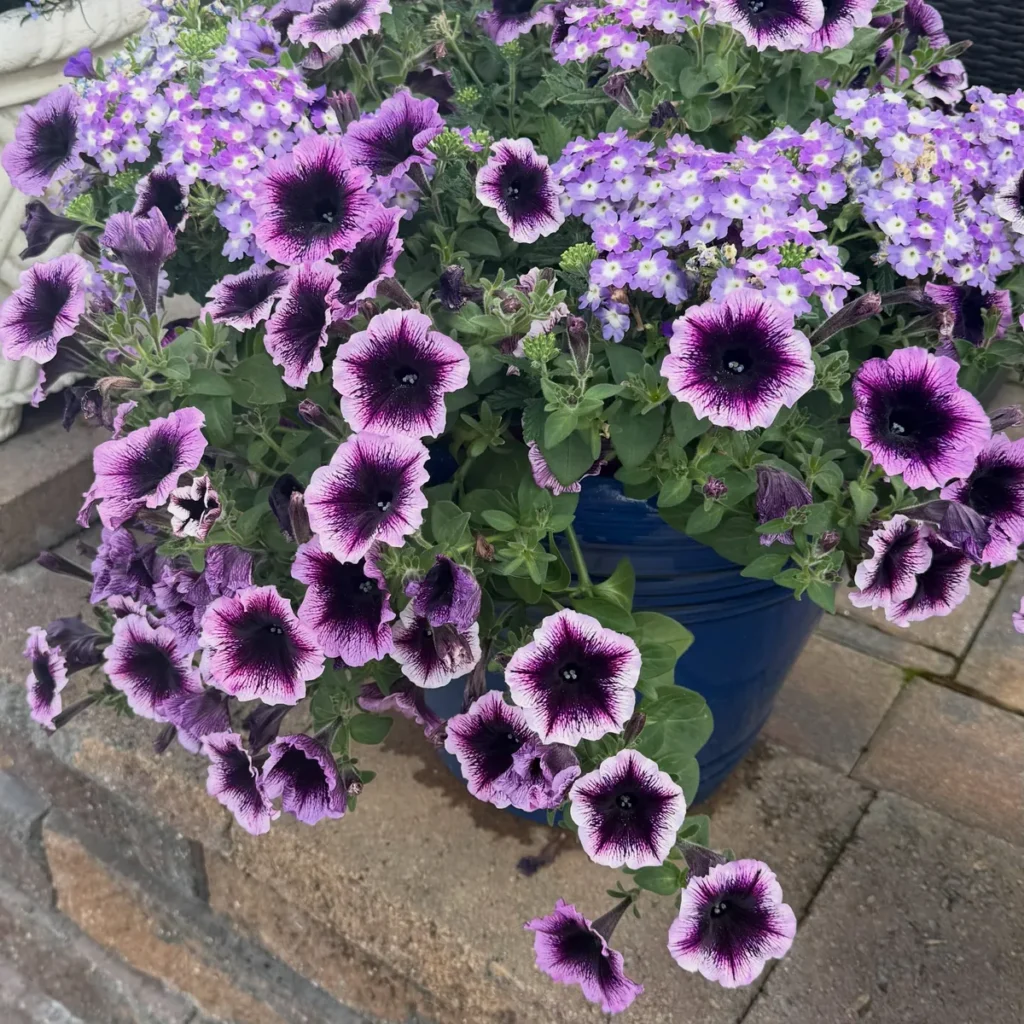
Petunias bloom almost continuously through summer in full sun, and regular light deadheading keeps them going even longer, making them one of the highest color-payoff plants for the effort.
12. A Japanese Maple in a Large Decorative Pot
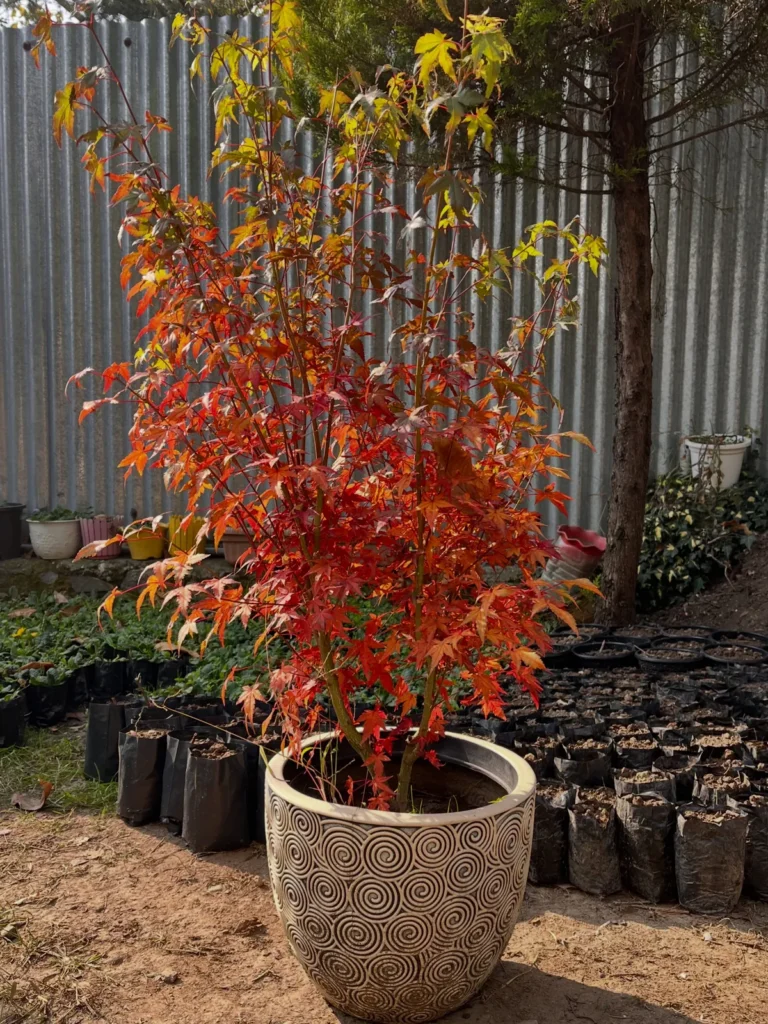
A dwarf Japanese maple, potted rather than planted in the ground, works beautifully as a patio focal point and offers dramatic color changes through the seasons.
13. Sedum for a Nearly Indestructible Ground-Level Pot
Low-growing sedum varieties tolerate drought, poor soil, and general neglect better than almost any other flowering ground cover, making them ideal for a low, wide container.
14. Caladiums for Shade-Loving Color
Unlike most shade plants, which lean heavily on foliage texture alone, caladiums bring genuinely bold color (pink, red, white patterns) to a shaded spot without needing direct sun.
15. A Fig Tree in a Large Container
Fig trees tolerate container life surprisingly well and, with occasional pruning to manage size, can produce actual fruit on a patio in the right climate.
16. Trailing Ivy for Softening Pot Edges
English ivy planted at the edge of a larger container softens the hard line between pot and plant, trailing down the sides in a way that makes even a simple arrangement look more finished.
17. Marigolds for Pest-Deterrent Color Near a Vegetable Garden
Marigolds aren’t just decorative — potted near vegetable containers, they genuinely help deter certain pests while adding reliable, low-maintenance orange and yellow blooms.
18. A Fiddle Leaf Fig for a Sheltered Patio Corner
Fiddle leaf figs have a reputation for being finicky indoors, but in a sheltered, bright outdoor spot during warm months, they often do better than people expect.
19. Zinnias for Cut-Flower Potential
Zinnias grow quickly, bloom prolifically in full sun, and double as a cutting garden — you can snip blooms for an indoor vase without noticeably thinning the plant.
20. Boston Ivy for Climbing Trellis Drama
Planted in a large pot with a trellis, Boston ivy climbs quickly and provides dense coverage, useful for adding privacy or softening a bare wall near the patio.
21. Dwarf Alberta Spruce for Year-Round Structure
A pair of dwarf Alberta spruce in matching pots gives you consistent green structure through every season, including winter, when most other potted plants have died back.
22. Begonias for Shade and Sun Flexibility
Many begonia varieties handle both partial shade and filtered sun well, making them a flexible choice if you’re not entirely sure how much light a specific spot gets throughout the day.
23. A Potted Olive Tree for Mediterranean Structure
An olive tree in a large pot brings a distinctive silvery-green texture and genuine architectural presence, and it tolerates heat and some drought better than most ornamental trees.
24. Coleus for Foliage Color in Part Shade
Coleus doesn’t need flowers to make an impact — its vividly patterned leaves (deep reds, purples, chartreuse) provide color in partially shaded spots where flowering plants often struggle.
25. Rosemary Trained Into a Small Standard Tree
Rosemary pruned and trained into a single-stem “standard” shape looks almost topiary-like, bringing structure and usable herbs to the same pot.
26. Hydrangeas for Dramatic Seasonal Blooms
Potted hydrangeas need more consistent watering than many of the plants on this list, but the payoff — large, dramatic blooms — makes them worth the extra attention for a patio centerpiece.
27. Ornamental Kale for Cool-Weather Color
When most flowering plants fade in fall, ornamental kale actually intensifies in color with cooler temperatures, making it one of the better options for extending container color into autumn.
28. A Potted Bamboo for Fast Privacy Screening
Clumping (non-invasive) bamboo varieties in large, deep containers grow quickly and create a natural privacy screen without the root-spreading concerns of ground-planted bamboo.
29. Sweet Potato Vine for Trailing Color
Sweet potato vine grows aggressively and trails beautifully over a container’s edge, available in chartreuse or deep purple varieties that pair well with almost any other plant.
30. Agave for a Striking Drought-Tolerant Statement
A single large agave in a simple, heavy pot makes a bold sculptural statement and needs very little water once established, ideal for hot, dry patios.
31. Mixing Thriller, Filler, and Spiller in One Pot
The single technique that improved every container I’ve planted since learning it: one tall “thriller” plant for height, a few “filler” plants for volume around it, and a trailing “spiller” plant at the edge. It’s a simple formula, but it turns a random collection of plants into something that reads as deliberately designed.
What I’d Plant First If I Were Starting Over
Geraniums. They’re nearly impossible to kill through neglect, bloom for months, and gave me the confidence to try harder plants once I realized I wasn’t actually bad at this — I’d just been choosing the wrong plants.
FAQs
What’s the most forgiving outdoor potted plant for beginners?
Geraniums or sedum — both tolerate inconsistent watering and still perform reliably through a full season.
How do I know if a plant needs more sun or shade?
Check the plant tag for light requirements, and watch for stretching, pale leaves (needs more light) or scorched, crispy edges (too much direct sun).
Do potted plants need different soil than garden beds?
Yes — use a well-draining potting mix rather than garden soil, which compacts in containers and holds too much water.
How often should I fertilize potted plants?
Most benefit from a balanced liquid fertilizer every 2-4 weeks during active growing season, since container soil nutrients deplete faster than in-ground soil.

Hi, I’m Ashley Miller, a wife, a busy mom, and someone who loves to share all the things that make life a little more fun and beautiful.
From easy DIY projects, delicious recipes, and chic hairstyles to nail ideas and home decor tips, I share everything I’ve learned and love.
My goal is to inspire other women to explore their creativity and make their homes even more special.