Should You Match Furniture in the Living Room?
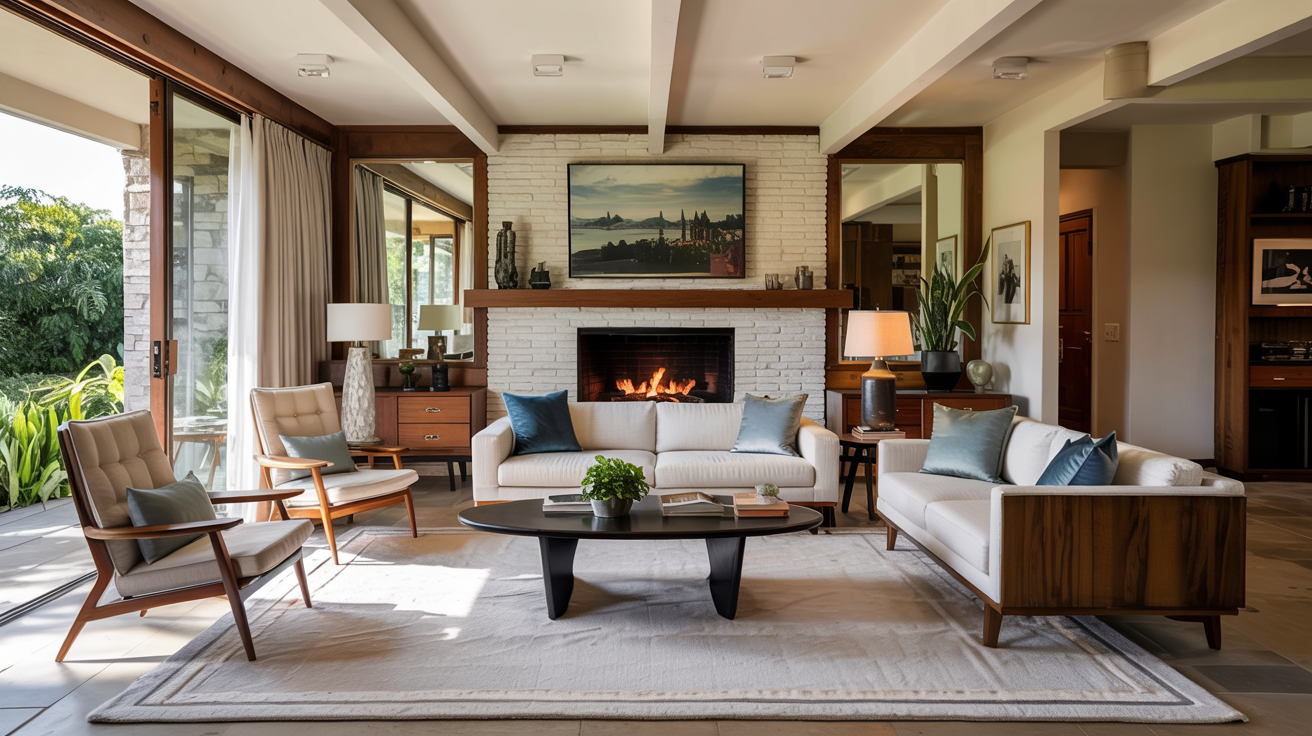
Your living room is important. It is where you relax. It is where you entertain guests. The furniture you choose matters. But should all pieces match? This article will explain. It will give details. It will help you decide.
A well-designed living room feels inviting. It reflects your style. But matching every piece is not always necessary. Some prefer uniformity. Others love contrast. Understanding both options helps.
So let’s learn everything. Resistance to rigid design rules makes a big difference. Some styles look better matched. Some look better mixed. Knowing the pros and cons leads to better decisions.
What Does Matching Furniture Mean?
Matching furniture means uniformity. All pieces share the same style. They share the same color. They share the same material. A matching set includes a sofa. It includes chairs. It includes tables. Everything looks cohesive.
Some people like this. It feels neat. It feels organized. But others find it boring. They prefer variety. They mix different styles. They mix different colors.
The choice depends on preference. It also depends on room size. Small rooms may need matching sets. Large rooms can handle contrast.
Pros of Matching Furniture
1. It Looks Cohesive
A matching set creates harmony. Everything flows well. There are no clashes. The room feels balanced. This is good for minimalists. It is good for traditional styles.
2. It Saves Time
Buying a set is easy. You don’t need to hunt for pieces. Everything comes together. This is convenient. It reduces stress.
3. It Feels Luxurious
A full matching set looks expensive. It gives a high-end feel. Hotels use this trick. Designer homes do too. If you love elegance matching works.
4. It Works in Small Spaces
Too many styles can overwhelm. Matching keeps it simple. Small rooms look bigger. Clutter is reduced.
Cons of Matching Furniture
1. It Can Look Boring
Too much matchiness lacks personality. The room feels flat. It lacks excitement. Some find it uninspiring.
2. It Limits Creativity
You can’t experiment. All pieces look the same. No unique touches. No personal flair.
3. It’s Hard to Replace
If one piece gets damaged finding an exact match is tough. You may need to buy a new set. This is costly.
4. It Feels Too Formal
Matching sets can feel stiff. They lack warmth. They don’t always feel lived-in.
Pros of Mixing Furniture
1. It Adds Personality
Mixing styles shows creativity. It reflects your taste. The room feels unique. No one else has the same look.
2. It’s More Flexible
You can change one piece without redoing everything. Swap a chair. Add a new table. The room evolves easily.
3. It Feels Lived-In
Mismatched furniture feels cozy. It looks collected over time. It tells a story.
4. It Suits Eclectic Styles
If you love boho or vintage mixing works. These styles thrive on variety.
Cons of Mixing Furniture
1. It Can Look Chaotic
Too many styles clash. The room feels messy. Without balance it’s overwhelming.
2. It Takes More Effort
Finding pieces that work together is hard. It requires planning. Not everyone has the patience.
3. It Risks Clutter
Too much variety looks disorganized. Small spaces suffer most.
4. It Can Look Cheap
If not done well mismatched furniture looks random. It lacks intention.
How to Match Furniture the Right Way
If you prefer matching follow these tips:
1. Add Texture
Use different fabrics. A leather sofa with velvet pillows adds depth.
2. Play With Shades
Stick to one color family but vary tones. Light and dark versions create interest.
3. Include Accents
A bold rug or artwork breaks monotony.
How to Mix Furniture the Right Way
If you prefer mixing follow these tips:
1. Stick to a Color Palette
Choose 2-3 main colors. Repeat them in different pieces.
2. Balance Proportions
Pair a large sofa with slim chairs. Avoid all bulky pieces.
3. Keep One Common Element
Same wood tone. Same metal finish. This ties everything together.
4. Layer Patterns Wisely
Mix scales. Pair large prints with small ones.
Best Furniture Styles for Matching
1. Modern
Clean lines. Neutral colors. Matching works well here.
2. Traditional
Classic sets fit this style. Think tufted sofas with wingback chairs.
3. Minimalist
Less is more. Matching keeps it sleek.
Best Furniture Styles for Mixing
1. Bohemian
Layering is key. Mix colors. Mix patterns.
2. Industrial
Metal and wood blend well. Pair a leather sofa with a metal coffee table.
3. Farmhouse
Rustic meets modern. A wooden table with sleek chairs works.
Final Thoughts
Matching furniture is safe. It’s easy. It looks polished. But mixing is fun. It’s creative. It feels personal.
The best approach? Do what suits you. If you love order match. If you love variety mix. You can also blend both. Match big pieces. Mix small ones.
Your living room should reflect you. Whether matched or mixed make it yours.
FAQs
1. Is it okay to mix wood tones?
Yes. But keep one dominant tone. Add others as accents.
2. Can I mix modern and traditional furniture?
Yes. Balance is key. Pair a modern sofa with classic side tables.
3. How many colors should a living room have?
Stick to 3-4 main colors. Too many look chaotic.
4. Should the coffee table match the sofa?
Not necessarily. But they should complement each other.
5. Can I mix patterns?
Yes. Vary scales. Pair large stripes with small florals.
6. How do I make mismatched furniture look intentional?
Repeat colors. Use similar shapes. Keep a cohesive theme.
7. Should dining chairs match the table?
Not always. Mismatched chairs add charm. Just keep a unifying element.
8. Is all-white furniture a good idea?
It looks clean but can feel sterile. Add texture and contrast.
9. Can I mix leather and fabric sofas?
Yes. Just balance the textures. Too much leather feels cold.
10. How do I choose a focal point?
Pick one standout piece. Build around it. Keep other items subtle.

Hi, I’m Ashley Miller, a wife, a busy mom, and someone who loves to share all the things that make life a little more fun and beautiful.
From easy DIY projects, delicious recipes, and chic hairstyles to nail ideas and home decor tips, I share everything I’ve learned and love.
My goal is to inspire other women to explore their creativity and make their homes even more special.