Microcement Bathroom Problems and Their Fixes
Microcement is a popular choice. It looks modern. It feels sleek. But it has issues. This article will explain. It will give details.
It will help you decide. You must know the problems. You must know the solutions. Your bathroom’s durability matters.
So let’s learn everything. Resistance to improper materials makes a big difference. Some problems can be fixed. Some require prevention. Understanding microcement leads to better maintenance.
What Is Microcement?
Microcement is a coating. It has cement. It has polymers. It has resins. It is thin. It is durable. It is used on floors. It is used on walls. It is seamless. It is water-resistant. But it is not perfect.
Many choose it for aesthetics. Some use it for minimalism. It works in wet areas. But issues can arise. The product was originally designed for versatility but has limitations.
Common Microcement Bathroom Problems
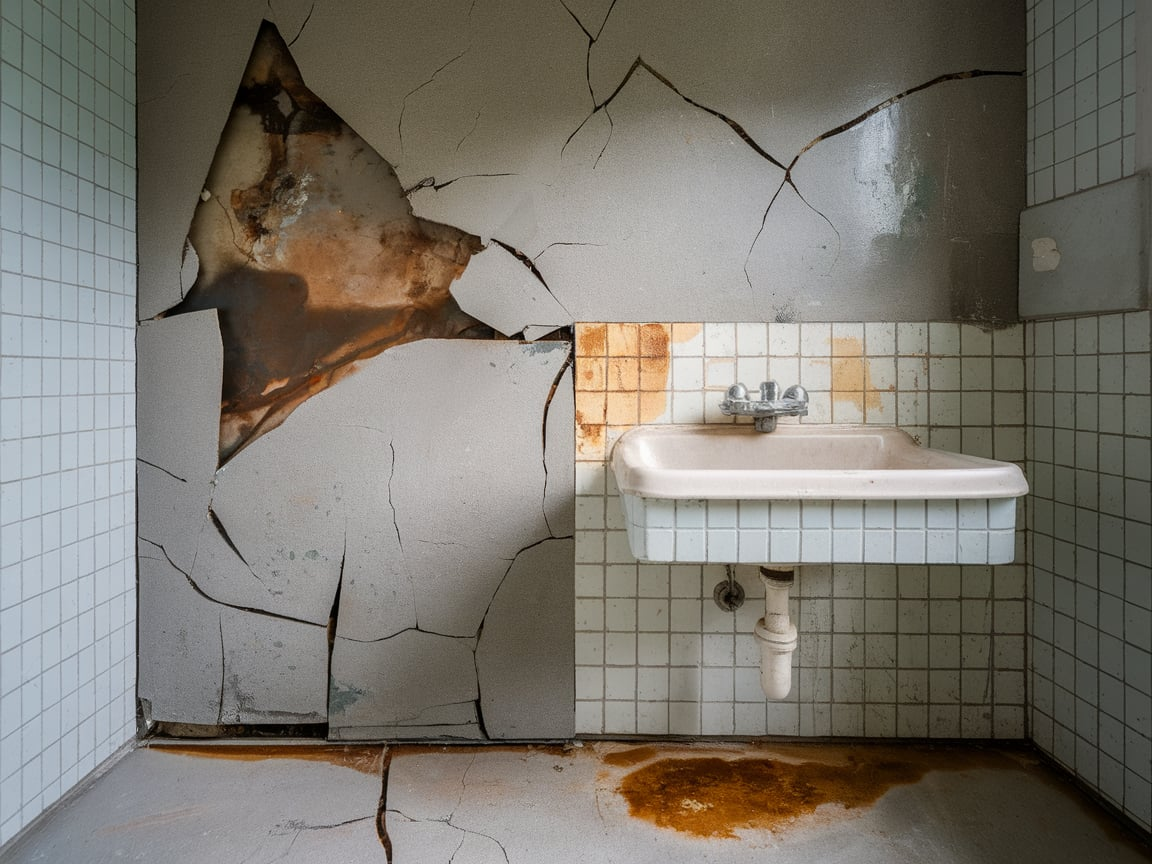
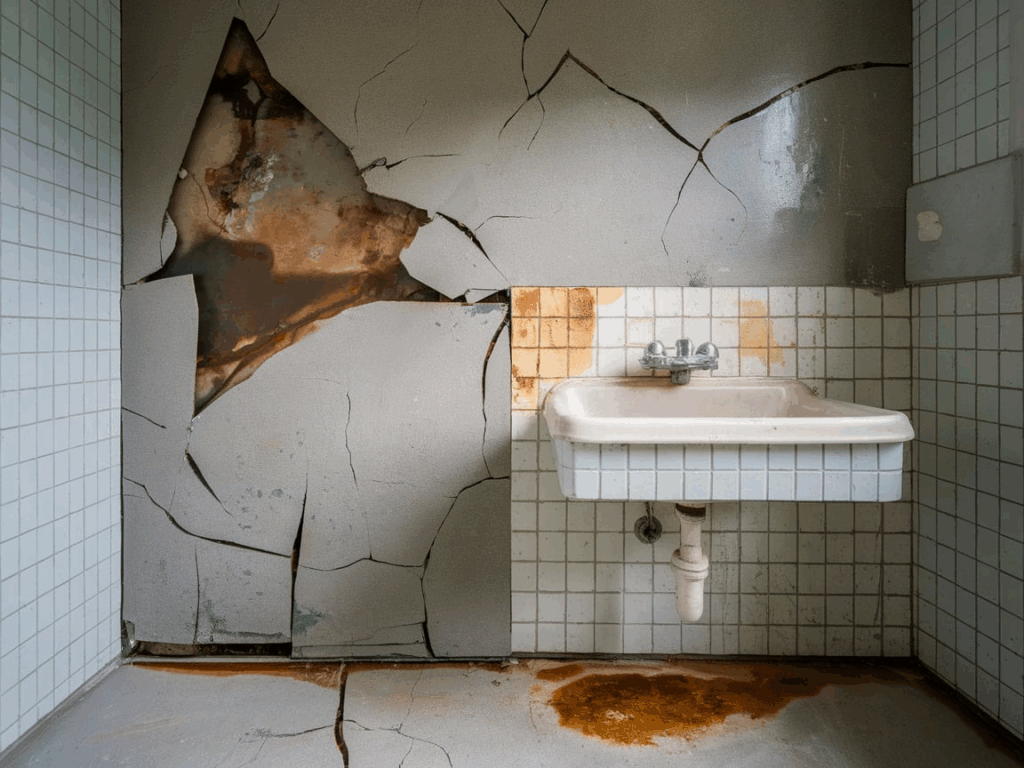
Microcement has flaws. It cracks. It stains. It gets slippery. It requires care. These issues can be managed. But you must act fast.
Problem 1: Cracking
Cracks appear over time. They look bad. They weaken the surface.
Causes:
- Poor installation.
- Movement in the substrate.
- Thin application.
Fixes:
- Hire experienced installers.
- Use a flexible primer.
- Apply thicker layers.
Problem 2: Staining
Microcement absorbs liquids. It gets discolored.
Causes:
- Spills left uncleaned.
- Harsh chemicals.
- Porous surface.
Fixes:
- Seal properly with a good sealer.
- Clean spills immediately.
- Avoid acidic cleaners.
Problem 3: Slipperiness
Wet microcement is dangerous. It becomes slippery.
Causes:
- Smooth finish.
- Water accumulation.
- Lack of texture.
Fixes:
- Add anti-slip additives.
- Use a matte sealer.
- Install textured mats.
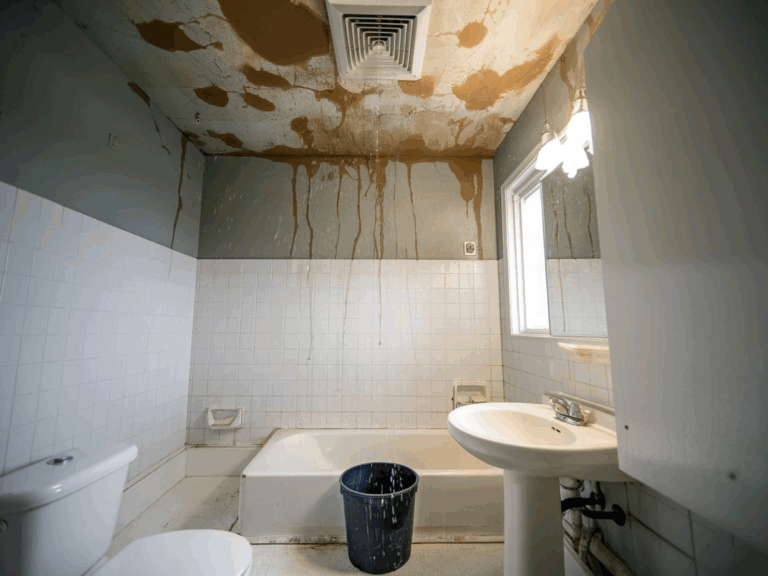
Problem 4: Water Damage
Microcement is water-resistant but not waterproof. Leaks cause damage.
Causes:
- Poor sealing.
- Constant water exposure.
- Cracks allowing moisture in.
Fixes:
- Apply waterproof membrane.
- Fix leaks immediately.
- Re-seal every few years.
Problem 5: Fading Color
Sunlight and chemicals fade microcement.
Causes:
- UV exposure.
- Strong cleaning agents.
- Low-quality pigments.
Fixes:
- Use UV-resistant sealers.
- Choose high-quality microcement.
- Avoid direct sunlight.
How to Prevent Microcement Problems
Prevention is better than repair. Follow these steps.
Step 1: Proper Installation
- Hire professionals.
- Ensure a stable base.
- Follow manufacturer guidelines.
Step 2: Regular Maintenance
- Clean gently.
- Re-seal periodically.
- Inspect for cracks.
Step 3: Use the Right Products
- Choose high-quality sealers.
- Use pH-neutral cleaners.
- Avoid abrasive tools.
Are There Better Alternatives?
Yes! Some materials work better.
- Porcelain Tiles – More durable.
- Epoxy Flooring – More waterproof.
- Natural Stone – More resistant.
Microcement is stylish but risky. Weigh the pros and cons.
What to Do If Microcement Gets Damaged?
Act fast. Follow these steps.
- Identify the issue – Cracks stains or leaks.
- Clean the area – Remove dirt and debris.
- Repair promptly – Fill cracks or re-seal.
- Consult a professional – For major damage.
Delaying repairs worsens the problem.
How to Keep Microcement Looking New
- Wipe spills quickly.
- Use soft cleaning tools.
- Avoid heavy impacts.
- Reapply sealant yearly.
Good care extends its life.
Final Thoughts
Microcement is trendy. But it has flaws. Cracks stains and slipperiness are common. Proper installation helps. Regular maintenance is key. Sealing prevents damage.
If problems arise fix them fast. Consider alternatives if needed. A well-maintained microcement bathroom lasts longer.
FAQs
1. Can microcement be repaired if cracked?
Yes. Small cracks can be filled. Large cracks need professional help.
2. How often should microcement be sealed?
Every 1-2 years. High-traffic areas need more frequent sealing.
3. Is microcement safe for shower floors?
Yes if sealed properly. Add anti-slip treatment for safety.
4. What cleaners are safe for microcement?
Use pH-neutral cleaners. Avoid bleach and acids.
5. Does microcement work in humid climates?
Yes but sealing is crucial. Moisture can cause damage if unchecked.

Hi, I’m Ashley Miller, a wife, a busy mom, and someone who loves to share all the things that make life a little more fun and beautiful.
From easy DIY projects, delicious recipes, and chic hairstyles to nail ideas and home decor tips, I share everything I’ve learned and love.
My goal is to inspire other women to explore their creativity and make their homes even more special.