How to Transplant Spider Plants?
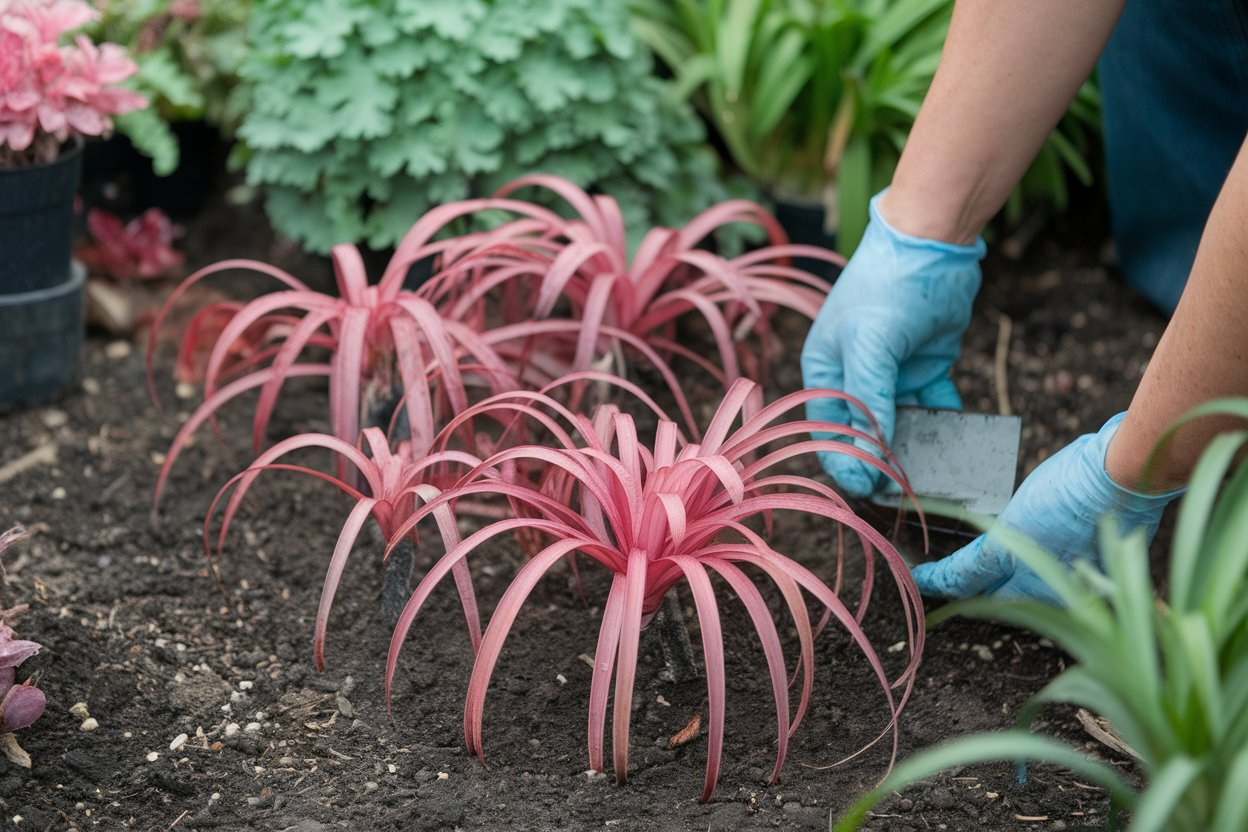
How to Transplant Spider Plants is a very common question.
Spider plants are one of the easiest houseplants to grow and are popular for their ability to reproduce quickly.
If you have a mature spider plant in your home, you may notice that it produces baby spider plants called “pups.”
These pups can be removed from the main plant and transplanted into their own containers.
1. Choose a Good Location
Spider plants can grow well in any location with bright, indirect light. They can also tolerate low light conditions, but they may not grow as well or produce as many flowers.
Spider plants can grow in semi-shady areas, but they will not grow as well or produce as many flowers. Spider plants can also grow in direct sunlight, but they may need to be watered more often.
Spider plants grow best at temperatures between 60-75°F. They can survive temperatures as low as 35°F, but they may be damaged by frost.
2. Choose a Good Container
When you are transplanting spider plants, you have a couple of options for the container. You can choose a container that is just a little bigger than the current one, or you can choose a container that is much larger.
If you choose a container that is just a little bigger, you will have to repot your spider plant again in a year or two. If you choose a much larger container, you will have more time before you have to repot your spider plant again.
I like to choose a container that is just a little bigger because it helps to prevent overwatering. If you choose a much larger container, it can hold a lot more water. If you are not careful, this can lead to overwatering.
Make sure the container has a drainage hole in the bottom. If it does not, you will need to drill one.
3. Fill the Bottom of the Pot with Soil
Next, you’ll need to add enough soil to the bottom of the new pot to ensure that the base of the plant will be about an inch below the rim of the pot.
This will allow you to fill in soil around the base of the plant and then gently pat it down so that it’s secure.
4. Remove the Plant from the Old Pot
Once you have the new pot ready, it’s time to remove the plant from the old pot.
You can do this by gently squeezing the sides of the pot to loosen the soil. Then, carefully turn the plant upside down and slide it out of the pot.
If the plant is root-bound, you may need to gently break up the roots to remove it from the pot.
Be careful not to damage the roots, as this can cause the plant to go into shock.
5. Place the Plant in the New Pot
Once the soil is ready, place the plant in the center of the pot. Make sure the roots are spread out in the pot and that the base of the plant is about an inch below the rim of the pot.
If the plant is too deep, remove some soil from the pot and replant the spider plant. If it is too shallow, add more soil.
6. Fill the Pot with Soil
Fill the pot with fresh potting soil, leaving enough space to set the spider plant in the pot.
Make sure the soil is loose and well-draining. You can mix in some perlite or orchid bark to help improve soil drainage.
If you are using a standard potting mix, you can add a slow-release fertilizer to the soil.
If you are using a soilless mix, you will need to start fertilizing the plant about six months after transplanting.
7. Water the Plant
After you have transplanted the spider plant, you should water it.
This will help the soil to settle and fill any air pockets that may be left.
It will also help the roots to adjust to their new environment.
Make sure to water the plant well, but do not leave it sitting in water.
8. Place the Pot in a Good Location
After the spider plant has been transplanted, place the pot in a good location. This is key to helping the plant recover from transplant shock and grow well in its new pot.
Choose a location with indirect sunlight, as too much direct sunlight can scorch the spider plant’s leaves.
You should also avoid placing the pot near heating or cooling vents, as the temperature changes can stress the plant.
Finally, make sure the spider plant is in a location with good air circulation, as this can help prevent problems with pests and diseases.
Conclusion
Now that you know the ways to transplant a spider plant, you can choose the one that works best for your situation and get started.
Good luck, and happy planting!

Hi, I’m Ashley Miller, a wife, a busy mom, and someone who loves to share all the things that make life a little more fun and beautiful.
From easy DIY projects, delicious recipes, and chic hairstyles to nail ideas and home decor tips, I share everything I’ve learned and love.
My goal is to inspire other women to explore their creativity and make their homes even more special.