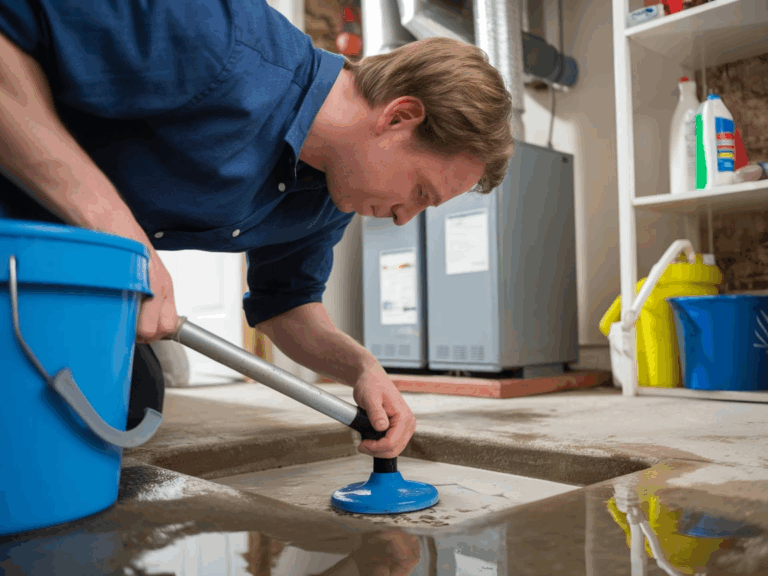
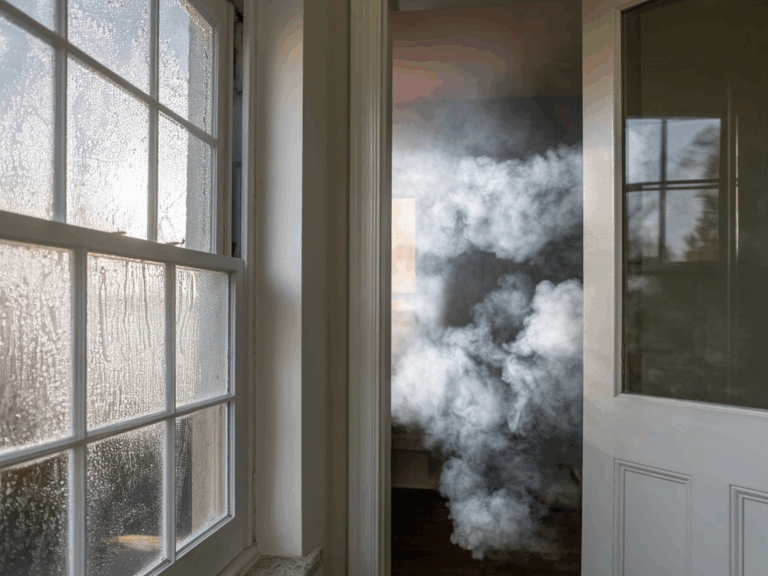
How To Protect Outdoor Furniture From Rain?
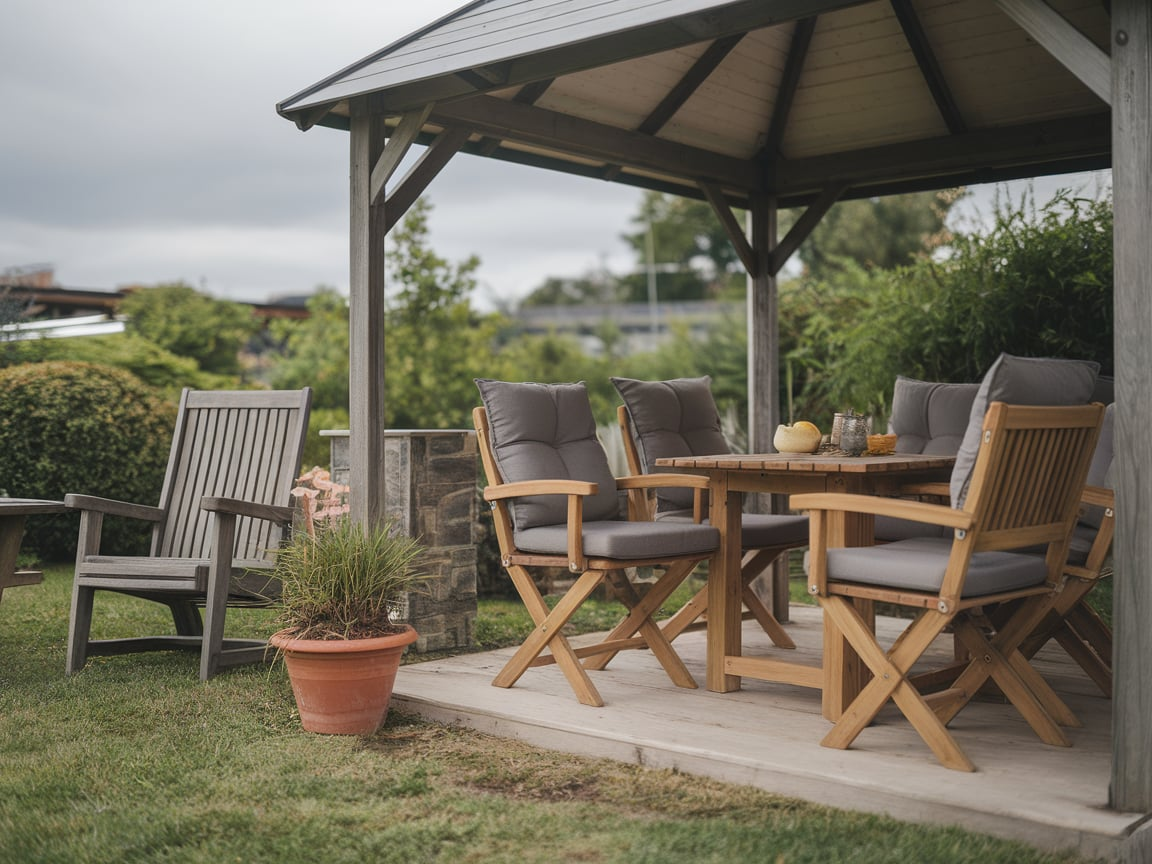
Outdoor furniture makes spaces beautiful. It adds comfort. It creates relaxation spots. But rain can damage it.
This article will explain. It will give details. It will help you protect your furniture. You must know what works. You must know what doesn’t. Your furniture’s longevity matters.
So let’s learn everything. Resistance to weather damage makes a big difference. Some methods work well. Some methods fail. Understanding protection leads to long-lasting furniture.
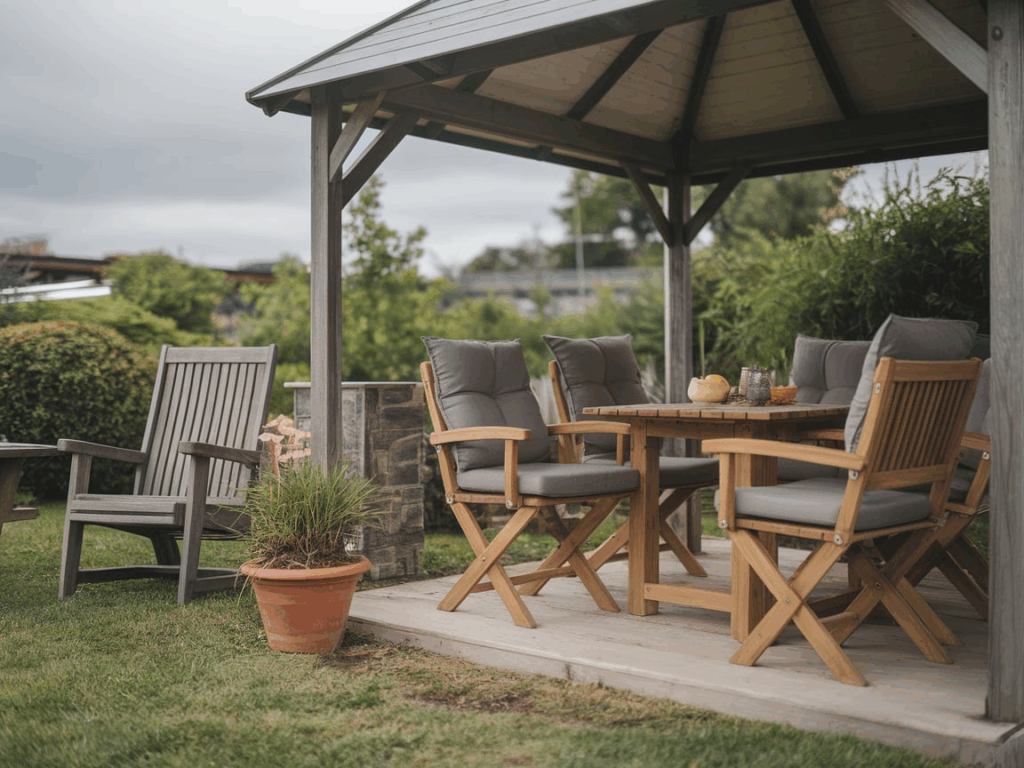
Why Protect Outdoor Furniture From Rain?
Rain causes damage. It leads to rust. It causes wood to rot. It fades colors. It weakens materials. Mold and mildew grow. Stains appear. Cushions get soaked. Metal parts corrode. The damage is costly. Replacing furniture is expensive.
Protection saves money. It keeps furniture looking new. It extends lifespan. Proper care prevents decay. A little effort goes a long way. Prevention is better than repair.
What Materials Need Protection?
Different materials react differently. Some resist rain well. Some absorb water fast. Knowing your furniture helps.
Wood Furniture
Wood looks natural. It blends with outdoors. But rain swells wood. Cracks develop over time. Stains appear. Mold grows. Untreated wood rots.
Metal Furniture
Metal is strong. But rain causes rust. Iron and steel corrode. Aluminum resists better. Yet constant moisture harms all metals.
Wicker Furniture
Wicker is stylish. Natural wicker absorbs water. It becomes weak. Synthetic wicker resists better. But rain still affects it.
Plastic Furniture
Plastic is lightweight. It resists water well. But UV rays weaken it. Rain carries dirt. Stains form. Colors fade.
Cushions And Fabrics
Cushions add comfort. Rain soaks them. They take time to dry. Mold grows inside. Odors develop. Stains become permanent.
How To Protect Outdoor Furniture From Rain?
Several methods work. Some are simple. Some need effort. Choose what fits best.
Use Furniture Covers
Covers shield furniture. They block rain. They stop UV rays. They prevent dirt buildup.
- Choose waterproof covers.
- Ensure proper fit.
- Secure with straps.
- Remove standing water.
Covers last longer if maintained. Store them when not in use.
Apply Protective Coatings
Coatings add a barrier. They repel water. They prevent rust. They stop wood rot.
- Use sealant for wood.
- Apply rust-proof paint for metal.
- Use UV protectant for plastic.
Reapply coatings yearly. Check for wear.
Elevate Furniture
Ground contact increases damage. Moisture rises from below. Elevating helps.
- Use feet or stands.
- Place on patios or decks.
- Avoid direct grass contact.
Airflow reduces dampness.
Store Furniture Indoors
Best protection is storage. Rain can’t reach indoors.
- Use sheds or garages.
- Stack chairs neatly.
- Cover if space is tight.
Small furniture is easier to store.
Use Waterproof Sprays
Sprays add water resistance. They work on fabrics.
- Spray on cushions.
- Reapply after heavy rain.
- Test on small areas first.
Sprays prevent absorption.
Choose Weather-Resistant Furniture
Some materials handle rain better.
- Teak wood resists rot.
- Aluminum doesn’t rust.
- Synthetic wicker lasts longer.
Invest in quality. It pays off.
Clean Regularly
Dirt holds moisture. Cleaning prevents damage.
- Wipe surfaces dry.
- Remove leaves and debris.
- Wash with mild soap.
Dry furniture after cleaning.
Use Umbrellas Or Awnings
Shade blocks rain. It reduces exposure.
- Install large umbrellas.
- Use retractable awnings.
- Position over seating areas.
Partial coverage still helps.
Remove Cushions After Use
Wet cushions take time to dry. Removing them prevents damage.
- Store in dry places.
- Hang to air out.
- Use waterproof inserts.
Dry cushions last longer.
Check For Damage Often
Early detection prevents worse damage.
- Look for rust spots.
- Check wood for cracks.
- Inspect fabric tears.
Fix issues immediately.
What Not To Do?
Some methods harm furniture. Avoid these mistakes.
Don’t Use Plastic Wrap
Plastic traps moisture. It causes condensation. Mold grows underneath.
Don’t Ignore Small Issues
Small rust spots spread. Cracks widen. Early fixes save money.
Don’t Leave Furniture Wet
Always dry after rain. Standing water causes damage.
Don’t Use Harsh Cleaners
Bleach damages fabrics. Strong chemicals strip coatings.
Don’t Overlook Weight Limits
Heavy covers can bend furniture. Check manufacturer guidelines.
Seasonal Protection Tips
Different seasons need different care.
Summer
- UV rays are strong. Use covers.
- Rain is sudden. Be prepared.
- Heat dries wood. Apply oil.
Winter
- Snow adds weight. Store furniture.
- Ice causes cracks. Keep dry.
- Cold makes materials brittle. Avoid moving often.
Spring And Fall
- Rain is frequent. Cover or store.
- Pollen sticks. Clean often.
- Temperature changes cause expansion. Check fittings.
DIY Protection Ideas
Homemade solutions work too.
Wax Coating For Metal
Rub car wax on metal. It repels water.
Oil Treatment For Wood
Use linseed oil. It nourishes wood.
Vinegar Cleaner For Mold
Mix vinegar and water. Spray on mold. Wipe clean.
Baking Soda For Odors
Sprinkle on cushions. Vacuum after an hour.
When To Replace Furniture?
Protection has limits. Sometimes replacement is needed.
- Wood is too cracked.
- Metal is too rusty.
- Plastic is too faded.
- Cushions are too torn.
Don’t wait too long. Safety matters.
Final Thoughts
Rain damages outdoor furniture. But protection is possible. Use covers. Apply coatings. Store when possible. Clean regularly. Check for damage. Avoid common mistakes. Seasonal care helps. DIY methods save money. Replace when necessary.
Follow these tips. Your furniture will last longer. Enjoy outdoor spaces without worry.
FAQs
1. Can I leave furniture outside all year?
No. Extreme weather causes damage. Store during harsh seasons.
2. How often should I apply sealant?
Once a year. Check for wear. Reapply if needed.
3. Are all furniture covers waterproof?
No. Some resist water. Some fully block it. Check labels.
4. Can I use tarp instead of covers?
Yes but secure it well. Tarps trap moisture if loose.
5. How do I remove rust from metal furniture?
Use sandpaper. Apply rust converter. Repaint if needed.
6. What’s the best wood for outdoor use?
Teak. Cedar and redwood also resist rot.
7. Can I pressure wash my furniture?
Yes but gently. High pressure damages surfaces.
8. How do I dry cushions faster?
Use fans. Hang in sunlight. Remove inserts if possible.
9. Will vinegar harm my furniture?
No. Diluted vinegar cleans safely. Test small areas first.
10. How long does outdoor furniture last?
Depends on material and care. Good upkeep extends lifespan.

Hi, I’m Ashley Miller, a wife, a busy mom, and someone who loves to share all the things that make life a little more fun and beautiful.
From easy DIY projects, delicious recipes, and chic hairstyles to nail ideas and home decor tips, I share everything I’ve learned and love.
My goal is to inspire other women to explore their creativity and make their homes even more special.