How to Prevent Mold Growth at Home?
Mold is a common problem. It grows in damp places. It can harm your health.
It can damage your home. Preventing mold is important. This article will explain how.
It will give simple tips. It will help you keep your home safe.
What Is Mold?
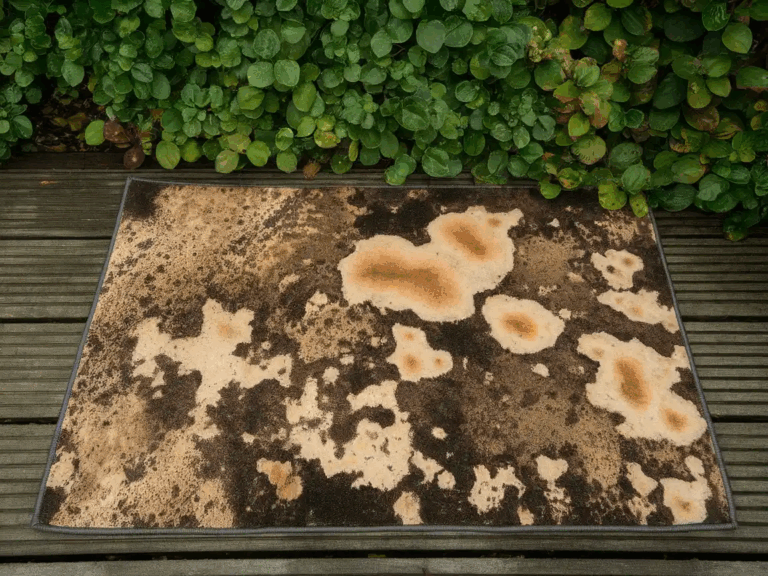
Mold is a fungus. It grows in moist areas. It spreads through spores. These spores float in the air. They can cause allergies. They can trigger asthma. Mold loves humidity. It grows on walls. It grows on ceilings. It grows on fabrics. It can be black. It can be green. It can be white. Stopping mold early is best.
Why Is Mold Dangerous?
Mold can make you sick. It causes breathing problems. It causes skin irritation. It weakens your immune system. Some molds produce toxins. These toxins are harmful. They can cause long-term health issues. Mold also damages your home. It ruins walls. It stains surfaces. It weakens structures. Preventing mold saves money. It keeps your family safe.
How to Prevent Mold Growth?
Stopping mold requires effort. You must control moisture. You must improve ventilation. You must clean regularly. Here are the best ways to prevent mold.
Control Indoor Humidity
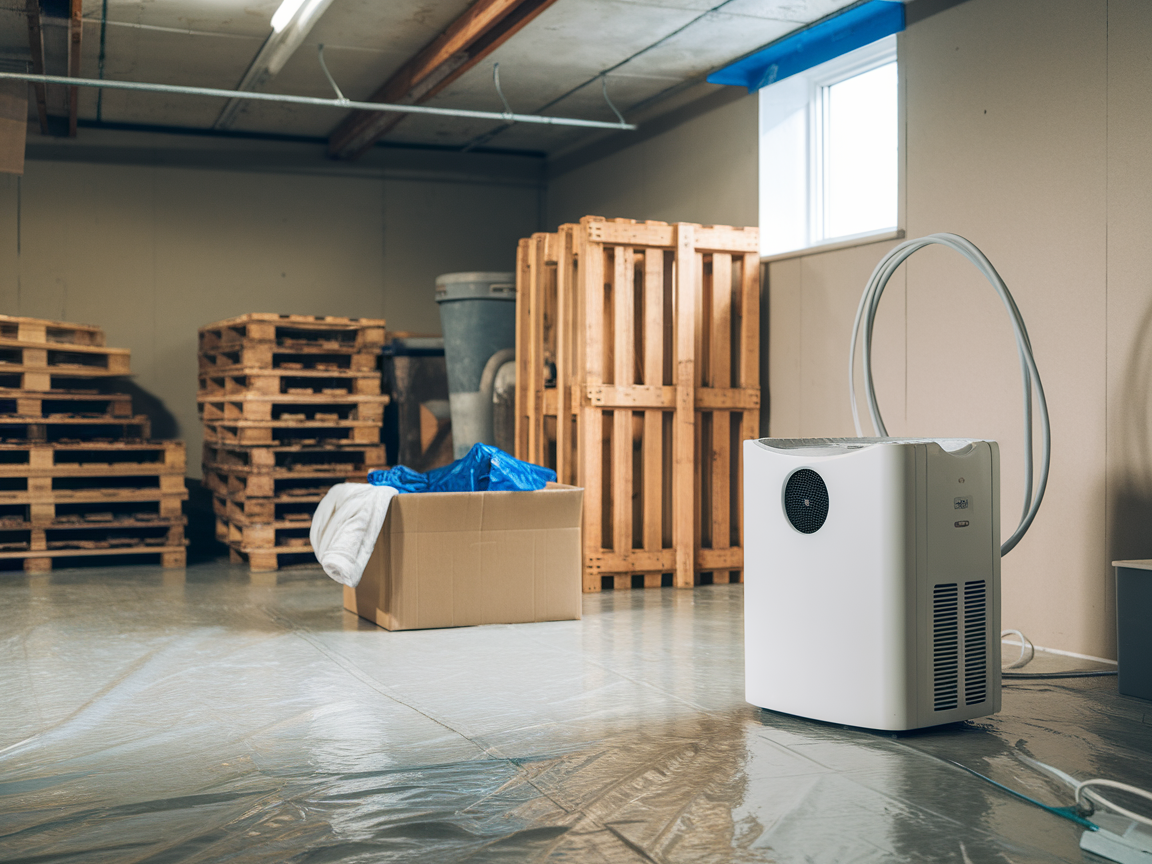
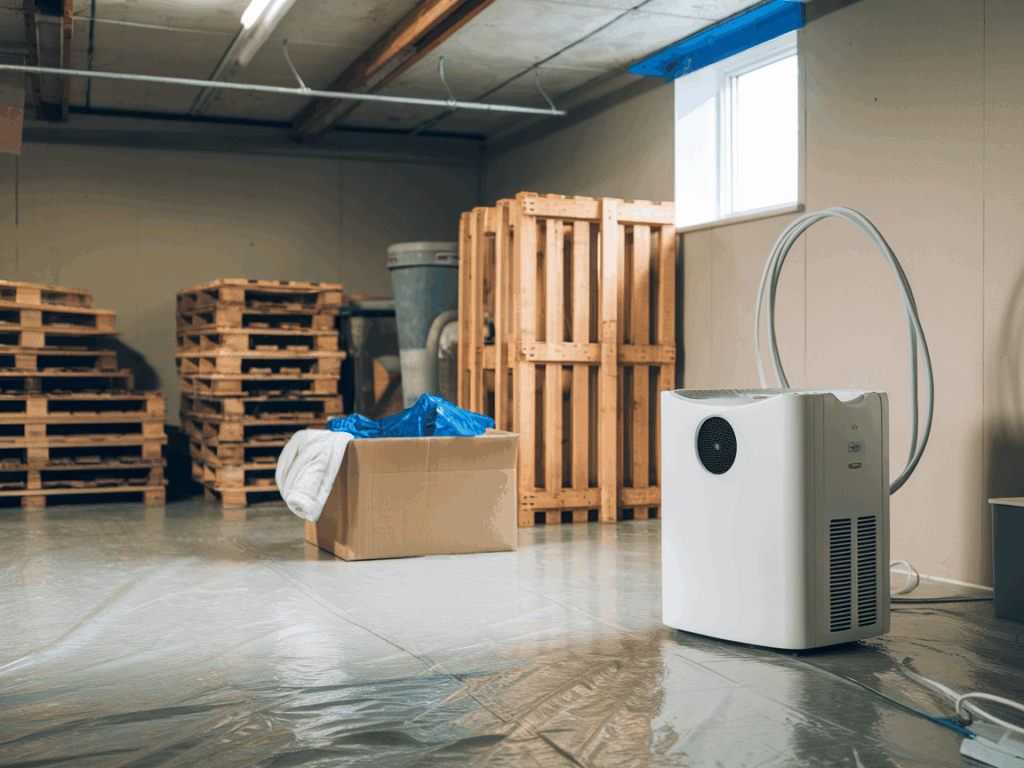
High humidity causes mold. Keep humidity below 50%. Use a dehumidifier. It removes excess moisture. Empty it regularly. Fix leaks immediately. Check pipes often. Repair roof leaks fast. Dry wet areas quickly. Wipe spills right away.
Improve Air Circulation
Stagnant air promotes mold. Open windows often. Use exhaust fans. Run them in bathrooms. Run them in kitchens. Use ceiling fans. Keep furniture away from walls. Allow air to flow. Avoid blocking vents. Clean air ducts yearly.
Fix Water Leaks Quickly
Leaks create dampness. Check under sinks. Check around toilets. Inspect the basement. Look for water stains. Fix dripping faucets. Seal cracks in walls. Repair damaged roofs. Dry wet carpets fast. Replace soaked drywall.
Use Mold-Resistant Products
Some materials resist mold. Choose mold-resistant paint. Use mold-resistant drywall. Install moisture-resistant flooring. Opt for waterproof sealants. These products help. They reduce mold growth. They last longer.
Clean and Dry Wet Items
Wet items grow mold fast. Dry clothes completely. Hang wet towels properly. Wash bathroom mats often. Dry shower curtains after use. Store damp items properly. Avoid leaving wet clothes piled up.
Monitor Hidden Areas
Mold hides in unseen places. Check behind furniture. Look under carpets. Inspect crawl spaces. Examine attics. Watch for musty smells. Use a moisture meter. It detects hidden dampness.
Clean Regularly
Dirt and dust feed mold. Vacuum often. Dust surfaces weekly. Wipe down bathrooms. Scrub showers and tubs. Disinfect sinks. Clean refrigerator drip pans. Wash garbage cans.
Use Natural Mold Inhibitors
Some natural products fight mold. Vinegar kills mold. Spray it on surfaces. Baking soda absorbs moisture. Leave bowls in damp areas. Tea tree oil prevents mold. Mix it with water. Spray it in problem areas.
Store Items Properly
Clutter traps moisture. Keep storage areas dry. Use plastic bins. Avoid cardboard in damp places. Elevate items off the floor. Allow space between stored objects.
Maintain Gutters and Downspouts
Clogged gutters cause water damage. Clean them regularly. Direct downspouts away from the house. Ensure proper drainage. Prevent water from pooling near walls.
Ventilate the Attic
Hot attics trap moisture. Install roof vents. Use attic fans. Ensure proper insulation. Prevent condensation buildup.
Dry Clothes Outside
Drying clothes indoors raises humidity. Hang laundry outside. Use a dryer with a vent. Avoid air-drying indoors.
Check Houseplants
Overwatered plants grow mold. Use well-draining pots. Avoid excess watering. Remove dead leaves. Wipe plant containers.
Inspect HVAC Systems
Dirty HVAC systems spread mold. Change filters monthly. Clean ducts professionally. Service units yearly.
Use Exhaust Fans While Cooking
Cooking releases steam. Turn on the kitchen fan. Open windows if possible. Wipe condensation from walls.
Seal Windows and Doors
Leaky windows let in moisture. Apply weather stripping. Use caulk to seal gaps. Prevent outdoor dampness from entering.
Avoid Carpet in Damp Areas
Carpet holds moisture. Use tiles in bathrooms. Use vinyl in basements. Choose washable rugs.
Dry Shoes and Coats
Wet footwear brings in moisture. Place mats at entrances. Dry shoes before storing. Hang wet coats outside.
Use a Hygrometer
A hygrometer measures humidity. Place it in problem areas. Monitor levels daily. Adjust dehumidifier settings as needed.
What to Do If You Find Mold
If mold appears act fast. Small patches can be cleaned. Use soap and water. Wear gloves and a mask. Scrub the area well. Dry it completely. For large infestations call professionals. They have the right tools. They remove mold safely.
Final Thoughts
Mold is harmful. It damages homes. It affects health. Prevention is key. Control moisture. Improve airflow. Clean regularly. Fix leaks quickly. Use mold-resistant products. Stay vigilant. A dry home is a mold-free home. Protect your family. Protect your property. Follow these steps. Enjoy a healthier living space.
FAQs
1. How fast does mold grow?
Mold grows in 24-48 hours. It spreads quickly. Damp conditions speed growth. Act fast to stop it.
2. Can mold grow in cold rooms?
Yes. Mold grows in cold damp places. Basements are common. Fridges can develop mold. Keep cold areas dry.
3. Does bleach kill mold?
Bleach kills surface mold. It does not prevent regrowth. Vinegar works better. It penetrates deeper.
4. Can painting over mold fix the problem?
No. Painting traps mold. It continues growing. Clean mold first. Then use mold-resistant paint.
5. How do I know if I have hidden mold?
Musty smells indicate mold. Check for water stains. Look for peeling paint. Use a moisture meter. Inspect hidden areas.
6. Can mold cause permanent health issues?
Yes. Long-term exposure is dangerous. It can cause chronic illnesses. Prevent mold to stay safe.
7. Is black mold more dangerous?
Black mold is toxic. It causes severe health problems. Remove it immediately. Seek professional help.
8. Can I prevent mold in a humid climate?
Yes. Use dehumidifiers. Ventilate your home. Fix leaks fast. Clean regularly. Stay proactive.
9. Does sunlight kill mold?
Sunlight reduces mold growth. Open curtains daily. Let sunlight in. Dry wet items outside.
10. How often should I check for mold?
Inspect monthly. Focus on damp areas. Look after heavy rains. Check hidden spaces often.
By following these steps you can keep mold away. A clean dry home is a healthy home. Stay alert. Take action early. Protect your space. Live better.

Hi, I’m Ashley Miller, a wife, a busy mom, and someone who loves to share all the things that make life a little more fun and beautiful.
From easy DIY projects, delicious recipes, and chic hairstyles to nail ideas and home decor tips, I share everything I’ve learned and love.
My goal is to inspire other women to explore their creativity and make their homes even more special.