Ultimate Guide: How to Mulch a Vegetable Garden for Maximum Growth?
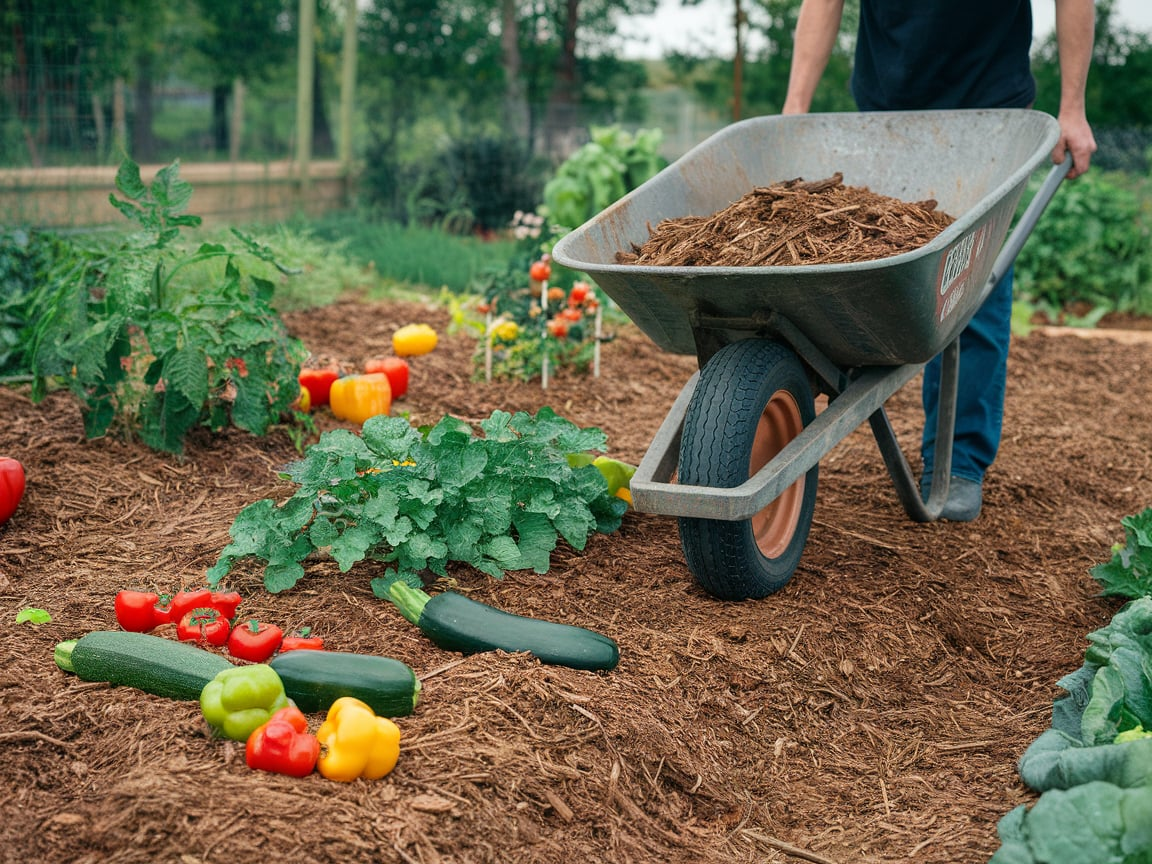
Mulching a vegetable garden is a simple yet effective way to boost your plants’ health and conserve moisture.
So, how do you mulch a vegetable garden? Start by choosing the right materials, spreading a 2-4 inch layer evenly around your plants, and making sure to keep mulch away from plant stems to avoid rot.
This process not only suppresses weeds but also helps regulate soil temperature and enriches the soil as the mulch breaks down.
With just a little effort, you can create a thriving environment for your veggies to grow!
Benefits of Mulching Your Vegetable Garden
Mulching offers a bunch of advantages for your vegetable garden. Here’s why you should consider it:
- Moisture Retention: Mulch helps keep the soil moist by reducing evaporation. This means less watering for you, especially during hot days.
- Weed Suppression: A good layer of mulch blocks sunlight, making it tough for weeds to grow. Fewer weeds mean less competition for your veggies.
- Soil Temperature Regulation: Mulch keeps the soil cooler in summer and warmer in winter. This stability promotes healthy root growth and overall plant health.
- Nutrient Enrichment: Organic mulches, like straw or wood chips, break down over time. This process adds nutrients back into the soil, improving its quality.
- Erosion Control: Mulch protects the soil from heavy rain and wind. It helps prevent erosion and keeps your garden intact.
- Pest Deterrent: Certain types of mulch can help deter pests. For example, cedar mulch has natural insect-repelling properties.
- Aesthetic Appeal: A well-mulched garden looks tidy and professional. It enhances the visual appeal of your vegetable patch.
Here’s a quick overview of some common mulch materials and their benefits:
| Mulch Type | Benefits |
|---|---|
| Straw | Great for moisture retention, breaks down to add nutrients |
| Wood Chips | Long-lasting, good for weed control, adds organic matter |
| Bark | Attractive, effective at suppressing weeds |
| Grass Clippings | Nutrient-rich, easy to apply, breaks down quickly |
| Leaves | Readily available, improves soil structure, decomposes slowly |
Incorporating mulch into your vegetable garden not only saves you time and effort but also creates a healthier environment for your plants. Enjoy the benefits of a thriving garden with minimal hassle!
Choosing the Right Mulch Material
Selecting the right mulch material for your vegetable garden can make a big difference. It helps retain moisture, suppress weeds, and regulate soil temperature. Here’s a quick guide to popular mulch options:
Organic Mulches
- Straw: Great for moisture retention and weed suppression. It breaks down over time, enriching the soil.
- Wood Chips: Long-lasting and good for moisture retention. They can also improve soil structure as they decompose.
- Grass Clippings: Readily available and free, they decompose quickly. Use them in thin layers to avoid matting.
- Leaves: Shredded leaves work well. They break down quickly and add nutrients back into the soil.
Inorganic Mulches
- Plastic: Excellent for heat retention and weed control. It also keeps soil moisture, but it doesn’t improve soil health.
- Rubber Mulch: Durable and long-lasting. It doesn’t break down, so you won’t need to replenish it often.
- Landscape Fabric: Allows water and air to penetrate while blocking weeds. Use it under organic mulches for added benefits.
Considerations
- Climate: Hot climates may benefit from materials that retain moisture, while cooler areas might need mulch that warms the soil.
- Availability: Choose materials that you can easily find or obtain.
- Cost: Some materials are more budget-friendly than others. Free options like leaves and grass clippings can save you money.
- Aesthetic Appeal: Consider how the mulch looks in your garden. Some people prefer a natural look, while others might choose something more decorative.
Tips
- Always apply mulch in a layer about 2-4 inches thick.
- Keep mulch a few inches away from plant stems to prevent rot.
- Refresh organic mulch yearly as it decomposes.
Choose the right mulch material to give your vegetable garden the best chance to thrive.
How to Apply Mulch Effectively?
Applying mulch takes a bit of strategy to get the best results for your vegetable garden. Follow these steps for effective mulching:
- Choose the Right Mulch
Different types of mulch serve different purposes. Here are some options:
- Organic Mulch: Composted leaves, straw, grass clippings. Great for adding nutrients as they decompose.
- Inorganic Mulch: Plastic, rubber, or gravel. Good for weed control and moisture retention but doesn’t improve soil quality.
- Prepare the Soil
Before you apply mulch, clean up the garden. Pull out weeds and debris. Loosen the soil with a garden fork or tiller. This helps the mulch interact better with the soil. - Apply at the Right Time
Timing matters. Mulch in early spring after the soil warms up. This helps suppress weeds while allowing moisture retention. Avoid mulching too late in the season, as it can keep the soil too cool. - Spread Evenly
Aim for a layer that’s 2-4 inches thick. Too little won’t suppress weeds, and too much can suffocate plants. Use your hands or a rake to spread the mulch evenly around each plant, leaving space near the stems to prevent rot. - Water After Applying
Give your mulch a good soak after applying. This helps to settle it in place and provides moisture to the soil beneath. - Monitor and Maintain
Check your mulch regularly. Replenish it as it breaks down or gets washed away. Keep an eye out for pests or mold, especially with organic options. - Avoid Common Mistakes
- Don’t pile mulch against plant stems. This can lead to rot.
- Don’t use fresh wood chips or sawdust; they can rob nitrogen from the soil as they decompose.
Following these steps ensures your vegetable garden thrives under a protective layer of mulch. Happy gardening!
When to Mulch Your Vegetable Garden
Timing is everything when it comes to mulching your vegetable garden. Here are the key moments to consider:
- Before Planting
- Mulch can help suppress weeds and retain moisture in the soil. Lay down a layer of organic mulch, like straw or shredded leaves, a few weeks before planting. This helps prepare the soil and keeps it warm.
- After Planting
- Once your seeds or seedlings are in the ground, apply mulch around them. Aim for a layer about 2-3 inches thick. This will protect young plants and keep the soil temperature stable.
- Mid-Season
- In the heat of summer, your garden may need extra protection. If you notice weeds popping up or the soil drying out, add more mulch. This helps retain moisture and keeps the soil cool.
- Fall Season
- After your harvest, don’t forget to mulch. A layer of mulch can protect the soil over winter, preventing erosion and nutrient loss. Use materials like straw or shredded leaves to insulate the soil.
Tips for Timing
- Watch the Weather
Mulch when the soil is moist but not soggy. This ensures the mulch works effectively without trapping excess moisture. - Plant Type Matters
Different veggies have unique needs. For instance, heat-loving plants like tomatoes benefit from mulch earlier in the season, while cool-season crops like lettuce might need it later. - Local Climate
Adjust your timing based on your area’s climate. Warmer regions may require earlier mulching, while cooler areas might wait until the soil warms up.
By paying attention to these timing cues, you’ll give your vegetable garden the best chance to thrive.
Maintaining Your Mulch Layer
Keeping your mulch layer in good shape ensures your vegetable garden thrives. Here’s how to maintain it effectively:
- Check for Compaction
Mulch can settle and become compacted over time. Fluff it up with a rake to improve air circulation and water penetration. - Add Fresh Mulch
Over time, organic mulch breaks down. Add a fresh layer every season to keep it effective. Aim for a thickness of 2 to 4 inches. - Monitor Moisture Levels
Check the moisture content under the mulch. If it feels dry, water your garden. Mulch helps retain moisture, but you still need to keep an eye on it. - Weed Control
Keep an eye out for weeds poking through the mulch. Pull them out by hand or use a hoe. Regular weeding keeps your garden healthy. - Pest Management
Inspect your mulch layer for pests. Look for signs of insects or rodents. If you notice anything, consider using natural pest deterrents or traps. - Rotate Mulch Types
If you use the same type of mulch year after year, consider rotating it. Different mulches provide various benefits. For example, straw adds organic matter, while wood chips suppress weeds. - Seasonal Adjustments
Change your mulch approach with the seasons. In the fall, consider using leaves or straw. In the spring, switch to wood chips or grass clippings to encourage growth. - Remove Decomposed Mulch
If mulch breaks down completely, remove it to prevent disease buildup. Replace it with fresh material to maintain soil health. - Keep Mulch Away from Stems
Avoid piling mulch against the stems of your plants. This can cause rot. Keep a small gap around the base of each plant.
By regularly maintaining your mulch layer, you ensure your vegetable garden stays healthy and productive. Happy gardening!
Conclusion
Mulching your vegetable garden offers a simple yet effective way to boost plant health and improve soil conditions. It prevents weeds, retains moisture, and regulates soil temperature. By choosing the right materials and applying them correctly, you create a thriving environment for your vegetables.
Maintaining your mulch throughout the growing season ensures your garden continues to reap the benefits. Regularly check for any decomposing materials and replenish as needed. With consistent care, your vegetable garden will flourish, delivering bountiful harvests for you to enjoy.

Hi, I’m Ashley Miller, a wife, a busy mom, and someone who loves to share all the things that make life a little more fun and beautiful.
From easy DIY projects, delicious recipes, and chic hairstyles to nail ideas and home decor tips, I share everything I’ve learned and love.
My goal is to inspire other women to explore their creativity and make their homes even more special.