How To Grow Summer Squash In The Catskills?
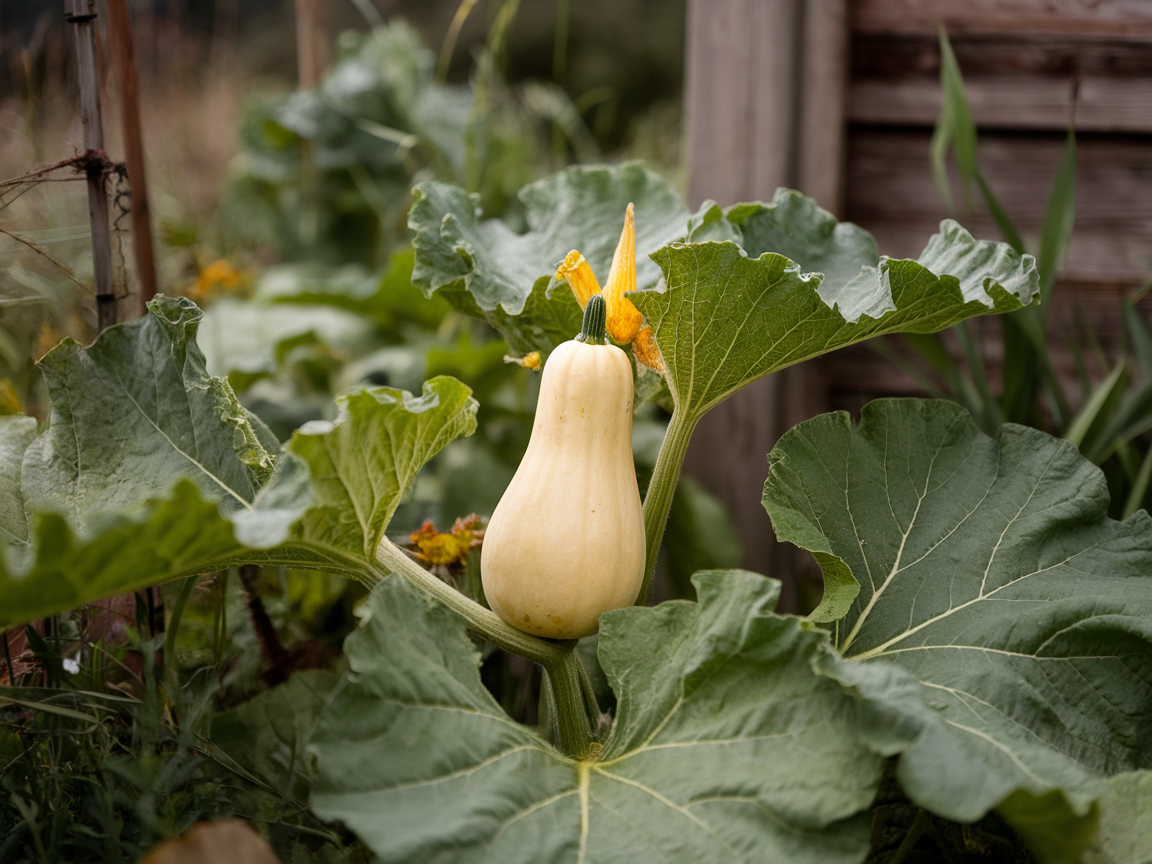
Growing Summer squash is not that hard but it is easy to grow.
It thrives in warm weather. The Catskills offer a good climate. This article will guide you.
You will learn the steps. You will get tips. Your garden will flourish. Let’s begin.
What Is Summer Squash?
Summer squash is a vegetable. It grows quickly. It has soft skin. It comes in many types. Zucchini is popular. Yellow squash is common.
Pattypan is round. All are nutritious. All are delicious. They love warm soil. They need sunlight. They need care.
Best Time To Plant Summer Squash In The Catskills
Timing matters. Frost kills squash. Wait until spring. Soil must be warm. Day temperatures should rise. Nights should not freeze.
Mid-May is ideal. Late May is safe. Early June works too. Check the weather. Avoid cold snaps. Protect young plants.
Choosing The Right Variety
Not all squash is the same. Some grow faster. Some resist disease. Pick Catskill-friendly types. Try Black Beauty Zucchini. It is reliable. Yellow Crookneck does well. Sunburst Pattypan is pretty. Bush Baby saves space. Choose what suits your garden.
Preparing The Soil
Soil quality matters. Squash needs rich earth. Add compost. Mix it well. Remove rocks. Remove weeds. Soil should drain. It should hold moisture. Test the pH. Aim for 6.0 to 6.8. Adjust if needed. Lime raises pH. Sulfur lowers it.
Planting Seeds Correctly
Seeds go directly in ground. Soak them first. It speeds growth. Plant 1 inch deep. Space them 3 feet apart. Rows need 4 feet between. Hills work too. Plant 4 seeds per hill. Thin later. Keep the strongest. Cover with soil. Water gently.
Using Seedlings For Faster Results
Seeds take time. Seedlings save weeks. Buy healthy starts. Or grow indoors. Use peat pots. Transplant carefully. Avoid root damage. Wait until frost passes. Harden them first. Place outside daily. Increase time gradually. Then plant.
Watering Summer Squash Properly
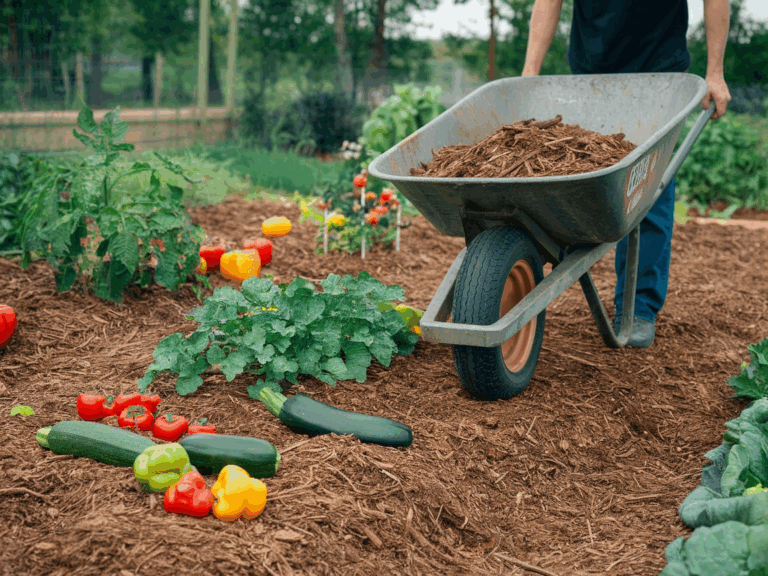
Squash loves water. But not too much. Keep soil moist. Not soggy. Water at the base. Avoid wet leaves. It prevents disease. Morning is best. Evening works too. Drip irrigation helps. Mulch retains moisture. Straw is good.
Fertilizing For Big Harvests
Feed your plants. They need nutrients. Use balanced fertilizer. 10-10-10 works. Apply at planting. Side-dress later. When flowers appear. Again when fruits form. Compost tea helps. Fish emulsion is good. Avoid too much nitrogen. It grows leaves. Not fruits.
Managing Pests Naturally
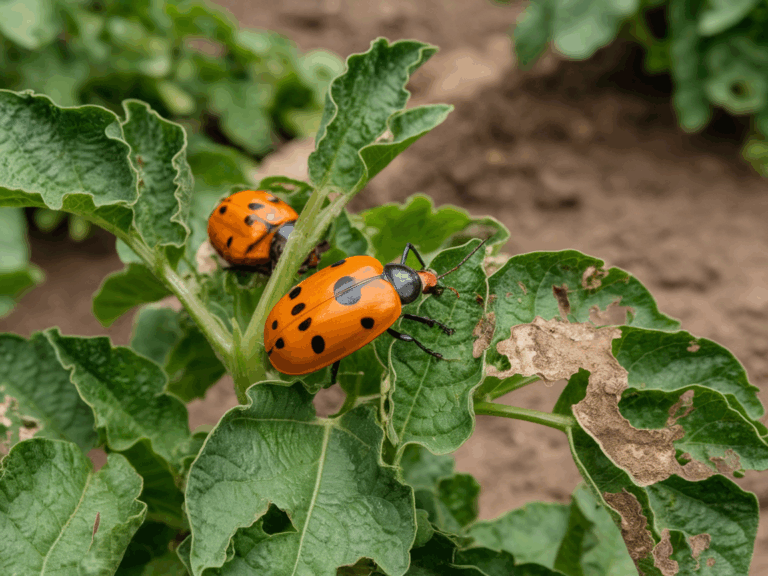
Pests love squash. Beetles are common. Cucumber bugs attack. Powdery mildew appears. Fight them early. Handpick bugs. Drop in soapy water. Neem oil repels. Row covers protect. Rotate crops yearly. Plant marigolds nearby. They deter pests.
Preventing Diseases
Squash gets sick. Fungus spreads fast. Leaves turn yellow. Powdery mildew coats. Downy mildew stains. Prevent with spacing. Airflow stops fungus. Water soil. Not leaves. Remove sick plants. Burn them. Do not compost. Use disease-resistant types.
Supporting Plants For Better Growth
Some squash sprawls. Some stays bushy. Support vines. Use trellises. Use cages. It saves space. It keeps fruits clean. It improves air flow. Tie gently. Do not damage stems. Heavy fruits need slings. Use cloth. Use netting.
Harvesting At The Right Time
Pick young. Fruits taste better. Skin is tender. Check daily. Zucchini grows fast. 6 inches is ideal. Yellow squash at 4 inches. Pattypan at 3 inches. Cut with a knife. Do not pull. Twisting harms plants. Harvest often. It boosts production.
Storing Summer Squash
Eat fresh. It tastes best. Store in fridge. Use a plastic bag. Poke holes. It lasts a week. Do not wash before storing. Moisture causes rot. Freeze extras. Blanch slices first. Dry them. Pack in bags. Label dates.
Common Problems And Solutions
No fruits? Check pollination. Bees may be few. Hand-pollinate. Use a brush. Transfer pollen. Flowers drop? Heat stress. Water more. Shade helps. Misshapen fruits? Poor pollination. Fix as above. Bitter taste? Uneven watering. Keep soil moist.
Companion Planting Tips
Some plants help squash. Beans add nitrogen. Corn gives shade. Radishes deter beetles. Nasturtiums repel bugs. Avoid potatoes. They compete. Avoid pumpkins. They attract same pests. Plan wisely.
Extending The Growing Season
Cold comes fast. Protect plants. Use row covers. Use cloches. Mulch heavily. Warm soil stays productive. Pick all fruits before frost. Green ones ripen inside. Store in cool dark place.
Saving Seeds For Next Year
Choose healthy fruits. Let them mature. Skin hardens. Cut open. Scoop seeds. Wash off pulp. Dry on paper. Store in envelope. Label clearly. Keep in cool dry place. They last years.
Cooking Summer Squash
Grill slices. Sauté with garlic. Bake into bread. Stuff with rice. Fry as fritters. Blend into soup. Spiralize as noodles. The options are endless. Enjoy your harvest.
Final Thoughts
Growing summer squash is rewarding. The Catskills climate suits it. Follow these steps. Your garden will thrive. Plant with care. Harvest with joy. Share the bounty. Happy gardening.
FAQs
1. How much sun does summer squash need?
At least 6 hours daily. Full sun is best.
2. Can I grow squash in containers?
Yes. Use big pots. 5 gallons minimum. Ensure drainage.
3. Why are my squash flowers falling off?
Male flowers drop naturally. Female flowers need pollination. Help if bees are few.
4. How often should I water squash?
1 inch per week. More in heat. Check soil moisture.
5. What causes yellow leaves?
Overwatering. Underwatering. Or disease. Adjust care. Remove sick leaves.
Now you know. Grow summer squash well. Enjoy fresh harvests. The Catskills soil awaits. Get planting today.

Hi, I’m Ashley Miller, a wife, a busy mom, and someone who loves to share all the things that make life a little more fun and beautiful.
From easy DIY projects, delicious recipes, and chic hairstyles to nail ideas and home decor tips, I share everything I’ve learned and love.
My goal is to inspire other women to explore their creativity and make their homes even more special.