How Often to Water Hydrangea?
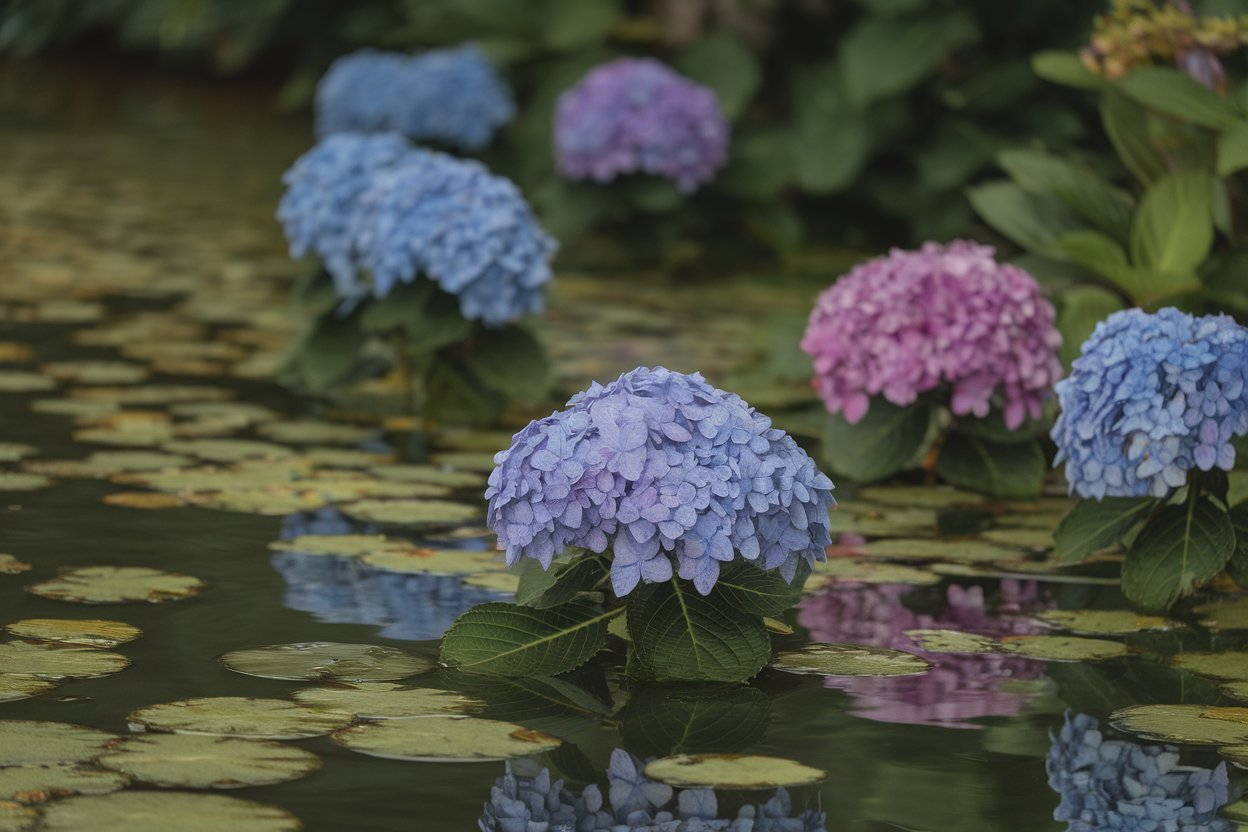
Although they are relatively easy to grow, one of the biggest challenges to successfully growing hydrangeas is knowing how often to water them.
The water needs of hydrangeas depend on the weather, the type of soil they are growing in, and whether they are planted in the ground or in containers.
By being aware of these factors, you will be able to give your hydrangeas the moisture they need to thrive.
How Often to Water Hydrangeas?
Watering hydrangeas is all about balance. The goal is to keep the soil evenly moist, but not waterlogged. Follow these tips to determine the right watering frequency for your hydrangeas:
• New Plantings: Newly planted hydrangeas need a little extra TLC. Water deeply after planting, and then keep the soil consistently moist for the first few weeks. As the roots establish, you can gradually cut back on watering.
• Soil Type: The type of soil your hydrangeas are planted in will affect how often you need to water. If you have heavy clay soil, you may need to water less often. If you have sandy soil, you may need to water more frequently.
• Weather: Hot, dry weather will increase your hydrangeas’ water needs. Be sure to check the soil moisture regularly and water more often as needed.
• Potted Hydrangeas: If you have hydrangeas in containers, they will need to be watered more frequently. Potted plants dry out faster than those in the ground. Check the soil moisture daily and water as needed.
How to Tell if Your Hydrangeas Need More Water
If your hydrangeas are wilting, it’s a good sign that they need more water. In the summer, many hydrangea owners will water their plants in the morning and in the evening. If your hydrangeas are wilting, try watering them a little more often to see if they perk up.
If your hydrangeas are wilting, it’s a good sign that they need more water. In the summer, many hydrangea owners will water their plants in the morning and in the evening. If your hydrangeas are wilting, try watering them a little more often to see if they perk up.
How to Water Hydrangeas
Watering hydrangeas is a simple task, but there are a few important things to keep in mind.
When to water hydrangeas:
• If you have new hydrangeas, water them every day for the first week.
• If you have a hydrangea that has been recently transplanted, water it every day for the first week.
• If you have a hydrangea that is growing in a container, water it every day.
If you have a hydrangea that is growing in the ground and is not new or recently transplanted, you should only water it if the soil is dry.
Best Time to Water Hydrangeas
The best time to water hydrangeas is in the morning. Morning is the best time to water most plants and flowers. It allows the water to soak into the soil before the sun gets too hot.
Watering in the evening can lead to mildew and other diseases. If your hydrangeas are in pots, you may need to water them in the afternoon as well. Potted plants dry out faster than plants in the ground.
How to Water Hydrangeas in Pots
Watering hydrangeas in pots is a bit different than watering those in the ground. Potted hydrangeas will dry out more quickly, so they may need to be watered more often.
The best way to determine when to water is to check the soil. If the top inch of soil is dry, it’s time to water. If the soil is moist, check back in a day or two.
Potted hydrangeas will likely need to be watered every day or two, especially in hot weather. If they start to wilt, they need water right away.
How to Tell if You’re Overwatering Hydrangeas
If you’re watering your hydrangea plants too frequently, you may notice symptoms of overwatering. The most common sign of overwatering is wilting, which seems like it would be the opposite of underwatering.
However, it’s not the same as the wilting that occurs when the plant is thirsty. Overwatering wilting occurs when the hydrangea plant’s roots take in too much water, and the plant can’t absorb any more.
The soil will be wet, and the plant may look like it’s not getting enough water. Overwatering can lead to root rot, which is a serious condition that can kill your hydrangea plant. If you think you’ve overwatered your hydrangea, check the soil. If it’s wet, then you know you need to cut back on the watering.
How to Tell if You’re Underwatering Hydrangeas
If you don’t water your hydrangeas enough, they will let you know. The leaves will become limp, and the blooms will start to wilt.
If you see these signs, give your hydrangeas a deep watering. This will help the plant recover and give it a chance to soak up the water it needs.
If you’re not sure how to tell if you’re underwatering your hydrangeas, check the soil. If the soil is dry and crumbly, your hydrangeas need more water.
Conclusion
Hydrangeas are popular shrubs for the landscape, and with the right care, they can be a focal point of your garden.
To keep your hydrangeas healthy, water them right.

Hi, I’m Ashley Miller, a wife, a busy mom, and someone who loves to share all the things that make life a little more fun and beautiful.
From easy DIY projects, delicious recipes, and chic hairstyles to nail ideas and home decor tips, I share everything I’ve learned and love.
My goal is to inspire other women to explore their creativity and make their homes even more special.