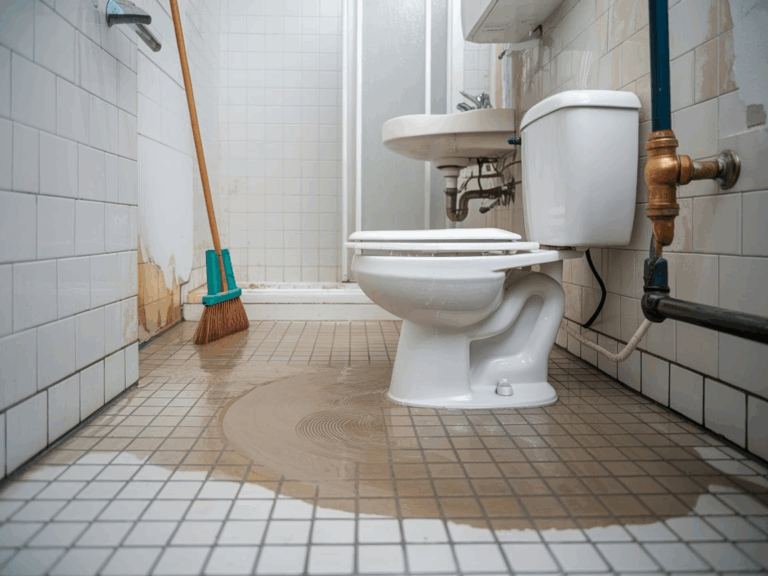
Bathroom Mould Problems and Their Fixes
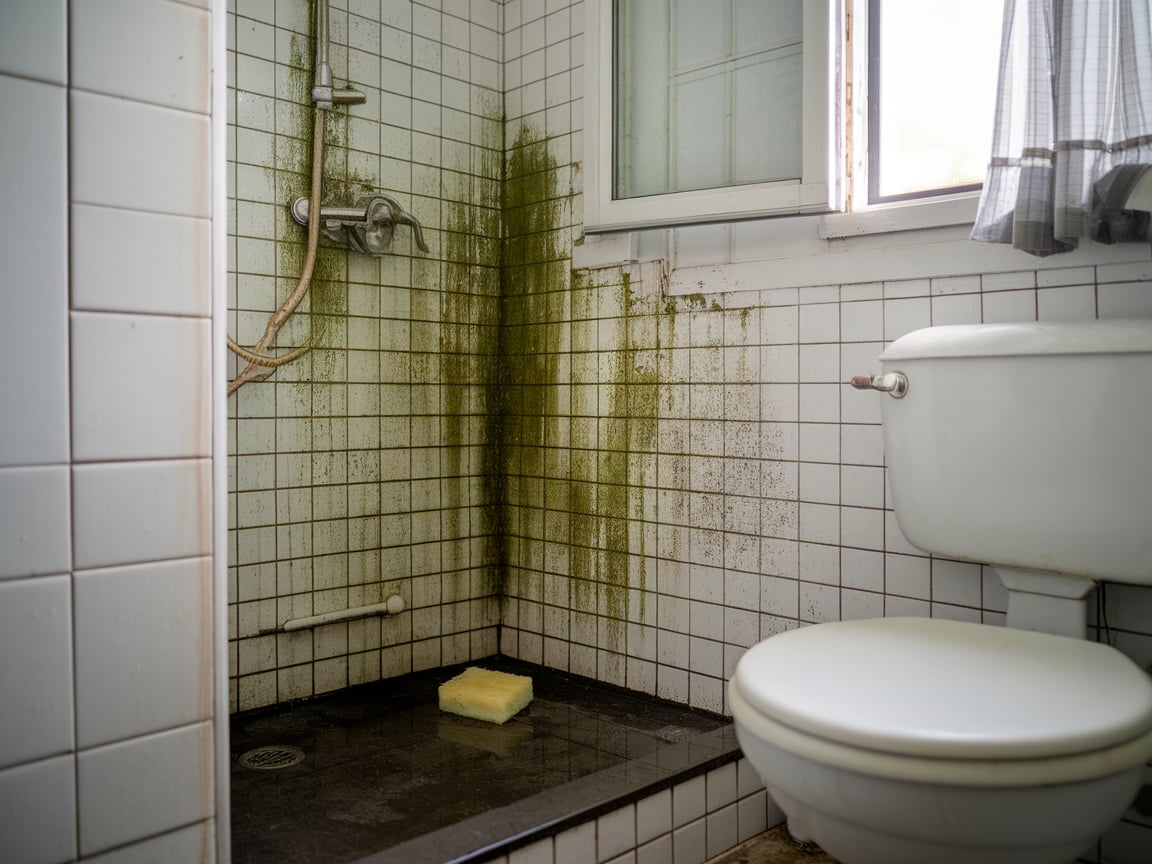
Mould in bathrooms is common. It grows fast. It looks bad. It smells worse. It can harm health. This article will explain.
It will give details. It will help you fix it. You must know why mould grows. You must know how to stop it. Your bathroom’s cleanliness matters.
So let’s learn everything. Resistance to mould buildup makes a big difference. Some mould types are harmful. Some are less dangerous. Understanding mould leads to better bathroom maintenance.
What Is Bathroom Mould?
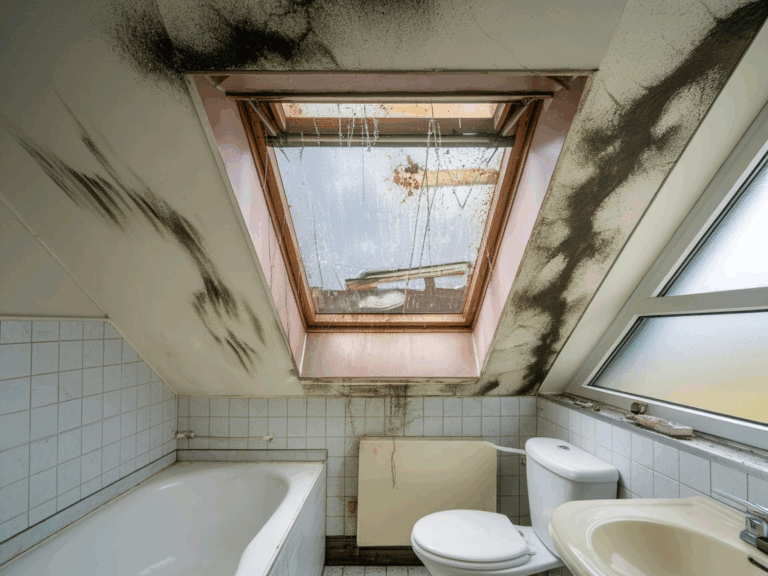
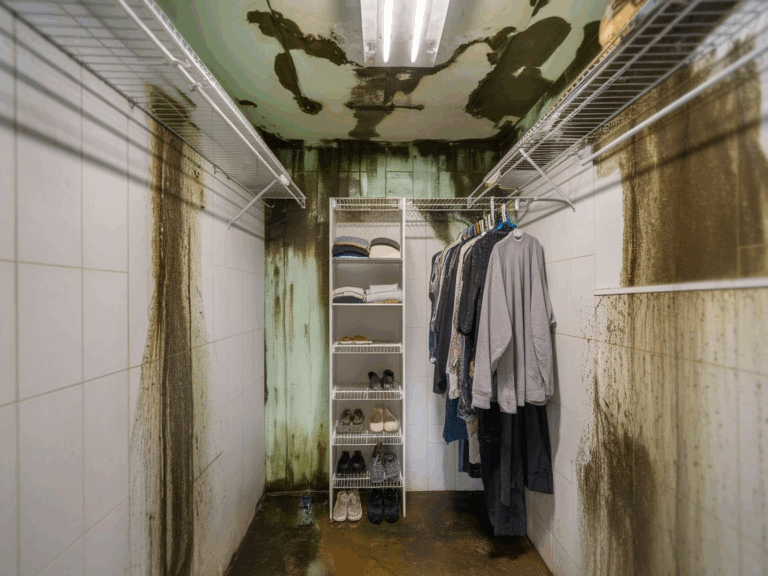
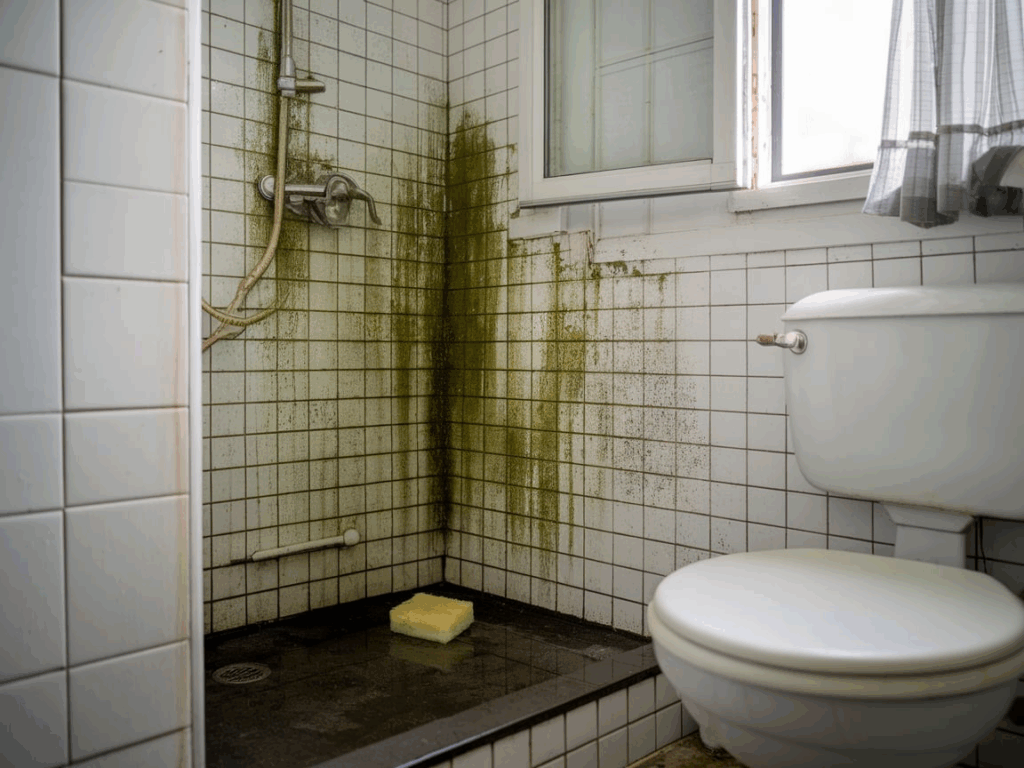
Mould is a fungus. It loves damp places. It spreads quickly. It comes in different colors. Black mould is common. Green mould is also found. It grows on walls. It grows on ceilings. It grows on grout. It thrives in moisture.
Bathrooms have high humidity. This helps mould grow. Poor ventilation makes it worse. Leaks add to the problem. Mould spores float in the air. They settle on wet surfaces. They multiply fast.
Why Is Bathroom Mould Bad?
Mould is not just ugly. It can cause health issues. Breathing mould spores is harmful. It can trigger allergies. It can cause asthma attacks. Some moulds produce toxins. These can make you sick.
Mould also damages surfaces. It weakens grout. It stains walls. It ruins paint. It can even harm structures. Ignoring mould leads to bigger problems. Fixing it early saves money.
Common Causes of Bathroom Mould
1. Poor Ventilation
Bathrooms need airflow. Steam from showers lingers. Without ventilation moisture stays. This creates mould’s perfect home.
2. Leaks and Water Damage
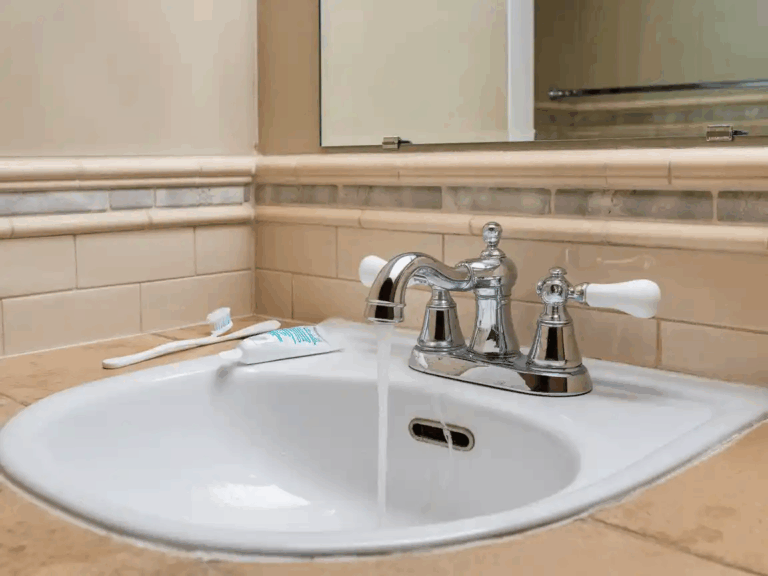
Leaky pipes cause mould. Dripping faucets add moisture. Cracked tiles let water seep. Hidden leaks create unseen mould.
3. High Humidity
Hot showers increase humidity. Wet towels add to it. Damp rugs hold moisture. All these help mould grow.
4. Lack of Cleaning
Soap scum builds up. Dirt mixes with moisture. This becomes mould food. Regular cleaning prevents it.
How to Fix Bathroom Mould Problems
1. Improve Ventilation
Use exhaust fans. Open windows after showers. Keep doors open to dry air. A dehumidifier helps in humid climates.
2. Fix Leaks Immediately
Check pipes regularly. Repair dripping faucets. Seal cracked tiles. Fix any water damage fast.
3. Reduce Humidity
Wipe wet surfaces after showers. Hang towels to dry. Avoid leaving wet clothes. Use moisture-absorbing products.
4. Clean Regularly
Scrub tiles weekly. Clean grout with baking soda. Use vinegar for mould spots. Avoid harsh chemicals.
5. Use Mould-Resistant Products
Choose mould-resistant paint. Install anti-mould shower curtains. Use silicone sealant in wet areas.
6. Natural Mould Removal Methods
- Vinegar – Spray and leave for an hour. Scrub and rinse.
- Baking Soda – Mix with water. Apply paste and scrub.
- Tea Tree Oil – Dilute with water. Spray on mould.
7. When to Call Professionals
Severe mould needs experts. Black mould is dangerous. If mould covers large areas get help. Professionals use special equipment. They ensure complete removal.
Preventing Future Mould Growth
1. Keep Surfaces Dry
Squeegee shower walls after use. Wipe sinks and counters. Dry floors to prevent puddles.
2. Use Proper Storage
Store items in dry places. Avoid keeping wet loofahs. Use ventilated cabinets.
3. Regular Inspections
Check hidden spots often. Look under sinks. Inspect behind toilets. Early detection stops big problems.
4. Choose Mould-Resistant Materials
Opt for waterproof flooring. Use porcelain tiles. Select treated wood for cabinets.
Final Thoughts
Bathroom mould is annoying. But it can be controlled. Proper ventilation helps. Fixing leaks is crucial. Regular cleaning prevents growth. Natural remedies work well. Severe cases need professionals.
A mould-free bathroom is healthier. It looks better. It smells fresh. Follow these steps. Keep your bathroom safe. Your health will thank you.
FAQs
1. Is black mould dangerous?
Yes. It can cause respiratory issues. Some black moulds produce toxins. Immediate removal is best.
2. Can bleach kill mould?
Bleach removes surface mould. But it does not kill roots. Vinegar works better long-term.
3. How often should I clean to prevent mould?
Weekly cleaning is ideal. Focus on wet areas. Deep clean monthly.
4. Does mould come back after cleaning?
Yes if moisture remains. Fix leaks first. Keep the bathroom dry.
5. Can I paint over mould?
No. Paint will peel. Clean mould first. Use mould-resistant paint.
By following these tips you can win the fight against bathroom mould. Stay proactive. Keep your bathroom fresh and safe.

Hi, I’m Ashley Miller, a wife, a busy mom, and someone who loves to share all the things that make life a little more fun and beautiful.
From easy DIY projects, delicious recipes, and chic hairstyles to nail ideas and home decor tips, I share everything I’ve learned and love.
My goal is to inspire other women to explore their creativity and make their homes even more special.