Ultimate Guide: How to Protect Your Plants from Frost and Keep Them Thriving!
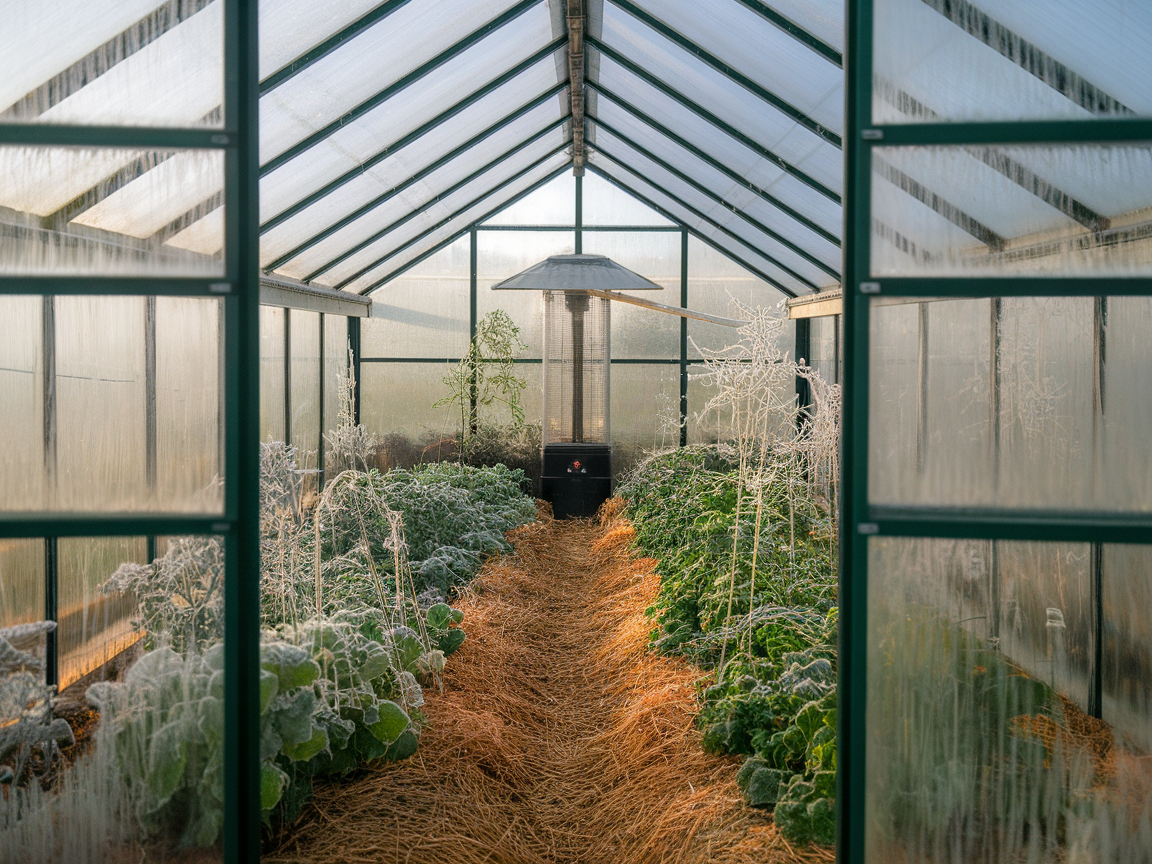
Frost can be a sneaky enemy for your beloved plants, especially during those chilly nights. So, how to protect your plants from frost?
The best way to shield them is by covering them with frost cloths, blankets, or even old sheets to trap heat and keep the cold at bay.
In addition to covering, you can also move potted plants indoors or to a sheltered spot, and make sure to water them well before a frost warning, as moist soil retains heat better.
By taking these simple steps, you can give your plants a fighting chance against the frost!
Understanding Frost and Its Effects on Plants
Frost occurs when the temperature drops below freezing, causing moisture in the air to crystallize. This can happen during the night or early morning when temperatures fall. Understanding frost is key to protecting your plants. Here’s what you need to know.
Types of Frost
- Radiation Frost:
- Happens on clear nights when heat escapes from the ground.
- Most common in spring and fall.
- Advection Frost:
- Occurs when warm, moist air moves over cooler surfaces.
- Can happen in any season.
Effects of Frost on Plants
Frost can cause serious damage to your plants. Here are some effects to watch for:
- Leaf Damage:
- Leaves may become blackened or water-soaked.
- This can lead to wilting and eventual death.
- Bud Damage:
- Flower buds can freeze and die.
- This impacts fruit production.
- Root Damage:
- Frost can penetrate the soil, affecting young roots.
- This weakens the plant and impacts growth.
Factors Influencing Frost Damage
Several factors determine how frost affects your plants:
- Plant Type: Some plants are more frost-resistant than others. Perennials often handle frost better than annuals.
- Growth Stage: Young plants and new growth are more vulnerable to frost.
- Location: Low-lying areas tend to collect cold air, increasing frost risk.
- Moisture Levels: Wet soil cools faster, increasing frost likelihood.
Signs of Frost Damage
Look for these signs to identify frost damage:
- Blackened leaves
- Drooping or wilting stems
- Premature leaf drop
- Inability to produce flowers or fruits
Understanding frost and its effects on plants helps you take steps to protect your garden. By knowing when frost is likely to occur and how it impacts your plants, you can minimize damage and keep your garden thriving.
Preparing Your Garden for Frost
Getting your garden ready for frost can save your plants from serious damage. Here’s how to prep your garden effectively:
- Know Your Frost Dates
Research your area’s last frost date in spring and first frost date in fall. This helps you time your planting and preparation. - Choose the Right Plants
Select frost-resistant plants for your garden. Some hardy options include:
- Kale
- Pansies
- Mums
- Mulch Your Garden
Apply a thick layer of mulch around your plants. It helps insulate the soil and keeps roots warm. Use materials like straw, shredded leaves, or bark chips. - Water Your Plants
Water your plants a day or two before a frost. Moist soil retains heat better than dry soil, protecting roots from freezing. - Create Windbreaks
Set up windbreaks using burlap, fences, or evergreens. This reduces wind exposure, which can lower temperatures around your plants. - Use Frost Cloths or Covers
Keep frost cloths or blankets on hand. If frost threatens, cover your plants in the evening. Remove covers during the day to allow sunlight in. - Row Covers for Protection
Use lightweight row covers to shield tender plants. These allow light and moisture in while providing a protective barrier. - Bring Potted Plants Indoors
If you have potted plants, bring them indoors when frost is forecast. If space is limited, group them together in a sheltered spot. - Plant in Raised Beds
Consider using raised beds. They warm up faster in the spring and provide better drainage, reducing frost risk. - Monitor Weather Reports
Keep an eye on local weather forecasts. Being proactive helps you act quickly to protect your plants.
By following these steps, you can give your garden the best chance against frost damage. Prepare in advance and keep your plants thriving.
Best Frost Protection Methods
Protecting your plants from frost is crucial for their survival. Here are some effective methods to keep your greenery safe.
1. Covering Plants
Use materials like:
- Frost cloths: Lightweight and breathable, perfect for covering plants.
- Old sheets or blankets: Use them for larger plants. Just make sure they don’t touch the leaves.
- Garden fabric: Provides insulation while allowing light and moisture in.
Cover your plants in the evening before temperatures drop. Remove coverings in the morning to let the sun in.
2. Mulching
Apply a thick layer of mulch around the base of your plants. Benefits include:
- Insulating the soil
- Retaining moisture
- Reducing temperature fluctuations
Use materials like straw, wood chips, or bark.
3. Watering
Water your plants thoroughly a day before a frost event. Moist soil holds heat better than dry soil. This technique keeps roots warm and helps prevent frost damage.
4. Using Row Covers
Row covers create a mini-greenhouse effect. They trap heat and protect plants from frost. Choose lightweight materials for best results. Secure them with hoops or stakes to avoid touching the plants.
5. Plant Location
Choose the right spot for your plants. Areas with good air drainage, like hillsides, reduce frost risk. Avoid low-lying areas where cold air settles.
6. Frost Fans
For larger gardens, consider using frost fans. These devices circulate air and help maintain a stable temperature around your plants. Ideal for fruit trees or large vegetable patches.
7. Heat Sources
Use heat sources for extra protection. Options include:
- String lights: Place non-LED lights around plants for gentle warmth.
- Heat mats: Perfect for seedlings and potted plants.
8. Timing
Know your planting schedule. Plant frost-sensitive species after the last expected frost date in your area. Check local frost dates to plan your planting effectively.
Using these methods can significantly reduce frost damage. Keep your plants cozy and thriving through chilly nights!
Using Covers and Mulch Effectively
Protecting your plants from frost is crucial. Covers and mulch play a significant role in shielding your plants. Here’s how to use them effectively.
Covers
Covers act as a barrier against cold air and frost. You have a few options:
- Row Covers: These lightweight fabrics trap heat and allow sunlight in. They work great for vegetables and flowers.
- Plastic Sheets: Use clear plastic to create a mini greenhouse effect. Just remember to remove them during sunny days to prevent overheating.
- Blankets or Towels: An old blanket can work in a pinch. Make sure it reaches the ground to keep warmth in.
When using covers, follow these tips:
- Cover Early: Put covers on before the frost hits. This allows your plants to retain warmth.
- Secure the Edges: Weigh down the edges with rocks or soil. This prevents the covers from blowing away.
- Remove in the Morning: Take off covers when temperatures rise above freezing. This helps prevent overheating.
Mulch
Mulch serves as insulation for the soil. It keeps the ground temperature steady. Here are some effective mulching materials:
- Straw: Lightweight and easy to spread, straw provides excellent insulation.
- Wood Chips: These break down slowly and add nutrients to the soil over time.
- Grass Clippings: Fresh clippings work well, but let them dry out a bit to avoid matting.
When applying mulch, consider these steps:
- Depth Matters: Aim for a depth of 2-4 inches. Too little won’t insulate well, and too much can suffocate plants.
- Keep Away from Stems: Leave space around plant stems. This prevents rot and allows for airflow.
- Reapply as Needed: Mulch breaks down over time. Check regularly and add more as necessary.
Using covers and mulch effectively can make a big difference in protecting your plants from frost. With the right techniques, your garden can thrive even in chilly conditions.
Post-Frost Care for Your Plants
After a frost hits your garden, it’s crucial to act quickly. Here’s how to help your plants bounce back.
- Assess the Damage
Check your plants for signs of frost damage. Look for:
- Wilting leaves
- Browning or blackened tips
- Soft, mushy stems
- Prune Affected Areas
Remove any damaged or dead parts. This helps prevent diseases. Use clean, sharp scissors or pruning shears. Cut back to healthy tissue. - Water Wisely
Give your plants a good drink. Moist soil helps them recover. Avoid overwatering. Check the soil moisture first. - Provide Shelter
If another frost is on the way, cover your plants with:
- Frost cloths
- Old sheets
- Blankets Just make sure to remove covers during the day to let sunlight in.
- Add Mulch
Spread a layer of mulch around your plants. This helps retain moisture and regulate soil temperature. - Fertilize Carefully
Wait a week or two after frost damage before fertilizing. Choose a balanced fertilizer. This helps your plants regain strength. - Monitor for Pests
Frost-damaged plants can attract pests. Keep an eye out for any unwanted visitors. Treat infestations promptly. - Stay Patient
Recovery takes time. Don’t panic if your plants look rough for a while. With the right care, they can bounce back. - Learn for Next Time
Take notes on what worked and what didn’t. Use this knowledge to better prepare for future frosts.
Following these steps helps your plants recover from frost damage. They’ll thank you with healthy growth in no time.
Conclusion
Protecting your plants from frost is crucial for their health and growth. By understanding the risk factors and implementing the right strategies, you can safeguard your garden. Use frost cloths, row covers, or even blankets to shield your plants during chilly nights. Ensure you monitor temperatures closely and take action before frost sets in.
Don’t forget the importance of location. Choose planting spots that offer some natural protection, like near walls or larger plants. Stay proactive with your garden care. Regularly check weather forecasts and be ready to act when temperatures drop. A little preparation goes a long way in keeping your plants thriving through the frost.

Hi, I’m Ashley Miller, a wife, a busy mom, and someone who loves to share all the things that make life a little more fun and beautiful.
From easy DIY projects, delicious recipes, and chic hairstyles to nail ideas and home decor tips, I share everything I’ve learned and love.
My goal is to inspire other women to explore their creativity and make their homes even more special.