How Do I Winterize My Garden?
So, Winter is coming and Your garden needs care. Cold weather can harm plants.
Proper preparation helps them survive.
Stay tuned, This guide will explain how. It will give simple steps. It will make winterizing easy. Your garden will thank you.
Why Winterize Your Garden?
Winter brings harsh conditions. Frost damages plants. Snow can break branches. Soil loses nutrients. Pests seek shelter.
Your garden becomes vulnerable. Winterizing protects it. Healthy plants return in spring. Neglect leads to loss. Prevention is better than repair.
When to Start Winterizing?
Timing matters. Start before the first frost. Check local frost dates. Early fall is ideal. Plants need time to adjust. Late preparation is risky. Sudden cold shocks plants. Begin when leaves fall. Finish before ground freezes.
Clean Up the Garden
Remove dead plants. Clear fallen leaves. Trim broken branches. Rake up debris. Rotting material invites pests. Diseases spread in clutter. Clean soil prevents mold. Compost healthy waste. Burn diseased plants. A tidy garden stays healthy.
Protect Perennials
Perennials live many years. They need winter care. Cut back dead stems. Leave some for insulation. Mulch around the base. Use straw or leaves. Cover tender plants. Burlap wraps work well. Avoid plastic covers. They trap moisture. Moisture causes rot.
Prepare the Soil
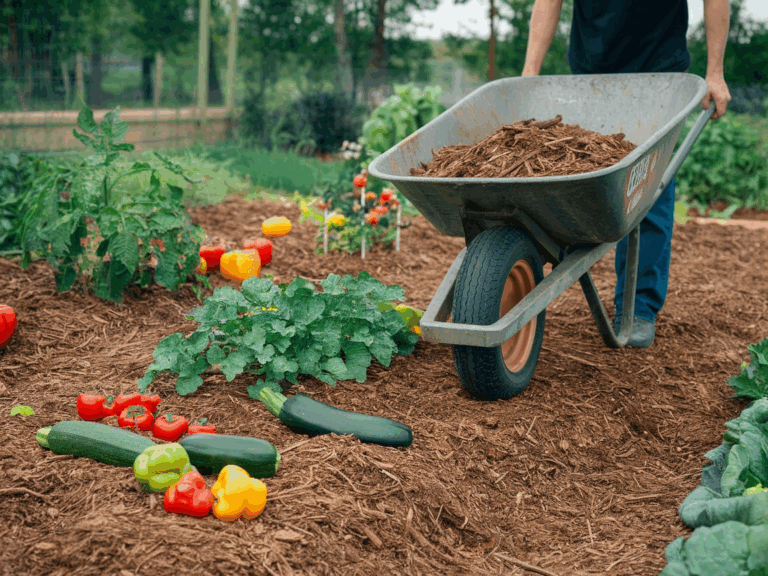
Soil needs nourishment. Add compost or manure. Nutrients enrich the earth. Turn the soil lightly. Avoid deep digging. It disturbs roots. Cover bare soil. Mulch prevents erosion. Healthy soil means strong plants. Spring planting becomes easier.
Care for Trees and Shrubs
Young trees need help. Wrap trunks with guards. Rodents chew bark in winter. Use plastic or wire mesh. Prune dead branches. Heavy snow breaks weak limbs. Water deeply before freeze. Hydration prevents winter burn. Evergreens need extra care. Anti-desiccant sprays reduce moisture loss.
Winterize Your Lawn
Grass suffers in winter. Mow one last time. Keep blades short. Long grass harbors mold. Remove leaves thoroughly. Aerate compacted soil. Apply winter fertilizer. Potassium strengthens roots. Avoid walking on frozen grass. It damages blades.
Protect Bulbs and Tender Plants
Some plants won’t survive. Dig up tender bulbs. Store them indoors. Let them dry first. Keep in a cool place. Use peat moss or sawdust. Replant in spring. Some bulbs stay outside. Cover with thick mulch. Frost heave can push them up. Check after thaws.
Drain and Store Garden Tools
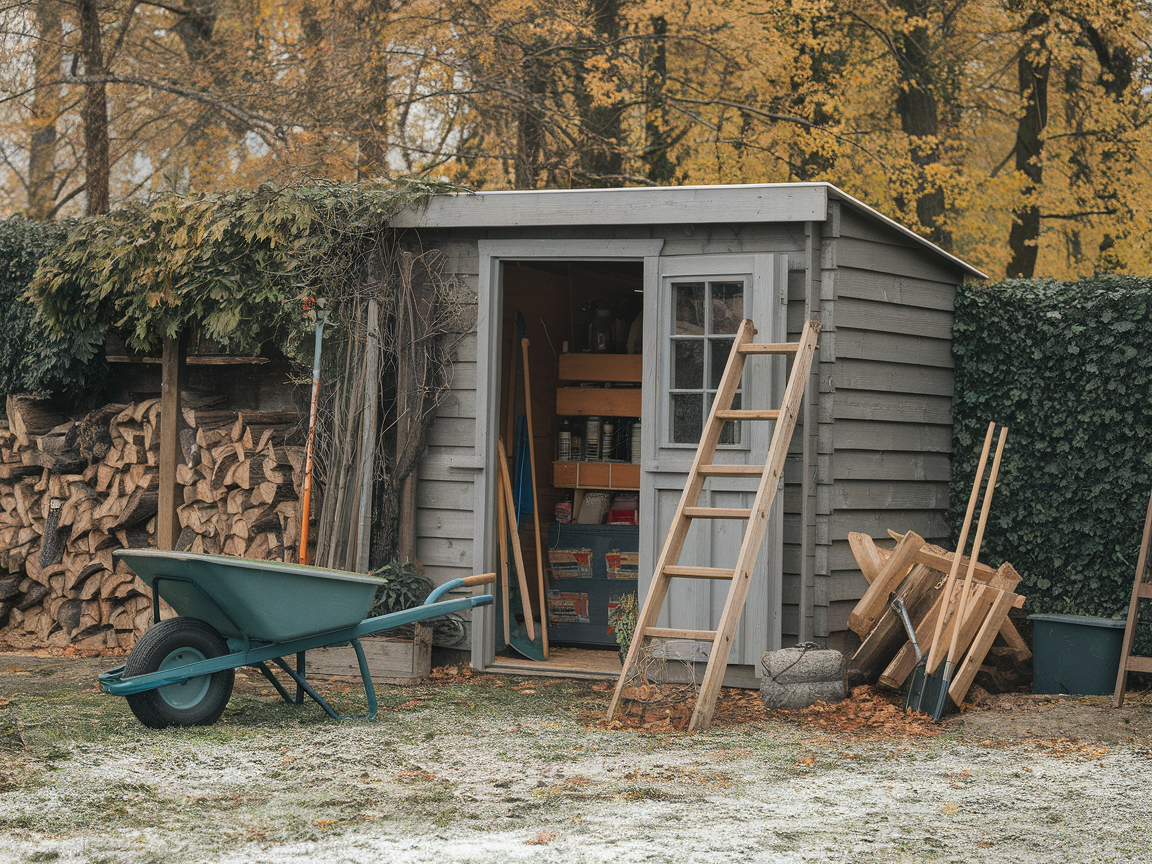
Tools need winter care. Clean dirt off shovels. Oil metal parts. Prevent rust. Drain hoses completely. Store them coiled. Empty watering cans. Keep tools in a dry place. Sharpen blades now. Spring work becomes easier.
Prepare Potted Plants
Potted plants freeze faster. Move them indoors. Choose a bright spot. Water sparingly. Some plants go dormant. Trim excess growth. Insulate outdoor pots. Wrap with bubble wrap. Group pots together. Place near a wall. Wind protection helps.
Manage Water Features
Ponds need attention. Remove pumps. Store them inside. Clean filters thoroughly. Drain small fountains. Cover large ponds. Use a net for leaves. Fish need oxygen. Keep a hole in ice. Never break ice. It shocks fish.
Control Winter Pests
Pests seek shelter. Inspect plants closely. Remove egg clusters. Spray dormant oil. It kills overwintering insects. Clean under plant debris. Mice and voles invade. Use traps if needed. Protect young trees.
Plan for Spring
Winter is planning time. Order seeds early. Sketch garden layouts. Rotate crops. Note this year’s successes. Learn from failures. Repair fences. Build new beds. Spring comes fast. Prepared gardeners thrive.
Final Thoughts
Winterizing takes effort. But it pays off. Healthy plants return. Fewer pests appear. Soil stays rich. Tools last longer. Follow these steps. Your garden will flourish. A little work now saves trouble later. Happy winterizing!
FAQs
1. When should I stop watering before winter?
Water until ground freezes. Deep hydration helps roots. Stop when frost is constant.
2. Can I leave mulch all winter?
Yes. Mulch insulates soil. Add more if it thins. Remove in early spring.
3. Should I fertilize in winter?
No. Fertilizer promotes growth. Dormant plants don’t need it. Use slow-release in fall.
4. How do I protect roses in winter?
Mound soil around base. Cover with mulch. Wrap climbing roses. Prune lightly in spring.
5. Can I plant anything in winter?
Some seeds need cold. Sow hardy varieties. Most planting waits for spring.
Winter care ensures a thriving garden. Start now. Enjoy the rewards later. Your plants will thank you.

Hi, I’m Ashley Miller, a wife, a busy mom, and someone who loves to share all the things that make life a little more fun and beautiful.
From easy DIY projects, delicious recipes, and chic hairstyles to nail ideas and home decor tips, I share everything I’ve learned and love.
My goal is to inspire other women to explore their creativity and make their homes even more special.