Should You Cover Patio Furniture in Winter?
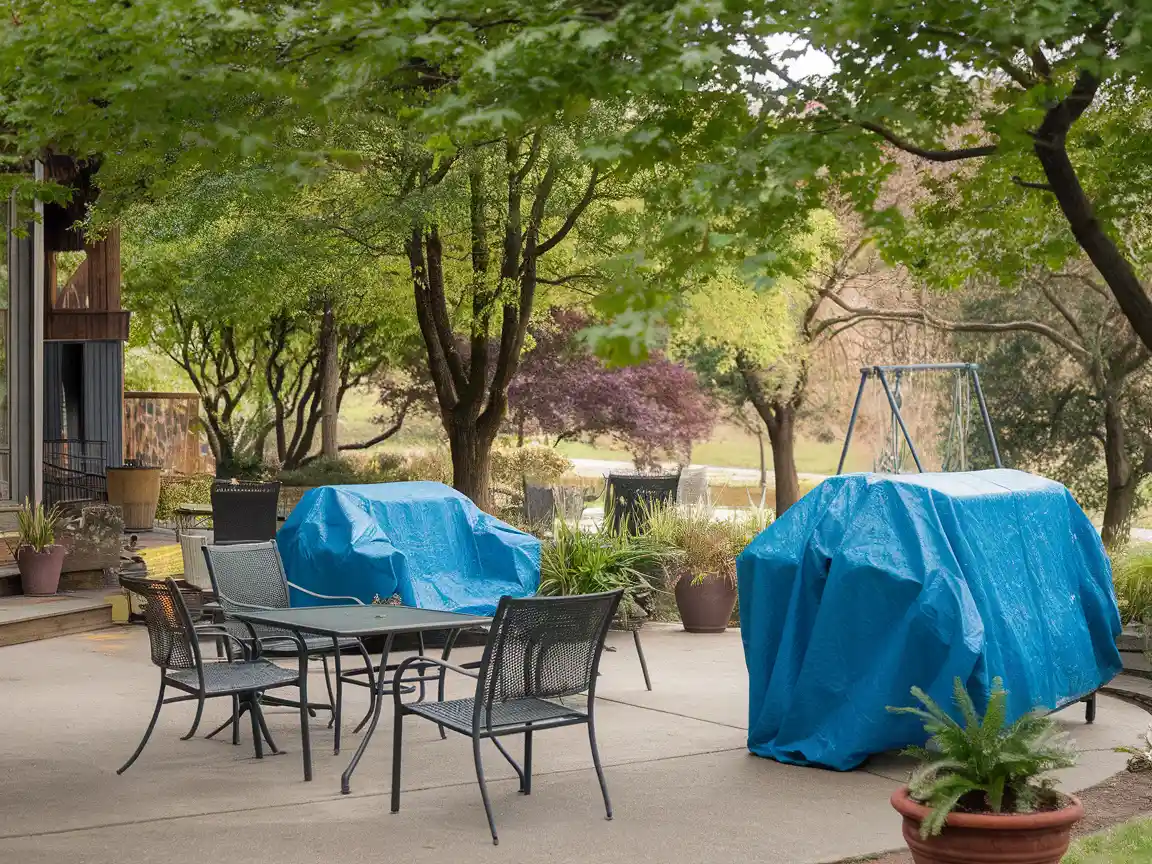
Patio furniture sits outside. It faces sun rain and snow. Winter brings harsh weather. The cold can damage furniture. So should you cover it?
This article will explain. It will give details. It will help you decide. Protecting furniture matters. It saves money. It keeps items looking good.
So let’s learn everything. Proper care extends furniture life. Some materials need covers. Some do not. Understanding the best approach ensures long-lasting use.
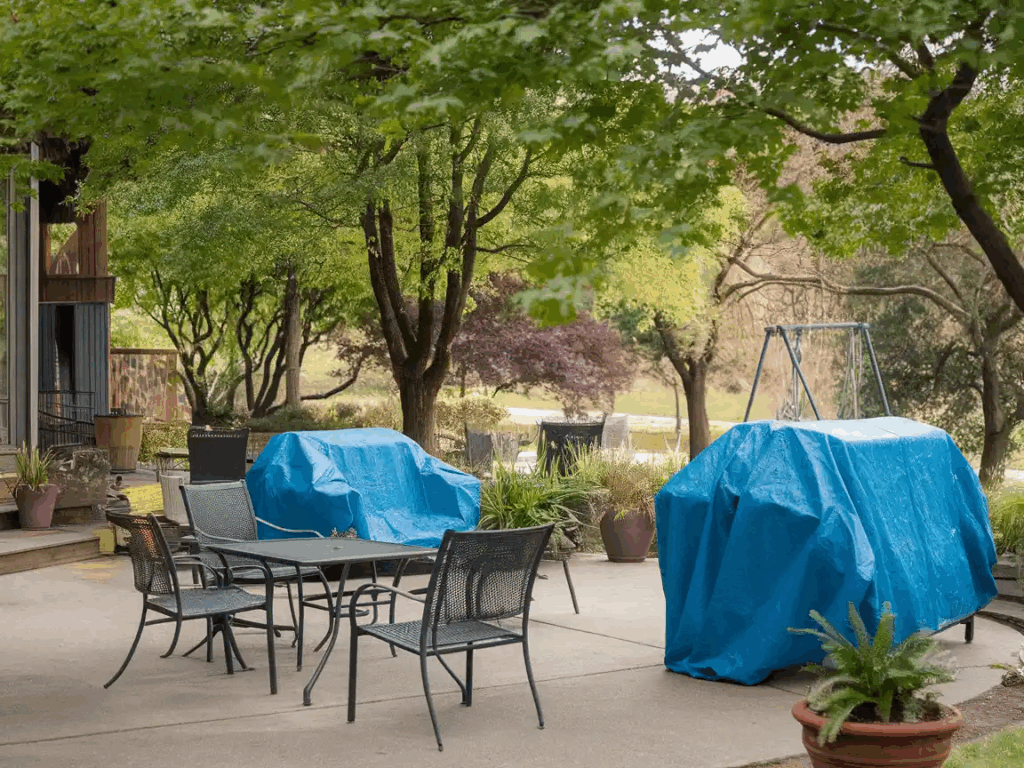
What Happens to Uncovered Patio Furniture in Winter?
Winter weather is tough. Snow piles up. Ice forms. Wind blows debris. Moisture seeps into materials. Metal can rust. Wood can crack. Fabric can fade. Mold can grow. Stains can set in.
Leaving furniture uncovered risks damage. The sun weakens colors. The cold makes materials brittle. Water causes warping. Dirt sticks to surfaces. Animals may nest. Stains become permanent.
Covering furniture prevents these issues. It blocks moisture. It stops UV damage. It keeps pests away. It reduces cleaning needs. A good cover is an investment.
Which Materials Need Winter Covers?
Not all furniture is the same. Some types need protection. Some resist winter well. Here’s what you must know.
Metal Furniture
Metal can rust. Iron and steel are vulnerable. Aluminum resists rust but still needs care. Moisture speeds up corrosion. Salt from roads makes it worse.
Covers help prevent rust. They keep water off. They block salt air. If rust forms sand it off. Apply touch-up paint. Store cushions inside.
Wood Furniture
Wood is natural. It expands and contracts. Moisture causes warping. Freezing leads to cracks. Mold grows in damp conditions.
Teak resists rot. Other woods need sealing. A cover keeps wood dry. Oil teak before winter. Store cushions indoors.
Wicker and Rattan
Natural wicker absorbs water. It cracks in cold weather. Synthetic wicker holds up better. Still covers are wise.
Covers prevent moisture damage. They stop fading. They keep dirt off. Store natural wicker indoors if possible.
Plastic Furniture
Plastic is durable. It resists water. But UV rays make it brittle. Colors fade over time.
Covers block sunlight. They prevent cracking. They keep plastic looking new.
Fabric Cushions and Umbrellas
Fabric soaks up water. Mildew stains it. Freezing ruins padding. Sunlight bleaches colors.
Always store fabric inside. Never leave it outside. Use a storage bin if needed.
Benefits of Covering Patio Furniture
Covers offer many advantages. They protect your investment. They save time and money. Here’s why you should use them.
Prevents Weather Damage
Rain snow and ice cause harm. Covers block moisture. They stop rust and rot. They prevent fading.
Reduces Cleaning Needs
Dirt sticks to wet surfaces. Pollen stains furniture. Bird droppings are hard to remove. Covers keep furniture clean.
Stops Pest Problems
Insects nest in cushions. Mice chew on fabric. Spiders hide in corners. Covers keep pests away.
Extends Furniture Life
Protected furniture lasts longer. You won’t need replacements soon. Covers pay for themselves over time.
Choosing the Right Cover
Not all covers work the same. Pick the best one for your furniture. Here’s what to look for.
Material
Vinyl is waterproof. Polyester is breathable. Canvas is heavy-duty. Mesh allows airflow.
Fit
Covers should fit snugly. Loose covers blow off. Tight covers tear easily. Measure furniture first.
Features
Look for tie-down straps. Vents prevent mold. Zippers allow easy access. Reinforced seams last longer.
Durability
Cheap covers rip quickly. Invest in quality. Thick fabric resists tears. UV-resistant material won’t fade.
How to Properly Cover Patio Furniture?
Covering furniture is simple. Follow these steps for best results.
Clean First
Dirt traps moisture. Mold grows faster. Always clean before covering. Use mild soap and water. Dry completely.
Store Cushions Indoors
Even with covers cushions fare better inside. Use a storage bin. Keep them in a dry place.
Use Furniture Feet
Lift furniture off the ground. Moisture pools underneath. Feet prevent water damage.
Secure the Cover
Wind can blow covers off. Use straps or bungee cords. Weigh down edges with bricks.
Check Occasionally
Inspect covers monthly. Remove snow buildup. Fix loose straps. Ensure no tears exist.
Alternatives to Covers
Not everyone uses covers. Other options exist. Here are some choices.
Indoor Storage
The best protection is indoors. A garage or shed works well. Stack chairs neatly. Cover with a tarp if needed.
Waterproof Tarps
Heavy-duty tarps are cheap. They cover large sets well. Secure them tightly.
Furniture Bags
Individual bags protect chairs. They are easy to store. Some have handles for carrying.
Built-in Storage
Some furniture folds up. Benches with storage hide cushions. Look for multi-use designs.
When Covers Are Not Needed
Some materials resist winter well. Covers may be optional. Here’s when you can skip them.
All-Weather Resin
High-quality resin won’t crack. It resists UV rays. A cover helps but isn’t required.
Stainless Steel
This metal won’t rust. It handles moisture well. A cover prevents dirt buildup.
Concrete Furniture
Concrete is heavy and durable. It won’t warp or crack. Covers keep it clean.
Common Mistakes to Avoid
Covering furniture seems easy. But mistakes happen. Avoid these errors.
Using Plastic Sheets
Plastic traps moisture. Condensation causes mold. Always use breathable covers.
Ignoring Ventilation
Stagnant air grows mildew. Choose covers with vents. Allow airflow.
Leaving Gaps
Wind and rain sneak in. Ensure full coverage. Secure edges tightly.
Skipping Cleaning
Dirty furniture stains. Always clean before covering.
Final Thoughts
Winter damages patio furniture. Covers prevent this. They block moisture. They stop UV rays. They keep pests away.
Metal wood and fabric need protection. Resin and stainless steel resist damage. Always clean before covering. Choose a snug durable cover. Secure it properly.
Caring for furniture saves money. It keeps your outdoor space beautiful. Invest in good covers. Follow proper steps. Your furniture will last for years.
FAQs
1. Can I use a tarp instead of a patio cover?
Yes but secure it well. Tarps trap moisture. Use breathable covers if possible.
2. Should I cover my patio furniture in mild winters?
Yes. Even mild winters have moisture. Protection is always best.
3. How do I stop covers from blowing away?
Use straps or weights. Bungee cords work well. Tie-down kits are available.
4. Can I leave cushions outside with a cover?
No. Always store cushions indoors. Moisture will still seep in.
5. How often should I replace patio furniture covers?
Every 3-5 years. Check for tears or fading. Replace if damaged.

Hi, I’m Ashley Miller, a wife, a busy mom, and someone who loves to share all the things that make life a little more fun and beautiful.
From easy DIY projects, delicious recipes, and chic hairstyles to nail ideas and home decor tips, I share everything I’ve learned and love.
My goal is to inspire other women to explore their creativity and make their homes even more special.