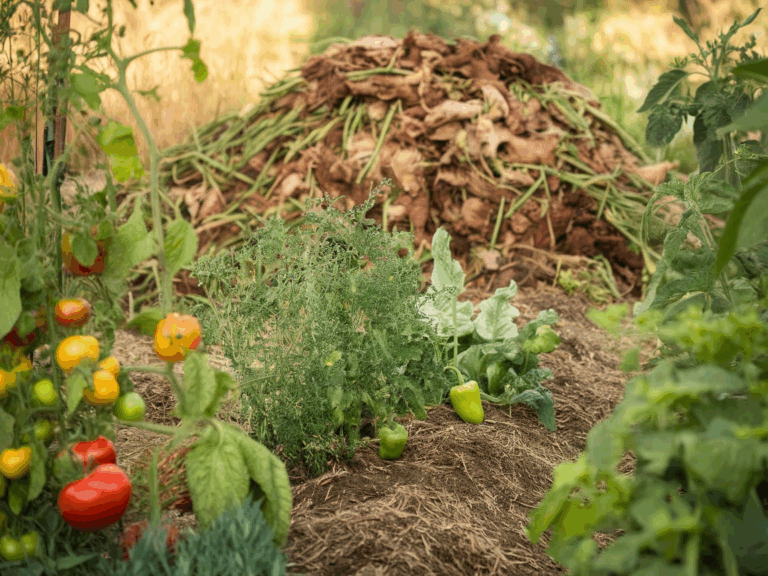
Does Pruning Help Plant Growth?
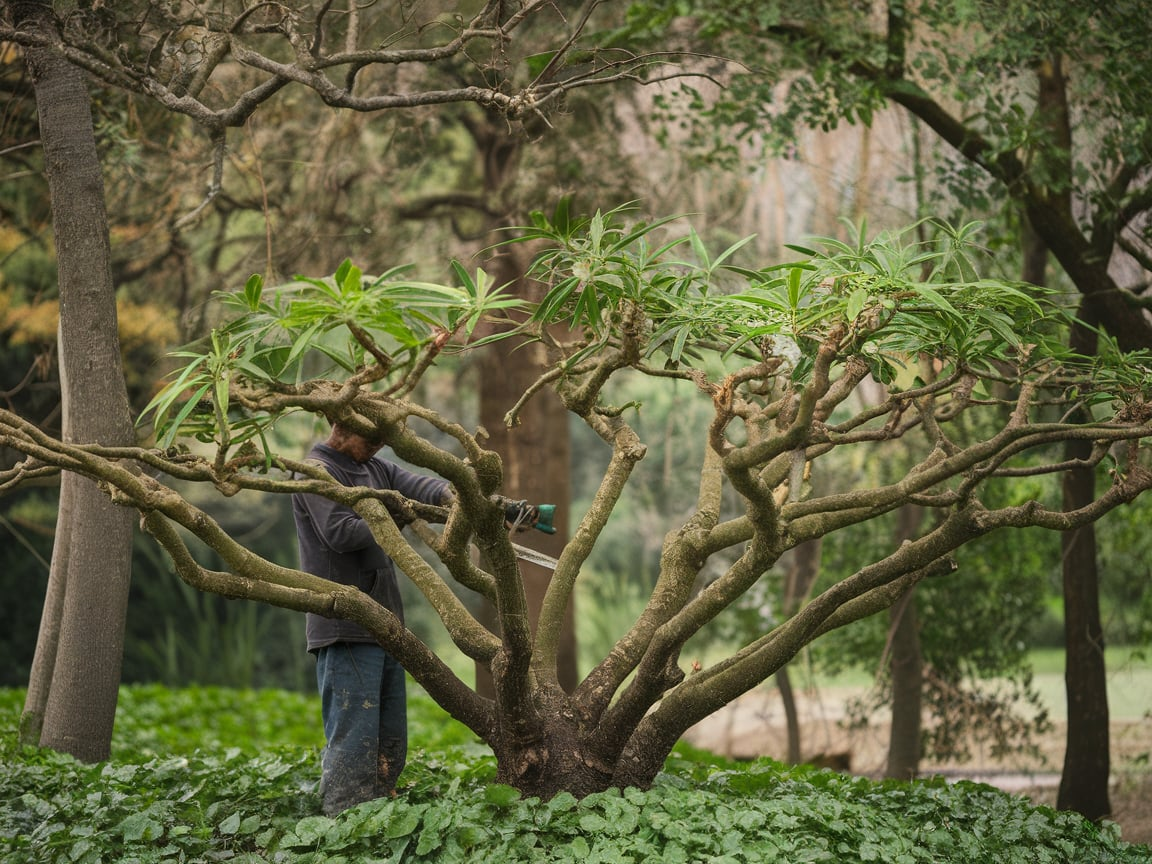
Pruning is a common practice. Gardeners do it often. But does it help plants grow?
This article will explain. It will give details. It will help you understand. You must know the benefits. You must know the risks. Plant health matters.
So let’s learn everything. Proper pruning makes a big difference. Some cuts help growth. Some cuts harm plants. Understanding pruning leads to better plant care.

What Is Pruning?
Pruning means cutting plants. It removes branches. It removes leaves. It shapes plants. It controls size. Some prune for looks. Some prune for health. It is a key gardening task. Many plants need it. Trees need pruning. Shrubs need pruning. Flowers may need it too.
Pruning tools vary. Shears are common. Saws work for thick branches. Knives help with precision. Clean tools prevent disease. Sharp tools make clean cuts. Proper technique matters.
Does Pruning Help Plant Growth?
Yes pruning helps growth. But only when done right. Wrong cuts can damage. Proper cuts encourage health. Plants grow stronger. They produce more. They resist disease.
Pruning removes dead parts. Dead branches waste energy. Removing them helps live growth. Plants focus on healthy parts. New shoots grow faster. Flowers bloom better. Fruits become larger.
Pruning improves air flow. Thick plants trap moisture. Moisture causes fungus. Open plants stay dry. Air circulates better. Sunlight reaches inner leaves. This prevents rot.
Pruning shapes plants. Overgrown plants look messy. Controlled growth looks neat. Shape affects strength. Weak branches break easily. Proper structure supports weight.
How Pruning Helps Different Plants
Trees
Trees grow tall. Heavy branches can fall. Pruning removes weak limbs. It prevents storm damage. It keeps trees safe. Fruit trees produce more. Sunlight reaches all fruits. Airflow reduces pests.
Shrubs
Shrubs get dense. Pruning keeps them open. It prevents disease. It encourages flowers. Some shrubs bloom on new wood. Pruning triggers growth. More wood means more blooms.
Flowers
Some flowers fade fast. Deadheading removes old blooms. This pushes new flowers. Plants look fresh longer. Energy goes to new buds. Some stems grow too long. Cutting them back keeps shape.
Vegetables
Tomatoes need pruning. Side shoots steal energy. Removing them boosts fruit. Peppers grow bushier when pruned. More branches mean more peppers. Vining plants like cucumbers spread too much. Pruning controls their growth.
When to Prune
Timing matters. Wrong time harms plants. Most plants prune in dormancy. Late winter is best. Spring growth follows cuts. Some plants prune after blooming. Cutting too early removes buds.
Flowering shrubs vary. Spring bloomers prune after flowers. Summer bloomers prune in spring. Fruit trees prune in winter. Evergreens prune in early summer. Roses prune in late winter.
Avoid pruning in fall. New growth may freeze. Frost damages fresh cuts. Diseases spread in wet seasons. Dry weather is safer.
How to Prune Correctly
Use Clean Tools
Dirty tools spread sickness. Wash blades after each plant. Alcohol kills germs. Sharp tools make smooth cuts. Ragged cuts heal slowly.
Cut at the Right Angle
Angles matter. Slanted cuts shed water. Flat cuts hold moisture. Moisture causes rot. Cut above buds. New growth comes from buds.
Remove Dead Wood First
Dead branches are easy to spot. No leaves grow on them. Cut them back to live wood. This saves plant energy.
Thin Out Crowded Areas
Too many branches compete. Remove weak ones. Keep strong ones. Space allows light in. Air moves freely.
Avoid Over-Pruning
Too much cutting stresses plants. Never remove more than one-third. Over-pruning weakens growth. Plants need leaves for food.
Common Pruning Mistakes
Topping Trees
Topping means cutting tree tops. It ruins natural shape. It causes weak regrowth. Trees get ugly. They become unsafe.
Leaving Stubs
Stubs die back. They invite pests. They decay slowly. Always cut close to the trunk. But avoid cutting the collar.
Pruning at Wrong Time
Early pruning removes buds. Late pruning risks frost damage. Know each plant’s schedule.
Using Dull Tools
Dull blades crush stems. Clean cuts heal faster. Keep tools sharp.
Benefits of Pruning
Stronger Growth
Plants focus energy. New shoots grow vigorous. Roots strengthen.
Better Flowers and Fruits
More sunlight means more blooms. Airflow prevents mold. Fruits ripen evenly.
Disease Prevention
Sick branches spread illness. Removing them stops problems.
Longer Plant Life
Healthy plants live longer. Pruning reduces stress.
Risks of Pruning
Over-Pruning
Too much cutting harms. Plants may die.
Wrong Cuts
Bad angles cause rot. Improper removal weakens plants.
Spreading Disease
Dirty tools transfer sickness. Always sanitize.
Final Thoughts
Pruning helps plant growth. It must be done right. Proper cuts improve health. Wrong cuts cause harm. Learn each plant’s needs. Use clean sharp tools. Time your pruning well.
Healthy plants grow better. They look nicer. They produce more. Pruning is worth the effort. Your garden will thrive.
FAQs
1. Can pruning kill a plant?
Yes if done wrong. Over-pruning is dangerous. Bad cuts introduce disease. Always prune carefully.
2. How often should plants be pruned?
Most plants need yearly pruning. Some need more. Fast growers may need trimming often.
3. Can I prune in summer?
Some plants handle summer pruning. Avoid cutting in heat stress. Light shaping is usually safe.
4. What plants should not be pruned?
Some trees bleed sap if pruned. Maples and birches are examples. Prune them in late summer.
5. Does pruning stop pests?
Yes. Removing sick branches stops bugs. Open plants deter insects. Clean cuts heal fast. Pests avoid healthy plants.

Hi, I’m Ashley Miller, a wife, a busy mom, and someone who loves to share all the things that make life a little more fun and beautiful.
From easy DIY projects, delicious recipes, and chic hairstyles to nail ideas and home decor tips, I share everything I’ve learned and love.
My goal is to inspire other women to explore their creativity and make their homes even more special.