Can You Grow Vegetables in Shade?
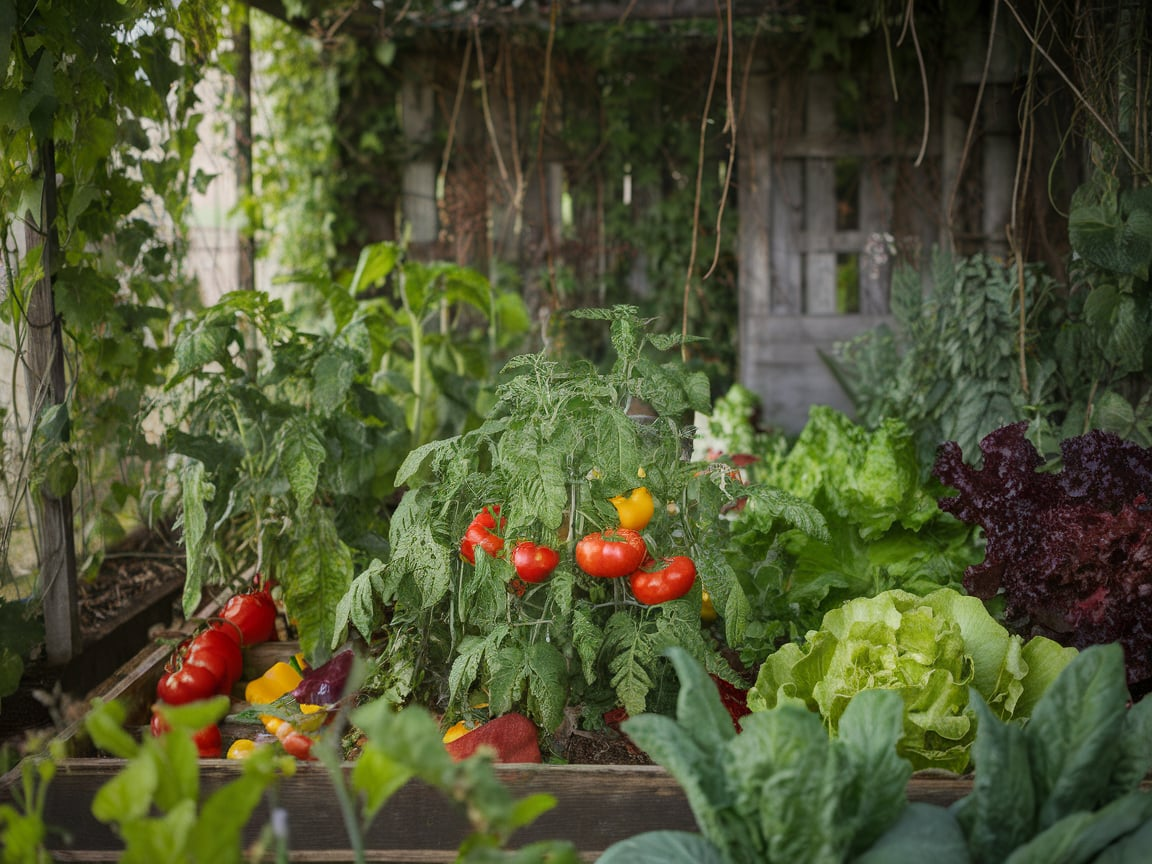
Many people love gardening. They want fresh veggies. But not all have sunny yards.
Some spaces are shady. So, can you grow vegetables in shade? This article will explain. It will give details. It will help you decide. You must know what works. You must know what doesn’t. Your garden’s success matters.
So, let’s learn everything. Resistance to improper plant choices makes a big difference. Some veggies grow in shade. Some need full sun. Understanding gardening leads to better harvests.
What Is Shade Gardening?
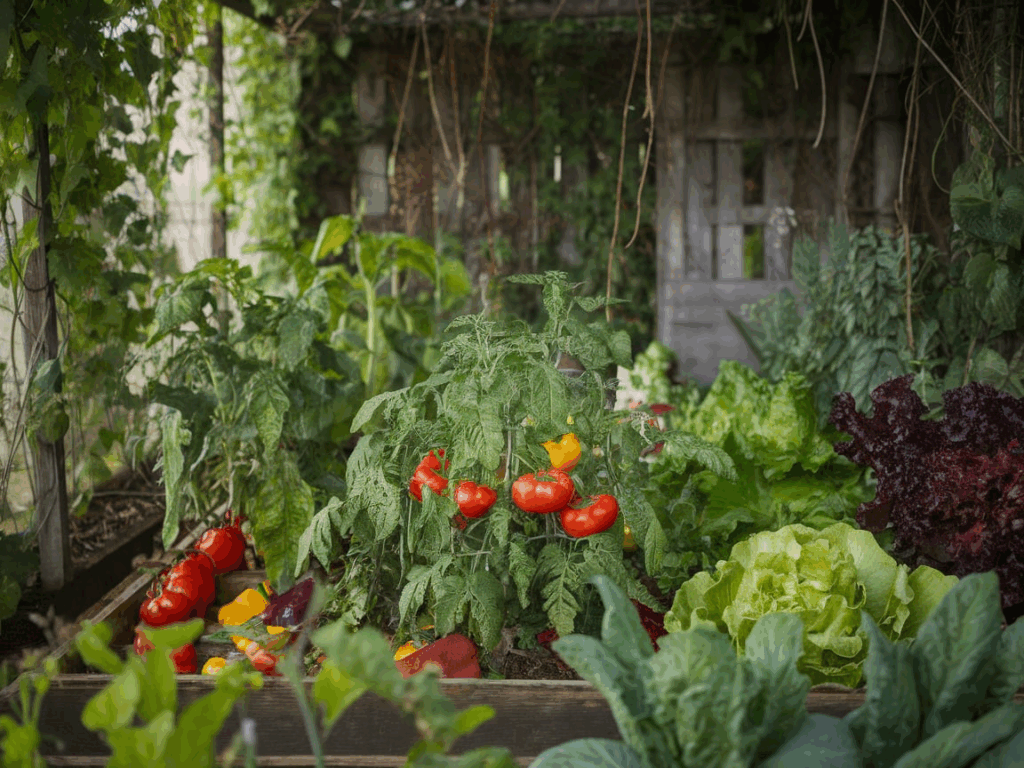
Shade gardening means growing plants in low light. Not all shade is the same. Some areas get dappled light. Some get partial shade. Some get full shade. The type affects what you can grow. It is a common challenge. Many face it. Some embrace it. Some struggle. The approach was originally designed for sun-loving plants but shade gardening is possible.
Can Vegetables Grow in Shade?
Yes! Some veggies tolerate shade well. They adapt to low light. They grow slower but still produce. Leafy greens do well. Root veggies can manage. Herbs often thrive. But not all veggies will work. Tomatoes need sun. Peppers need sun. So, choose wisely. In general plant breeders develop varieties for different light conditions.
We use your personal data for interest-based advertising, as outlined in our Privacy Notice.
The cultivation of vegetables in shade requires caution because certain kinds need full sun. The category of shade-tolerant veggies belongs among the options gardeners should explore. It is not impossible.
Why Do Some Vegetables Grow in Shade?
Nature designs plants differently. Some evolved in forests. They handle low light. They grow under trees. They make the most of dim conditions. These veggies survive. They may not yield as much. But they still grow. Intake of sunlight varies among plant species. Some need less. Some need more. It is natural.
Best Vegetables for Shade
Leafy Greens
Spinach grows well. It likes cool shade. It bolts in heat. Shade helps it last longer. Kale also works. It is hardy. It handles low light. Lettuce thrives. It prefers shade in hot climates. These greens are safe bets. The consumption of leafy greens from shade gardens is rewarding.
Root Vegetables
Radishes grow fast. They manage in shade. Carrots can work. They grow slower but still taste sweet. Beets adapt well. Their greens are edible too. These roots are good options. The production of root veggies in shade requires patience.
Herbs
Mint loves shade. It spreads quickly. Parsley grows well. It stays green longer. Cilantro bolts less in shade. Chives tolerate low light. These herbs are useful. The cultivation of herbs in shade keeps them fresh.
Other Options
Peas handle shade. They climb and produce. Broccoli can grow. It needs some light but tolerates shade. Cauliflower is similar. These veggies are worth trying. The selection of these plants ensures some harvest.
Vegetables That Need Full Sun
Tomatoes fail in shade. They need direct light. Peppers won’t fruit well. They demand sun. Eggplants struggle. They need warmth. Squash requires light. It won’t thrive. These veggies are not for shade. The avoidance of sun-loving plants in shade is necessary.
How to Maximize Growth in Shade?
Choose the Right Spot
Observe light patterns. Track sun movement. Pick the brightest shade. Avoid deep darkness. Dappled light is best. Partial shade works. The positioning of plants affects their growth.
Improve Soil Quality
Shade soil stays moist. Add compost. Boost nutrients. Ensure drainage. Avoid waterlogging. Healthy soil helps. The preparation of soil makes a difference.
Water Wisely
Shade means less evaporation. Don’t overwater. Check moisture levels. Avoid root rot. Water deeply but less often. The management of water prevents problems.
Use Reflective Surfaces
Place light-colored mulch. Use white stones. Reflect available light. Brighten the area. Every bit helps. The utilization of reflective materials aids growth.
Common Mistakes in Shade Gardening
Overcrowding Plants
Shade limits light. Don’t plant too dense. Give space. Airflow matters. Prevent diseases. The arrangement of plants should allow light penetration.
Ignoring Soil Health
Poor soil hurts growth. Test it. Amend it. Feed plants. Don’t skip this step. The maintenance of soil ensures better yields.
Wrong Plant Choices
Picking sun-lovers leads to failure. Research first. Match plants to conditions. Don’t force unsuitable varieties. The selection of appropriate veggies is crucial.
Benefits of Shade Gardening
Less Watering
Shade reduces evaporation. Soil stays moist. Less watering needed. Saves time. Saves resources. The conservation of water is easier.
Extended Growing Season
Cool shade prevents bolting. Greens last longer. Heat-sensitive plants thrive. Harvests extend. The prolongation of harvests is beneficial.
Pest Reduction
Some pests hate shade. Fewer aphids. Less sunburn. Plants stay healthier. The reduction of pests is a plus.
Final Thoughts
Shade gardening is possible. Many veggies adapt. Leafy greens excel. Root veggies manage. Herbs thrive. But sun-lovers won’t work. Choose wisely. Prepare well.
Keep your garden productive. Pick shade-tolerant plants. Good choices lead to success. A proper approach ensures fresh harvests.
FAQs
1. Can tomatoes grow in shade?
No. Tomatoes need full sun. They won’t fruit well. They need warmth. Shade stunts them. It is best to avoid planting them in shade. Mainly sunny spots serve as essential for tomato growth.
2. What is the best leafy green for shade?
Spinach is great. It handles shade well. It lasts longer. It doesn’t bolt quickly. Kale is another good option. The cultivation of these greens in shade works best.
3. How much light do shade veggies need?
At least 3-4 hours. Dappled light works. Full shade is too dark. Partial shade is ideal. The requirement of minimal light must be met.
4. Can I grow carrots in full shade?
No. They need some light. Partial shade works. Full shade slows growth. They may not develop well. The production of carrots requires some sunlight.
5. Are shade veggies less nutritious?
Not necessarily. They grow slower. But nutrients remain. Taste can be good. The quality of shade-grown veggies is still high.

Hi, I’m Ashley Miller, a wife, a busy mom, and someone who loves to share all the things that make life a little more fun and beautiful.
From easy DIY projects, delicious recipes, and chic hairstyles to nail ideas and home decor tips, I share everything I’ve learned and love.
My goal is to inspire other women to explore their creativity and make their homes even more special.