Does Furniture Placement Impact Room Functionality?
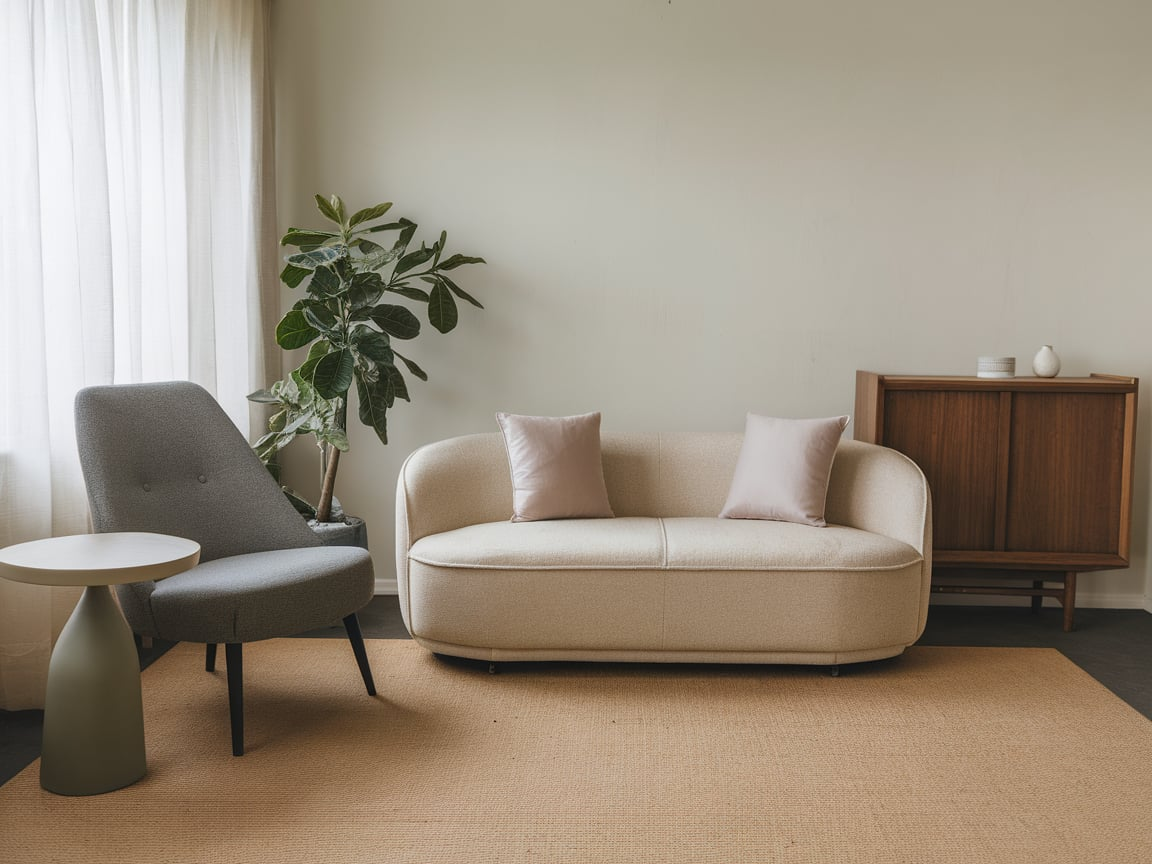
Furniture placement matters. It changes how rooms feel. It affects how rooms work. This article will explain. It will give details. It will help you decide. You must know what works. You must know what doesn’t. Your room’s functionality matters.
So let’s learn everything. Resistance to poor furniture setups makes a big difference. Some layouts improve flow. Some layouts block movement. Understanding space leads to better living.
What Is Furniture Placement?
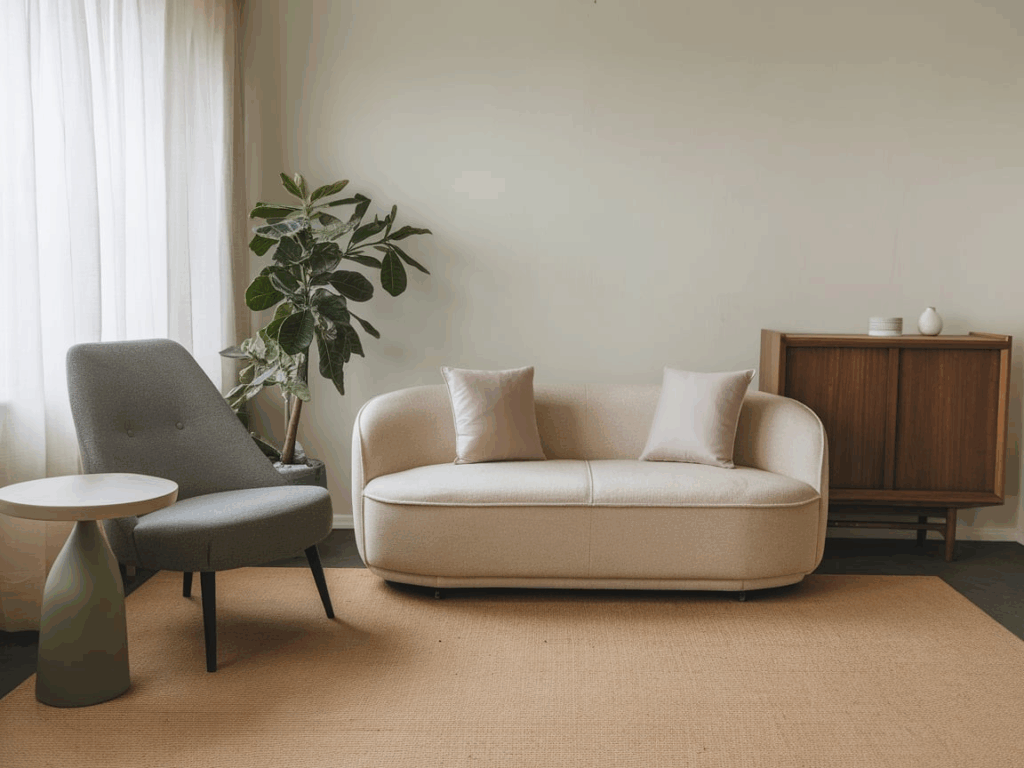
Furniture placement is arrangement. It is where you put items. It includes sofas. It includes tables. It includes beds. Some setups feel open. Some setups feel cramped. The goal is balance. The goal is ease.
People arrange furniture differently. Some follow rules. Some ignore them. The right setup depends on needs. It depends on space. It depends on style. A well-planned room feels right.
Why Does Furniture Placement Matter?
Furniture placement impacts use. It affects movement. It affects comfort. Bad setups cause problems. Good setups solve them.
Traffic flow matters. People should walk easily. Furniture should not block paths. Clutter makes rooms hard to use. Open spaces feel better.
Functionality matters. A living room should host guests. A bedroom should promote sleep. A dining room should fit meals. Placement helps or hurts these goals.
Aesthetics matter too. Furniture should look good. It should match room size. Oversized pieces overwhelm. Undersized pieces look odd. Balance is key.
How Does Furniture Placement Affect Small Rooms?
Small rooms need smart layouts. Every inch counts. Poor choices shrink space. Good choices expand it.
Walls can help. Placing furniture against walls opens floors. It creates walking space. It makes rooms feel bigger.
Multipurpose furniture helps. Beds with storage save space. Foldable tables add flexibility. Smart choices maximize function.
Avoid overcrowding. Too much furniture feels cramped. Less is more in tight spaces. Keep only what you need.
How Does Furniture Placement Affect Large Rooms?
Large rooms need structure. Too much space feels empty. Furniture should define areas. It should create zones.
Groupings work well. Sofas and chairs can form circles. This encourages conversation. Rugs can anchor setups.
Avoid pushing everything to walls. Floating furniture adds depth. It breaks up vast spaces. It makes rooms feel cozy.
Balance is crucial. Big rooms need big furniture. Small pieces get lost. Scale matters for harmony.
What Are Common Furniture Placement Mistakes?
Many people make errors. These hurt functionality. Awareness fixes problems.
Blocking pathways is bad. Doors should open fully. Walkways should stay clear. Movement must stay easy.
Ignoring focal points is bad. Fireplaces or TVs need space. Furniture should face them. This improves use.
Overlooking lighting is bad. Lamps should light tasks. Chairs should have light. Dark corners feel unwelcoming.
Forgetting balance is bad. Heavy furniture on one side feels off. Equal distribution looks better.
How to Improve Furniture Placement
Good placement takes effort. Follow these tips for better results.
Measure first. Know room dimensions. Know furniture sizes. Fit matters.
Plan on paper. Sketch layouts. Try options. Visualizing helps.
Start with big pieces. Place sofas and beds first. Fill in smaller items later.
Leave breathing room. Furniture should not touch. Gaps improve flow.
Test movement. Walk around. Adjust if needed. Function comes first.
What Are Best Furniture Placement Rules?
Some rules work well. They create harmony. They boost function.
The 2/3 rule helps. Rugs should fit under furniture. They should cover 2/3 of seating.
The 3-foot rule helps. Walkways need 3 feet. This prevents bumping.
The conversation rule helps. Seats should face each other. Distance should allow talking.
The focal point rule helps. Arrange around key features. This draws attention.
How Does Furniture Placement Impact Mood?
Layouts change feelings. They affect relaxation. They affect energy.
Open spaces feel calm. Clutter causes stress. Clean lines soothe minds.
Cozy setups feel warm. Close seating encourages bonding. Tight spaces feel intimate.
Bright setups feel lively. Dark corners feel heavy. Light placement changes moods.
How to Arrange Furniture in a Living Room
Living rooms need thought. They host guests. They relax families.
Start with seating. Sofas face focal points. Chairs complete circles.
Add tables. Coffee tables center setups. Side tables hold drinks.
Include storage. Shelves keep items neat. Cabinets hide clutter.
Leave space. Walkways must stay open. Movement should feel easy.
How to Arrange Furniture in a Bedroom
Bedrooms need rest. Layouts should help sleep.
Beds come first. Place against solid walls. Avoid blocking windows.
Add nightstands. One on each side balances. Lamps help reading.
Include dressers. Against walls saves space. Mirrors add light.
Keep floors clear. Too much furniture disturbs sleep. Less is more.
How to Arrange Furniture in a Dining Room
Dining rooms need function. Meals should feel comfortable.
Tables center setups. Chairs fit around them. Space to pull out matters.
Buffets help serving. Place against walls. Storage keeps items handy.
Lighting sets mood. Pendant lights over tables work best. Brightness aids eating.
Leave walking space. Chairs should not scrape walls. Movement must stay free.
How to Arrange Furniture in an Office
Home offices need focus. Layouts should boost work.
Desks face doors. This feels commanding. Windows add light.
Chairs support posture. Comfort matters for long hours.
Shelves organize supplies. Clutter kills productivity.
Cables stay hidden. Messy wires distract. Neat setups help focus.
Final Thoughts
Furniture placement impacts rooms. It changes function. It changes feel. Good layouts improve life. Bad layouts cause stress.
Plan carefully. Measure spaces. Follow rules. Adjust as needed.
Your room should work for you. Smart placement makes that happen.
FAQs
- What is the most important furniture placement rule?
Function comes first. Arrange for ease. Movement should stay smooth. Comfort should stay high. - How far should sofas be from TVs?
8-12 feet works best. This reduces eye strain. It improves viewing. - Can furniture placement make a room look bigger?
Yes. Less clutter helps. Floating furniture adds space. Mirrors expand visually. - Should beds face doors?
Many prefer this. It feels secure. But layouts vary. Choose what feels right. - How often should I rearrange furniture?
Change when bored. Change when needs shift. Fresh setups refresh moods.

Hi, I’m Ashley Miller, a wife, a busy mom, and someone who loves to share all the things that make life a little more fun and beautiful.
From easy DIY projects, delicious recipes, and chic hairstyles to nail ideas and home decor tips, I share everything I’ve learned and love.
My goal is to inspire other women to explore their creativity and make their homes even more special.