For years our patio table sat there mostly as a place to stack mail that migrated outside somehow, because the setup itself gave nobody a reason to actually sit down and eat a meal there — wrong table size, glare in your eyes at dinnertime, no light once the sun went down.
The fix wasn’t a bigger renovation, it was about six small, specific changes that turned “we could eat out there, I guess” into “let’s just eat outside tonight.”
Below are 31 specific patio dining ideas, each broken down with the actual detail that makes it work, organized loosely from table basics through lighting, shade, and finishing touches.
1. Size the Table to the Space, Not the Chair Count You Want
A table that’s too large for the patio footprint makes the whole area feel cramped the second chairs are pulled out — measure the actual walking clearance you need around the table before committing to a size.
2. Choose a Table Material Rated for Your Actual Climate
Teak and eucalyptus hold up well with minimal maintenance in most climates, while metal tables need a rust-resistant finish if you’re anywhere humid or near salt air — matching the material to your actual weather avoids a table that degrades within a season.
3. Add a Pergola Directly Over the Dining Area
A pergola specifically over the table (rather than the whole patio) gives dappled shade exactly where you need it during a midday meal without blocking the view or sky everywhere else.
4. Hang a String of Bistro Lights Above the Table
Overhead string lighting positioned directly above the dining table, rather than scattered randomly across the patio, gives you the warm, usable light you actually need to eat dinner after dark.
5. Use an Umbrella With a Cantilever Base Instead of a Center Pole
A cantilever (offset) umbrella base keeps the pole out of the middle of the table, which matters enormously once you’re actually trying to set plates and pass dishes around.
6. Add a Lazy Susan to a Round Table
A built-in or standalone lazy Susan on a round outdoor table makes family-style and shared dishes dramatically easier to pass without anyone standing up.
7. Choose Chairs With Arms for At Least Half the Seats
Armchairs are more comfortable for a long, lingering meal, so mixing some armed chairs with armless ones gives guests a choice without sacrificing total seating capacity.
8. Add Outdoor-Rated Cushions in a Weather-Resistant Fabric
Cushions made specifically for outdoor use (quick-drying foam, UV-resistant fabric) make a dramatic comfort difference over bare metal or wood seating, and they survive actual weather instead of molding after one rainstorm.
9. Install a Dimmer on Any Wired Patio Lighting
A dimmer switch lets you adjust from bright daytime-cleanup lighting to soft evening dinner lighting on the same fixture, instead of needing two separate light sources.
10. Add a Side Table or Bar Cart Near the Dining Table
A side table positioned just off the main table gives you somewhere to set serving dishes, drinks, or extra plates without cluttering the actual dining surface.
11. Use a Long Farmhouse-Style Table for Big Family Gatherings
A long, narrow table seats more people in a given footprint than a square or round table of equivalent surface area, which matters if hosting larger groups is a regular thing for you.
12. Add a Built-In Bench Along One Side of the Table
A built-in bench along one edge (paired with chairs on the other sides) saves space and gives you flexible seating that can squeeze in an extra guest more easily than fixed individual chairs.
13. Choose a Table With a Glass or Tile Top for Easy Cleanup
A glass or tile tabletop wipes down far more easily than untreated wood after a meal, which matters more than people expect once you’re actually using the table regularly.
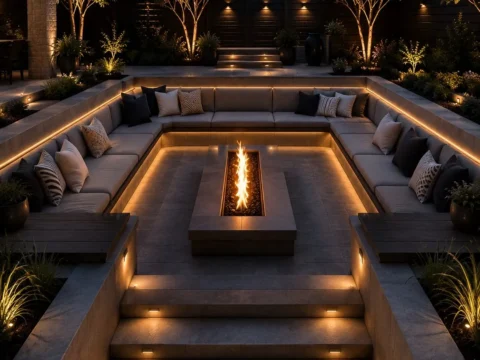
14. Add a Fire Pit Table Instead of a Separate Fire Pit and Dining Table
A fire pit table (a table with a built-in propane fire feature) lets you dine and then transition straight into an evening fire without moving to a different spot in the yard.
15. Orient the Table to Avoid Direct Sunset Glare
Positioning the table so nobody’s staring directly into a setting sun during dinner is a simple orientation fix that makes a measurable difference in how pleasant evening meals actually feel.
16. Add a Retractable Awning Over the Dining Zone
A retractable awning gives you the flexibility of open sky on a mild day and shade on demand during a hot afternoon, without the permanence (or cost) of a fixed structure.
17. Use Battery-Powered Table Lanterns as a No-Wiring Lighting Option
If running electrical to the patio isn’t practical, rechargeable battery lanterns placed directly on the table give you real usable light for evening meals with zero wiring required.
18. Add a Herb Planter Box Within Reach of the Table
A small planter with herbs (basil, mint, rosemary) positioned near the dining area turns meal prep into something genuinely interactive — guests can snip what they want right at the table.
19. Choose Stackable Chairs for Easy Storage and Flexible Seating
Stackable outdoor chairs let you quickly add seats for a bigger gathering and just as quickly store them away, which matters a lot if your patio doubles as a walkway or storage area part of the year.
20. Add a Rug Underneath the Dining Set to Define the Zone
An outdoor rug under the table and chairs visually separates the dining area from the rest of the patio, the same way a rug defines a dining room indoors.
21. Use a Table With an Extendable Leaf for Flexible Group Sizes
An extendable table lets you keep a smaller footprint for everyday meals and expand it for larger gatherings, which is more practical than owning two separate tables.
22. Add Citronella or Decorative Candles as a Centerpiece
Grouped candles down the center of the table do double duty as both evening ambiance and functional bug deterrent if you choose citronella-scented ones specifically.
23. Install a Ceiling Fan if the Dining Area Is Covered
A ceiling fan mounted under a covered patio structure keeps air moving during a hot meal and helps push bugs away, both of which matter more for comfort than people expect before they have one.
24. Choose a Neutral Table Color That Won’t Clash With Changing Décor
A neutral tabletop and frame color (black, white, or natural wood tone) means you can change cushion colors or centerpiece styles seasonally without needing to replace the whole set.
25. Add a Wall-Mounted or Freestanding Outdoor Heater for Cooler Evenings
A patio heater positioned near the table extends your outdoor dining season into cooler months without needing to move the whole setup indoors.
26. Use Mismatched Vintage Chairs Around a Single Cohesive Table
A set of different but complementary vintage or secondhand chairs around one solid table gives a collected, personal look that a matched big-box set often can’t replicate.
27. Add a Privacy Screen or Trellis Behind the Dining Area
A simple screen or trellis with climbing vines behind the table creates a sense of enclosure and privacy, especially useful if your patio is visible from a neighbor’s yard or a street.
28. Choose Weather-Resistant Placemats Instead of a Tablecloth for Windy Spots
In a breezy location, placemats stay put far more reliably than a tablecloth, which can end up blowing across the whole meal the moment a gust comes through.
29. Add a Small Buffet or Sideboard for Serving
A weatherproof sideboard or buffet piece near (not on top of) the dining table gives you a dedicated spot to lay out food buffet-style for larger gatherings.
30. Use Solar Path Lights to Guide Guests to the Dining Area After Dark
Small solar lights lining the path from the house to the patio table make the walk out for dinner feel intentional and safe once it’s fully dark outside.
31. Add a Weatherproof Storage Bench for Cushions and Tableware
A storage bench that doubles as extra seating gives you somewhere to stash cushions, napkins, and serving pieces between meals, keeping the table itself clutter-free and ready whenever you want to use it.
Quick Planning Reference
| Priority | Solution | Why |
|---|---|---|
| Eating after dark | Overhead string lights + a dimmer | Gives warm, adjustable light exactly over the table |
| Hosting bigger groups | Extendable or long farmhouse table | Flexible capacity without owning two tables |
| Hot climate | Pergola or retractable awning over the table specifically | Shade where you actually eat, not the whole patio |
| Windy location | Weighted placemats over a tablecloth | Stays put through a meal without constant adjusting |
If I Were Setting This Up From Scratch
I’d start with table size (measured to the actual space), overhead lighting directly above it, and one shade solution — a pergola, umbrella, or awning. Those three decisions solve the issues that actually stop people from eating outside: cramped seating, no light after dark, and sun glare during the day. Everything else on this list is a comfort or style upgrade layered on top.
FAQs
What’s the most common mistake people make with patio dining setups? Buying a table that’s too big for the space — it looks great in photos online but ends up making the whole patio feel cramped once chairs are actually pulled out and people are trying to move around it.
Do I need electricity run to the patio for good lighting? Not necessarily — battery-powered or solar lanterns and string lights give you genuinely usable light without any wiring, and they’re a good starting point before committing to a hardwired installation.
How do I keep an outdoor table from fading or warping over a few seasons? Choose a material actually rated for your climate (teak, eucalyptus, or powder-coated metal are reliable choices), and use a cover or bring cushions inside during the harshest weather if you can.
What size table actually works for a smaller patio? A round table seating four tends to fit smaller spaces better than a square table of similar surface area, since there are no sharp corners to navigate around in tight walking paths.

Hi, I’m Ashley Miller, a wife, a busy mom, and someone who loves to share all the things that make life a little more fun and beautiful.
From easy DIY projects, delicious recipes, and chic hairstyles to nail ideas and home decor tips, I share everything I’ve learned and love.
My goal is to inspire other women to explore their creativity and make their homes even more special.